Join us and act against climate change! Become a member today.
MEMBER LOG IN
DONATE
Green umbrella Logo
  • What We Do
    • Our Work
    • Our Mission
    • Our Region
    • Our Impact
  • Our Team
  • Our Programs
  • Events
    • Events Calendar
    • Midwest Regional Sustainability Summit
    • Cincinnati Climate Week
  • Resources
    • Member Directory
    • Green Jobs Board
    • Get Outdoors
    • Reports & Tools
    • Stories & Announcements
  • Get Involved
  • Search

Save the Roselawn Save A Lot

June 9, 2026 by Kelly St Charles

Update as of 7/22/26:

There’s welcome news in Roselawn: the neighborhood’s Save A Lot will remain open! Locally owned by David Pearson since 2011, the store is the closest grocery option for many residents of Roselawn, Golf Manor, Bond Hill, and Amberley Village. Earlier this year, Pearson shared that he was ready to retire and had been unable to find a buyer, raising serious concerns that the neighborhood could once again become a food desert.

Since then, community members, city leaders, and advocates have rallied around the issue—including Green Umbrella’s Food Policy Council, which helped amplify community concerns and elevate the importance of keeping a grocery store in the neighborhood. While final details have not yet been made public, city leaders, Pearson, and Save A Lot Corporate are now working toward a solution to keep this critical community resource in place.


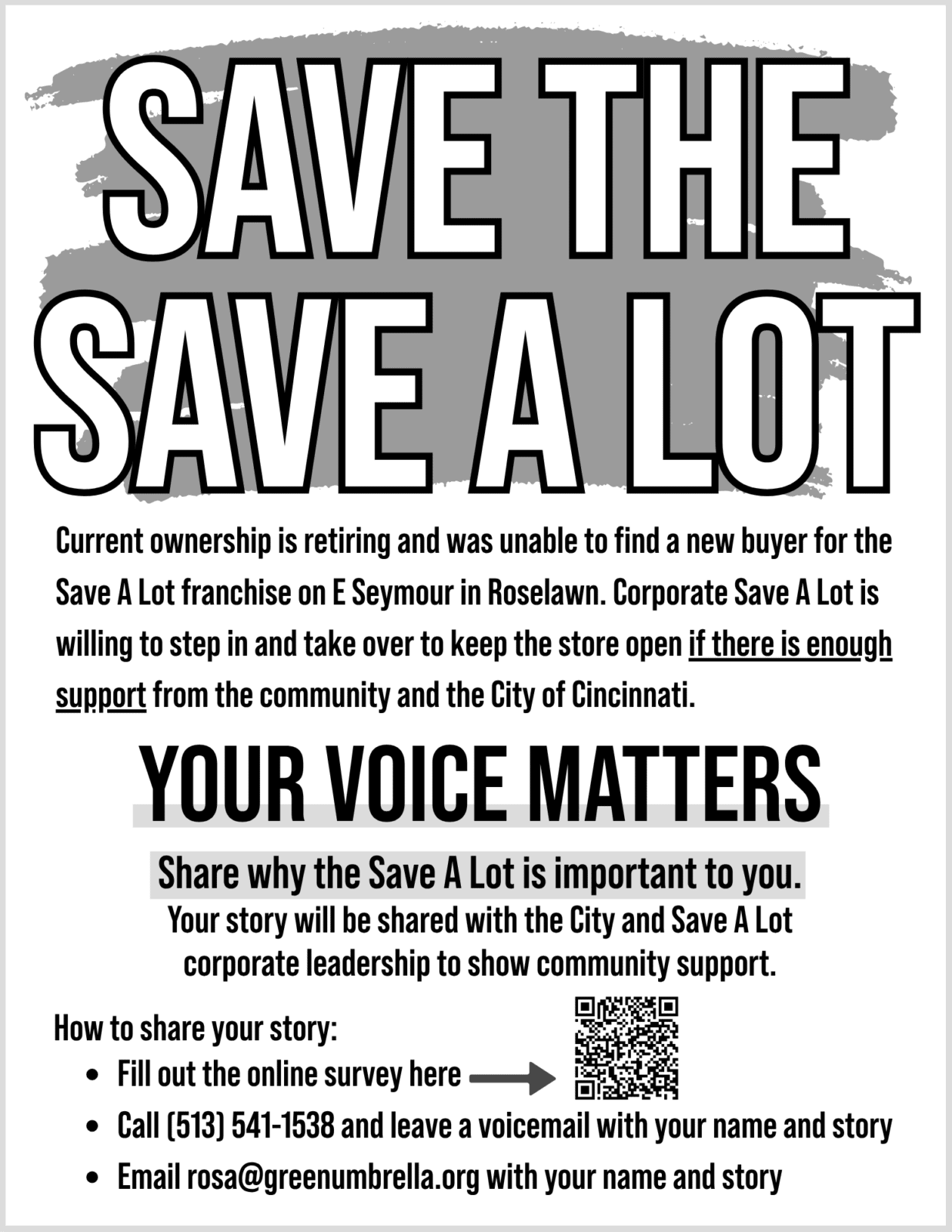
The last grocery store in Roselawn is at serious risk of closing. The current owner is retiring in June of 2026; because they were unable to find a buyer, the Save A Lot on E Seymour in Roselawn will close. 

This Save A Lot is the only grocery store for not only Roselawn, but also the neighborhoods of Golf Manor, Bond Hill, and Amberley Village. If it closes, 20,000 more people in Cincinnati will live in a food desert.

This grocery serves a large portion of the elderly and disabled community members in Roselawn. Additionally, nearly 42% of this store’s sales are through food assistance programs, such as SNAP. Saving this store serves the most vulnerable community members in Roselawn and surrounding neighborhoods. 

The City of Cincinnati, in partnership with corporate Save A Lot, can collaborate to prevent this Save A Lot franchise from closing (or a third party can purchase it). The stories below are from residents and visitors to Roselawn who need and value the Save A Lot’s existence in the neighborhood. 

Submit Your Own Story

Share your own story by filling out the form here or calling and leaving a message with Green Umbrella at 513-541-1538. 

Spread the Word

Share this blog with your networks! You can also print copies of the Save A Lot flyer at the bottom of this blog to put around Roselawn, Bond Hill, Golf Manor, and Amberley Village to drum up awareness and support. (A great resource: the Cincinnati & Hamilton County Public Library offers a limited amount of free printing every day)

Residents Respond

“It’s so convenient for our community to have access to healthy food for our families, especially our kids. A lot of residents don’t have vehicles to shop at other stores. We need it for our elderly and disabled and citizens.” –C

“When Kroger’s moved out of the neighborhood, Save A Lot was the neighborhood’s saving grace. There are 3 senior buildings in close proximity to the store. They need Save A Lot.” –A

“I believe that the community of Roselawn deserves access to food without having to travel across town. Corner stores are not viable options for community members to purchase their needs of fresh fruits, vegetables, produce, or anything else they need. It is my belief that if this door closes community members would be left without a reliable source for their everyday needs.” –L

“I am a new resident to Roselawn and do not want my neighborhood to have a lack of fresh food options. Recent City efforts have been working to improve the life of the residents of Roselawn. A food desert means a negative impact and a roll back of positive efforts for this neighborhood.” –S

“Closure of the Roselawn Save a Lot would create a food desert in this community. This is detrimental to the people of Roselawn and surrounding neighborhoods – food deserts are harmful; they restrict physical & financial access to fresh and nutritious food. This lack of access limits dietary choices, trapping lower-income or marginalized communities in cycles of chronic disease, high financial stress, and systemic inequality.” –M

“Please save the Save A Lot in Roselawn so the elderly and all can continue to shop there because there is no other grocery store that offers the services that Save A lot has.” –J

I am a 50-plus year resident of Bond Hill. Kroger was here when I moved in, they left. We’ve had Save A Lot for a while in Roselawn and we need to keep it. –N

More Information & Resources

  • Food Policy Council Manager Rosa Baker’s Cincinnati Enquirer Op Ed
  • Roselawn Save-A-Lot faces possible closure as residents urge city leaders for help
  • Food Deserts: the Food Empowerment Project

Filed Under: Food Policy Council

Introducing The New 2026 Greater Cincinnati Regional Food Policy Council

February 23, 2026 by Rosa Baker

What is the GCRFPC?

The Greater Cincinnati Regional Food Policy Council is a cross-sector collaborative of food system experts and advocates working together to advance an environmentally, socially, and economically resilient regional food system through policy and systems-level work. The Council operates by building collaborative networks, increasing capacity through technical assistance and funding, amplifying stories of food system transformation, and advocating for policy changes.

There are several roles throughout the Council. Our Steering Committee provides direction around governance, Council membership, equity, and storytelling. Any Council Members who are also involved with our Policy, Education, and Advocacy Committee will contribute and lead the Committee’s work. Consulting members have historical experience on the Council and deep expertise. While they have limited engagement capacity, they want to continue providing to the Council. They are working directly with the Council Manager, Rosa, to find ways make their expertise accessible and to contribute in a way that matches their capacity. We are waiting until our first meeting to solidify new member roles.

In addition to our Council and Committees, we have a designated backbone support team staffed through Green Umbrella. This team includes a Food Policy Council Manager, Rosa E. Baker, and a Contract Farm-to-School Coordinator, Kristine Cahall-Dosch.

Meet Our New Council Members

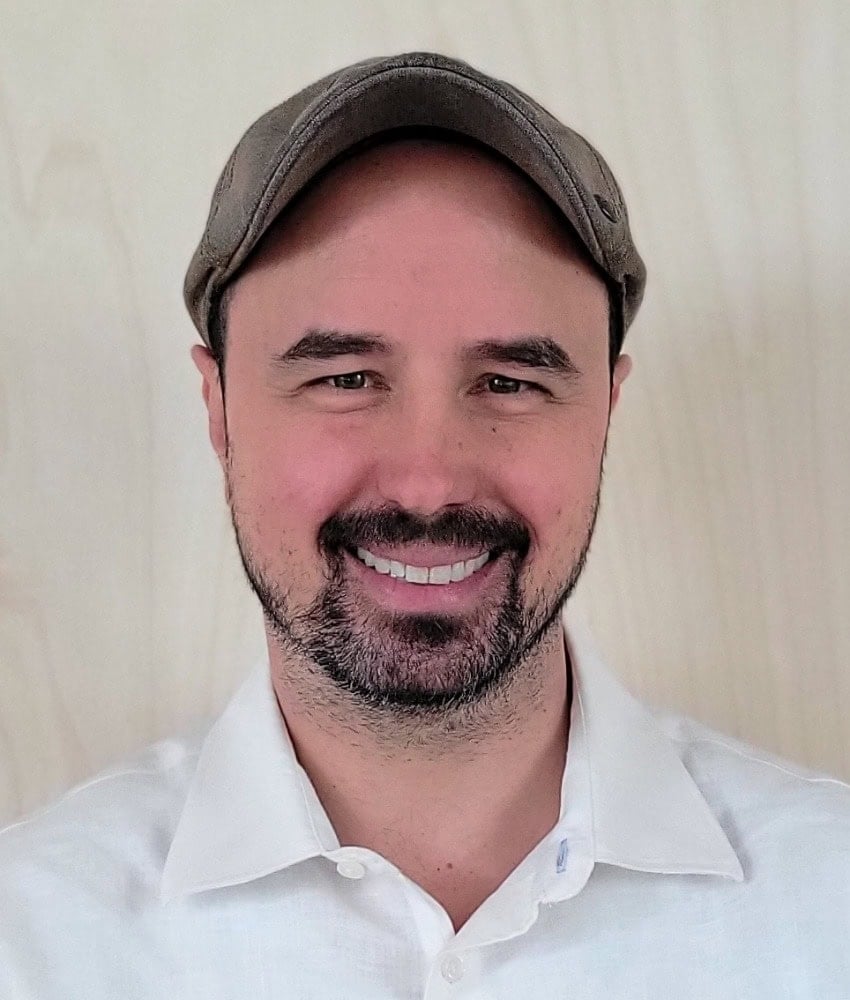
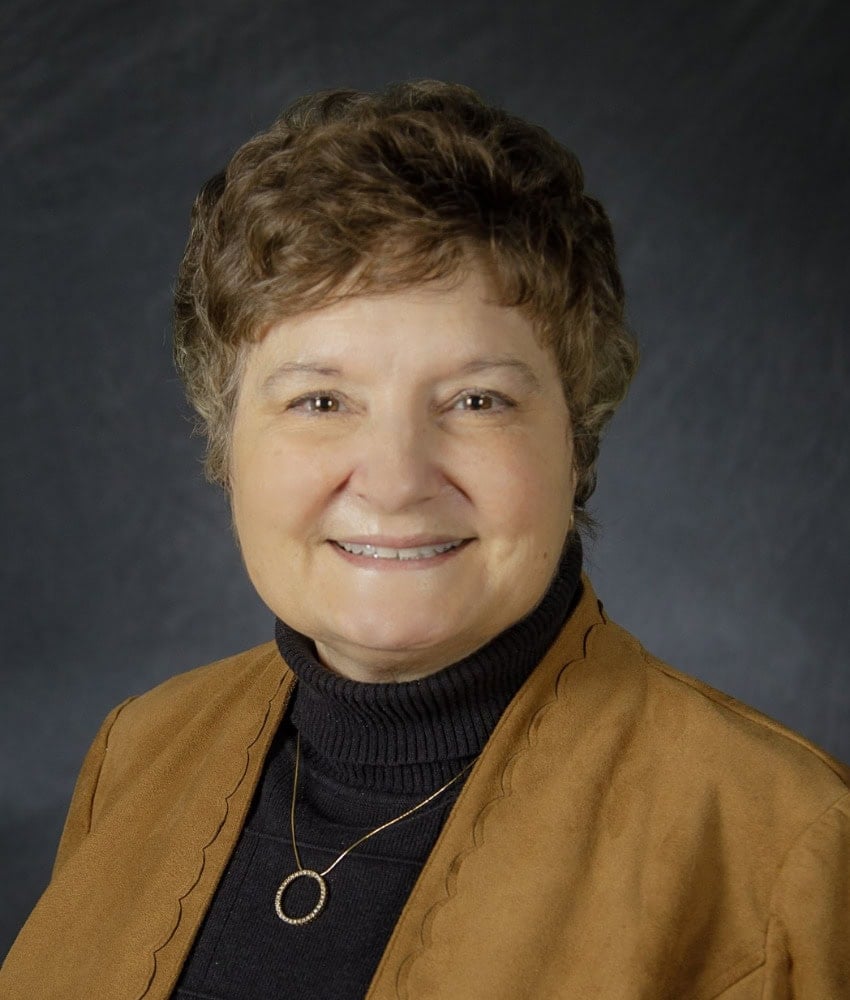
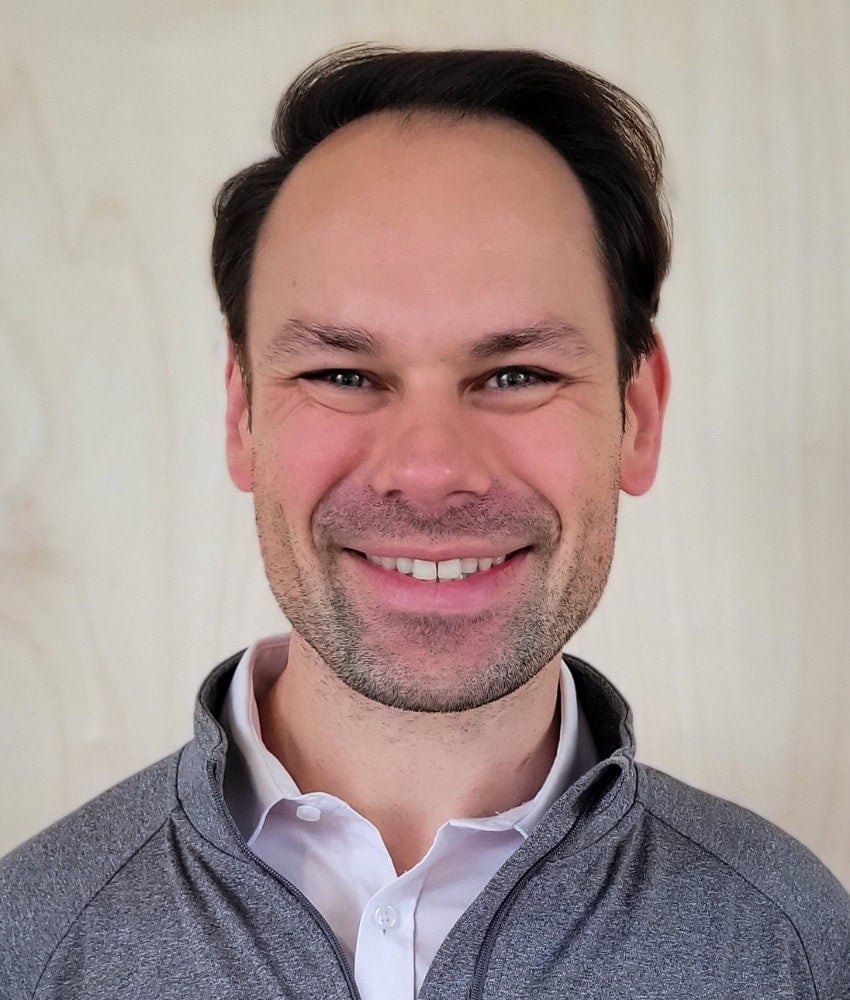
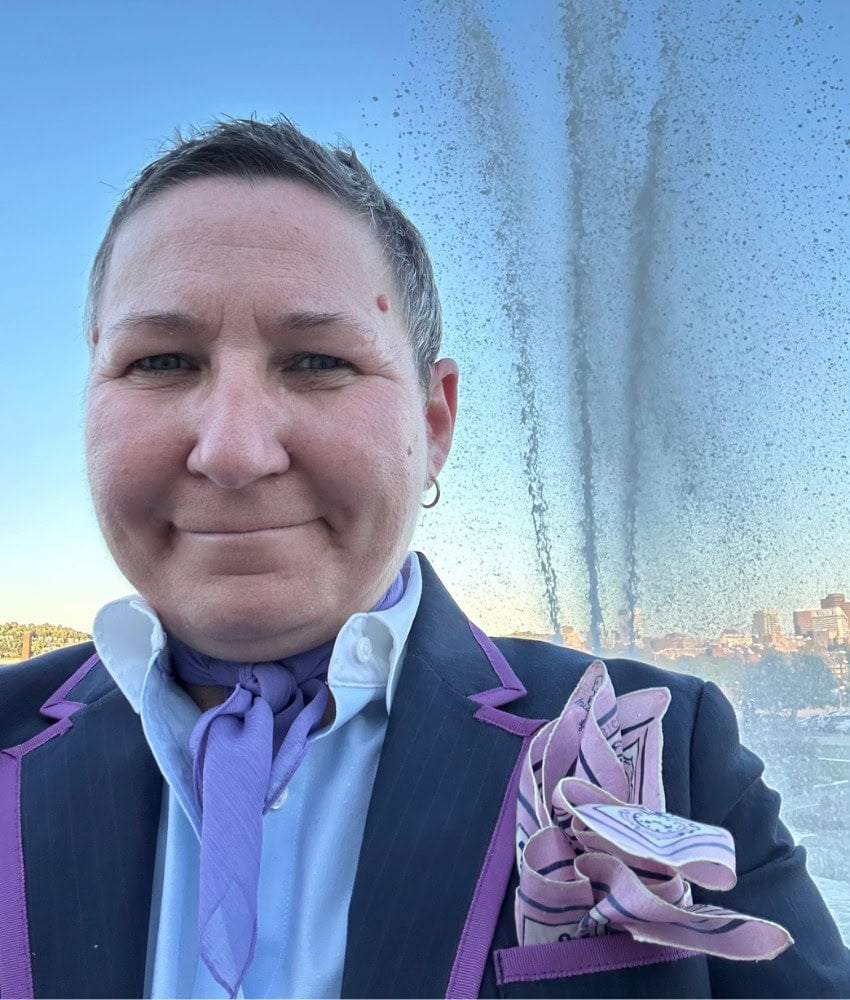
Adrienne Wiley

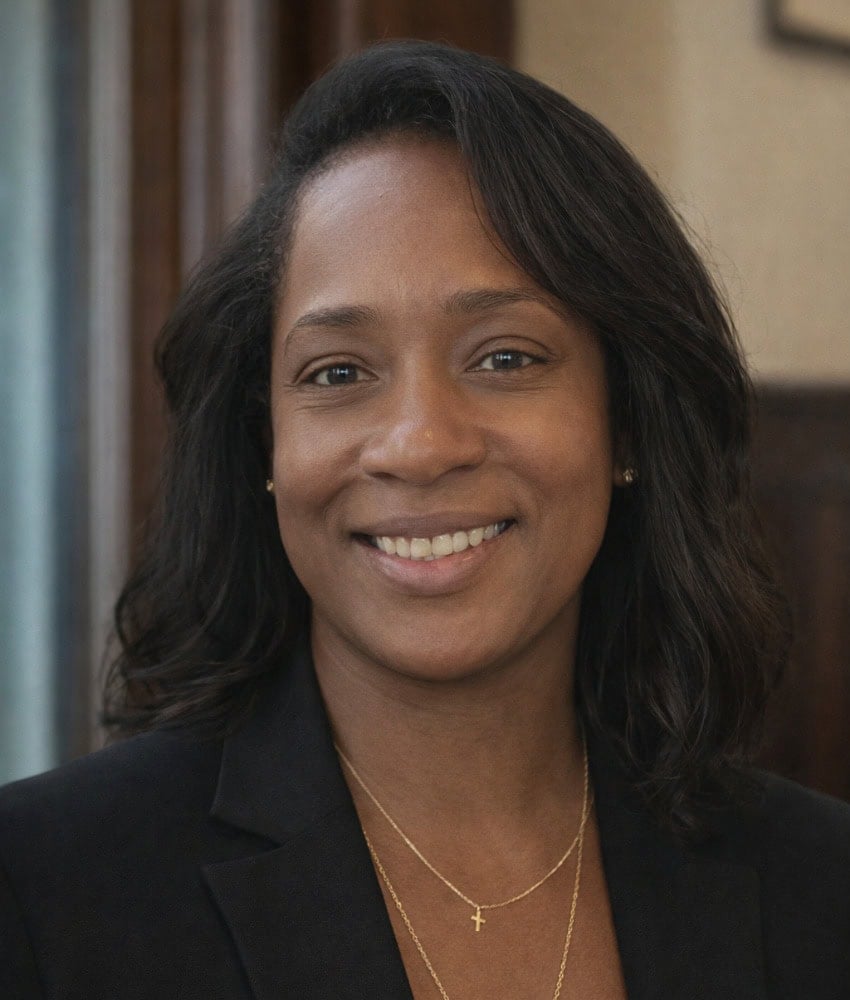
Adrienne Wiley is a non-profit executive and community leader based in Cincinnati, Ohio. She serves as Executive Director of the Healing Center, where she leads strategic partnerships that walk alongside individuals and families toward stability, health, and long-term transformation. Adrienne brings experience in systems-level collaboration, financial stewardship, and equity-centered leadership, along with a strong commitment to translating lived community experience into sustainable policy and practice.

Dominic Bley

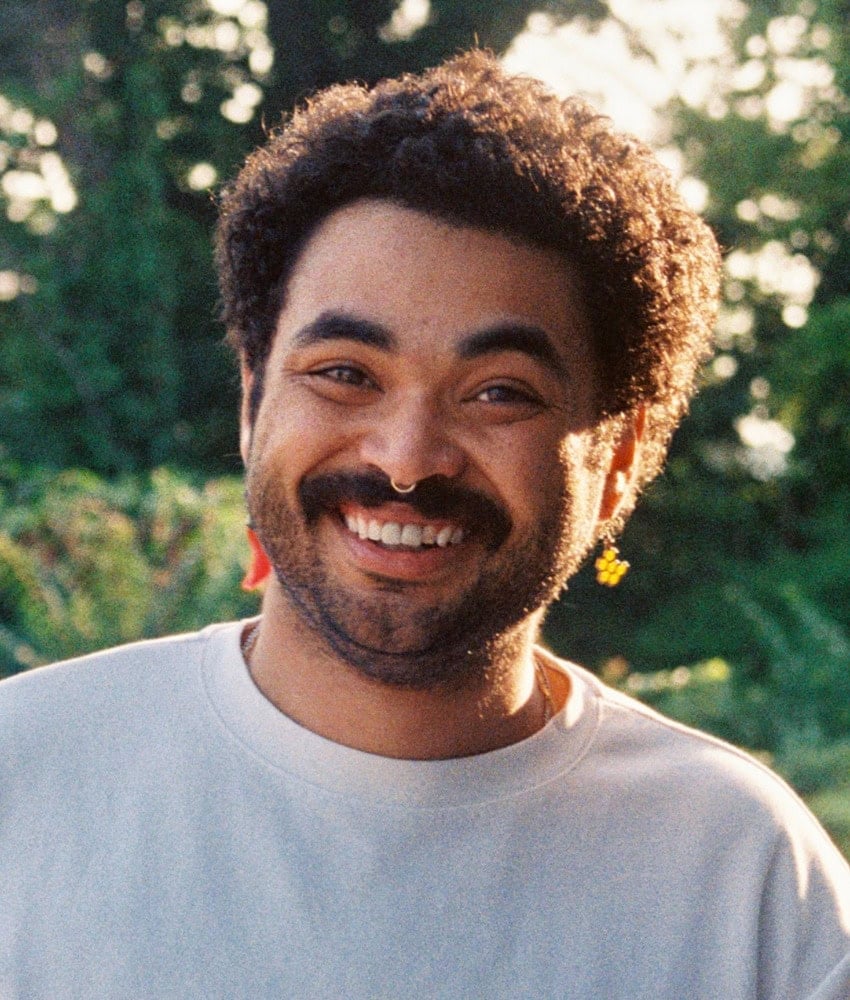
Dominic Bley joins the Council as an education and pedagogy specialist, bringing a perspective rooted in both professional kitchens and community classrooms. With over a decade of culinary experience and a Master’s in Art Education, Dominic currently serves as Head Chef and Director of Education at Garden of Joy, where he focuses on trauma-informed, culturally responsive teaching. He advocates for shifting food from the margins of school curriculum to the center of student learning, believing that effective policy must be built on the lived experiences of communities. Dominic works to bridge the gap between on-the-ground practice and systemic change, ensuring that the voices of young people and families actively shape the future of our region’s food system.

Jared Beckman

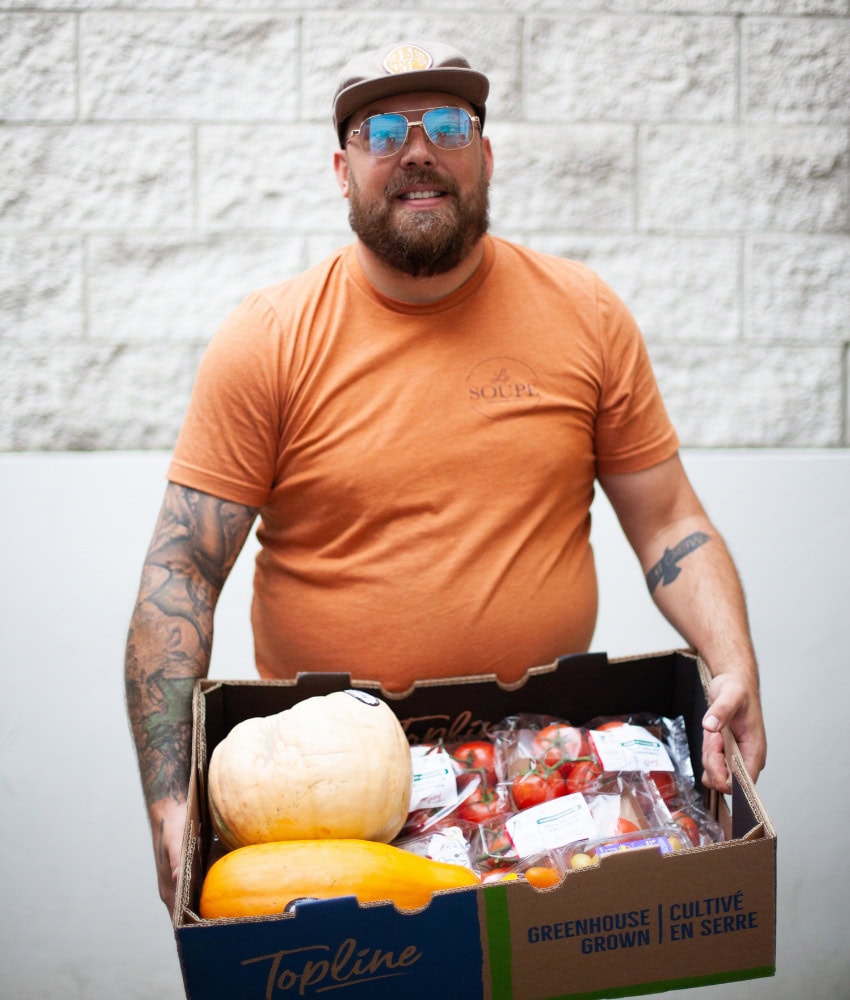
With over 20 years of experience as an Executive Chef in the Greater Cincinnati food and beverage industry, Jared has led high-volume, quality-driven culinary operations, most notably at Procter & Gamble’s Global Headquarters. Beyond the kitchen, he served as a Director at La Soupe, a Cincinnati-based nonprofit in Walnut Hills, overseeing logistics and in-kind food donation receiving to transform surplus food into nutritious meals for food-insecure communities across Cincinnati and into Athens County, Ohio. His leadership is rooted in a lifelong commitment to service, shaped by his involvement in the Boy Scouts and church-based community outreach.

Nate Hale

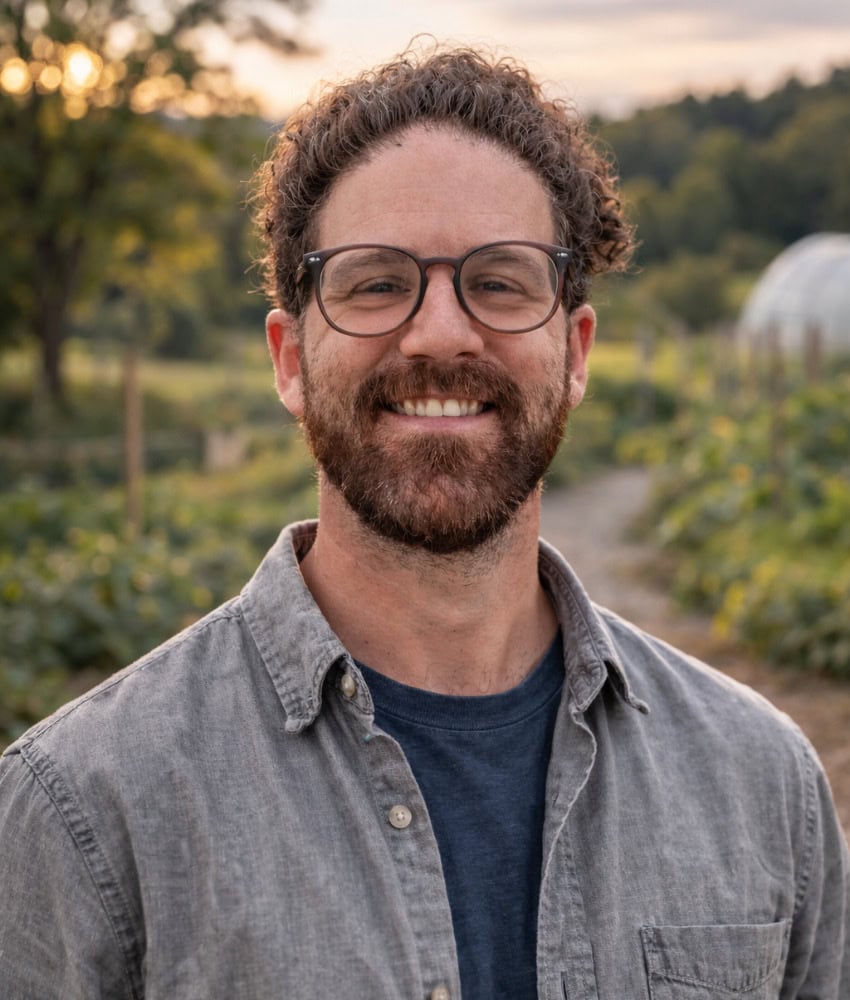
Nate is an agricultural professional working at the intersection of local food systems, soil health, sustainability, and community. He is committed to advancing food policy, food equity, and agricultural literacy in ways that support farmers, engage communities, and create shared experiences that connect and educate people to grow food sustainably.

Nick Bliven

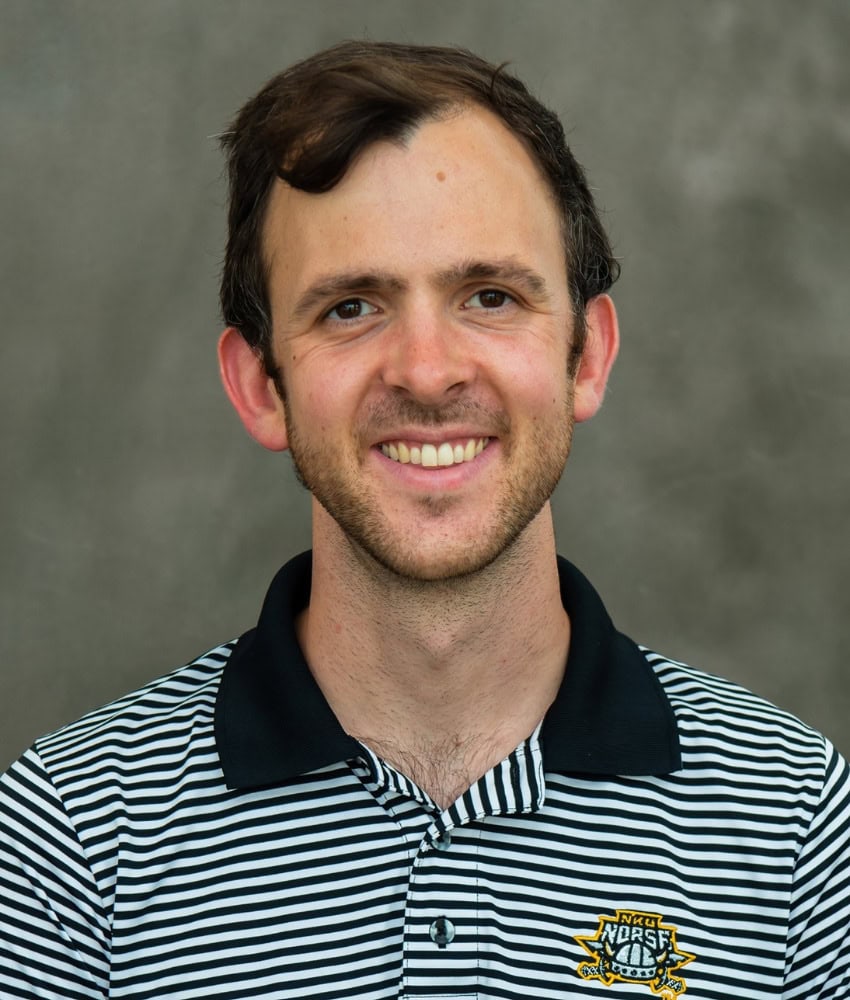
Nick Bliven serves as Program Coordinator for FUEL NKU, the campus food pantry at Northern Kentucky University. Originally from Louisville, Kentucky, his early volunteer work with the Boy Scouts and Dare to Care Food Bank shaped his commitment for supporting his community. After moving to the area to attend NKU, he has remained deeply engaged in the region. Nick is passionate about advancing food access and education initiatives.

Nicole Gunderman

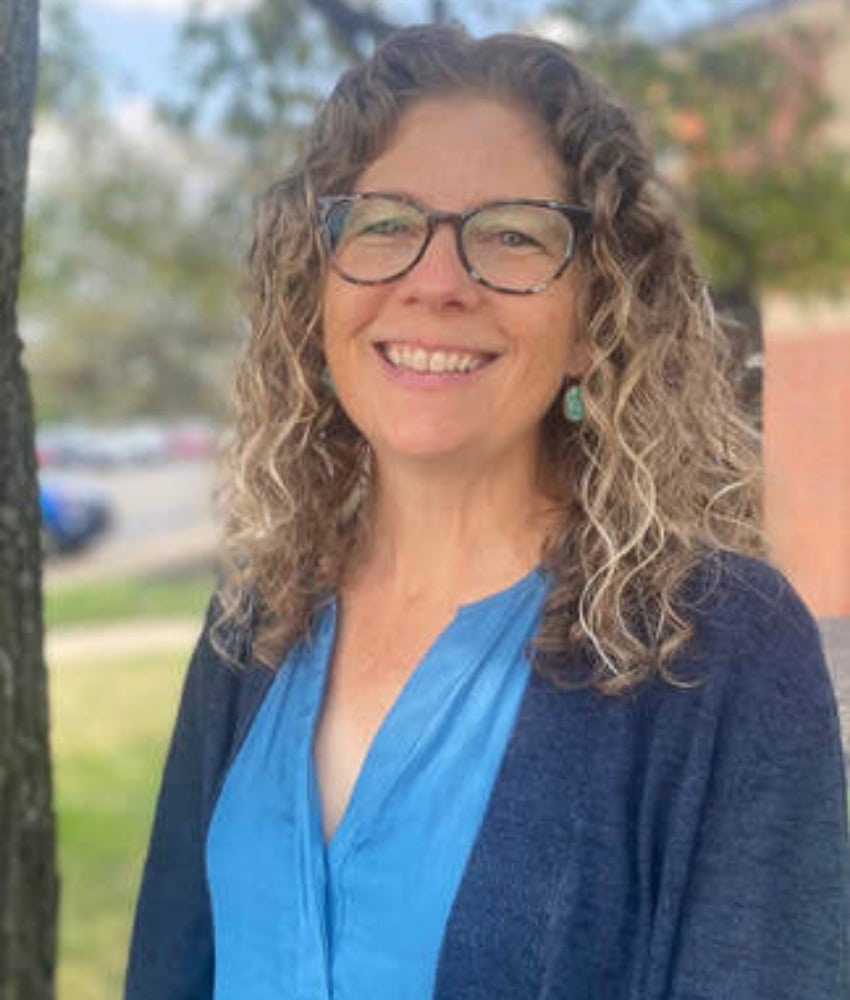
Nicole works to connect farmers and gardeners to resources, opportunities, and each other in order to cultivate a resilient, equitable, and conservation-focused agricultural community in Hamilton County. Previous to joining the Conservation District, Nicole was at Gorman Heritage Farm for 10 years, most recently serving as Executive Director. Her experience there contributed to her deep love of farms and a commitment to food production methods that are good for people and the environment. Nicole earned her BA from The Ohio State University and an MA Biology from Miami University with an emphasis on regenerative agriculture and farm-based education.

Possum Strous

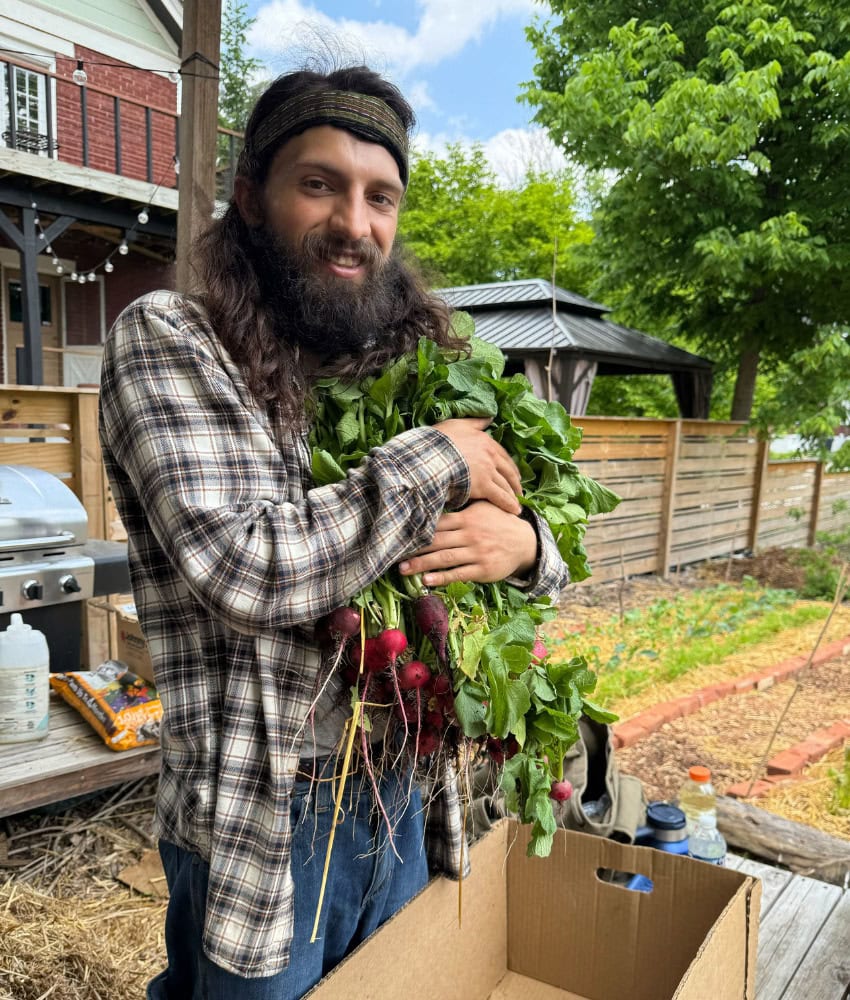
Possum works to promote food sovereignty within Walnut Hills. Stewarding several community gardens and food forests, spaces for anyone wishing to grow and learn. They collaborate with local gardens and neighbors, sharing resources and creating food-centered community events. Possum envisions a future where hunger is solved by a community built on food grown in our front yard.

Rachel Powers

Rachel Powers is the producer of the CORV Local Food Guide. Her background spans healthcare, nutrition, and culinary work, shaping her understanding of how access to nourishing food impacts both health outcomes and communities. She is passionate about supporting local farmers and cultivating a more sustainable, resilient, community-centered food system through education and resource sharing. In her free time, Rachel enjoys gardening, cooking, and rock climbing.

Rosa Christophel

Rosa Christophel is the Executive Director of HomeBase Cincinnati, where she is leading efforts to strengthen neighborhood-based community development, leadership, and equitable investment. As a former local vegetable farmworker and trained as an applied cultural anthropologist, she brings a multi-cultural, research-based background in local farm & food systems, food sovereignty & justice, grounding advocacy conversations in both lived experience and systems thinking. Known for her curiosity and collaborative approach, Rosa believes strong food systems and strong neighborhoods are deeply connected. She is also a recovering regional economic development data nerd who still believes good data should serve people first.

Sable Bender

Sable is guided by a belief that thriving communities are rooted in care—for land, food, and people. She is a lifelong naturalist and community steward. As founder of WESTIL, she brings global experience across agriculture, sustainability, and engineering-driven sectors, applying a systems-oriented perspective to her work. Outside of professional life, she is often gardening, reading, traveling, with her crew of critters, or on the pitch with the Cincinnati Kelts Women’s Rugby Football Club. She also founded the Best Side Neighborhood Coalition, where she works to amplify and expand initiatives on Cincinnati’s West Side.

Taylor Newman

Taylor is an advocate for equitable access to healthful, affordable food for all. A registered dietitian, she previously served as Director of Nutrition at Kroger where she led efforts to integrate nutrition across more than 2,800 stores and the Kroger website and app. Her work focused on supporting balanced eating patterns, addressing diet-related disease, and advocating for improved access to expert nutrition care, drawing on her background in nutrition policy and program development. Prior to Kroger, Taylor taught nutrition at Mercer University and conducted research on produce prescription programs. She is a food gleaning volunteer for Society of St. Andrew.

Celebrate Our Returning Council Members

Emalee Richman – Steering Committee

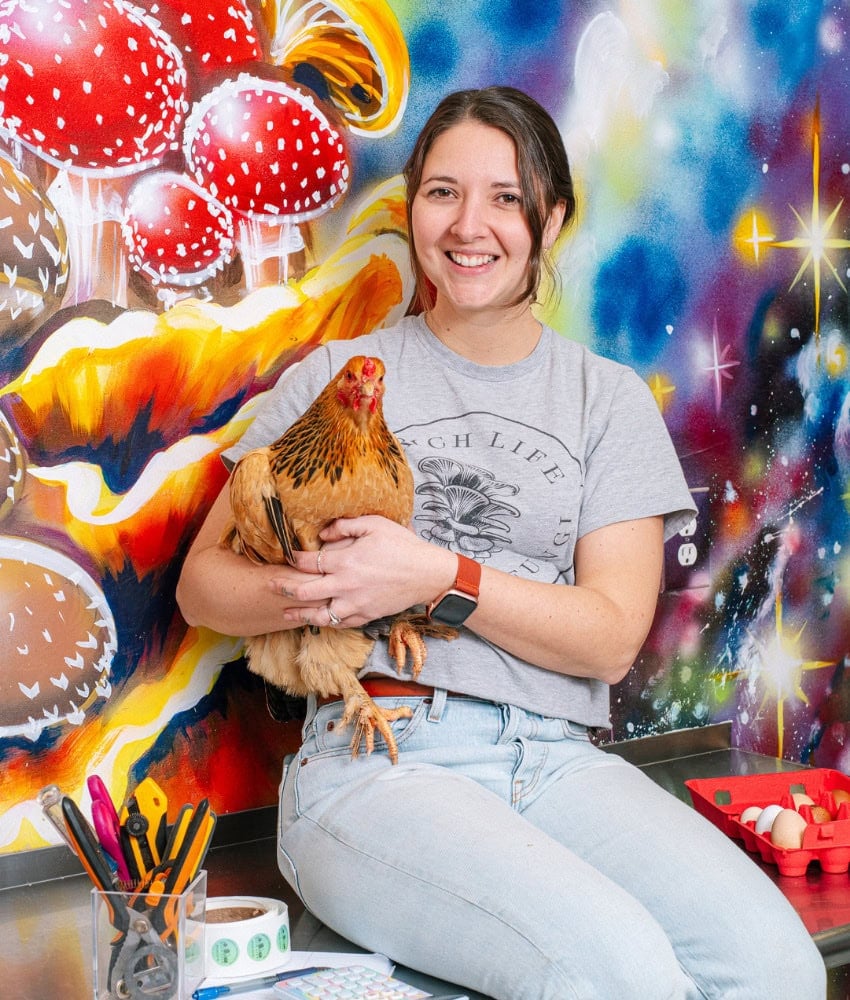
At Rich Life Farm, we cultivate gourmet mushrooms year-round in a controlled environment. We work directly with local restaurants, retail markets and consumers. My work as a Council Member on the Food Policy Council aligns well with my work in my farm business, serving shared goals to increase access to local, nutritious food, bringing awareness to small-scale farms and to support regional food systems infrastructure. Advocating alongside other members is empowering, and I’m excited to see the impact on local communities.

Fran Knox-Kazimierczuk – Consulting Member

Fran has collaborated with community activists and agencies focused on developing a just food ecosystem. In addition, she worked as a dietitian, developing nutrition education programs for over two decades in Cincinnati. She believes in accessible, equitable, and sustainable food systems for all families.

Gary Beatty – Consulting Member

Gary is a lifelong foodie with years of experience in the culinary and farm industries. While selling farms and farmland, he witnessed firsthand many issues present to local growers. Gary founded Inland Shrimp Company and presently serves as its Chief Shrimping Officer. He plans to become the region’s largest domestic seafood producer and aims to use his passion for sustainability, local food production, and alternative energy to help and serve the community.

Joy Kostansek – Policy, Education, and Advocacy Committee

Joy is a passionate advocate in the community development and food systems fields. She is the Manager of Economic Initiatives at the Ohio CDC Association where she supports organizations doing small business and individual asset development across the state. Joy’s background is rooted in the food system, including food pantry management, farm to institution, and sustainable agriculture. She earned her BA and MA in Sociology from Ohio University, and completed her Masters of Public Administration from the University of Cincinnati in 2024.

Kimberly Jacobs – Steering Committee

Kimberly Jacobs helped found the East Walnut Hills Farmers’ Market, established in 2022 in a Cincinnati neighborhood with limited food access. She worked with the Ohio Council on Aging to qualify the market to accept Senior Farmers Market Nutrition coupons to obtain locally grown, fresh produce. Kimberly has attended multiple UN COP environmental conferences as a League of Women Voters delegate, focusing on food systems and their role as both a cause and effect of climate crisis.

Michelle Merrett – Consulting Member

Michelle is a Community Food Advocate and serves as Board Chair for Hamilton Urban Garden Systems (HUGS), which operates a community garden that grows produce organically and donates to local food pantries, community meal centers, and residents. Michelle is a huge proponent of equity and access for fresh produce in underserved communities. She also aspires to educate youth on the benefits of healthy eating and sustainability.

Mark Mitchell

Mark Mitchell is an educator and researcher at Xavier University and a cofounder of intersect Agriculture, a startup that produces sustainable animal feed and soil amendments. Mark’s background is in soils, plant science, and sustainable land use. Marks goals for the Food Policy Council involve access for farmers to clean water and better food waste management systems. He is a food producer and environmental scientist who believes a resilient regional food system demonstrates efficiency in production, transportation, and waste usage within the food system.

Polly Campbell – Steering Committee

Polly wrote articles, storytelling elements of the local food system, for years at Cincinnati Enquirer. She sees the fundamental importance of a cohesive, area-wide approach that supports and connects the people and projects working to build a food system that is an alternative to the mainstream industrial agriculture approach. She advocates for a food system that produces locally-raised food that is healthy.

R. Alan Wight – Consulting Member

Alan is a visionary educator, connector, and food systems leader whose groundbreaking work is redefining how communities engage with sustainability, storytelling, and place. As the creator and lead author of Cincinnati’s Foodshed: An Art Atlas, Alan spent over five years building a one-of-a-kind, multimedia chronicle of the Greater Cincinnati food system.

Rosie Allen

Rosie Allen recently retired as an Area Educator with the University of Kentucky Cooperative Extension Service. She supervised Nutrition Assistants in 13 Kentucky counties who taught people how to prepare nutritious foods while stretching food dollars. Her philosophy on building community relationships is, “Each one, reach one.” Visit PlanEatMove.com to learn more about the Kentucky Nutrition Education Program.

Tony Staubach – Steering Committee

Tony is passionate about limiting food waste by supporting food rescue and compost organizations. He is a founding member of the Greater Cincinnati Regional Food Policy Council. To Tony, a resilient regional food system will help everyone thrive.

Tracy Wilking – Policy, Education, and Advocacy Committee

Tracy’s career has progressed from ensuring people had something to eat, to caring about the nutritional quality of what they were eating, to later seeking policy and system changes within schools and early learning centers. She has worked throughout the country. Currently, she oversees the Heldman Family Food Pantry for Jewish Family Service of the Cincinnati Area.

How You Can Get Involved!

In 2026 we are excited to introduce some newly evolved “spaces” to get activated in the Council’s work. 

Our Food Policy Council will meet in person Quarterly to serve as advisors and representatives of their communities, and virtually as needed in between. They will be sharing challenges, best practices, and resources across our region’s food system. Another goal will be to coordinate and collaborate to implement action through our other spaces. 

Our Policy, Education, and Advocacy Committee will meet Bi-Monthly to research and analyze policy, craft advocacy campaigns, and organize around community engagement and education. This group will be led by members from the Council and will work to refine actions under our four policy pillars: Farms & Land Use, Access & Education, Infrastructure, and Institutions. If you are interested in contributing to this space, please sign up here! We will keep signups moving forward for this committee, but we are starting with a strong core group of committed folks.

OurNourish Network is a quarterly convening of folks working in our regional food system to share ideas with our broader network, make connections, facilitate discussions, and provide networking opportunities. We hope these mini-events can serve as a fun and engaging space to celebrate our food system! If you are a venue, farm, or food business interested in hosting a Nourish Network – email rosa@greenumbrella.org.


Additional Resources

  • FPC 2026 Council Member PDF

Filed Under: Food Policy Council

Reimagining Waste: Reflections from the 2025 Wasted Food Summit

November 12, 2025 by Rosa Baker

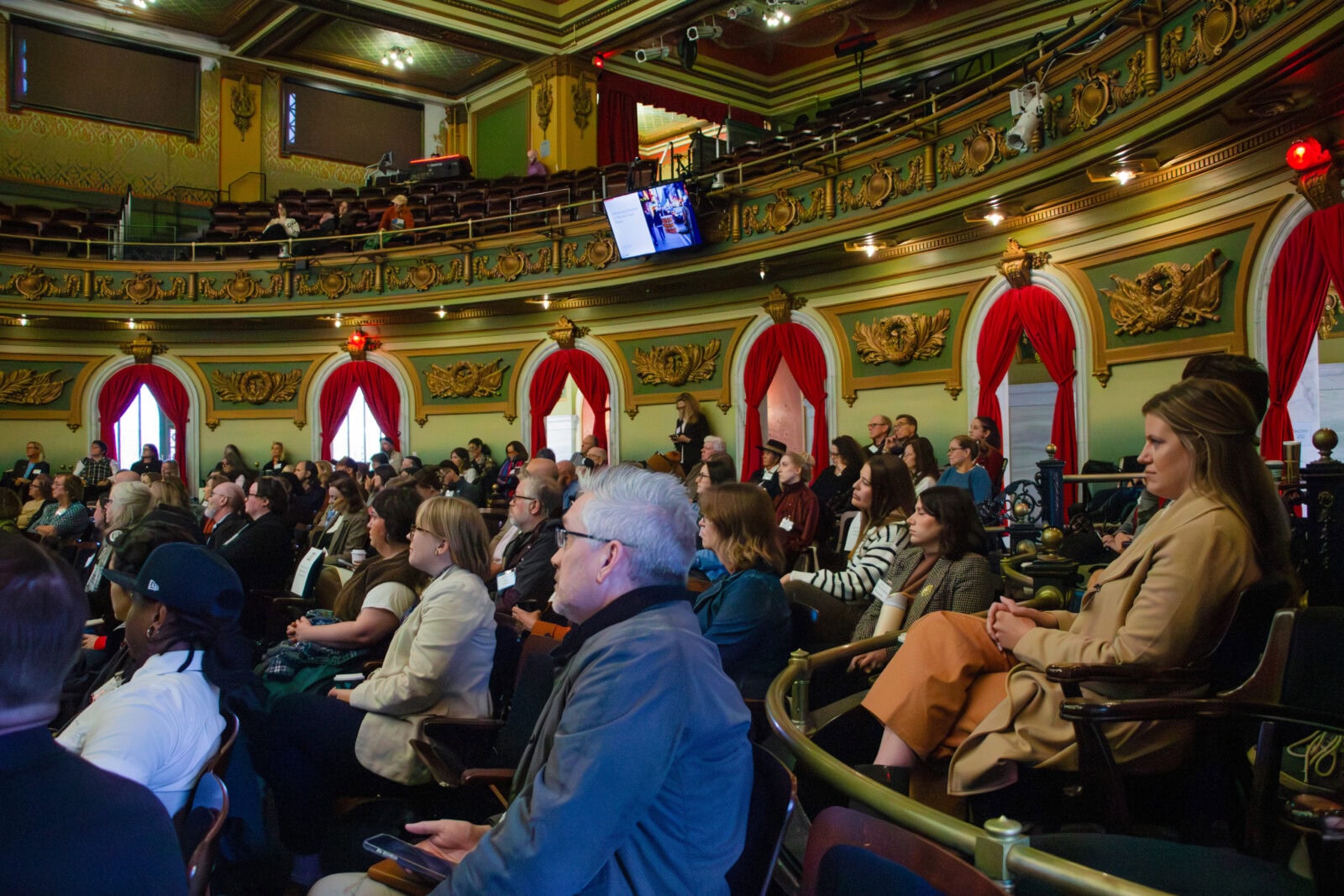
On October 29, 2025, more than 190 advocates, business leaders, policymakers, chefs, and changemakers gathered for the Wasted Food Summit. Attendees representing dozens of organizations dedicated the day to connecting, learning, and inspiring action across Greater Cincinnati’s food system. The day highlighted not only the challenges of food waste but also the growing momentum toward solutions that nourish both people and the planet, such as food rescue.

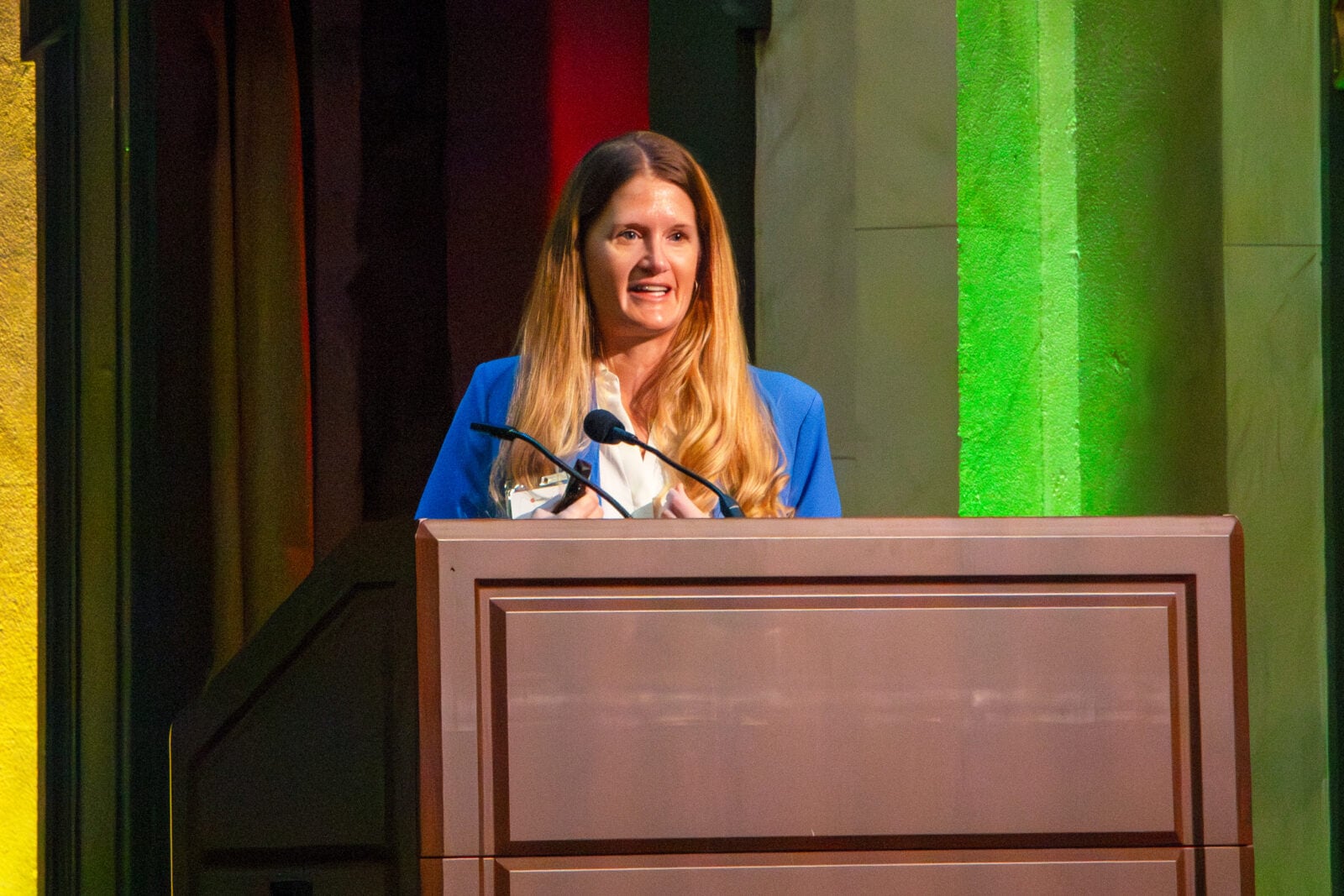
Fueled by donated coffee from Deeper Roots Coffee, the morning opened with a warm welcome from Ryan Mooney-Bullock, Executive Director of Green Umbrella, who grounded the day in the organization’s long-standing work to strengthen the region’s food system, through programs such as the Greater Cincinnati Regional Food Policy Council and the Common Orchard Project. She reminded us that tackling food waste is a critical piece of a larger puzzle. One that connects climate resilience, hunger relief, and community well-being.

Hamilton County Commissioner Denise Driehaus followed with an address that brought policy and equity to the forefront. Acknowledging recent disruptions in SNAP benefits, she shared how county leaders are working tirelessly to fill those gaps. This includes a recent $222,000 reallocation of ARPA funds to the Freestore Foodbank to meet increasing demand. Her message was clear: combating food waste is not just about saving resources; it’s about ensuring that every family has access to fresh, healthy food.

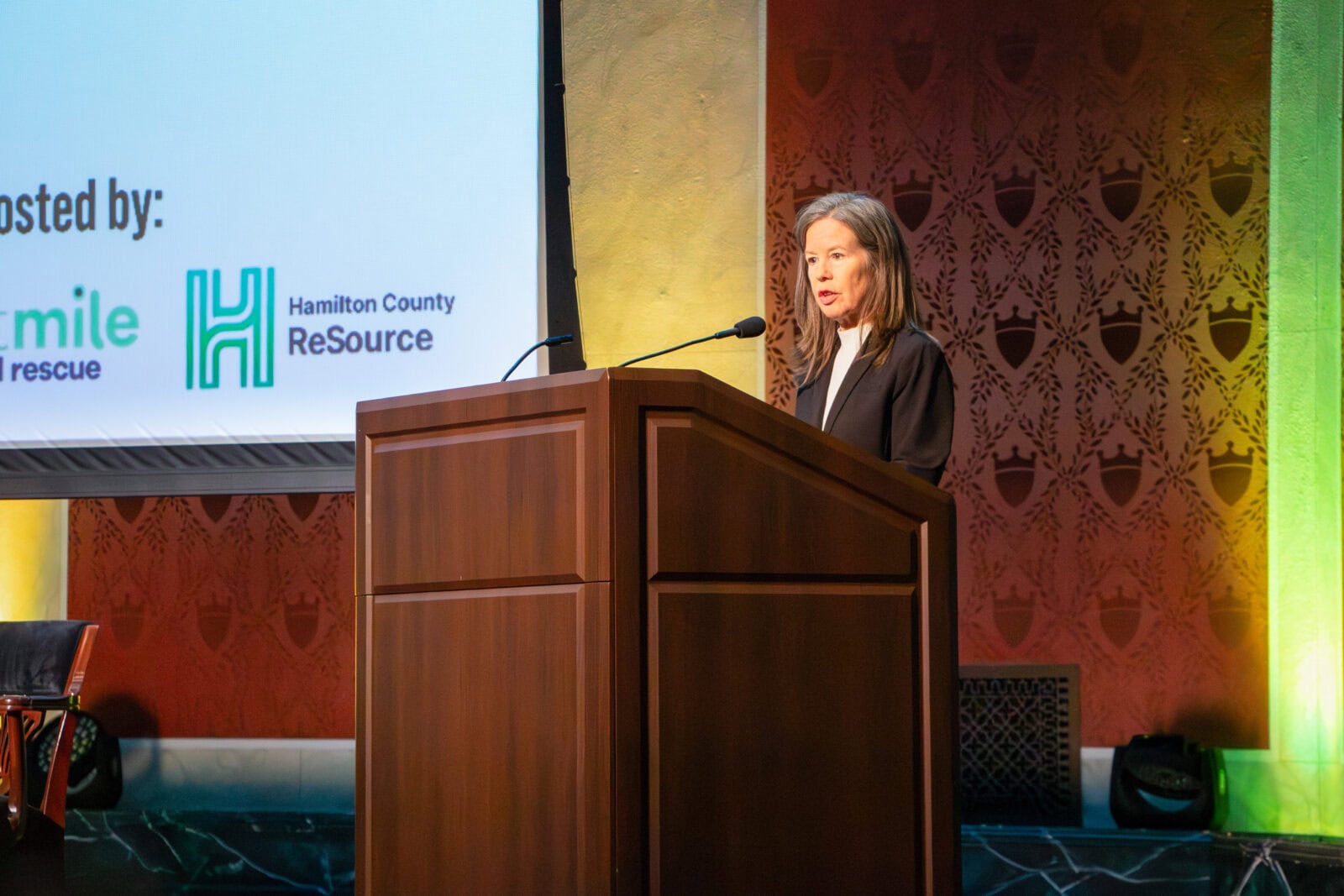
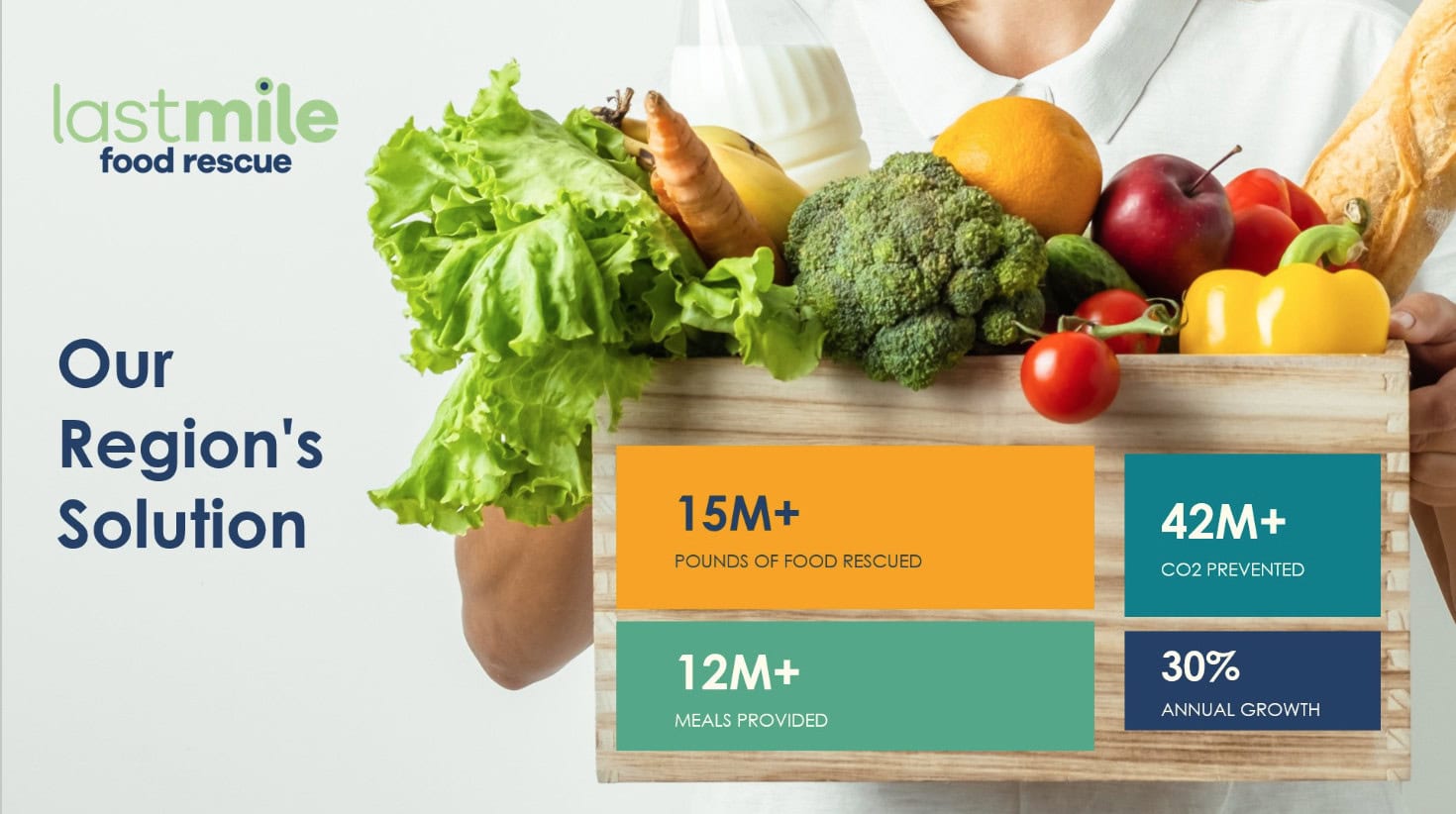
CEO of Last Mile Food Rescue Eileen Budo provided an informative overview of the day and dove into the impactful work of Last Mile as a growing food rescue organization. While Hamilton County wastes approximately 130,000 tons of food annually, 1 in 5 continues to go hungry in our region. Budo states the solution to both of these issues with clarity and passion: let’s rescue it! Every pound of food rescued is about 2 lbs of CO2 prevented and 1 meal provided to a person in need. By combining a tech platform to manage volunteer logistics, mobile markets for distribution to food deserts, and prepared repack products to nonprofit pantry partners, Last Mile Food Rescue has saved more than 15 million pounds of food from the landfill and provided over 12 million meals to those in need, since its inception in 2020. Budo proudly shares that they are driving the last mile, making it easier for every food donor to deliver hope instead of waste.

Morning Keynote: Seeing the Big Picture

The morning keynote from Sara Burnett, Executive Director of ReFED, delivered a compelling data-driven overview of the national and state of Ohio landscape of wasted food. Her presentation made one thing undeniable. Food waste is simultaneously a climate, a social, and an economic issue. In 2023 alone, $382 billion worth of surplus food was generated in the U.S. – a staggering 31% of the total food supply.

Burnett introduced the ReFED Insights Engine, an interactive tool where anyone can explore data, track progress, and visualize the impact of their own food waste reduction efforts, whether you are a business or an individual. Her message encouraged organizations to build internal capacity through employee engagement, supply chain collaboration, and solution-provider partnerships. All while advocating for systemwide policy and repurposing culture to make food waste reduction sustainable in the long term.

The Morning Plenary: Opportunities and Challenges of Food Donations

The morning plenary discussion spotlighted the realities of food rescue, from logistical hurdles to inspiring success stories. The panelists, including both public and private sector voices, brought humor, honesty, and hope to the conversation. They emphasized that food rescue isn’t just possible, it’s powerful when put into action. Valerie Berner shared United Dairy Farmers’ remarkable achievement as the only major convenience chain donating all edible food waste to food rescue efforts. Eric Hyden’s down to earth insights as Chef turned Food Rescue Hero brought levity and a peek behind the scenes at Last Mile Food Rescue. Finally, Mike Haunert, a retired long time executive of Sysco, brought a practical perspective of the challenges a larger business may navigate as they begin to donate food. Together, they illustrated that not only is food rescue a possible and scalable solution, but that it’s impactful to the bottom line for businesses as well.

Lunch: A Full-Circle Meal

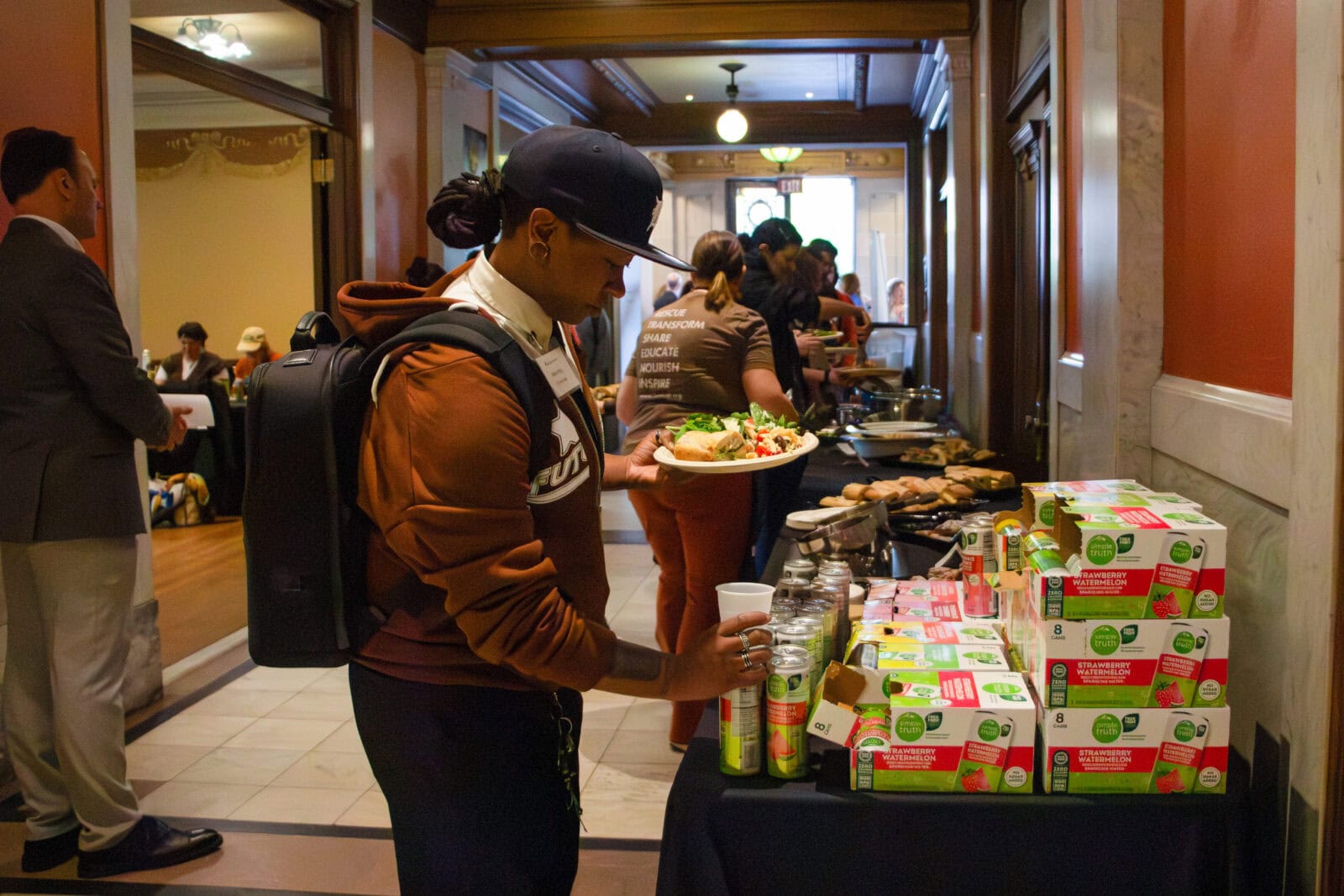
Lunch, appropriately, was a celebration of rescued food. La Soupe transformed surplus ingredients into a delicious meal featuring fresh salads, vegetarian and turkey wraps, and pastries. With support from Queen City Commons and Hamilton County ReSource, even the final scraps were composted; a perfect embodiment of the day’s mission.

Afternoon Breakouts: From Intention to Action

Two sector-focused breakout sessions were offered during lunch. One with a focus on businesses interested in food rescue and one with a focus on individual advocates’ roles in reducing food waste and supporting food rescue as a solution.

Your Voice Your Impact: Preventing Food Waste Together

In the individual advocates session, panelists discussed how aligning personal values with daily habits can spark collective change. The main takeaway was understanding your own relationship to food and waste is the first step to inspiring your neighbors and swaying decision makers!

Five things you can do as an advocate: 

  • Start at home by planning meals around what you already have, freezing leftovers and embracing cooking with scraps (first be the change you want to see)
  • Share a meal (or surplus) with your community and bring takeaway containers for leftovers
  • Volunteer with a pantry or soup kitchen
  • Help reframe “expired” food to reduce stigma for families in need and uphold dignity in food rescue and pantries
  • Advocate for food rescue by using your vote, both through civic engagement and economically

From Surplus to Strategy: The Business Case for Food Donation

Tony Staubach, from Hamilton County ReSource, led a robust panel of experts on supporting businesses in donating food. Food donation is a powerful, protected, and practical solution for reducing waste and fighting hunger. With the Bill Emerson Good Samaritan Act safeguarding donors, businesses can confidently redirect surplus food to communities in need. This helps businesses by lowering disposal costs, earning tax benefits, and strengthening performance. Leaders like Kroger, La Soupe, and the Ohio Department of Health are demonstrating how collaboration turns surplus into sustenance, proving that well-managed, wholesome food can nourish people instead of landfills. The systems and partnerships already exist, the opportunity now is to scale them.

Five things Businesses can do to lead in the expansion of food donation: 

  • Leverage Legal Protection: Use the Bill Emerson Good Samaritan Act to confidently donate safe surplus food without liability concerns.
  • Maximize Business Value: Reduce waste disposal costs, gain tax incentives, and enhance brand reputation through consistent food donation.
  • Adopt Proven Models: Replicate chef-driven and collaborative models like La Soupe’s to turn surplus ingredients into nutritious meals.
  • Strengthen Partnerships: Coordinate with statewide and corporate partners such as Kroger and health agencies to expand food rescue networks.
  • Track and Share Impact: Measure success by both meal counts and food weight to demonstrate tangible progress in reducing hunger and waste.

Afternoon Keynote: From Scarcity to Stewardship

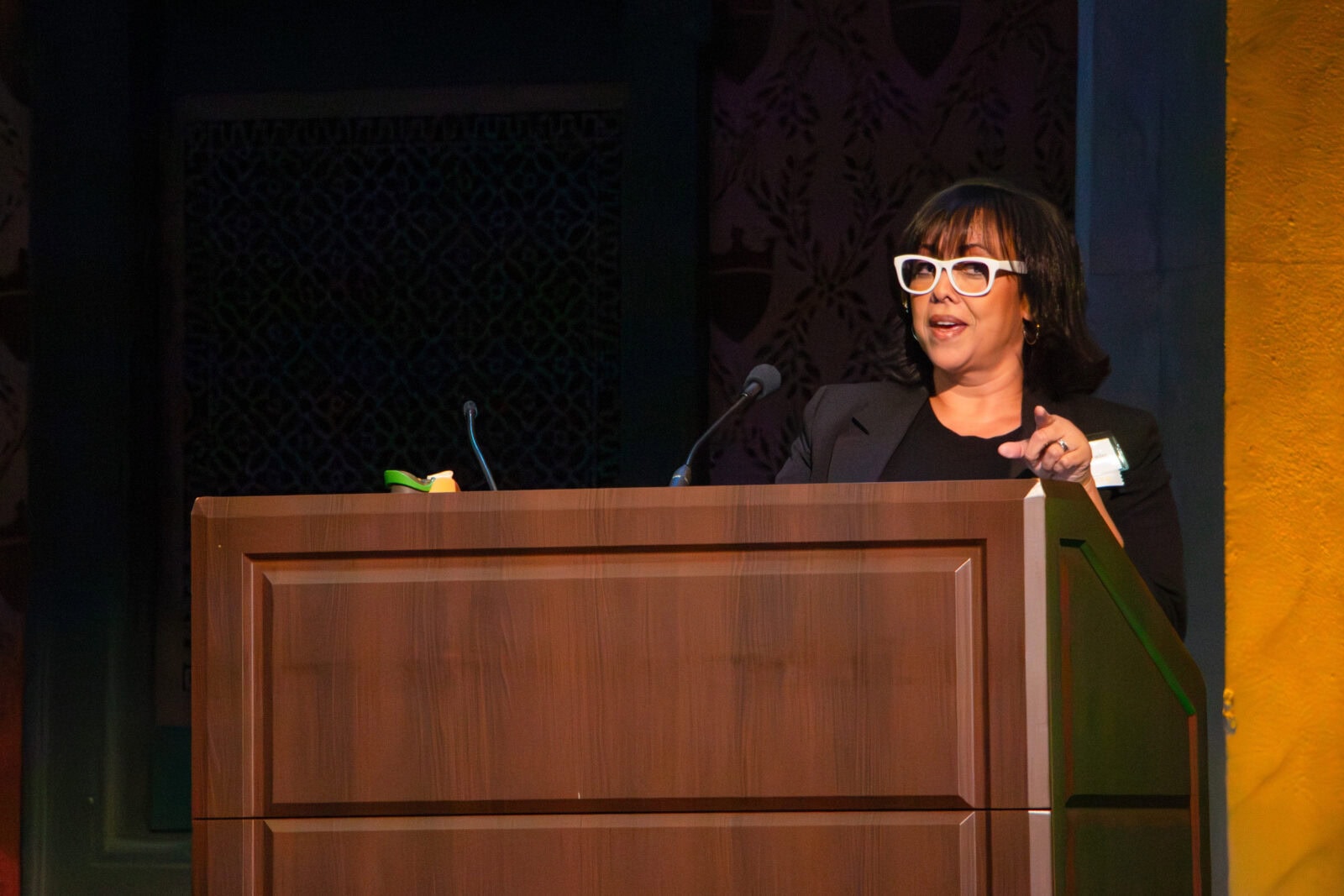
The day wrapped with a deeply personal and inspiring keynote from Chef Alejandra Schrader, author, activist, and advocate for “Food is Medicine.” Drawing from her own story, she illustrated how we can all transform scarcity into stewardship through mindful cooking and creative reuse.

Chef Alejandra shared inventive ways to use every part of the plant, from beet greens pesto to plantain-skin pasta, and emphasized that residential households are responsible for 35% of all U.S. food waste, primarily fresh produce (43.7%). Her talk closed with a call to action:

“Educate yourself and others. Contact your representatives. Attend community forums. Join advocacy coalitions. Share your story. Amplify the movement.”

To explore some of Chef Alejandra’s recipes, check out her recipe page or buy her Low-Carbon Cookbook. One of my favorites is her fresh and bright take on Falafel with a lemon-tahini sauce.

A Day of Hope and Action

The 2025 Wasted Food Summit, organized through a partnership between Green Umbrella, Last Mile Food Rescue, and Hamilton County ReSource, showcased what’s possible when a region comes together to tackle one of the most solvable climate and equity challenges of our time.

As we left inspired (and maybe a bit more mindful of the fuzzy strawberries in our fridges), the message was clear. Systemwide problems require systemwide action, but it starts with each of us making simple, intentional change.

Explore More Resources

  • ReFED Insights Engine: Dive into national and state data, explore solutions, and measure your impact.
  • Chef Alejandra Schrader’s Website: Learn more about her work and her book From Scarcity to Stewardship.
  • Apps to help reduce food waste: Too Good to Go, Karma, Flashfood, FoodForAll, Olio, NoWaste, Kitche, Food Rescue Hero, FoodCloud, Last Mile Food Rescue
  • WWF Resources: WWF Food Waste program, WWF Food Waste Warriors school program, WWF Hotel Kitchen

Funding for the Wasted Food Summit is generously provided by Sustainable Agriculture Research and Education (SARE). For questions or partnership opportunities, contact Charlie Gonzalez at charlie@greenumbrella.org.

Filed Under: Food Policy Council

Food Assistance Is Diminishing. Here’s How Our Community Can Respond.

November 10, 2025 by Rosa Baker

Contributors: Rosa Baker, Robin Henderson, R. Alan Wight, Alexandra Gonzales, Jasmine Robinson

As the federal government engaged in the longest shutdown in history and Congress remained without a new budget, Supplemental Nutrition Assistance Program (SNAP) benefits have not been distributed in November. This means thousands of people across Ohio, Kentucky, and Indiana are losing access to critical food support, even as need continues to rise. As the Trump administration also battles federal judges’ orders to at least issue partial payment, it’s not expected to be enough and will still be delayed in hitting participants’ SNAP cards.

What Is SNAP and How Does It Work?

The Supplemental Nutrition Assistance Program (SNAP) — formerly known as food stamps — is the nation’s largest anti-hunger program, providing grocery assistance to about 1 in 8 Americans. Created in 1964, SNAP helps low-income individuals and families afford nutritious food by supplementing their grocery budgets. Benefits are distributed monthly through an Electronic Benefits Transfer (EBT) card, which works like a debit card at participating grocery stores and markets. Funds can be used for food and seeds or plants to grow food, but not for hot prepared meals, household supplies, alcohol, or tobacco.

Eligibility is based on household income, size, and expenses, with priority given to families with children, seniors, and people with disabilities. On average, participants receive about $190 per person per month, though benefit levels vary depending on income and living costs. Many SNAP households include someone who works but still struggles to meet basic needs. Because the program directly reduces food insecurity, interruptions to SNAP — like the current lapse caused by the federal government shutdown — can have an immediate and devastating impact on millions of Americans, including tens of thousands here in our region.

The Impact on Our Region

Food insecurity is already at crisis levels across our region. According to recent data from the U.S. Department of Agriculture (USDA), and further shared through shutdown updates by WVXU, here’s who relied on SNAP benefits in 2023:

  • Ohio’s 1st Congressional District: 41,000 households (12% of all households)
  • Ohio’s 2nd Congressional District: 44,000 households (14%)
  • Ohio’s 8th Congressional District: 30,000 households (10%)
  • Kentucky’s 4th Congressional District: 28,000 households (9%)
  • Indiana’s 9th Congressional District: 20,000 households (6%)

In Hamilton County alone, residents are losing access to nearly $19 million in food assistance. That loss has affected approximately 96,000 people, including 43,000 children.

Food banks and pantries across Greater Cincinnati are facing immense strain from increased demand and many families face impossible choices between paying bills or putting food on the table.

Find Resources Near You

If you or someone you know needs food support, there are many resources from public institutions available across our region:

  • 513Relief.org
  • Cincinnati & Hamilton County Public Library Food Resources
  • Cincinnati Public Schools (CPS) Food Resources
  • Cincy Freeze & Feed
  • Community Action Agency (CAA)
  • Freestore Foodbank
  • Garden of Joy Resource Guide
  • SAFE Networks November Newsletter
  • United Way Food Resources Map

Produce Perks is also matching remaining SNAP dollars on your card up to $25 at farmers’ markets and $15 at grocery stores.

You Can Help Our Community

Even small acts of generosity can make a big difference right now. It is time to pull together as a community and to activate the change we want to see.

Give Financially or In-Kind

If you are able, please consider donating to a local food pantry or soup kitchen. Monetary gifts go further than ever, but in-kind donations of shelf-stable items, fresh produce, or prepared meal kits are also deeply appreciated.

Host a Food Drive or Care Package Party

Gather your family, friends, or coworkers to assemble meal kits or pantry boxes. Hosting a care package party can be a meaningful and fun way to support your community during this difficult time.

Feed a Neighbor 

If you know someone struggling, reach out. Share a dinner, prepare a freezer meal, or invite neighbors for a block party potluck. Often, the first step is simply checking in and asking how they’re doing or just showing up with a hot meal!

Volunteer Your Time

With SNAP benefits halted, local foodbanks and soup kitchens are experiencing overwhelming demand. Volunteer shifts are critical right now. Your hands and heart can help ensure these vital services continue.

Support Local Businesses Giving Back and Grassroots Efforts

Several local businesses are stepping up to help, including local bookstores who have organized Shutdown Sundays, where profits from every Sunday of the shutdown will be donated to a local pantry. 

Here are some examples:

  • The Bookery is donating to Freestore Foodbank
  • Downbound Books is supporting CAIN (Churches Active in Northside)
  • BookMatters is contributing to Impacting Tomorrow

Local restaurants and bakeries are also offering free meals to families in need. Supporting these businesses helps extend their impact even further. Cincinnati Magazine is updating this running list of local businesses offering additional resources and hot meals.

Learn More

  • What is SNAP and How Does It Work? – WHYY
  • CPS Bringing Food to Families at Home as Hunger Rates Reach All-Time High – Local12
  • Hamilton County Allocates Aid to Freestore Foodbank Amid SNAP Uncertainty – Local12
  • SNAP Ohio: What the Shutdown Means for Families – WLWT

We’re Strong Together

Our community has always shown resilience in the face of hardship and this moment is no different. Whether through a donation, a meal shared, or a few hours volunteered, your compassion will help keep neighbors nourished and hopeful.

If you know of any additional food resources or initiatives not listed here, please reach out to rosa@greenumbrella.org so we can update this guide and keep our network informed.

Together, we can make sure no one in our region goes hungry, even during challenging times.

Filed Under: Food Policy Council

The Impacts of Cincinnati Public Schools’ Commitment to “Good Food”

October 8, 2025 by Krystal Gallagher

Cincinnati Public Schools (CPS) made a groundbreaking commitment to transform its food purchasing practices by adopting the Good Food Purchasing Policy (GFPP) nearly a decade ago. We’re deep-diving into the numbers through an analysis of the impacts of this decision.

– Kristine Cahall-Dosch, Farm to School Consultant

Why Deep Dive into the Numbers? 

CPS is the only institution in Ohio and only 1 of 13 in the US to have formally adopted GFPP. Local purchasing is one of the key values of the policy, which makes CPS fertile ground to evaluate a question that surfaced in a meeting of the Greater Cincinnati Regional Food Policy Council (GRCPC) Institutions Committee: “How does all this actually help our farmers?” 

With that question we realized seeing direct, concrete impacts of institutional purchasing choices needed to be examined. And so, this case study to evaluate the economic impacts of CPS purchasing was born.

Cincinnati Public Schools and GFPP

In 2017, the School Nutrition Program at CPS began its journey of conscious food purchasing by committing to the GFPP. The GCRFPC was a coalition member in a group of advocates who sought to bring GFPP to Cincinnati. The final say in adopting the program was the CPS school board and school nutrition staff with CPS Student Dining Services Director, Jessica Shelly, leading the charge to establish district wide change.

Adoption of this policy requires third party audits of participating organizations based on five core purchasing principles all couched within a context of equity, accountability, and transparency:

  • Local and community-based economies 
  • Environmental sustainability
  • Valued workforce 
  • Animal welfare
  • Community health and nutrition

Put simply, CPS voluntarily enrolled in a program that would review and grade their efforts to purchase food that is produced locally, is environmentally friendly, considers the ethical treatment of employees and animals, meets certain nutritional standards, and comes from businesses that value transparency/equity. The results of this decision required the development of new supplier relationships, endless conversations about shifting needs, constant evaluation to improvement, and an enormous amount of reporting taken on by the CPS Manager of Nutrition, Lauren Marlow. 

Methods

Source: Lobenstein Farm

Public school nutrition programs receive funding from the Department of Defense Fresh Fruits and Vegetables Program and the USDA National School Lunch Program, composed of a formal contract distributor and micropurchasing of $10,000 or less. Sales represented in the case study span a four-year period of purchasing data from fall 2020 to fall 2024 of USDA funded procurement due to  accessibility of detailed records.

What Chefs Want has been the awarded bid recipient of CPS food distribution for 5 years. As part of their contract, What Chefs Want works to secure growers who are not only within a 250 mile radius of CPS, but also meet other components of GFPP guidelines for ethical purchasing. They source from places like Lobenstein Farm, a small family operation 45 minutes away from Cincinnati; Kentucky Fresh Harvest, a sustainable greenhouse operation; and Riehm Produce Farm in Tiffin, Ohio, to name a few. 

Both grains and dairy were self-reported in totals by CPS. Grains are purchased from Klosterman Bakery (4 miles from CPS central offices) and they use Indiana grown grains. Milk is purchased from Reiter Dairy (which sources from farms within 150 miles). Fresh fruits and vegetables, along with value-added products like salsa and yogurt through the What Chefs Want contract, were collected through a combination of line item purchasing reports that were distilled by Green Umbrella staff.

The Impact

CPS purchased from 14 producers within 100 miles, which amounts to a drive from Cincinnati to Lexington or Columbus. Using the GCRFPC Greenhouse Gas Emissions Calculator, it’s estimated that purchases on local produce alone saved 46,079.44 tons CO₂-eq in energy, the equivalent of eliminating nearly 6 homes’ yearly energy use. 

Nearly $34,000 has been spent with Certified Organic produce that goes straight to the school lunch line. 

The case study shows over a 4-year period, CPS’ commitment to values-based purchasing has resulted in $6.9 million dollars spent with farmers and producers in the region.This $6.9 million, spent within a 250 mile radius of Cincinnati, had the potential to generate an additional $3.3 million activity in the Ohio, Kentucky, and Indiana economies.

CPS averages an 18% spend annually on local foods, but during the pandemic, that number spiked to 52% in “a real, honest-to-goodness community effort” to consciously support local businesses that lost sales due to Covid-19, according to CPS Student Dining Services Director Jessica Shelly.

The Advocate They Didn’t Have to Be

These impacts aren’t a result of mandates or requirements.

Adopting GFPP was a completely voluntary action on the part of CPS board members and nutrition staff with the support of a community coalition. They actively chose to become advocates through action for a values-based food system. Certainly, the additional audits and reporting requirements of GFPP aren’t easy, but CPS is investing in our local economy, community, and students’ nutrition. They are mindfully making decisions to use their budget in a way that benefits the larger community.

Consider how you can advocate for change within your organization(s). CPS has pioneered the way in the Cincinnati region and can be a great example to emulate. If you’re interested in learning more about how your organization can improve their purchasing practices, visit the GCRFPC website here.

More Information & Resources 

  • Guidebook for Resilient Regional Food Systems through Your Organization
  • The Center for Good Food Purchasing 
  • Cincinnati Public Schools Student Dining Program
  • Cincinnati Public Schools Adapts Good Food Purchasing Program 
  • Local Food Connection – What Chefs Want
  • Lobenstein Farms 
  • Kentucky Fresh Harvest 
  • Riehm Farm 
  • Green Umbrella Food Policy Council
  • Green Umbrella Food Policy Council: Food Systems Circularity Series

Sources

https://goodfoodpurchasing.org/good-food-values/

https://news.d.umn.edu/articles/expert-alert-economic-impact-shopping-local

Filed Under: Food Policy Council, Resources

Alan Wight

January 2, 2025 by Polly Campbell

By training and experience, Alan Wight is an educator, a sociologist, a permaculturist, a community gardener and sharer of stories. He has learned from artists, researchers, geographers and historians. By personality, he’s an extrovert, a big-picture thinker and a networker. A map of who he’s worked with, learned from and befriended would be a sprawling web across our community of local food.

That network and that habit of thinking collectively are behind the project that he’s been working on now for five years or so that has recently borne fruit.

It’s a book called “Cincinnati’s Foodshed: An Art Atlas”, a compendium of information presented through art: a visualization of the complicated human network by which we get and produce food in the Greater Cincinnati area. It shows connections between people, within sectors of the system, across the past, present and future, highlighting geographic space over time.

The Greater Cincinnati Regional Food Policy Council, of which Wight is a member, is the host of the project.

Anyone who wants to see what’s going on in food locally could dive into that world through the book, which was published in November. It showcases the work of an impressive collective of artists and historians and other knowledgeable local experts and participants. The project has a number of funders, making it possible to print a lavish, coffee table-style book that goes very deeply into its subject. Its overall impression is of how complicated and busy are the comings and goings and exchanges of every kind of edible.

“The book is a celebration of our food history and innovation. Cincinnati has far more impact globally than you’d expect,” said Wight. “We’ve been the origin of innovations from the Porkopolis disassembly line to the business inventions of corporations like Procter and Gamble and Kroger.”

Every subject gets a narrative, a timeline, and a graphic, whether it’s a map or a graph or portraits of food heroes.

One lesson is how much history can tell you about how things are today. There’s an acknowledgement of the peoples who originally lived on Cincinnati’s land and the agricultural practices they transmitted. Also an illustration of the African food diaspora: all those important foods brought and cultivated by enslaved people that are now essential to how we eat.

Today, we eat a long list of foods that depend on the agricultural industry of pollination of crops with bees. It still relies on the simple bee frame, an invention from Oxford, Ohio.

Another global system we are connected to is the coffee industry. A map and graph about the coffee we drink, often roasted locally, is connected to a large global agriculture system. If you’ve never thought about cellulose and the amazing things you can create with it, a graph and timeline will enlighten you. 

“The book also leans into the idea of a regional terroir,” said Wight. Like wine that showcases the characteristics of where it was grown, its terroir, can Cincinnati define its own unique food flavors and personality? 

Every size of enterprise that contributes to that Cincinnati uniqueness is included, from Kroger down to a graphic on the laws governing backyard chicken raising, a map of Aiken High School’s farm, a tribute to the Cincinnati enterprises like Frank’s and Perkins. 

Some pages show what might have been: a plan for a Hamilton County consolidated market for local farmers that was never built, or the never-finished subway that could have created a very different city.

The Atlas also speculates on what still could be and illustrates the work being done to make a different possible future: The possible future direction of our craft beef industry, for instance, or a diagram of the work that the Greater Cincinnati Local Food Policy council does. “It’s about dreaming for a utopian future,” said Wight.

Wight himself has contributed energy to many of those future-oriented efforts. He learned market gardening and community-scale farming Gorman Heritage Farm, he has a position at the University of Cincinnati as their School and Community Forest Garden Liaison, teaches Fruit and Nut Production at Cincinnati State Technical and Community College, as well as his main teaching position at The Christ College of Nursing and Health Sciences.

The first print run of the Atlas has sold out, but more have been ordered and you can reserve your copy for $80 at https://www.cincinnatifoodatlas.com.

Filed Under: FPC Members Profiles

Northern Kentucky Schools Participate in Farm to School Month Challenge

October 28, 2024 by Kelly St Charles

Contributors: Kristine Cahall-Dosch, Maddie Chera

Twenty-two Northern Kentucky schools participated in a Farm to School (F2S) challenge as part of the national Farm to School Month celebration in October. Participating schools received education and promotion kits from the Northern Kentucky Health Department to facilitate conversations around nutrition and agriculture. 

October has been recognized as National Farm to School Month since 2010, when the National Farm to School Network advocated a month-long recognition before Congress. The month of October serves a time to celebrate the connections between children and local food. From taste tests in the cafeteria and nutrition education activities in the classroom, to farm visits and school garden harvest parties, communities across the entire United States take part in the celebrations. 

The Northern Kentucky Health Department promotes a localized F2S program called the KY Farm to School Challenge. “They are encouraged to do a TASTE, GROW & LEARN activity. Some are doing taste tests, some are serving on the line, some are doing farm field trips,” said Monica Smith, a Community Registered Dietitian who leads the NKY Health Department’s F2S initiatives. Teachers, food service providers, and administrators are invited to sign-up for the challenge and in return receive F2S kits that include bulletin board kits, resources of where to source local food appropriate for the school cafeteria, word searches, Feed Our Future farmer trading cards, apple cutters, handouts, and much more. 


Green Umbrella’s Food Policy Council partners with the NKY Health Department to supply Feed Our Future educational materials included in the promotional kits. These materials were developed by Feed Our Future and Green Umbrella to highlight regional farmers who supply our tristate schools. F2S initiatives have been a backbone project of the Food Policy Council over the past 7 years to promote local food purchasing as a method to reduce carbon emissions from food miles and creating a resilient food system. 

Want to learn more about the F2S movement? Check out the National Farm to School Network or contact kristine@greenumbrella.org to learn more about what’s happening in our region. 

Filed Under: Food Policy Council

Meiser’s Fresh Grocery and Deli

October 4, 2024 by Polly Campbell

Most neighborhoods don’t have to form committees and hold meetings and put in volunteer hours just to get a place to buy food. Lower Price Hill did. Not just a few meetings and hours: It took several years of effort from residents to get a replacement for the only grocery store in the neighborhood after it closed in 2017. Without it, the area was left with no place to buy basic necessities. In a somewhat geographically isolated, low-income neighborhood where 70% of residents don’t own cars, that made daily life much harder for a lot of people. And, in the neighborhood with the lowest life expectancy among all Cincinnati neighborhoods, it was literally health-threatening.

Residents worked with the City and with non-profits to open Meiser’s Fresh Grocery and Deli in 2021. Half social enterprise business, half non-profit, its central goal is to give people in the neighborhood access to food regardless of income. Without it, many residents would have to take a bus up Warsaw Avenue to get groceries and lug them home. It’s also becoming a hub of neighborhood connection, employment development for neighborhood residents and better health.

It’s named for the family that ran the store since the 40’s, on State Street since 1960. By 2017 the building was about worn out. Price Hill Will, the non-profit community development corporation, had offered money to rehab it, but owner Carl Meiser didn’t want to live through an extensive rehab and start over, so he retired and sold the building to Price Hill Will.

A few women got together as a Community Action Team and began identifying what they wanted: an actual grocery store with a full range of products. But even with a break on the rent, no one came forward to operate what has always been a low profit-margin business in a low income neighborhood.

The only serious interest was from convenience stores. The people who’d worked so hard had never wanted a place that emphasized beer, lottery tickets and snacks, but it looked like the only alternative.

At a meeting of a local non-profit, Marisha Davis, one of those community activists, expressed her disappointment: That people would get sick, or become sicker. That all the effort of community organizing without result was sapping community spirit. And, she said, though the neighborhood had expressed its desire to spend money on fresh produce, they apparently didn’t have enough. It was like being told their money wasn’t good enough, or that people didn’t believe SNAP recipients cared about eating healthy.

Hearing her speak, Reba Hennessey, who was on the board of Community Matters, another Lower Price Hill non-profit, started thinking about bringing her non-profit experience to the situation. Your Store of the Queen City was established, the non-profit that runs Meiser’s, with Hennessey as executive director. During the pandemic and ensuing delays, they did free food giveaways outdoors, then re-opened the store in November of 2021.

The store, open to all ZIP codes, offers a combination of market-priced food and necessities, free produce and rescued food from their partners Last Mile, Produce Perks, La Soupe, the Free Store and Black Power Initiative. Some people pick up a Power Pack of basic non-perishables from the Food Bank, others can pick out a combination of free canned goods and fresh produce once a day. Or they can use SNAP benefits to buy food at retail prices. There are dinners for the neighborhood and sandwiches for sale, and some to give unhoused neighbors. Everyone who works there is local, paid a living wage and has opportunities for career development.

Meiser’s is different than a food pantry: it’s open 80 hours a week, 6 days a week. Like any grocery store, it’s a place to run into friends and neighbors, and here, the employees know just about everyone’s name. But it’s also creating more intentional ways of uniting a neighborhood made up of three groups: the urban Appalachians who were the majority here since the 70’s, African Americans and Hispanic immigrants. There’s a cooking club to share recipes and learn how to use produce. Now there’s a well-being club that’s based on sharing cultural perspectives and getting important health information. On Thursdays, there’s a market in the public room next to the market, called Outer Space, which is full of activity in the afternoon when Oyler School gets out, with a fresh produce giveaway including foods like asparagus, plantains and jalapeno peppers, a chance for local makers to sell goods, or Girl Scouts to sell cookies.

Hennessey is the official executive director, but she sees that what’s strong about the store comes from the neighborhood, for the neighborhood. They made it all happen.

Reba Hennessey, the executive director of Your Store of the Queen City, is a member of the Great Cincinnati Food Policy Council, on the Access and Education Committee. She’s interested in coming together with others on food policy that affects food rescue and food waste, about the city’s support of small and neighborhood food businesses, and about the level of food access benefits, particularly SNAP.

Go Back To Food Policy Council Webpage

Filed Under: FPC Members Profiles

Rich Life Farm and Fungi

October 4, 2024 by Polly Campbell

Food Policy Council member Emalee Richman and her husband Pete, who own Rich Life Farm and Fungi, run a different kind of farm than most. Mushrooms are in the fungi kingdom, and grow by a different process than other farm crops. So the Richmans grow year-round, inside a temperature controlled building. They never till or weed or water or worry about frost.

Not that it’s easy. They face many of the same challenges other small farmers do trying to fit into the larger food system. Finding customers and markets. Distinguishing their product. Explaining the value they offer. Deciding whether to sell direct to consumers at farmers markets and keep the full retail price or skip all the retail work and sell wholesale at much lower prices.

The Richmans take both approaches. They go to two farmers markets a week, and they sell wholesale to 22 restaurants and a few retail outlets. But understanding that particular problem in the local system, they’ve been hoping to open a farm stop for farmers in their area. A farm stop is a hybrid, a place where farmers can sell their products without being physically present, but can keep more of the price. They have purchased a piece of property on Ten-Mile Road in New Richmond, not far from their mushroom facility. It includes a historic general store building, located in what was the tiny town of Spann. They’re still putting together the money to renovate and run it, but they think there’s the traffic to attract customers, and they’ve talked to plenty of interested farmers who grow food in Clermont County. They’re picturing a commercial kitchen, a little café, a place where people in the area can buy from their neighbors.

Meanwhile, they’re busy growing 500 pounds of mushrooms every week, figuring out the mysteries of fungus.

Mushrooms, after a long time of being either maligned or a very niche specialty product, are coming into their own these days. “I was at TJ Maxx the other day, and I saw mushroom motifs everywhere, from clothes to home décor,” said Emalee. That’s a pop culture indication of a new fascination with what we’ve learned fungi can do: create living systems in forests that link trees together, digest pathogens and toxins, consume hydrocarbons, or be used to make “mycomaterials.” Some have psychoactive compounds, and most have micronutrients with big health benefits. Lion’s mane mushrooms promise neurological and diabetes and Alzheimer’s-fighting effects.

Culinarily, they’re a quality source of protein (including all the amino acids) making them important in vegetarian diets, and umami, which make them delicious in any diet. Rich Life sells up to 35 different cultivars though they switch them up season to season, as some do well in colder, others in warmer, temperature.

Commercial mushrooms are grown in straw beds in huge underground facilities, mostly in Pennsylvania. Though micro farms are growing, there aren’t enough small cultivators that there is equipment sized for a Rich Life type operation. So it all takes some clever use of equipment meant for other things. The steamer they use to pasteurize their growing medium is repurposed from an old bread proofer. Their bagging system relies on a DIY system and computer program. They found a flow hood on Facebook Marketplace.

The process starts by introducing an isolated culture that is like the mushrooms’ “seed” into bags of grain mix in which the mycelium, sort of the mushroom’s “roots,” develop. That is broken up and mixed in bags with a substrate of pelletized oak sawdust and soybean husks until it completely colonizes the bag. In the wild, that mycelium grows into a massive underground network. When a trigger happens, a stressor or a particular combination of environmental conditions, it causes the mycelium to fruit, almost overnight. In the mushroom shed, this can be imitated by cutting a whole in the bag, putting them in a fruiting room at a certain temperature, and watching the weird, fantastic shapes of shaggy lion’s mane or the brown, toadstool-ish chestnut mushrooms or beautifully scalloped bunches of oyster mushrooms pop out from the slit in the bag. One thing they’ve learned, said Emalee, is that “the fungus are always 100% in control.”

Pete had started growing mushrooms as a hobby one long, boring winter they spent in Vermont. Back in North Carolina, where they’d met, they scaled up and started selling a small amount.. Then in 2020, they moved to the Cincinnati are, where Pete is from, where they afford land, and e it seemed there was room in the market. “We were tired of giving away the best of ourselves to other people,” said Pete of becoming entrepreneurs. That’s a sentiment many farmers would recognize. There are farmers who just grow lion mane and sell to companies that turn it into medicinal tinctures. They make own tinctures, too. But they are clear on their reason to be. “We want to grow food for people,” said Pete.

Through working at farmers markets and selling to chefs, Pete and Emmalee have become embedded in the local food scene. To use an unavoidable metaphor, they’re not just interested in the mushroom fruit, they care about the mycelium, too: the networks that allow a whole system to thrive. It takes a lot of intertwined effort to strengthen food production among local, small farmers. Hence their excitement about getting the food stop going, and Emalee’s membership on the Food Policy Council.

Go Back To Food Policy Council Webpage

Filed Under: FPC Members Profiles

First Cultivate + Connect Event Brings Together Food System Champions Across the Region

October 1, 2024 by Kelly St Charles

Contributors: Maddie Chera, Charlie Gonzalez, Anna Parnigoni

Green Umbrella’s Food Policy Council and the Common Orchard Project hosted a celebration at Urban Artifact’s The Reliquary on September 19th focused on the intersections of food, climate, and community. It was wonderful to see over 125 passionate local food champions come together to celebrate the impactful role we each play in creating a resilient regional food system here in Greater Cincinnati. The evening buzzed with energy as attendees cultivated new connections and participated in an interactive photo activity that mapped each of our vital roles in the regional food system—Farmers, Processors, Distributors, Consumers, and Waste Managers. These roles reflect a simplified version of our comprehensive, interconnected food system, and illustrate the circularity in that food system, as we attend to all aspects of the cycle from production through the lifecycle to organics processing.

As they mingled, guests enjoyed food and drink from 18 local businesses (check out the evening’s delicious menu!). One of the goals of the event was to provide an exceptional culinary experience that allowed each attendee to sample food from a variety of entrepreneurs who work tirelessly every day to nourish our communities. We hope you will support these businesses, too, when you cater your next event.

Sharing Experiences & Advocating For Change

As guests took their seats for the event’s main program, they enjoyed family-style dishes and beautiful centerpieces from ByCofi using Wildwood Flora flowers. The program featured Cincinnati City Council Member Anna Albi and five storytellers involved in our programs: Becky Richey, Anna Haas, Fran Knox Kazimierczuk, Polly Campbell, and Levi Grimm.

Council Member Albi highlighted the unexpected connection between youth gun violence and nutrition insecurity that inspired her to engage in food access work in Cincinnati. Richey, Haas, and Knox Kazimierczuk used their unique experiences working across the food system to highlight the importance of collaboration and commitment to community, and encouraged the audience to get involved. Campbell, a longtime food writer, spoke to change and continuity in our regional food system over the decades, and Grimm, the youngest speaker, encouraged listeners to embrace an entrepreneurial spirit in the face of complicated problems and use creativity and hope to work on solutions. It was all inspiring!

Common Orchard Project director Chris Smyth highlighted the dedication of our food system champions in building a resilient and well-fed region. Smyth described the purpose of the event as “celebrating the food that is created here, in our region, acknowledging that we are under constant cultivation and hopefully we are growing a more just, equitable, and tended-to world.”

Food Policy Council director Maddie Chera highlighted how Green Umbrella and its members link long-term climate strategy to the daily realities of nourishing families and the urgent need for sufficient food.

It’s not one or the other, climate or nutrition, long-term or short term, equity or prosperity. With food, it’s all of the above.

Chera shared the incredible climate impact that growing, distributing, and eating local food has in our region. Using Green Umbrella’s Local Food Climate Impact Calculator, the Common Orchard Project and Green Umbrella members, Rich Life Farm and Fungi, Sleepy Bee, and What Chefs Want!, found they saved over 232K kg of CO2 emissions by growing, distributing, and eating local food. That’s equivalent to over 50 gas-powered cars off the road! (If you want help figuring out your emissions savings through local food or food waste diversion, reach out to our Food Policy Council today!)

Cultivating Connections

We observed so many reignited and new connections at the event. Council Member Albi’s office connected Data Bloom with Cincinnati Zoo to utilize the Local Food Impact Calculator and better communicate greenhouse gas emissions savings of their hydroponic production. An NKY member of the Organic Association of Kentucky connected with a nutrition educator from UKY Cooperative Extension. And attendees heard in the concluding remarks that Urban Artifact is now setting up GoZero composting for their entire operations after using the service for this event. And so much more!

What connections did you make? How can Green Umbrella continue to cultivate connections for you? Email us to let us know!

Thanks & See You Next Year

A huge thank you to our event sponsors, Cincinnati Metro, Urban Artifact, and Edible Ohio Valley, whose support was instrumental. Our gratitude also extends to Robeson Marketing for the fabulous photography. And last but certainly not least, we thank all attendees for bringing your passion, filling the room with vibrant energy, and being a part of and supporting this important work we do.

We’ve compiled an album of photos and invite you to download any you’d like to keep or share. (And send us or tag us in any of yours!). Lastly, stay tuned for next year’s Cultivate + Connect! We can’t wait to see you there.

More Information & Resources 

  • Green Umbrella to host Cultivate + Connect, celebration of food system champions
  • Cultivate + Connect Program Slide Deck
  • Learn More About The Greater Cincinnati Regional Food Policy Council
  • Learn More About The Common Orchard Project
  • Register For An Upcoming Green Umbrella Event! 

All proceeds from Cultivate + Connect support Green Umbrella’s critical food systems work. If you were unable to attend, you can still support us by making a donation at greenumbrella.org/donate.

Filed Under: Food Policy Council

The Food Policy Council Welcomes UC Dietetics Student Yale Godfrey

July 9, 2024 by Kelly St Charles

Contributors: Yale Godfrey, Maddie Chera, Kelly St. Charles

The Food Policy Council Welcomes Another UC Dietetics Student

Yale Godfrey, a graduate student in University of Cincinnati’s Nutrition Science Program, is studying to become a Registered Dietitian Nutritionist (RD/RDN). This summer, he worked with the Food Policy Council (FPC) as an intern in his Community Nutrition Rotation. During this time, Yale focused on developing optimized communication methods that the FPC can use to further connect to the community. Additionally, he was able to expand his understanding of the food system by meeting and chatting with individuals from various sectors of the FPC network so that he may apply this knowledge in his future endeavors.  

A Rotation Based in Community

During his six-week rotation with Green Umbrella, Yale worked on improving communication with members of the community regarding complex subjects. He focused on developing concise informational resources to introduce those inexperienced with food systems to FPC’s work, resulting in two new resources: 

  • USDA DoD Fresh Program: How Schools Can Incorporate Local Produce in the Cafeteria
    • Yale researched different ways school food services obtain their produce items and how to procure more of these items from local sources. His findings and discussion with relevant stakeholders provided the basis of a fact sheet titled “USDA DoD Fresh” that details the government program that schools can use to get more local produce into the cafeteria. 
  • Green Umbrella and the Greater Cincinnati Regional Food Policy Council: A Community-Driven Coalition
    • To further clarify the benefits of having a community-centric approach in non-profit work, Yale created a resource that explains the systems in which the Food Policy Council operates. This guide also incorporates ideas from other organizations that share similar values and approaches.

In addition to his communications research, Yale helped with the FPC’s session at the Regional Green Schoolyards Summit, “Enjoying the Fruits of Farm to School: Transformational Collaboration Across Local Food Businesses, School Gardens, and Dining Services”. He also assisted with FPC meetings and presented at the June Full Council meeting. 

Through this community rotation, Yale was introduced to the complexity of our food system and the many different moving parts that are involved just in our region alone. When asked what he would take away with him as he moves toward his goal of a career in clinical nutrition, Yale said, “I have a newfound appreciation for the work of school foodservice directors, after I took a deep dive into their operations. I realized the multitude of challenges they face in their position.” Despite his short time with Green Umbrella, Yale has made an impactful contribution to our communication efforts that will continue to progress the FPC’s work in food systems change in Greater Cincinnati. We love to see the empathy and understanding grow through community connections, and we appreciate Yale, foodservice directors, and all our members in educational institutions!

More Information & Resources 

  • The Food Policy Council
  • University of Cincinnati’s Masters in Nutrition Sciences program 
  • Undergraduate Nutrition and Dietetics program
  • Ohio Dept. of Education and Workforce’s USDA DoD Fresh factsheet

Filed Under: Food Policy Council

Celebrating CSA Week: February 19-25, 2024

February 13, 2024 by Kelly St Charles

Contributors: Maddie Chera, Ph.D. and Kelly Morton; Images provided by Marykate Glenn of Mustard Seed Farm

Happy National CSA Week! CSA Week is an opportunity to celebrate and learn about Community-Supported Agriculture (CSA) programs all across the country—and, of course, sign up for a CSA membership this year! If you’re a farmer looking for resources to support your CSA, check out the CSA Innovation Network for online discussion groups, webinars, resources, and more.

What is a CSA?

CSA stands for “Community-Supported Agriculture.” When you sign up for a farm’s CSA, you purchase a membership, or “share.” Each week of the harvest season, you’ll get a box of freshly picked fruits and vegetables directly from the farm—meaning you’ll get the freshest, most nutritious food you can find, all while supporting a local producer!

Mustard Seed Farm CSA

“Buy a share = get veggies every week” is pretty typical, but most farms’ CSA programs have more options. For example, you can choose larger or smaller share sizes to accommodate your household; you can supplement your veggie box with additional farm products like eggs or cheese; or you can adjust your pick-up from weekly to bi-weekly or monthly. 

CSAs are an excellent way to support your favorite local farm. Purchasing a CSA share provides the farmer with much-needed funds at the beginning of the harvest season; it relieves the burden of having to sell their entire harvest right after it’s picked; and it creates a reliable community around the farm. 

CSAs aren’t just helpful for farms—they’re great for the consumer, too! In addition to getting the best fresh products, you’ll likely discover new produce and new ways of eating it. (Garlic scapes? Purple carrots?? Kohlrabi??? Get ready!) And often you get to meet other food-lovers in your local community, including the farmer themself, which strengthens the food system and your experience through relationships and direct knowledge of where your food comes from.

Picking the right CSA for you

It’s important to take the time to figure out the best CSA for your lifestyle. Before you select your CSA share, ask yourself the following questions:

How much food will my household eat? 

No one wants to watch good food go to waste! If it’s your first CSA and you’re deciding between share sizes, pick the smaller size. Often, you can buy extra produce from the farm if you need it, and next year you can move up to a bigger size. Some CSAs offer a sliding scale for membership pricing or other discounts, including “work-shares,” where you volunteer to help the farm in exchange for a reduced membership rate. Another option is splitting a share with a friend, coworker, relative, or neighbor. You can go halfsies week-to-week or switch off who gets the produce box. Use your creativity to put the “community” in Community-Supported Agriculture!

Which pick-up option is right for me?

Choose a CSA with a pick-up option that is relatively accessible to make it easy for you to grab your veggies every week. Most farms won’t have the capacity to give you your money back if you miss a pick-up (though they might be able to give you a double share next time or donate your share to a local food access point like a neighborhood pantry or fridge). If regular pick-ups aren’t going to be feasible for your schedule, choose a more infrequent share or find a CSA that offers delivery (usually for an extra fee). Luckily, many CSAs have multiple pick-up sites in area communities, often co-located with other locally owned businesses like breweries or community hubs. Some employers in our region even offer workplace pick-ups designed to be extra convenient for employees and a boost to worker wellness!

How adventurous am I with trying new foods?

Your share is going to be made up of whatever produce is in season, so chances are once in a while you’ll get something you’ve never tasted or don’t like (this writer will not abide eggplant!). Most farms can’t offer a lot of customization in their boxes and won’t be able to accommodate requests like “I don’t want any kale, replace all my kale with strawberries.” Some CSAs offer more variety than others, but all CSAs are great for experimenting with unfamiliar foods and trying new preparations of produce you are familiar with. Though you might not have liked a particular veggie in the past, an heirloom variety or the freshly picked version you get in your CSA just might change your mind. Most CSAs offer recipes and preparation suggestions, and swapping ideas with the farmer and fellow CSA members is a major perk of having a share! If all you want from your farm is blueberries and tomatoes with no surprises, a CSA share might not be for you this year.

What items do I want from my CSA?

While most CSAs focus on fresh fruits and vegetables, there are some specialty farms that offer flower shares, egg and dairy shares, or even meat shares. These vary a lot in size, price, and frequency, so make sure you have a clear understanding of what you need (and what you’ll eat!) before you sign up. For example, some farms offer a herd share. When the herd is processed, members get a sizable amount of fresh meat—and not everyone has space in their freezer for half a cow! Most farms offer optional add-ons to their weekly shares, and that’s a great, easy way to get more from your CSA without signing up for a full extra share.

Once you answer these questions, you’ll be in the right position to select your CSA. 

Find your CSA

We’re lucky to be in a FANTASTIC region for local farms! Whatever your neighborhood, CSA needs, and price range, you’ll be able to find the right CSA for you and your family. 

To find your CSA, check out Edible Ohio Valley, a fantastic quarterly magazine that is all about our region’s great food and producers, and the CORV Guide, Central Ohio River Valley’s source for eating local. 

Here at Green Umbrella, we’ve partnered with Mustard Seed Farm in Cincinnati to make our offices, UC’s Digital Futures Building, a CSA share pick-up location for Avondale. They also offer pick-up in Norwood, a home-delivery option, and sliding-scale pricing to help make fresh food accessible for all. Learn more about Mustard Seed Farm’s CSA here.

“[The CSA pick-up] was very convenient, and I have no doubt that my family and I ate more healthily as a result. We especially enjoyed learning to cook and prepare new (to us) veggies and identifying the wide variety of greens and sprouts that came with our share. My partner became very engaged in finding new recipes and it added quite a lot of fun to our meal prep. It felt like opening a surprise every week!” -Chris C., Mustard Seed CSA Member

We’re also collaborating with other local partners like Our Harvest and KY Farm Share Coalition (KYFSC) to support regional expansion of a model that’s had great success in Kentucky: worker wellness CSAs subsidized by employers. You can learn more about this model at KYFSC’s website. If you want to explore how your workplace might adopt such a program, stay tuned for additional resources, training, and consulting by our Food Policy Council, as a Green Umbrella member benefit, or reach out to Food Policy Council Director Maddie Chera directly.

Happy eating!

Filed Under: Food Policy Council

Green umbrella Logo
  • Careers

  • Contact

  • FAQs

stay connected

subscribe to our Newsletters
© 2026 Green Umbrella. All Rights Reserved.
Privacy Policy · Website by Wonderly.