The Impacts of Cincinnati Public Schools’ Commitment to “Good Food”
By Green Umbrella
Published October 8, 2025
Join us and act against climate change! Learn how you can get involved.


On October 29, 2025, more than 190 advocates, business leaders, policymakers, chefs, and changemakers gathered for the Wasted Food Summit. Attendees representing dozens of organizations dedicated the day to connecting, learning, and inspiring action across Greater Cincinnati’s food system.


On October 29, 2025, more than 190 advocates, business leaders, policymakers, chefs, and changemakers gathered for the Wasted Food Summit. Attendees representing dozens of organizations dedicated the day to connecting, learning, and inspiring action across Greater Cincinnati’s food system. The day highlighted not only the challenges of food waste but also the growing momentum toward solutions that nourish both people and the planet, such as food rescue.
Fueled by donated coffee from Deeper Roots Coffee, the morning opened with a warm welcome from Ryan Mooney-Bullock, Executive Director of Green Umbrella, who grounded the day in the organization’s long-standing work to strengthen the region’s food system, through programs such as the Greater Cincinnati Regional Food Policy Council and the Common Orchard Project. She reminded us that tackling food waste is a critical piece of a larger puzzle. One that connects climate resilience, hunger relief, and community well-being.
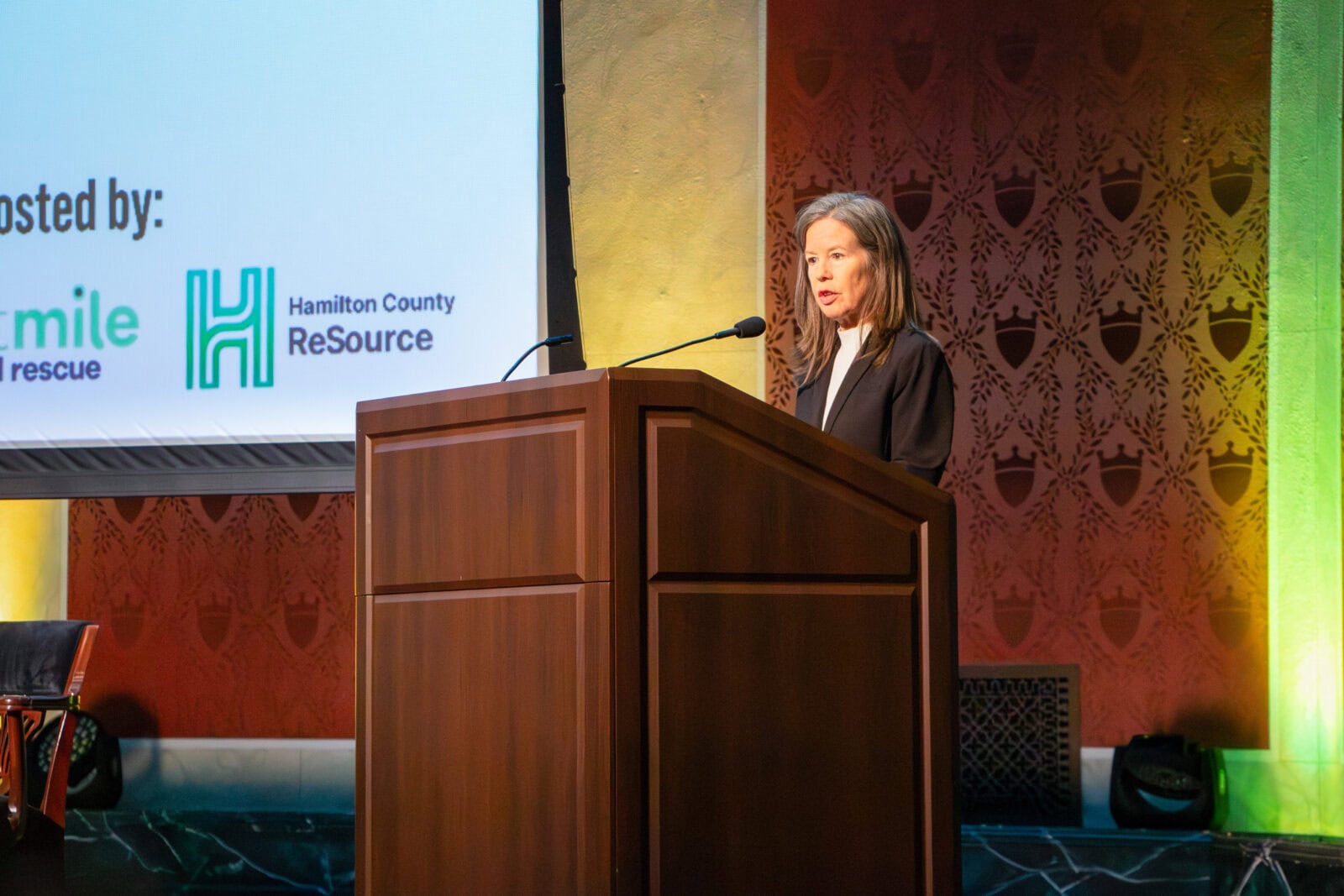
Hamilton County Commissioner Denise Driehaus followed with an address that brought policy and equity to the forefront. Acknowledging recent disruptions in SNAP benefits, she shared how county leaders are working tirelessly to fill those gaps. This includes a recent $222,000 reallocation of ARPA funds to the Freestore Foodbank to meet increasing demand. Her message was clear: combating food waste is not just about saving resources; it’s about ensuring that every family has access to fresh, healthy food.
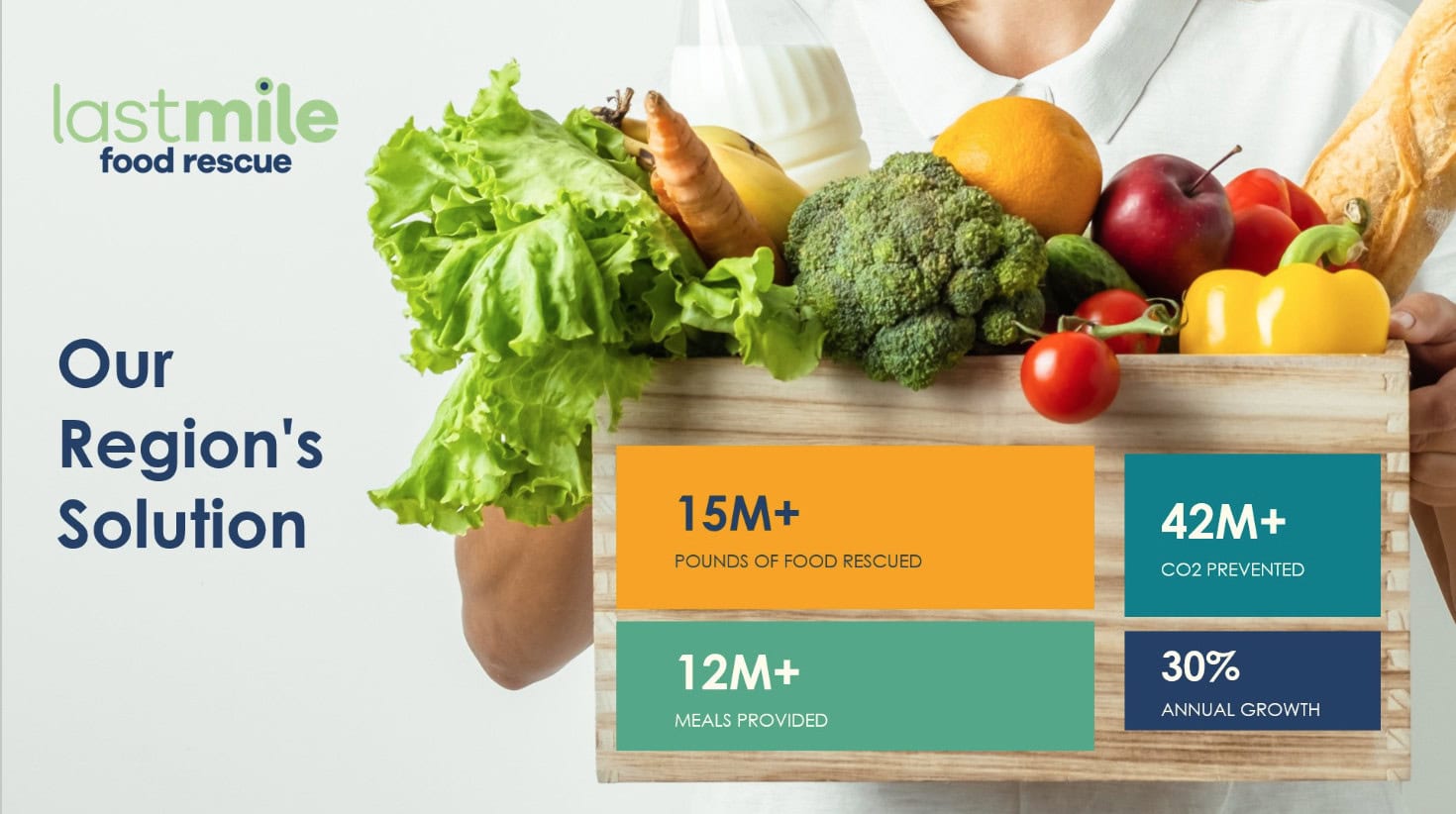
CEO of Last Mile Food Rescue Eileen Budo provided an informative overview of the day and dove into the impactful work of Last Mile as a growing food rescue organization. While Hamilton County wastes approximately 130,000 tons of food annually, 1 in 5 continues to go hungry in our region. Budo states the solution to both of these issues with clarity and passion: let’s rescue it! Every pound of food rescued is about 2 lbs of CO2 prevented and 1 meal provided to a person in need. By combining a tech platform to manage volunteer logistics, mobile markets for distribution to food deserts, and prepared repack products to nonprofit pantry partners, Last Mile Food Rescue has saved more than 15 million pounds of food from the landfill and provided over 12 million meals to those in need, since its inception in 2020. Budo proudly shares that they are driving the last mile, making it easier for every food donor to deliver hope instead of waste.
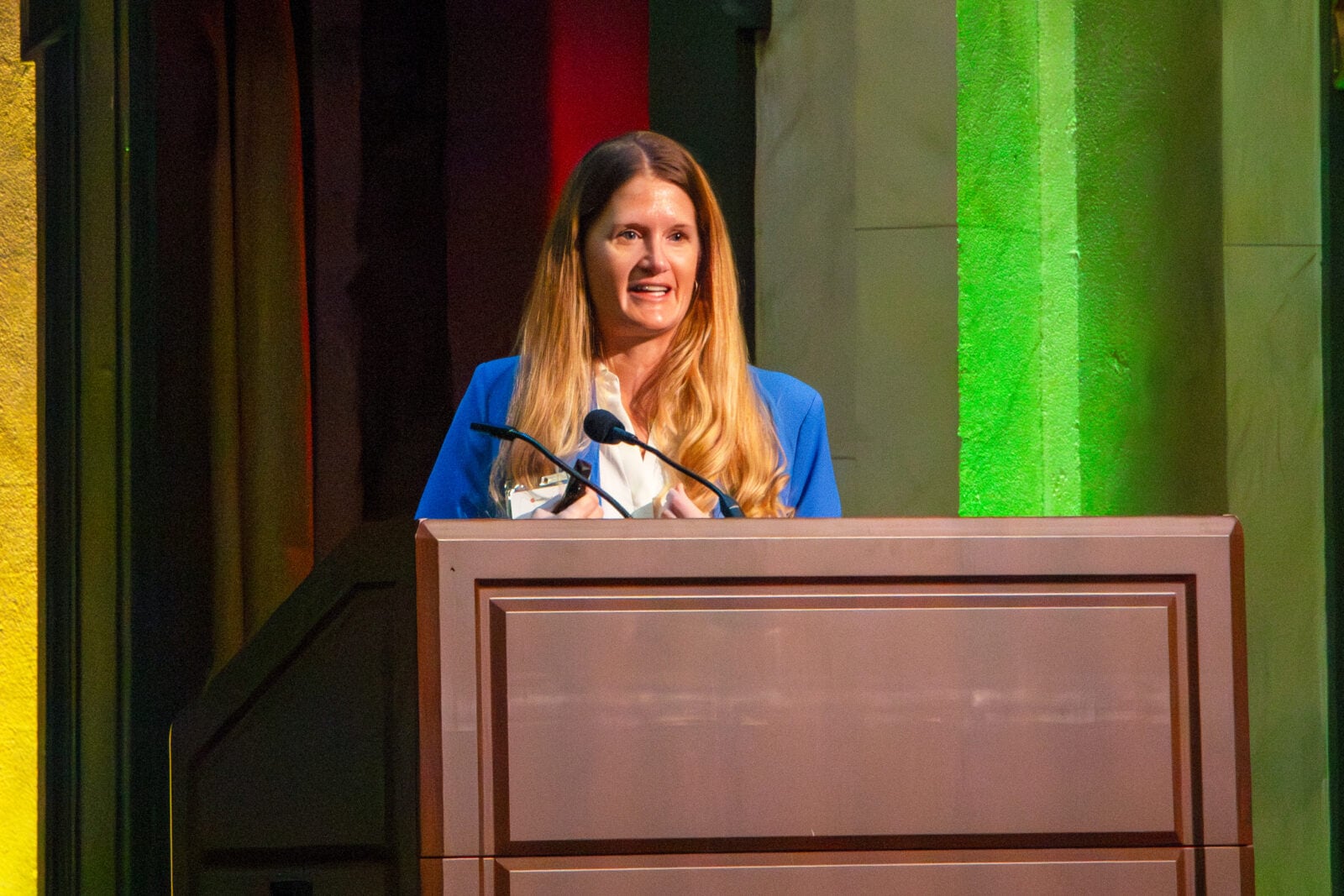
The morning keynote from Sara Burnett, Executive Director of ReFED, delivered a compelling data-driven overview of the national and state of Ohio landscape of wasted food. Her presentation made one thing undeniable. Food waste is simultaneously a climate, a social, and an economic issue. In 2023 alone, $382 billion worth of surplus food was generated in the U.S. – a staggering 31% of the total food supply.
Burnett introduced the ReFED Insights Engine, an interactive tool where anyone can explore data, track progress, and visualize the impact of their own food waste reduction efforts, whether you are a business or an individual. Her message encouraged organizations to build internal capacity through employee engagement, supply chain collaboration, and solution-provider partnerships. All while advocating for systemwide policy and repurposing culture to make food waste reduction sustainable in the long term.
The morning plenary discussion spotlighted the realities of food rescue, from logistical hurdles to inspiring success stories. The panelists, including both public and private sector voices, brought humor, honesty, and hope to the conversation. They emphasized that food rescue isn’t just possible, it’s powerful when put into action. Valerie Berner shared United Dairy Farmers’ remarkable achievement as the only major convenience chain donating all edible food waste to food rescue efforts. Eric Hyden’s down to earth insights as Chef turned Food Rescue Hero brought levity and a peek behind the scenes at Last Mile Food Rescue. Finally, Mike Haunert, a retired long time executive of Sysco, brought a practical perspective of the challenges a larger business may navigate as they begin to donate food. Together, they illustrated that not only is food rescue a possible and scalable solution, but that it’s impactful to the bottom line for businesses as well.
Lunch, appropriately, was a celebration of rescued food. La Soupe transformed surplus ingredients into a delicious meal featuring fresh salads, vegetarian and turkey wraps, and pastries. With support from Queen City Commons and Hamilton County ReSource, even the final scraps were composted; a perfect embodiment of the day’s mission.
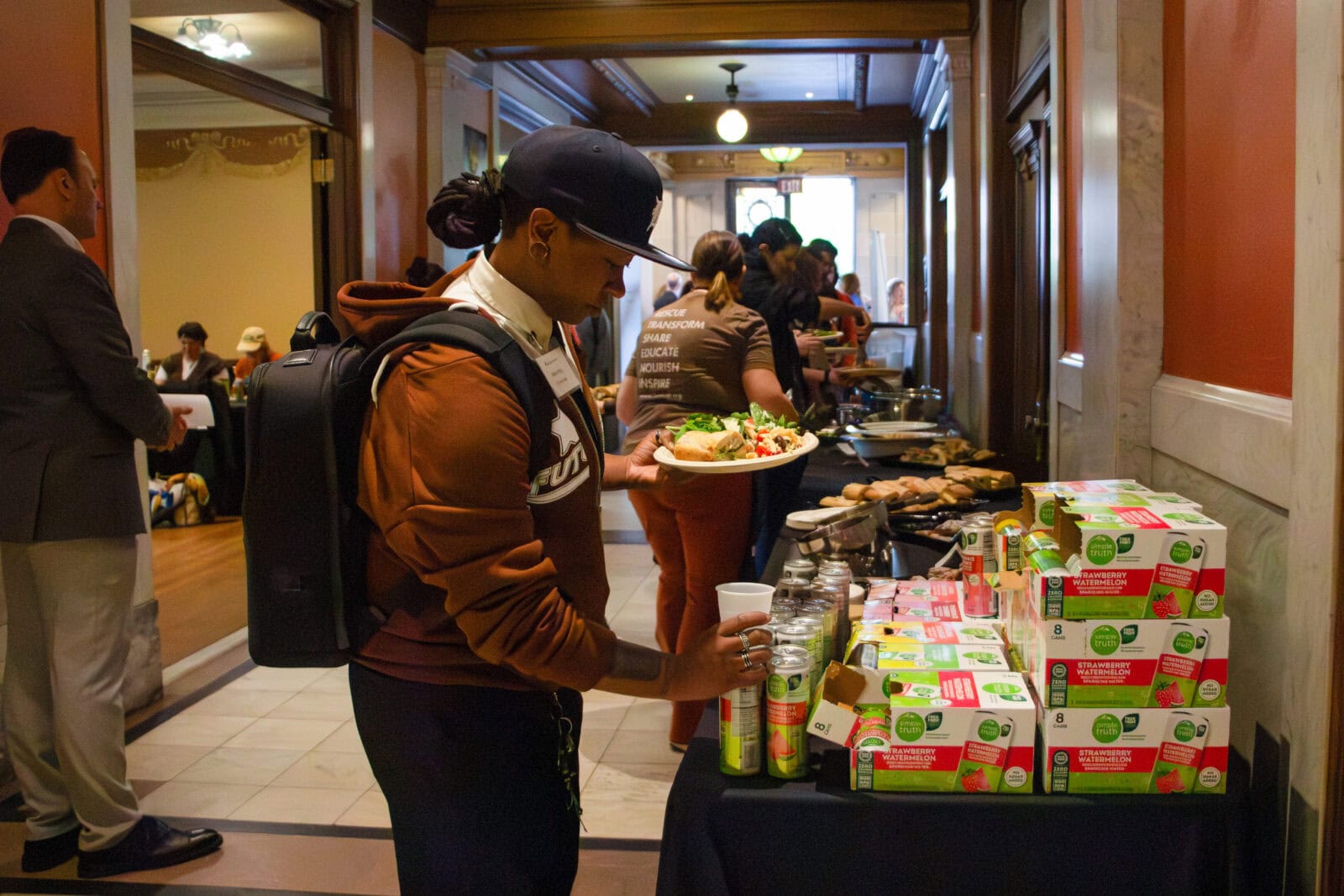
Two sector-focused breakout sessions were offered during lunch. One with a focus on businesses interested in food rescue and one with a focus on individual advocates’ roles in reducing food waste and supporting food rescue as a solution.
In the individual advocates session, panelists discussed how aligning personal values with daily habits can spark collective change. The main takeaway was understanding your own relationship to food and waste is the first step to inspiring your neighbors and swaying decision makers!
Five things you can do as an advocate:
Tony Staubach, from Hamilton County ReSource, led a robust panel of experts on supporting businesses in donating food. Food donation is a powerful, protected, and practical solution for reducing waste and fighting hunger. With the Bill Emerson Good Samaritan Act safeguarding donors, businesses can confidently redirect surplus food to communities in need. This helps businesses by lowering disposal costs, earning tax benefits, and strengthening performance. Leaders like Kroger, La Soupe, and the Ohio Department of Health are demonstrating how collaboration turns surplus into sustenance, proving that well-managed, wholesome food can nourish people instead of landfills. The systems and partnerships already exist, the opportunity now is to scale them.
Five things Businesses can do to lead in the expansion of food donation:
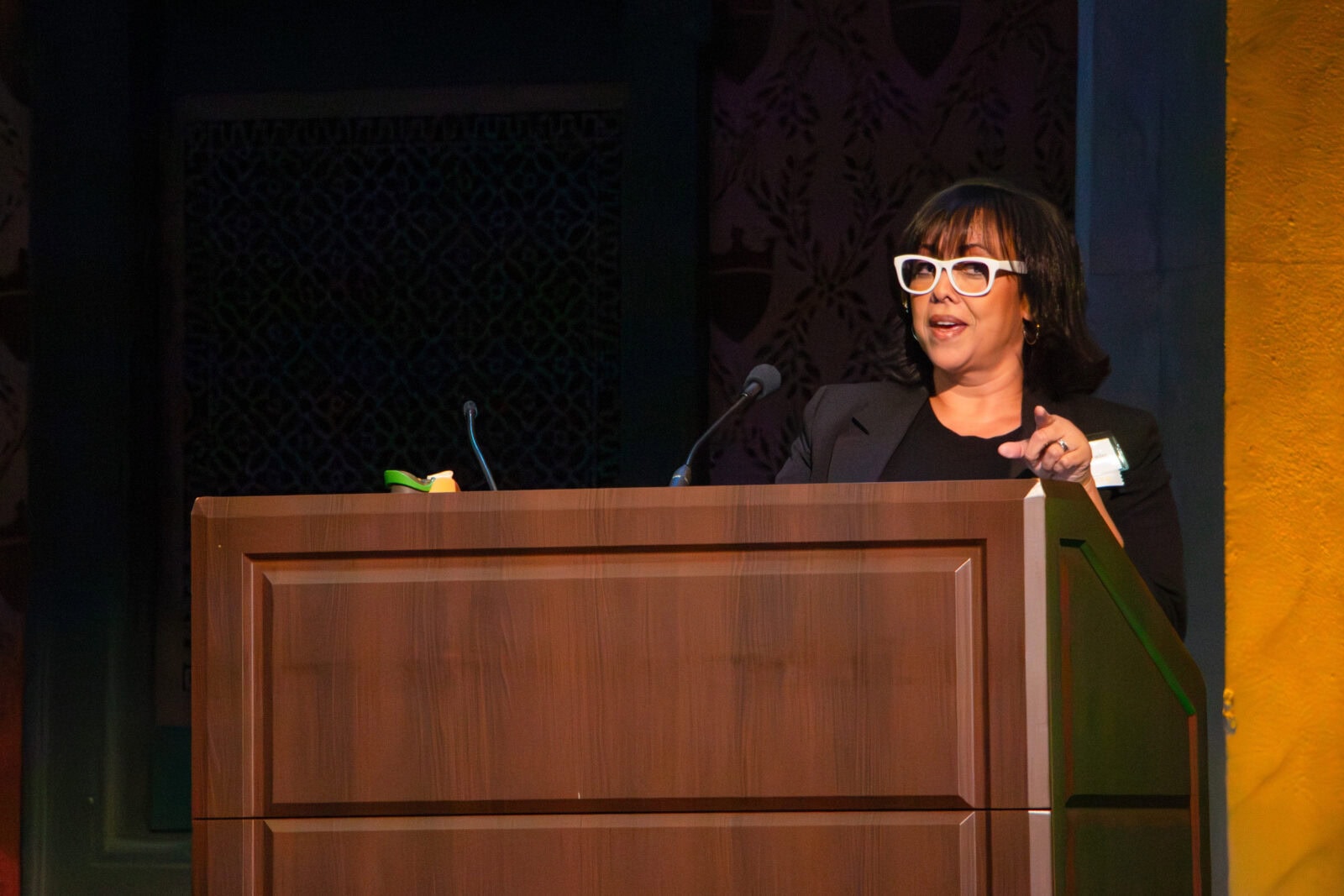
The day wrapped with a deeply personal and inspiring keynote from Chef Alejandra Schrader, author, activist, and advocate for “Food is Medicine.” Drawing from her own story, she illustrated how we can all transform scarcity into stewardship through mindful cooking and creative reuse.
Chef Alejandra shared inventive ways to use every part of the plant, from beet greens pesto to plantain-skin pasta, and emphasized that residential households are responsible for 35% of all U.S. food waste, primarily fresh produce (43.7%). Her talk closed with a call to action:
“Educate yourself and others. Contact your representatives. Attend community forums. Join advocacy coalitions. Share your story. Amplify the movement.”
To explore some of Chef Alejandra’s recipes, check out her recipe page or buy her Low-Carbon Cookbook. One of my favorites is her fresh and bright take on Falafel with a lemon-tahini sauce.
The 2025 Wasted Food Summit, organized through a partnership between Green Umbrella, Last Mile Food Rescue, and Hamilton County ReSource, showcased what’s possible when a region comes together to tackle one of the most solvable climate and equity challenges of our time.
As we left inspired (and maybe a bit more mindful of the fuzzy strawberries in our fridges), the message was clear. Systemwide problems require systemwide action, but it starts with each of us making simple, intentional change.
Funding for the Wasted Food Summit is generously provided by Sustainable Agriculture Research and Education (SARE). For questions or partnership opportunities, contact Charlie Gonzalez at charlie@greenumbrella.org.
Green Umbrella members also have access to our members-only newsletters and e-blasts. Join today to receive these perks!
By Green Umbrella
Published October 8, 2025