Join us and act against climate change! Become a member today.
MEMBER LOG IN
DONATE
Green umbrella Logo
  • What We Do
    • Our Work
    • Our Mission
    • Our Region
    • Our Impact
  • Our Team
  • Our Programs
  • Events
  • Resources
    • Member Directory
    • Green Jobs Board
    • Get Outdoors
    • Reports & Tools
    • Stories & Announcements
  • Get Involved
  • Search

Forest Park Community Advisory Group Concludes 2026 Workshop Series

May 11, 2026 by Kelly St Charles

Contributors: Bamidele Osamika, Kelly St Charles

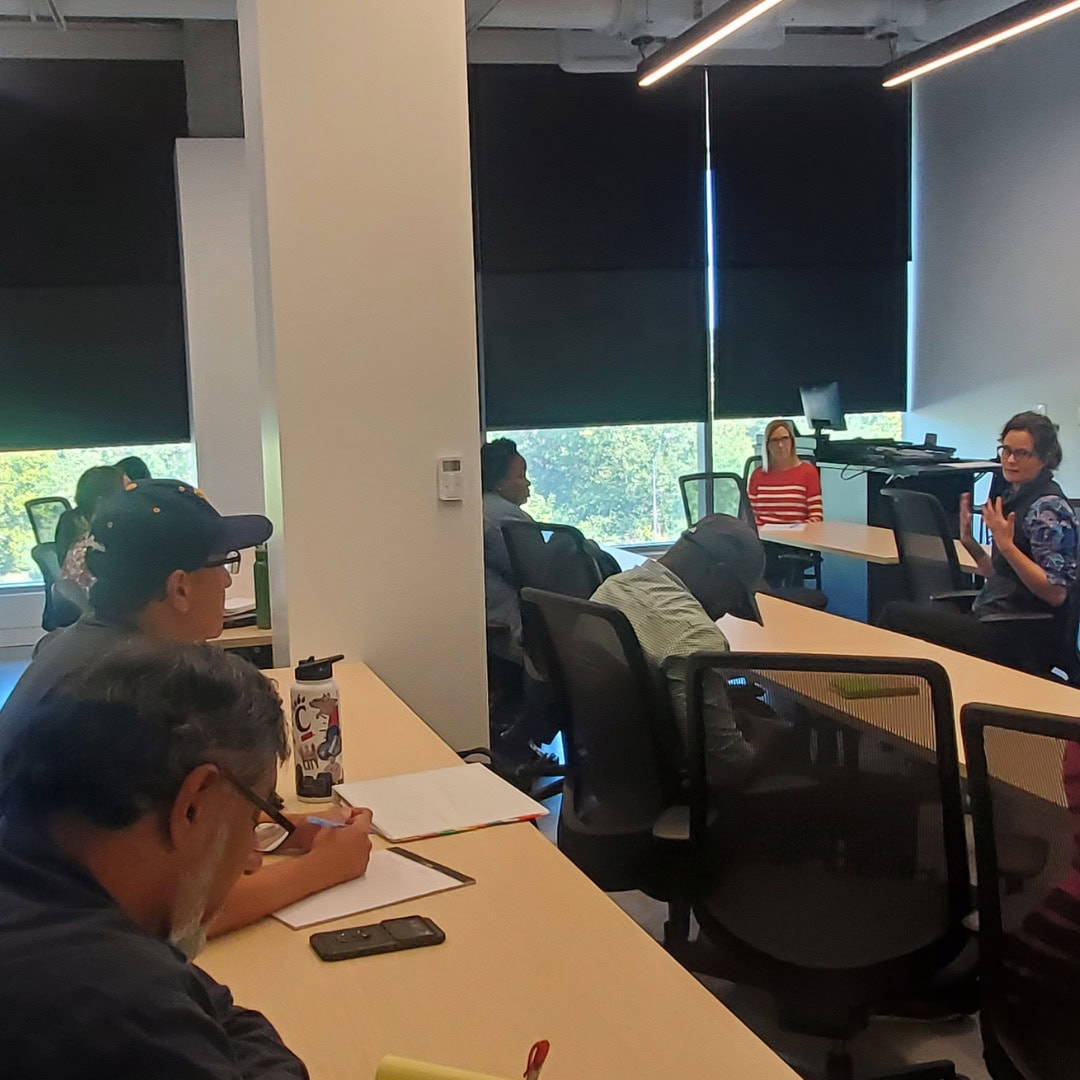
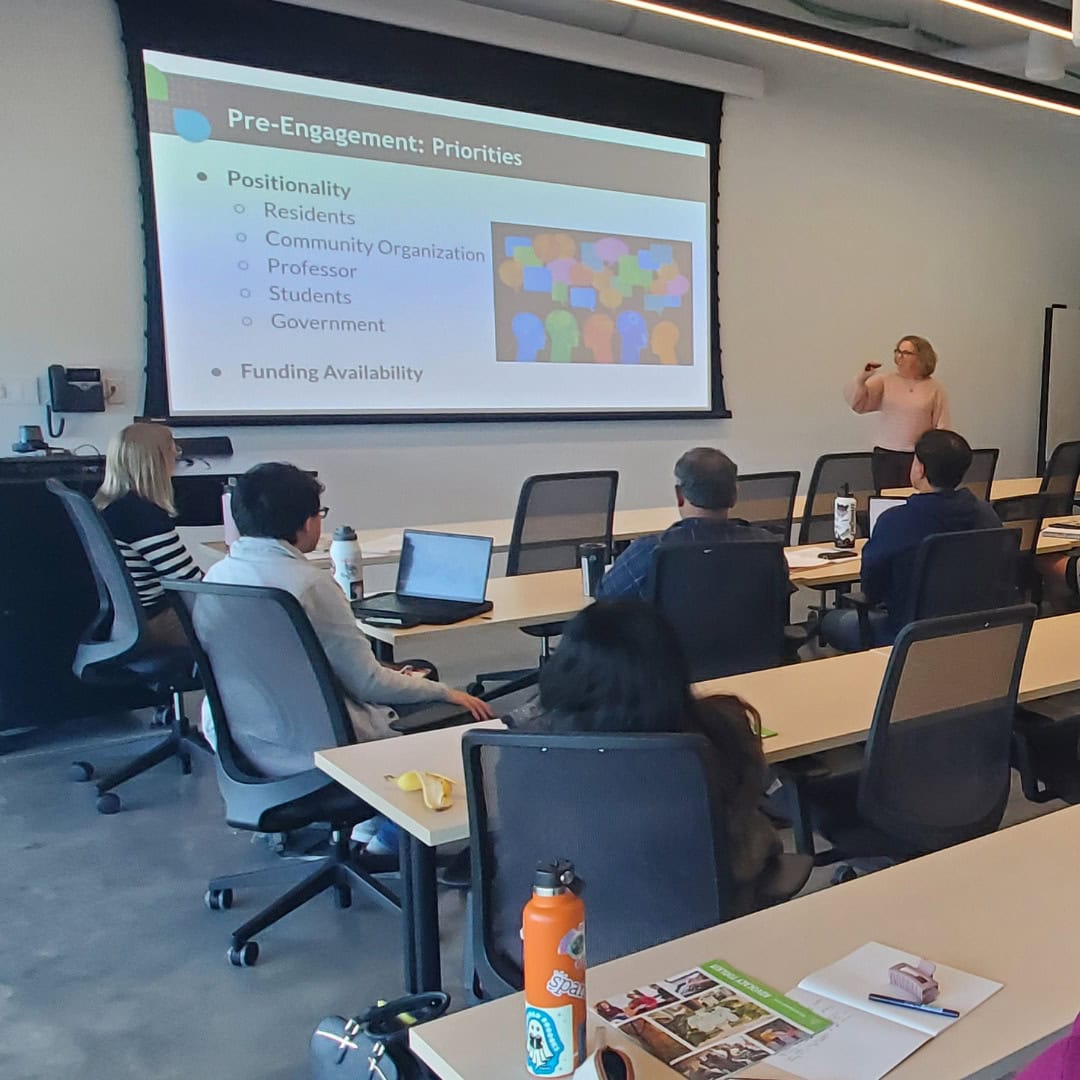
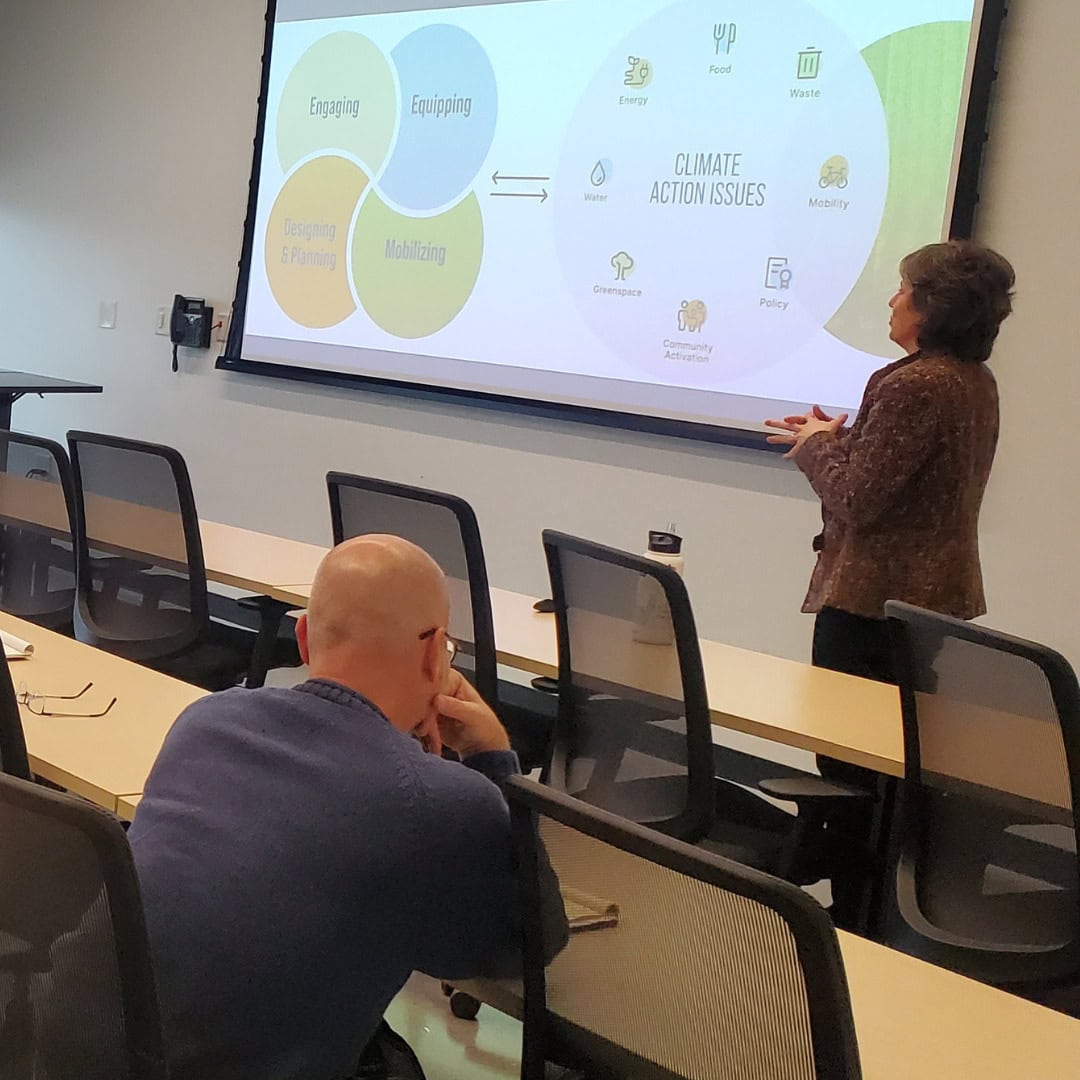
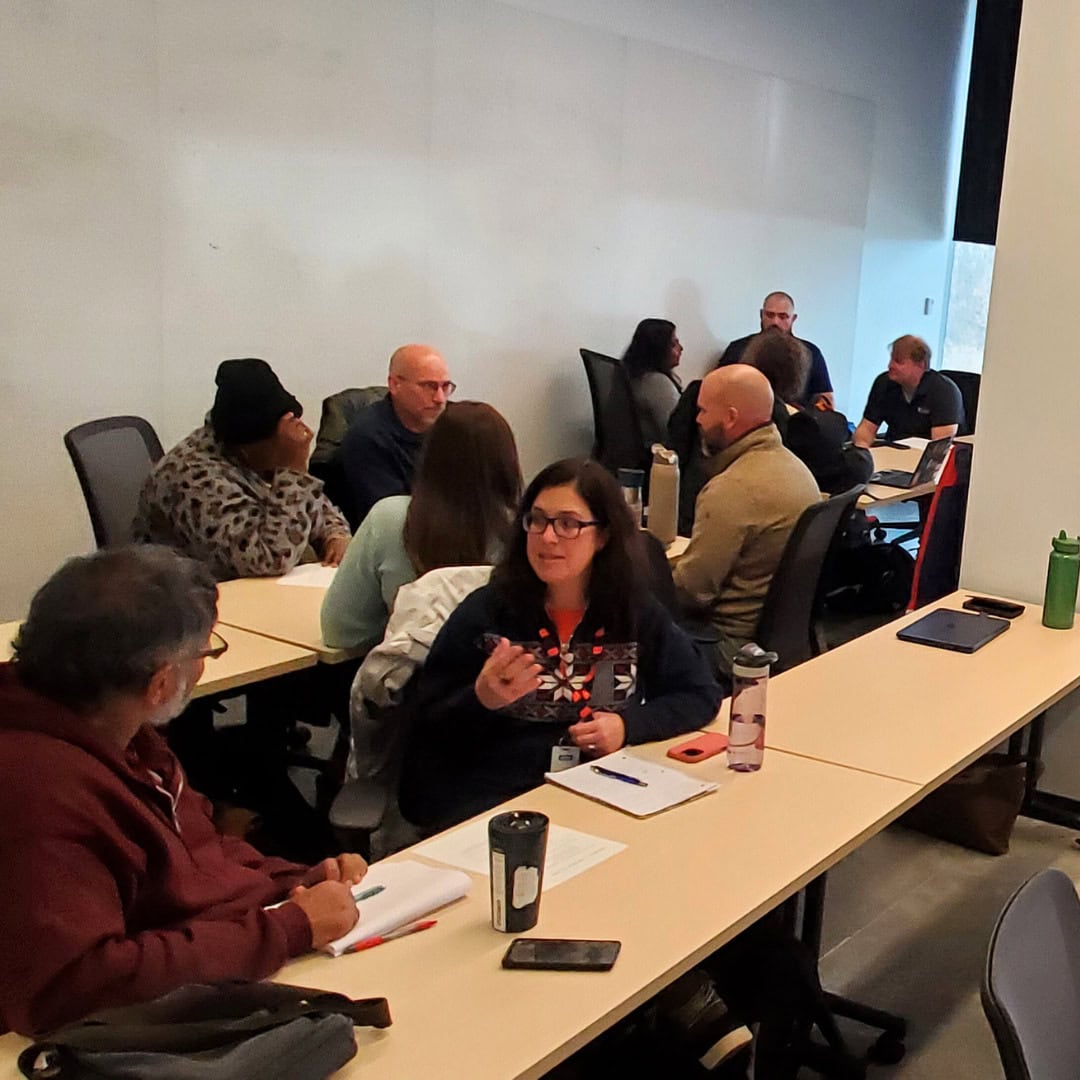
Forest Park Residents Discuss Climate Action

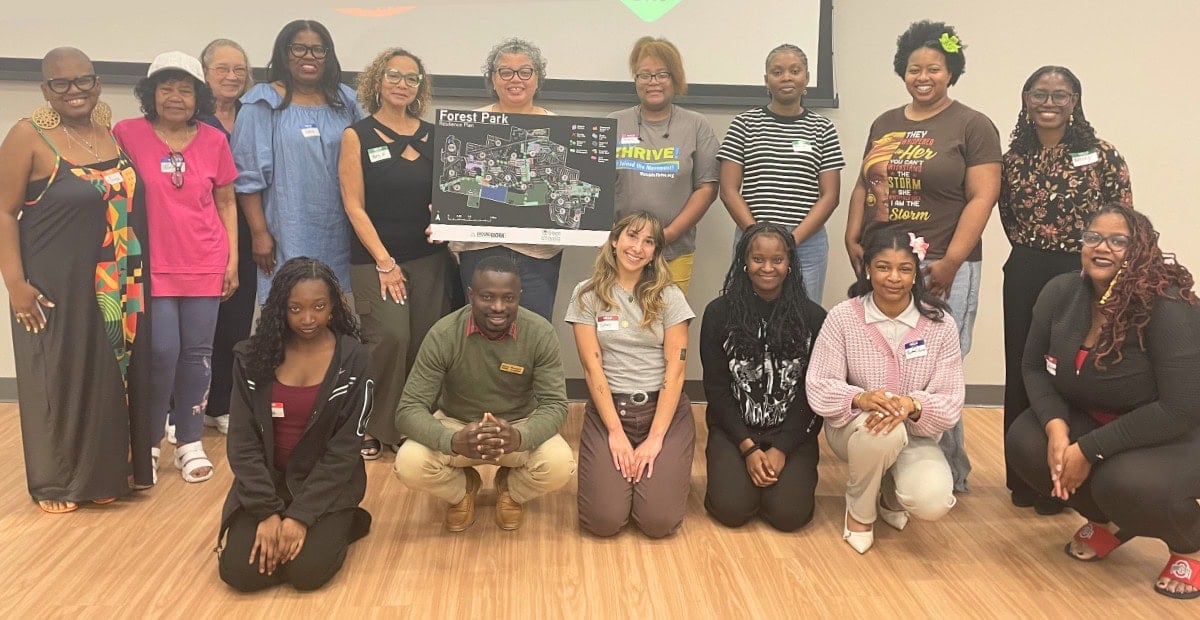
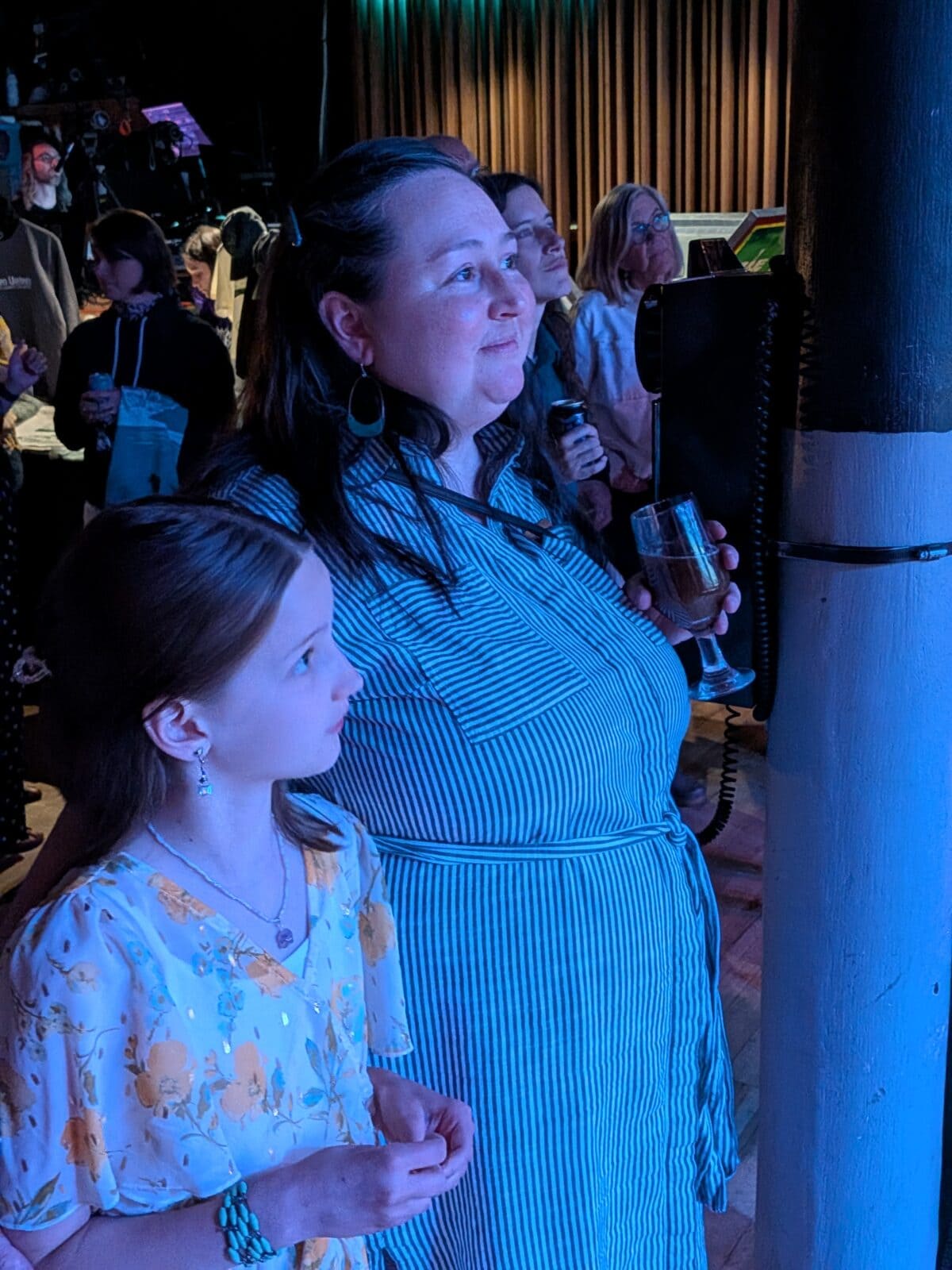
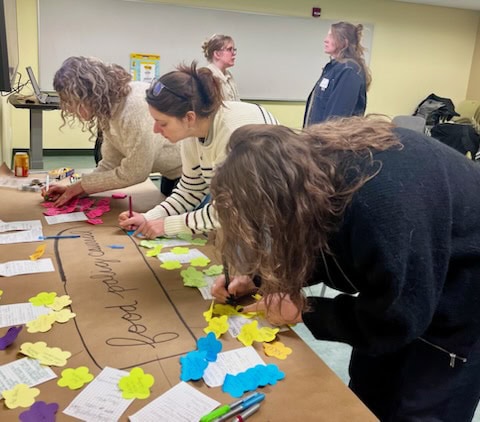
Over the past two months, we brought together residents of Forest Park, Ohio for a Community Advisory Group workshop series as part of the Climate Safe Neighborhoods (CSN) partnership between Green Umbrella and Groundwork Ohio River Valley. Across five weeks of sessions, we developed ideas for a more climate-resilient future, a future that is grounded in real experiences, local knowledge, and shared leadership.

Residents led conversations across four critical issues: 

  1. Heat and housing
  2. Green infrastructure and air quality
  3. Flooding
  4. Food access

Using an equity lens, they asked the hard but necessary questions:

Who benefits? Who is burdened? Who’s missing? How do we protect people from displacement as we invest in solutions?

As a group, some observations stood out:

  • Climate impacts aren’t felt equally. Our most vulnerable neighbors carry the heaviest burden.
  • Solutions must go beyond infrastructure to include affordability, stability, and access.
  • Community voices are not optional. They are the foundation of effective climate action.

Residents presented their ideas at a showcase on April 23, 2026 at the Forest Park Library. Presentations included expanding tree canopy and cooling spaces, as well as supporting energy affordability, flood resilience, and local food systems. The ideas were practical, people-centered, and grounded in real need. 

What’s Next?

A key takeaway from the work in Forest Park is understanding that equity isn’t an “add-on” to climate work; it’s the strategy.

From hands-on workshops to deep conversations about environmental challenges, adaptation strategies, and advocacy, the Forest Park Community Advisory Group was all about collaboration and lifting up community voices.

We’re continuing this work with residents by bringing these ideas to the City Council and moving toward implementation. This is just the beginning of a long-term effort focused on policy alignment, building local capacity, and sustaining climate action.

Acknowledgements

We’re grateful to the residents who showed up, shared their voices, and helped shape a more resilient future for Forest Park. 

Special thanks to the organizations and their team members who made this possible, including Groundwork Ohio River Valley, Green Umbrella, Historical Society of Forest Park, Forest Park Environmental Awareness Program, DataBloom, Tri-State Trails, and Forest Park Branch Library. 

More Information & Resources 

  • Climate Safe Neighborhoods
  • Groundwork Ohio River Valley
  • Health Justice in Action – Soapbox Cincinnati Series

Filed Under: Green Umbrella News

Roots & Rhythms: Green Umbrella’s First Benefit Concert

April 29, 2026 by Kelly St Charles

The Concert

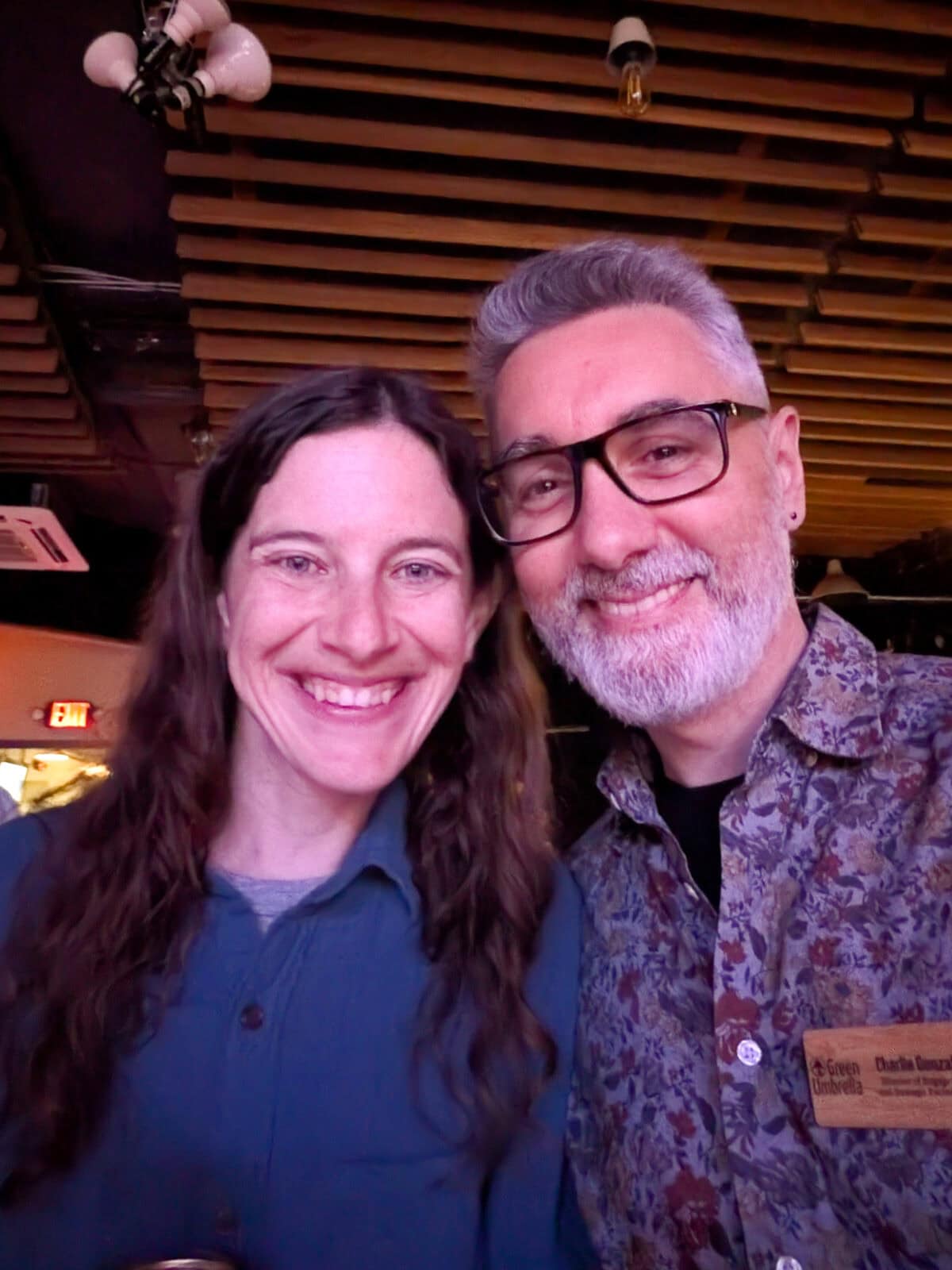
The idea of a concert fundraiser to benefit Green Umbrella had been bouncing around our staff for years now. Who doesn’t love good music at a fun venue with great people? This year felt like the right time to gather our community for a night of celebration and joy – so of course, we planned it for Earth Month! 

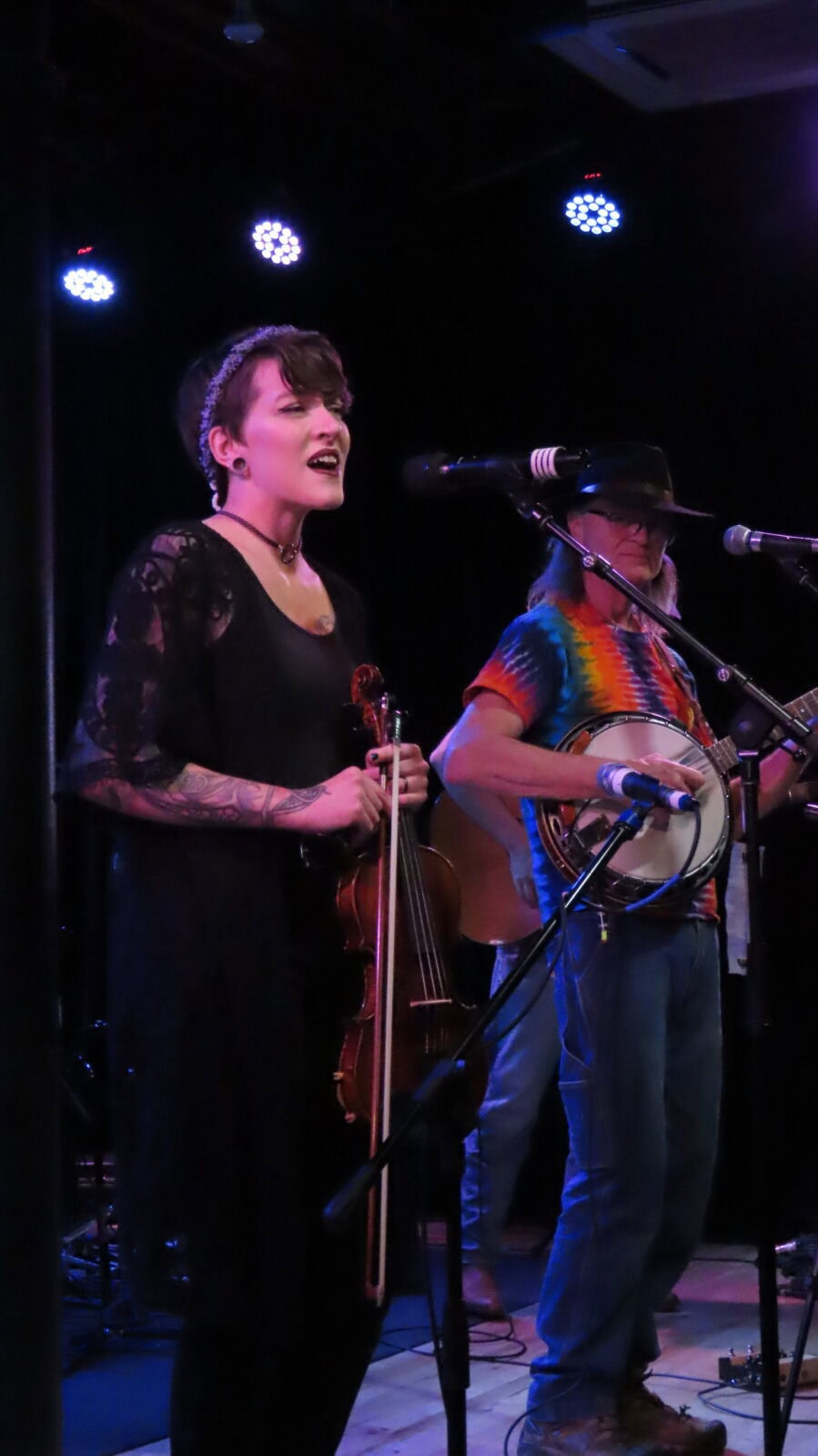
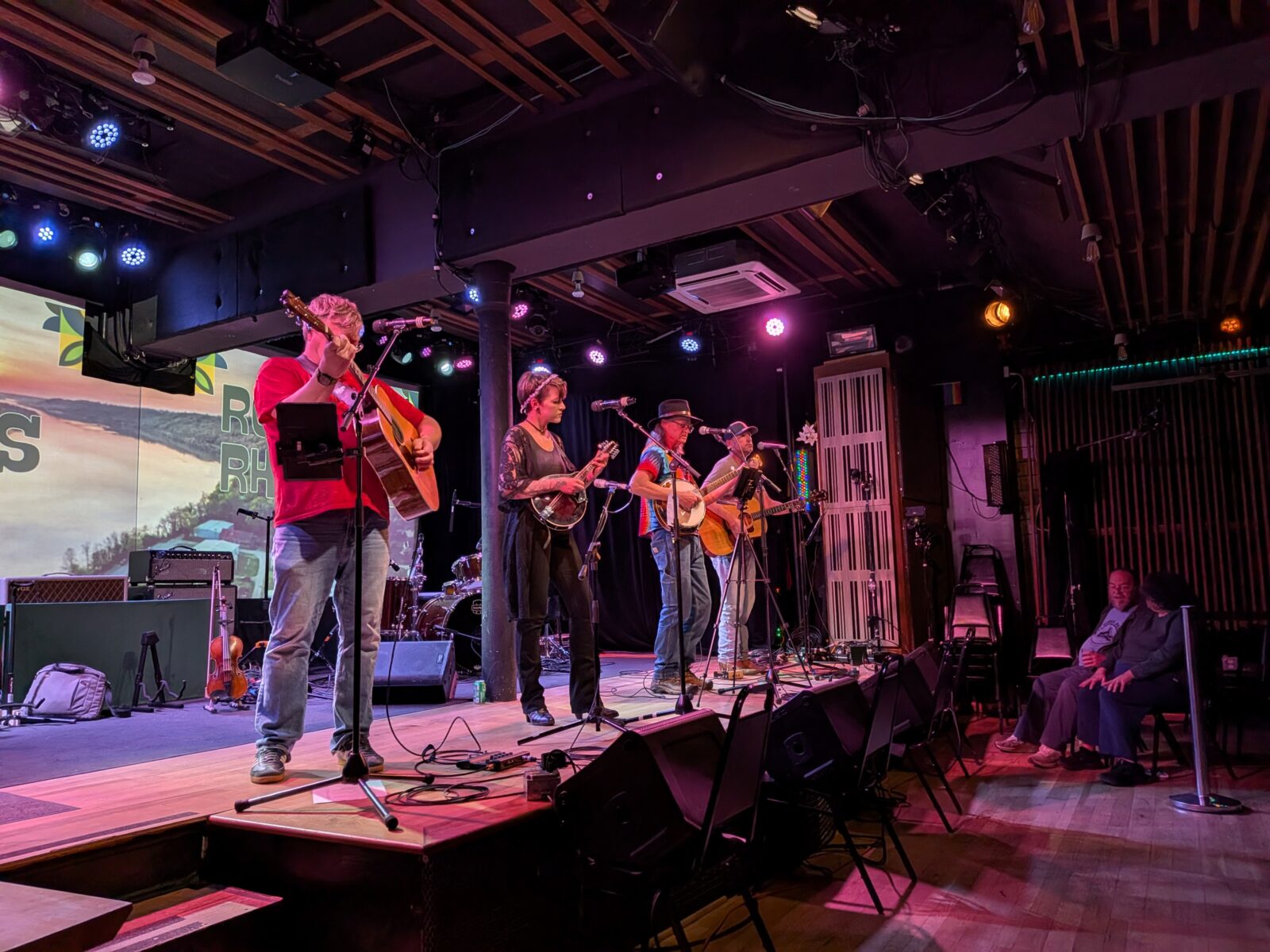
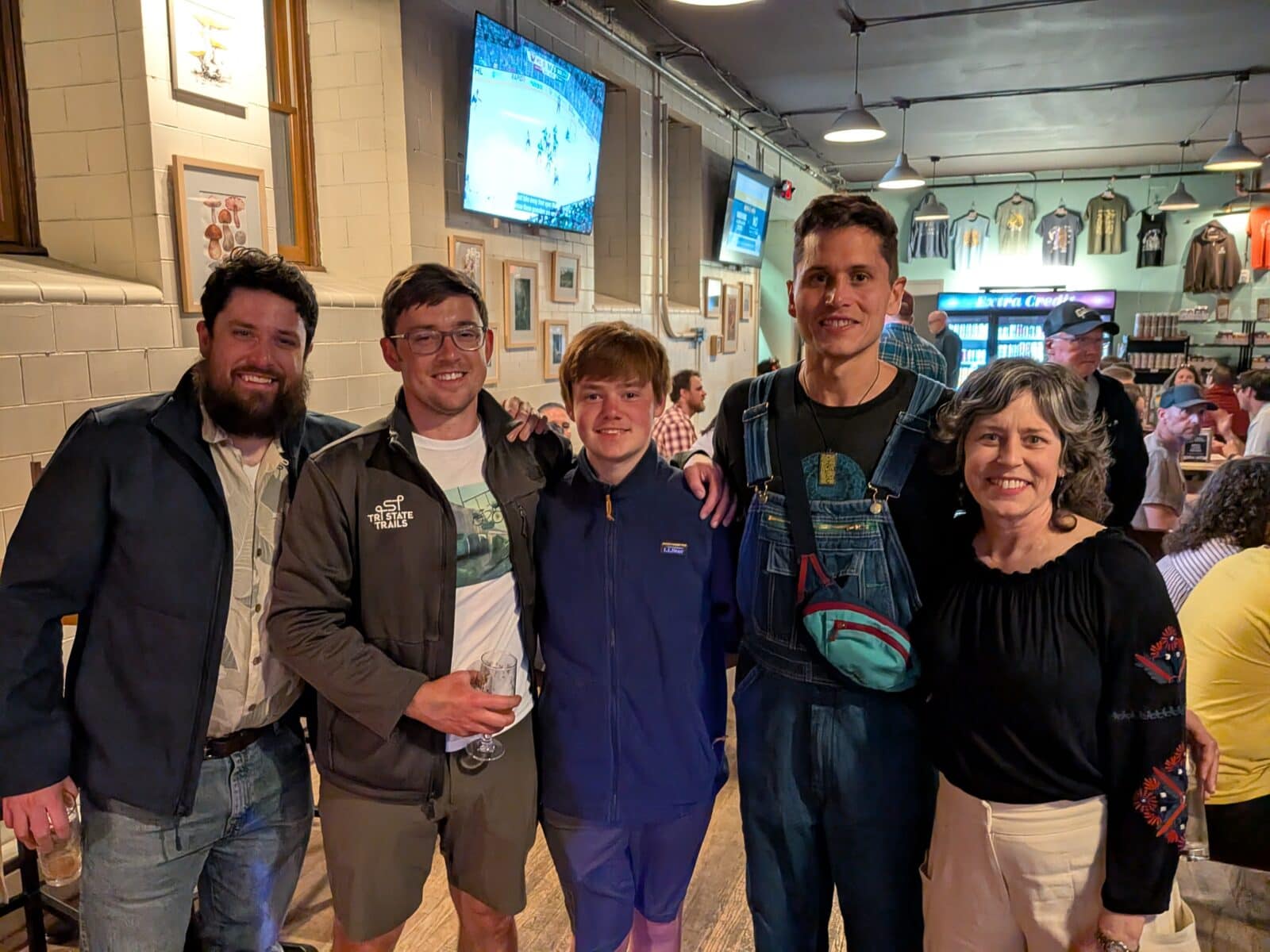
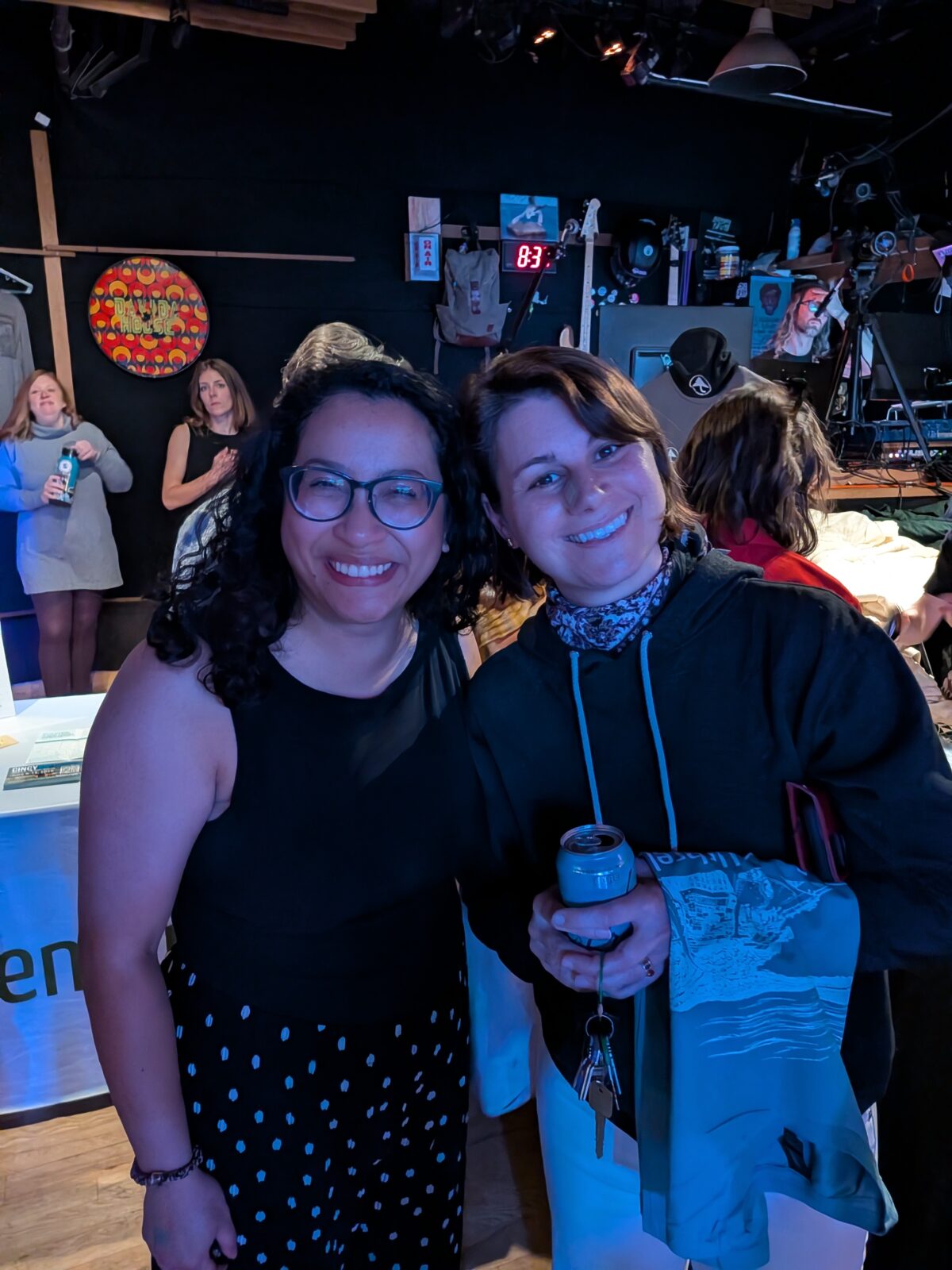
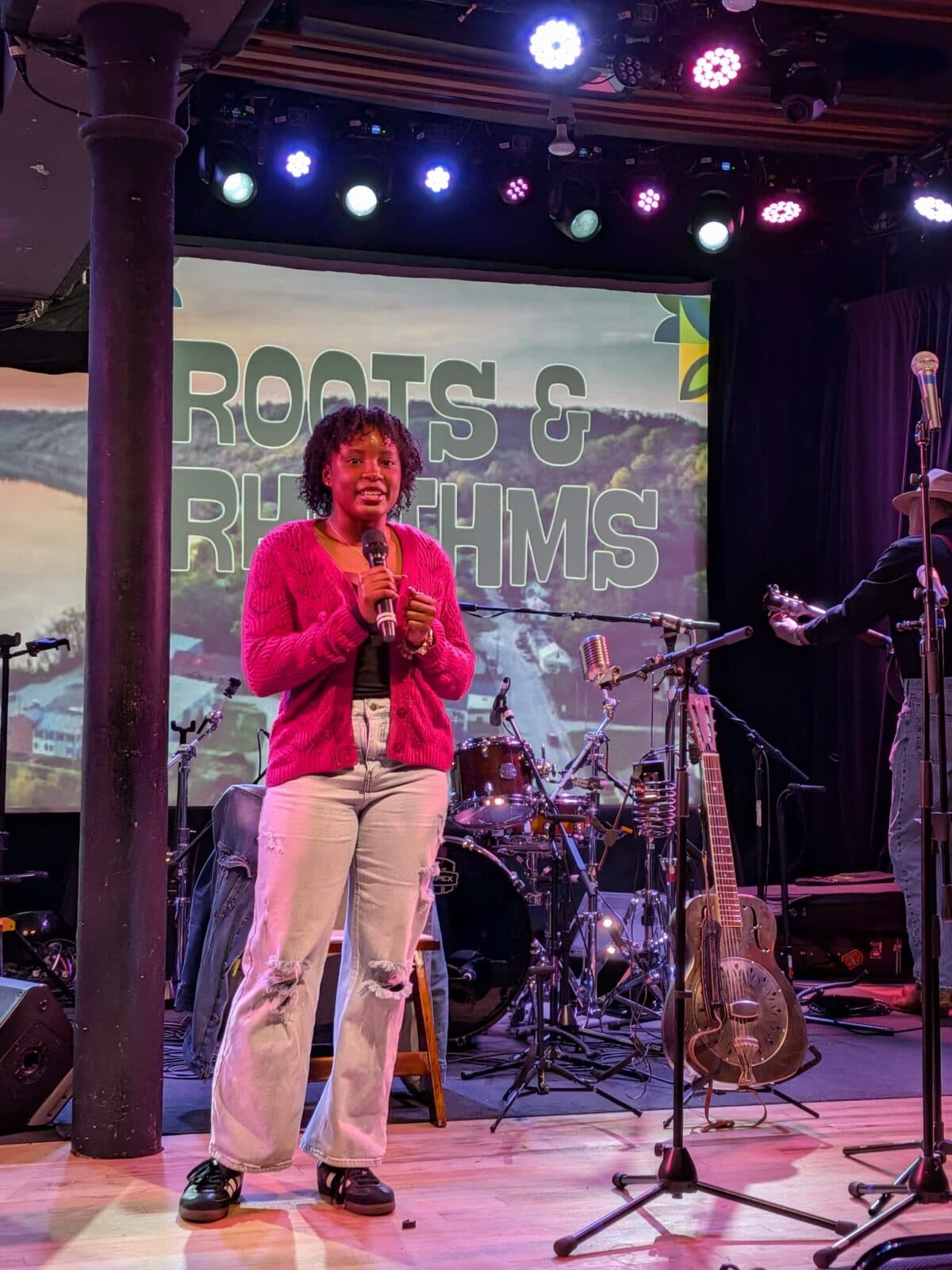
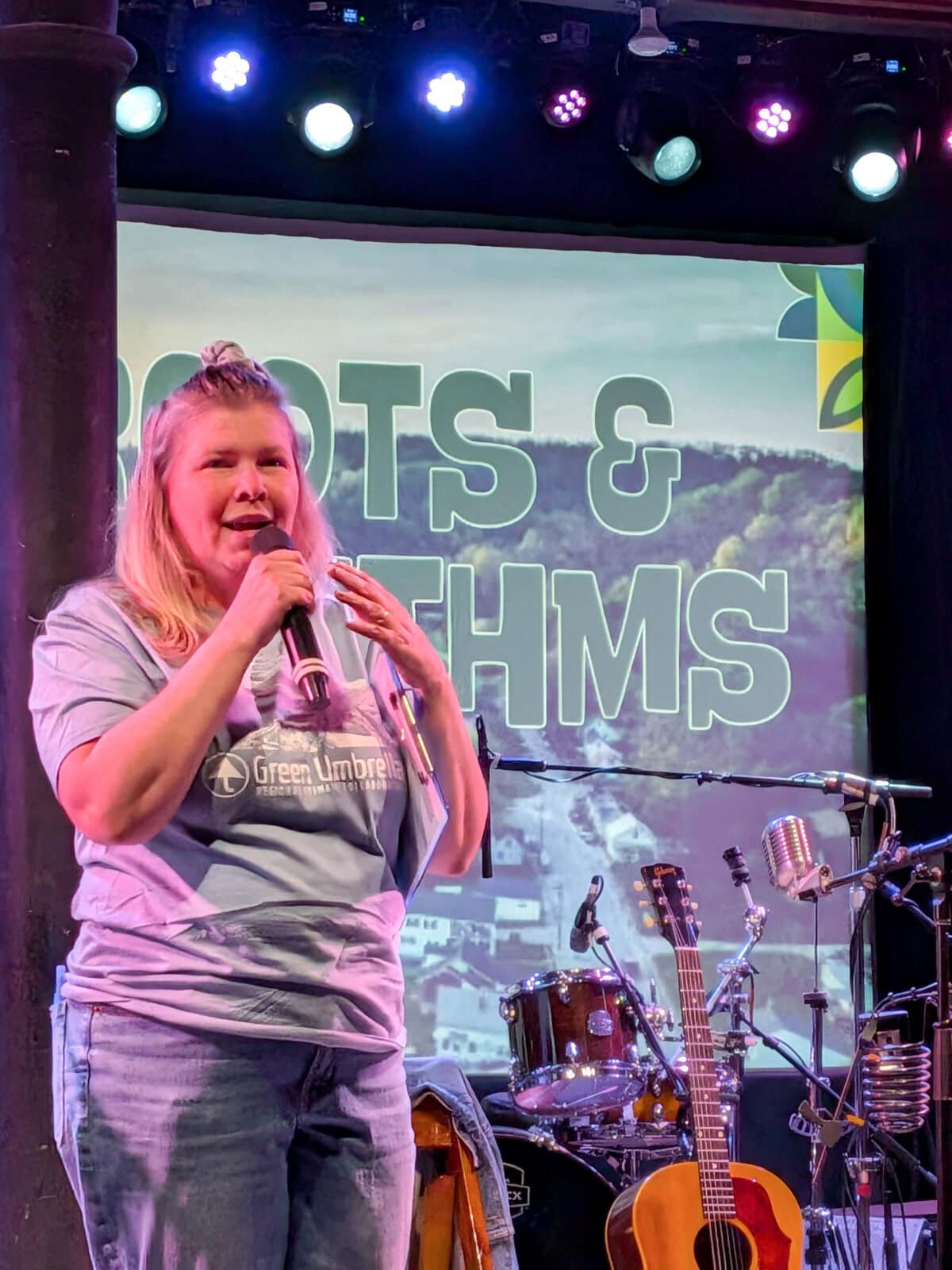
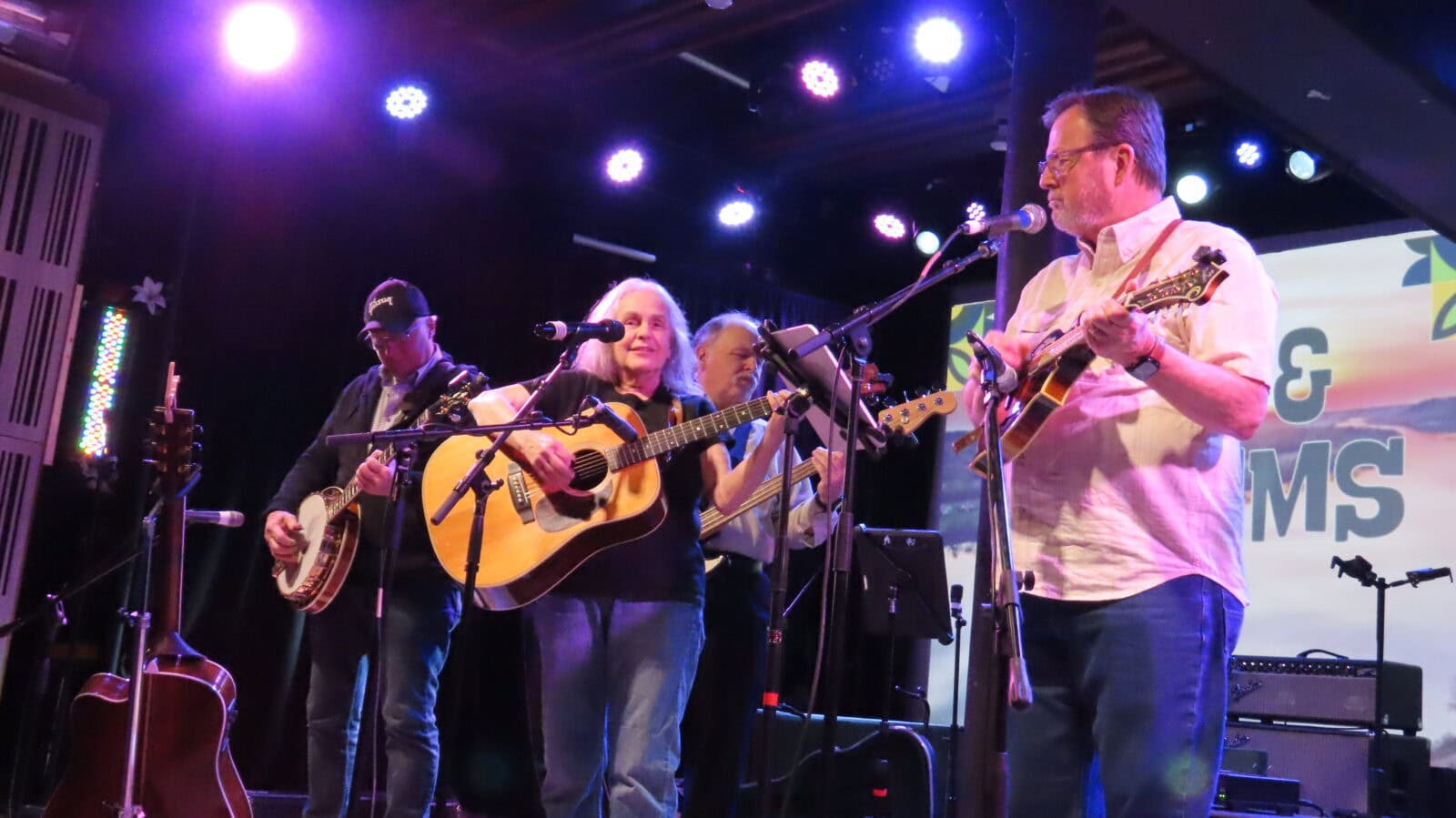
We were delighted to see Urban Artifact’s space packed with Green Umbrella supporters, dancing along to the music and cheering as Green Umbrella staff members shared successes and inspiration from the past year. 

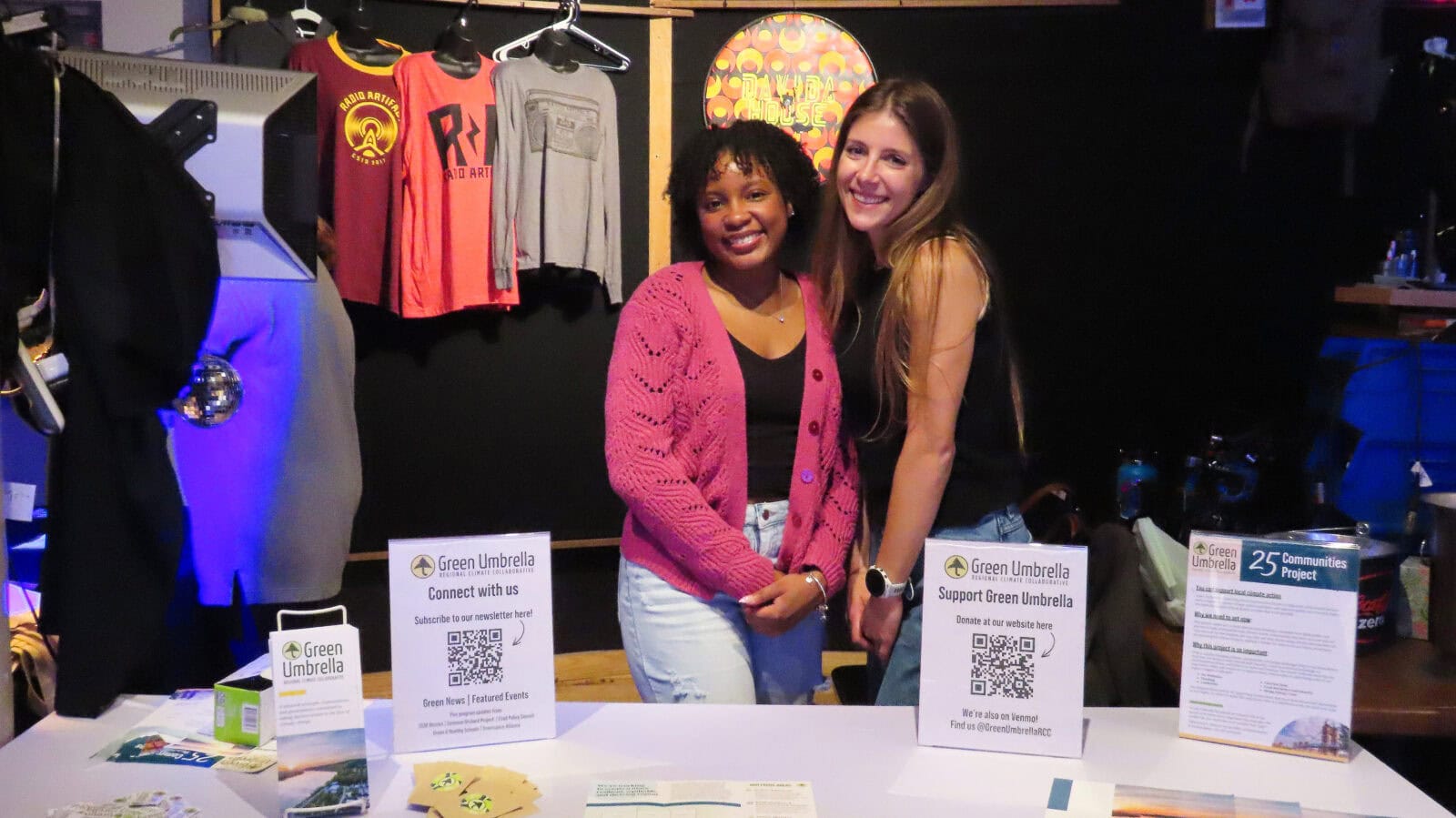
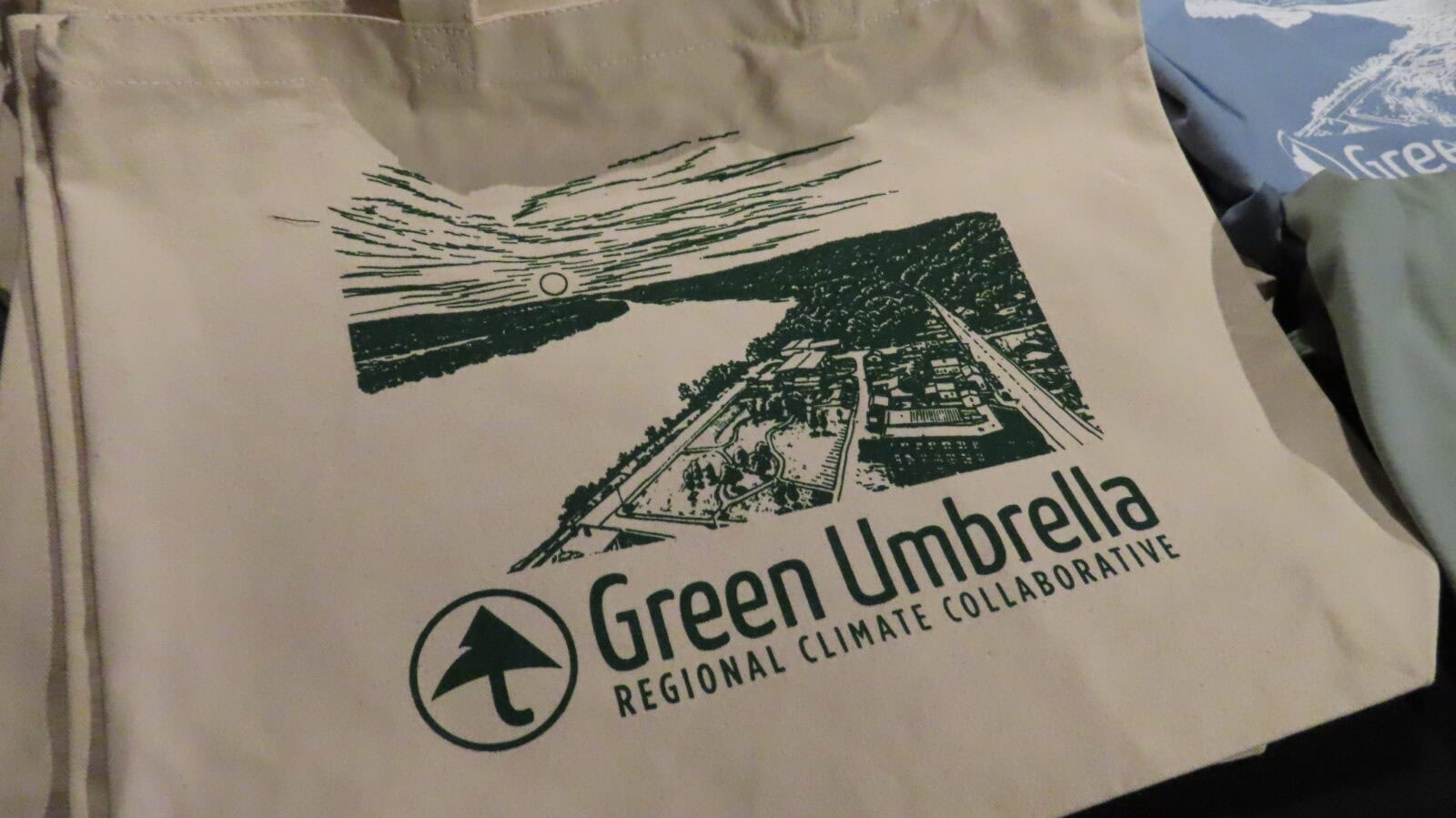
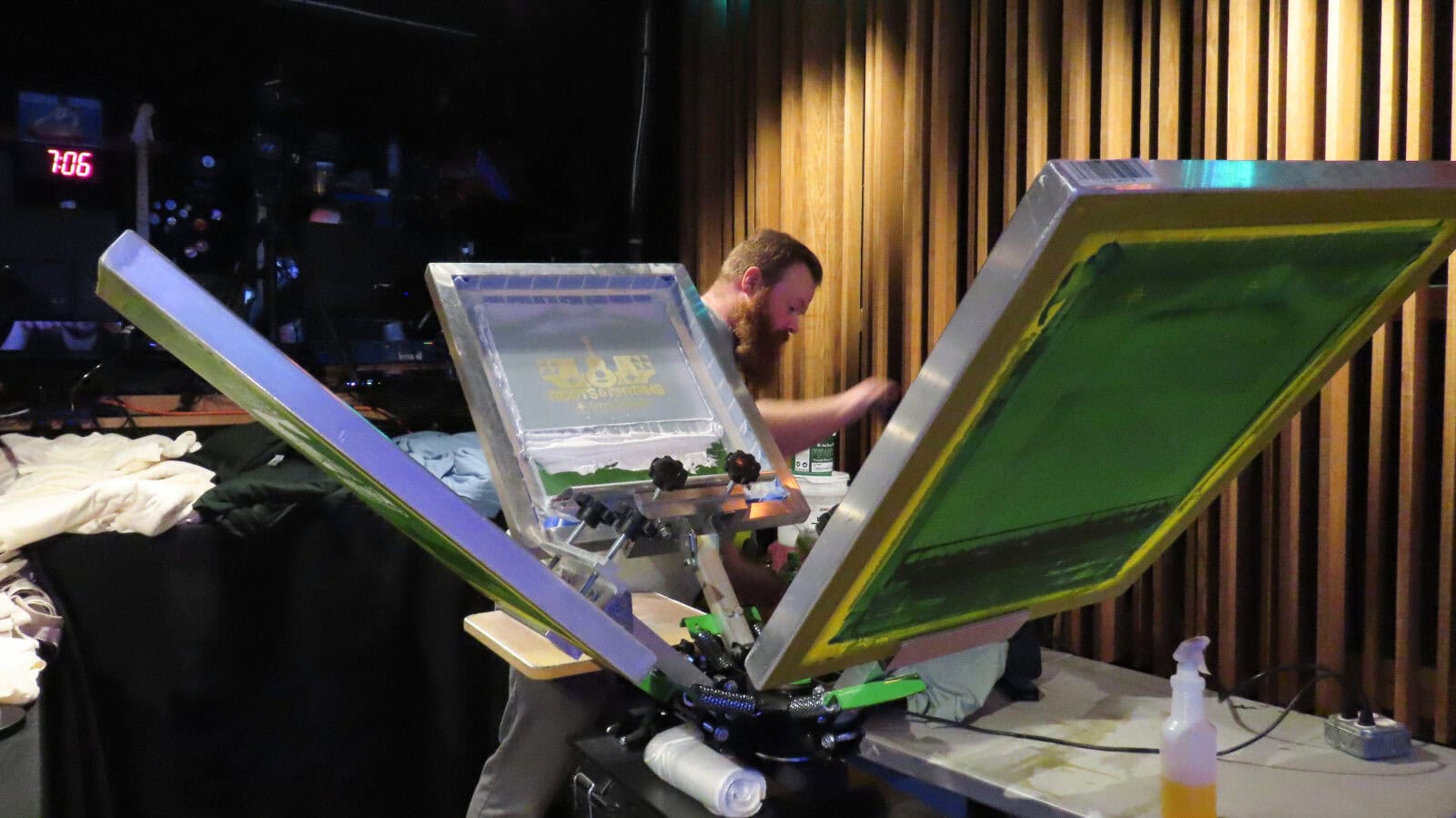
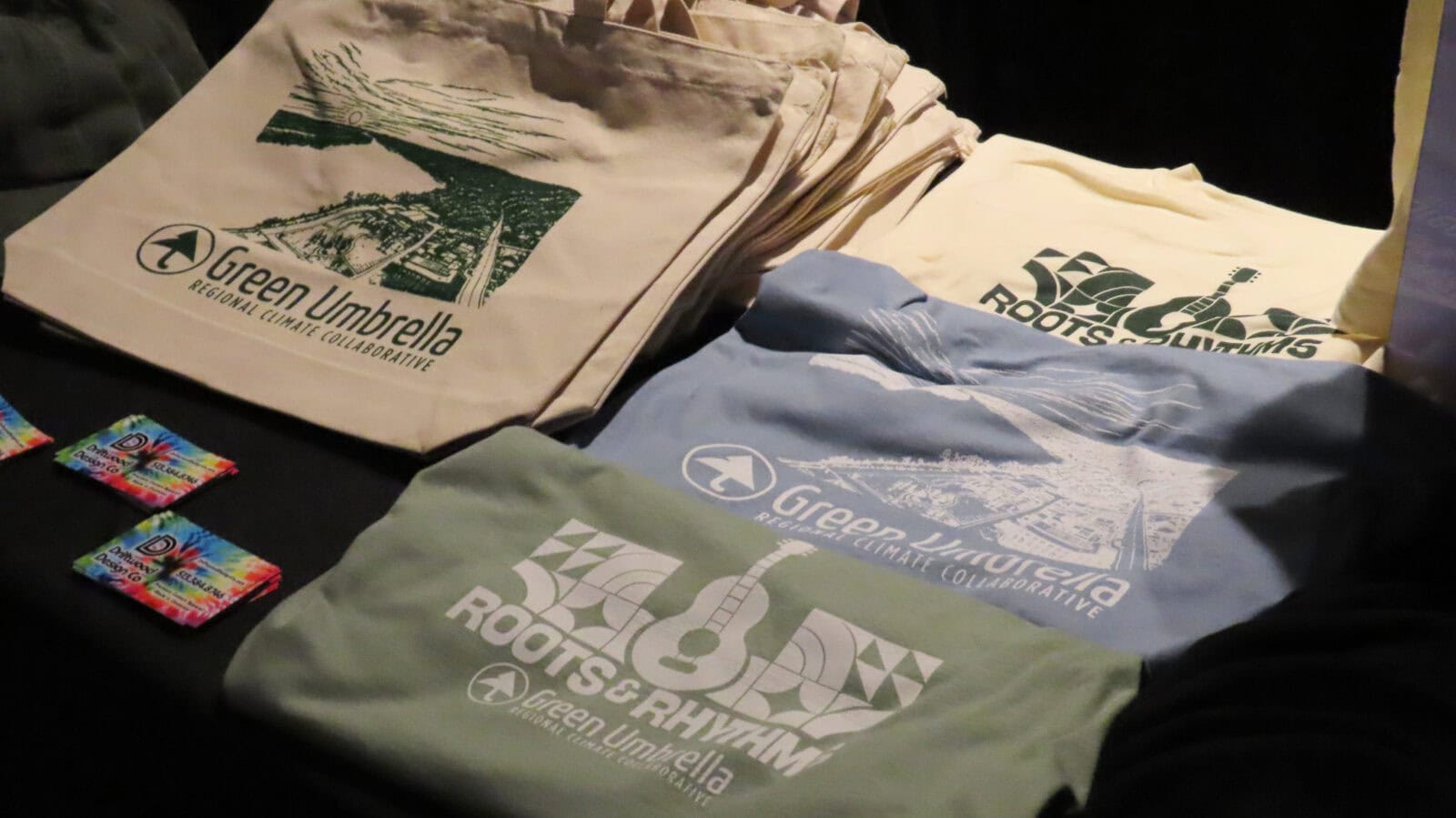
We also got to share some exciting news: Green Umbrella has merch! Our friends from Driftwood Design Co set up shop and did live screenprinting of the new Green Umbrella t-shirt, plus a limited edition Roots & Rhythms design. You can check out Green Umbrella’s store on Driftwood Design Co’s website to order shirts, sweatshirts, hats, and totes. All the items are produced on-demand locally and made from 100% cotton. 

The Music

We’re grateful to the excellent musicians who performed at Roots & Rhythms. Check out the bands below!

Ma Crow and Co.: This five-piece band weaves together bluegrass, country, blues, and early 20th-century roots influences into a high-energy, foot-stomping sound.

Pork City Slim: Delivering traditional acoustic blues with a soulful Americana edge, Pork City Slim blends blues and timeless storytelling.

Get Down River: Grounded in place and full of heart, Get Down River is a rich Americana mix of bluegrass, alt-country, folk, outlaw country, and traditional country.

The Vibes

This special night celebrated what’s possible when we come together for a stronger, more sustainable future. We want to thank everyone who supported Green Umbrella’s first benefit concert, plus a special thanks to our event sponsors, Urban Artifact and CityBeat. We’ll see you next time!

Filed Under: Green Umbrella News

Growing Climate Leaders: Inside the CRI 2025–2026 Cohort Journey

March 16, 2026 by Krystal Gallagher

This blogspot was written by Bamidele Osamika, Engagement and Evaluation Manager at Green Umbrella. For more information on opportunities to get involved, contact Bamidele Osamika at bamidele@greenumbrella.org.

The Climate Research Incubator

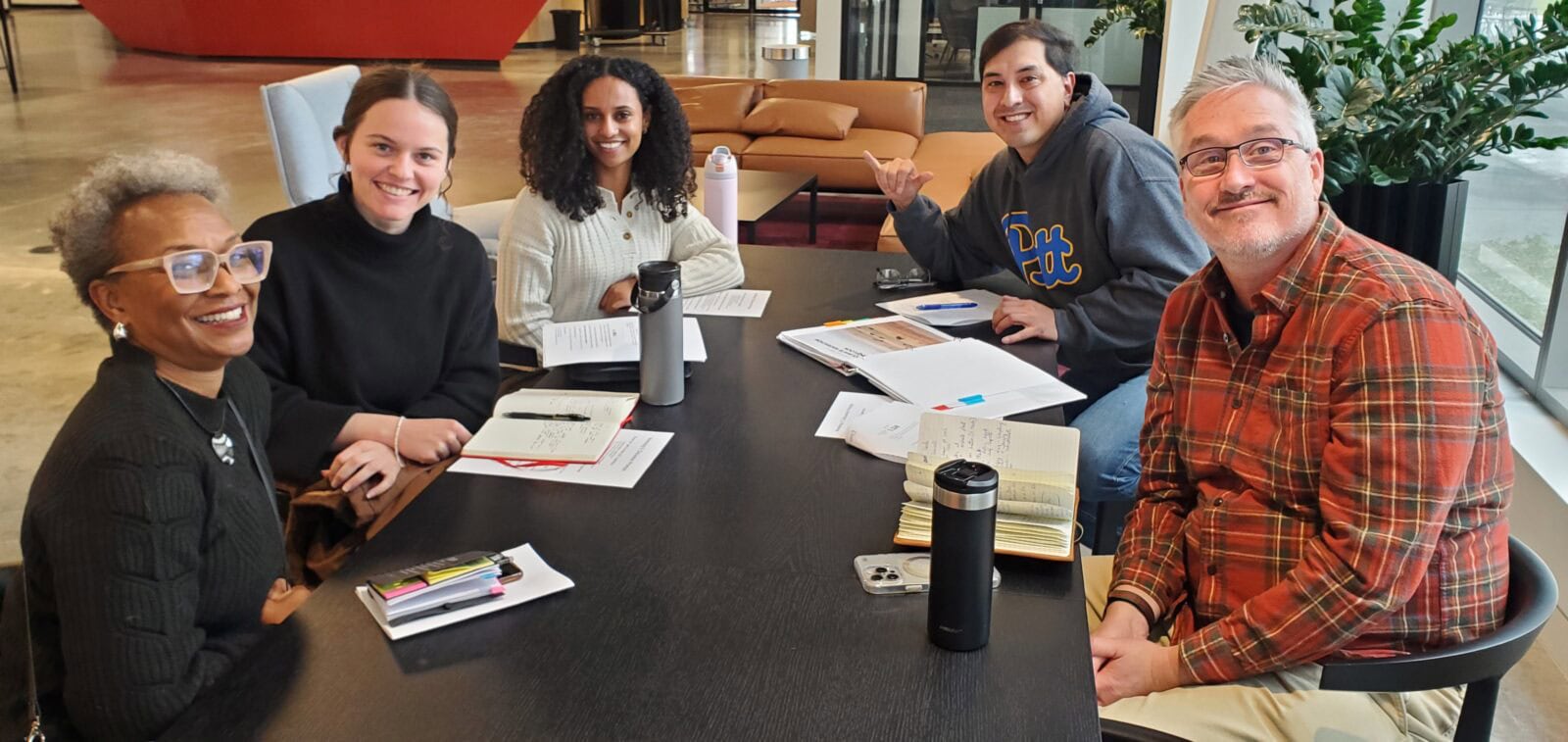
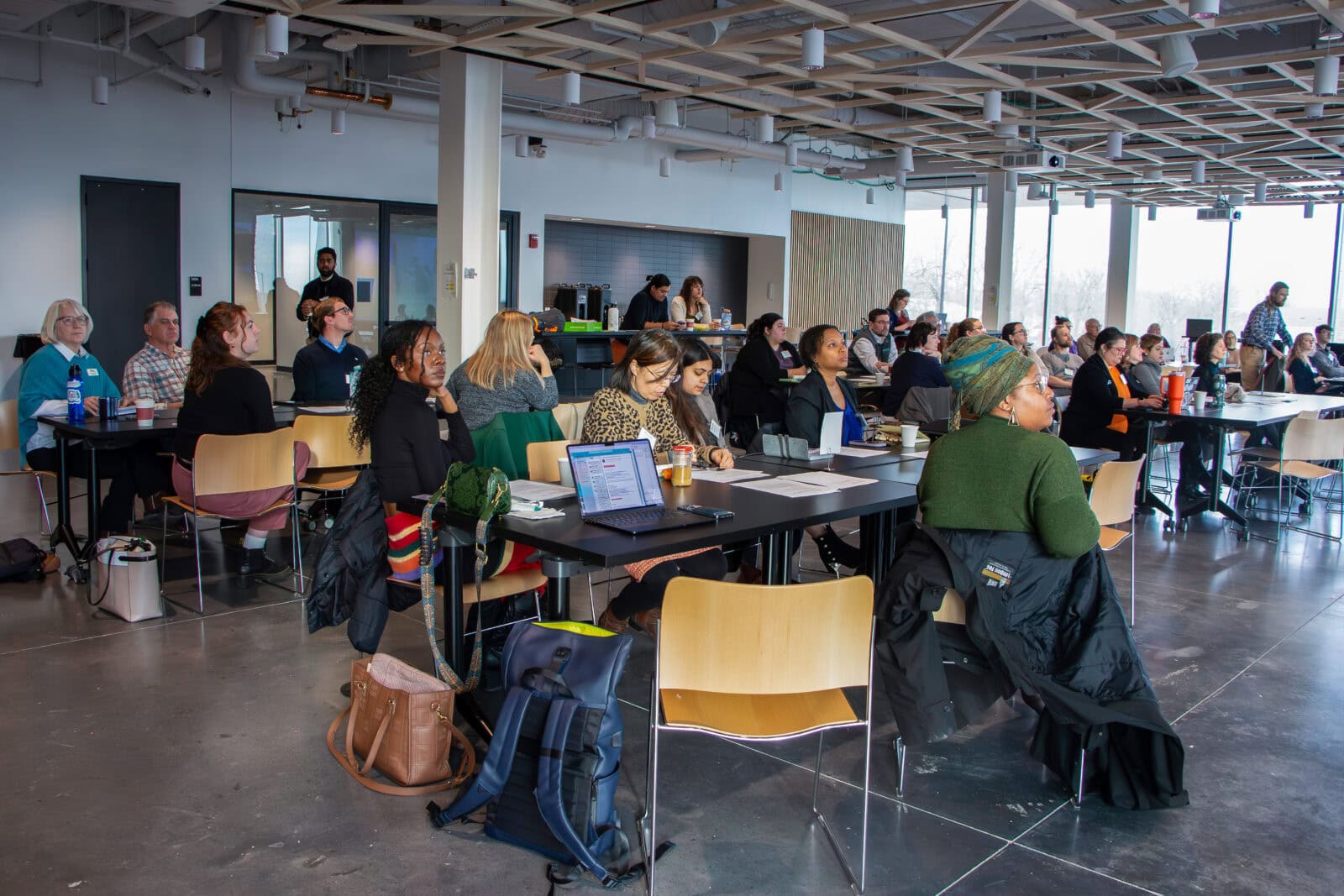
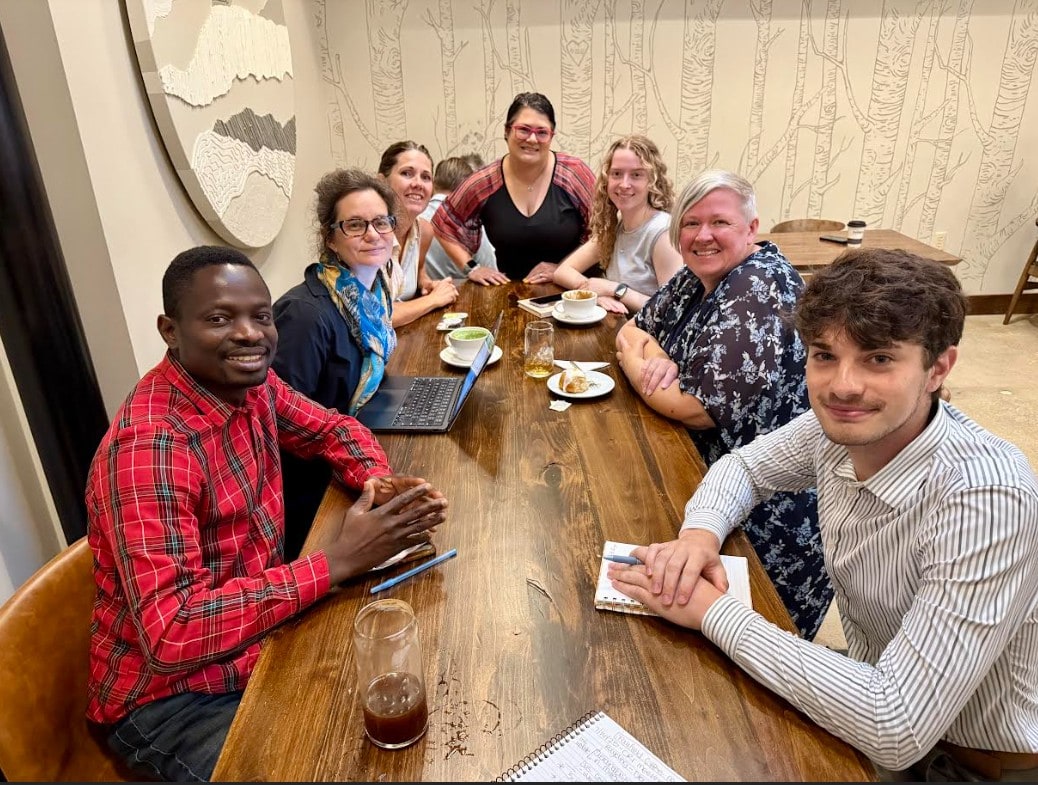
Green Umbrella’s Climate Research Incubator (CRI) trains regional researchers in climate science communication and community engagement. The CRI serves as a collaborative platform where scholars, community partners, and government representatives work together to better understand and respond to climate challenges across Greater Cincinnati.

CRI focuses on: 

  • Building researchers’ public engagement skills
  • Fostering meaningful partnerships among participants
  • Supporting actionable seed projects that are co-developed with communities

The ideas developed and research provided also support the progress of the forthcoming Sustainable Playbook for Greater Cincinnati, created by Green Umbrella and partners.

After the conclusion of the CRI for the year, the researchers and community partners host a public Climate Research Incubator Symposium where participants share their progress and seed projects. 

Impact of the Incubator

CRI launched in 2023 with 17 scholars across five regional institutions. Since its inception, CRI has trained over 40 scholars. Through its public symposium, ongoing programs, and regular engagements throughout the year, CRI has made a deep impact. It has connected over 300 residents, 50 community partners, and 20 government staff members. These relationships lead to lasting, community-driven projects. 

From the very beginning, CRI set out to be more than a traditional research program. Through a carefully designed workshop series, scholars engage directly with frontline residents, community organizations, and government partners. They gain practical tools for translating research into action and building lasting partnerships that advance collective climate impact across the region.

Looking Back on the 2024-2025 Cohort

In the fall of 2024, the 2024-2025 cohort kicked off with a series of training sessions. In one of their workshops, staff from the City of Cincinnati’s Office of Environment and Sustainability and the Ohio Environmental Council were invited to train scholars on communicating with government officials and staff.

The CRI Symposium in January 2025 had over 50 attendees, including scholars, community partners, and government officials, to discuss and seed resilience projects. Between February and April, the scholars further engaged in a series of project working sessions. These sessions fostered meaningful collaboration, enabling the development of existing projects, the exchange of innovative ideas, and the cultivation of new professional networks. One of the projects seeded in the 2024-2025 CRI cohort was the development of a new sustainability challenge to drive collaboration around practical ideas for climate action.

In September of 2025, the CRI cohort hosted the inaugural Sustainability Hackathon Challenge at the University of Cincinnati. The weekend-long challenge brought UC students together to brainstorm solutions for real-world sustainability issues. Judges from Green Umbrella,UC School of Environment and Sustainability, UC Office of Sustainability,City of Fairfield, City of Milford, Sustainability Central, Net Impact, and Bearcat Student Sustainability Council selected winning plans that addressed solutions to waste management, data tracking and reporting, and storytelling initiatives.


2025–2026 Cohort

The CRI 2025–2026 cohort welcomed 16 scholars from eight different institutions, bringing diverse disciplines, perspectives, and lived experiences to the table. United by a shared commitment to climate action, the cohort began a fall journey focused on strengthening public engagement, science communication, and collaborative leadership core skills needed to drive meaningful, regionally grounded climate solutions.

Workshop I: Public Engagement as the Foundation

The first workshop laid the groundwork for the cohort’s journey. Led by Kristy Hopfensperger, Green Umbrella’s Science Fellow and Professor at Northern Kentucky University, in partnership with Bamidele Osamika of Green Umbrella, the session introduced scholars to the vision and goals of the CRI and its alignment with Green Umbrella’s mission of accelerating climate action in Greater Cincinnati.

Scholars shared why they joined the CRI program, setting a tone of openness and purpose. The session presented a better way to work with communities: by partnering with them, listening to resident expertise, and building solutions together. Discussion topics included forms of community engagement, the role of community science, and the value of participation in building trust, relationships, and long-term impact.

Workshop II: Communicating Science with Clarity and Purpose

The second workshop focused on the art and responsibility of science communication. Led by CRI alumna Dr. Laura Zanotti, Professor and Director of the Environmental Studies Program at the University of Cincinnati, the session drew from her experiences working with CRI partners and community-based projects.

Dr. Zanotti shared lessons learned from sustained engagement with community partners, emphasizing the importance of listening, humility, and clarity. Scholars explored practical strategies for avoiding jargon, crafting accessible messages, and communicating science in ways that resonate beyond academic audiences. The workshop concluded with small-group discussions, where scholars began shaping project ideas and identifying shared interests.

Workshop III: Connecting with Government Through Story and Strategy

Effective climate action requires navigating public systems. In this workshop, scholars heard directly from government partners Molly Robertshaw (City of Cincinnati, Office of Environment & Sustainability) and Kylie Johnson (Ohio Environmental Council & OEC Action Fund), who offered insights into working productively with government institutions.

Johnson emphasized that personal and community stories are foundational to connecting with government decision-makers, while Robertshaw shared case studies demonstrating successful government–research collaborations. Together, they highlighted the importance of working with elected leadership, understanding institutional processes, and leveraging available resources to turn ideas into action.

Workshop IV: Building Power Through Collaborative Research

Collaboration took center stage in Workshop IV, led by Ryan Mooney-Bullock, Green Umbrella Executive Director. The session focused on effective project management, the principles of collective impact, and best practices for managing interdisciplinary teams.

Scholars explored how strong networks and regional connections can amplify individual efforts, helping research projects evolve into scalable, community-driven solutions. The discussion encouraged participants to think beyond silos and identify opportunities for partnership across sectors.

Workshop V: Aligning Research with Community Needs

The final workshop of the fall brought community voices directly into the room. Representatives from OKI, City of Cincinnati, ORSANCO, Groundwork Ohio River Valley, Gorman Heritage Farm, Cincinnati MSD, Rumpke, and others joined the cohort to share priorities, challenges, and opportunities for collaboration. 

This session reinforced a core CRI value: climate research is strongest when it is grounded in community realities. Scholars gained firsthand insight into how their work can support ongoing efforts and respond to real-world needs.

Looking Ahead: Learning Into Action

The fall 2025 program culminated in the Winter 2026 Annual Symposium on January 21, bringing together past and present scholars, community partners, and local government leaders of Green Umbrella’s CRI cohorts to co-develop climate resilience projects. In spring of 2026, scholars will transition into applied project work sessions, refining and advancing climate resilience ideas in close collaboration with community partners. 

Green Umbrella’s Climate Research Incubator, in partnership with the Center for Collaboration on Climate and Community for Health (C4H), recently announced the recipients of the Grassroots Collaboration Award. Funded by the National Institutes of Health, this award supports research that focuses on community priorities, leads to real-world impact, and addresses the health impacts of climate change in neighborhoods that are most at risk. Two CRI projects are: 

  • Understanding the Mental Health Needs of Those Experiencing Harm Due to Climate Change in an Economically Burdened, High-Risk Community.
    • Led by Nzingha Dalila, EdD, LPCC-S, LCDC-III, Clinical Counselor and Instructor of Psychiatry and Behavioral Neuroscience at the University of Cincinnati (UC), and Earnest J. Davis, Jr., Ph.D, President of the Mantle Center, Community Psychology Health Collaborative. 
    • This project works directly with Bond Hill residents to better understand how climate-related events (such as extreme heat, flooding, pollution, infrastructure disruptions, and more) impact residents’ emotional and mental well-being. The findings will help shape future behavioral-health programs and climate strategies that center the experiences of the people most affected.
  • Ground Yourself in Green Space: Avondale
    • Led by UC Assistant Professor Anca Matyiku, Ph.D.; Aisha Tzillah of the Avondale Development Corporation; NKU Assistant Professor Yingying Xie, Ph.D.; and Crystal Russell, Coordinator of Macklin Legacy Garden.
    • This effort engages Avondale residents in environmental workshops and green-space activities that highlight the connections between nature, community health, and resilience. By increasing awareness and involvement, the team aims to inspire residents to advocate for more greenspaces and healthier neighborhood environments and create a model for other communities facing environmental injustice.

As the CRI 2025–2026 cohort moves forward, one thing is clear: this community of scholars is not just learning about climate solutions, they are actively building the relationships, skills, and shared vision needed to make them real.

Filed Under: Green Umbrella News

Greater Cincinnati Regional Food Policy Council Announces New Members

March 12, 2026 by Krystal Gallagher

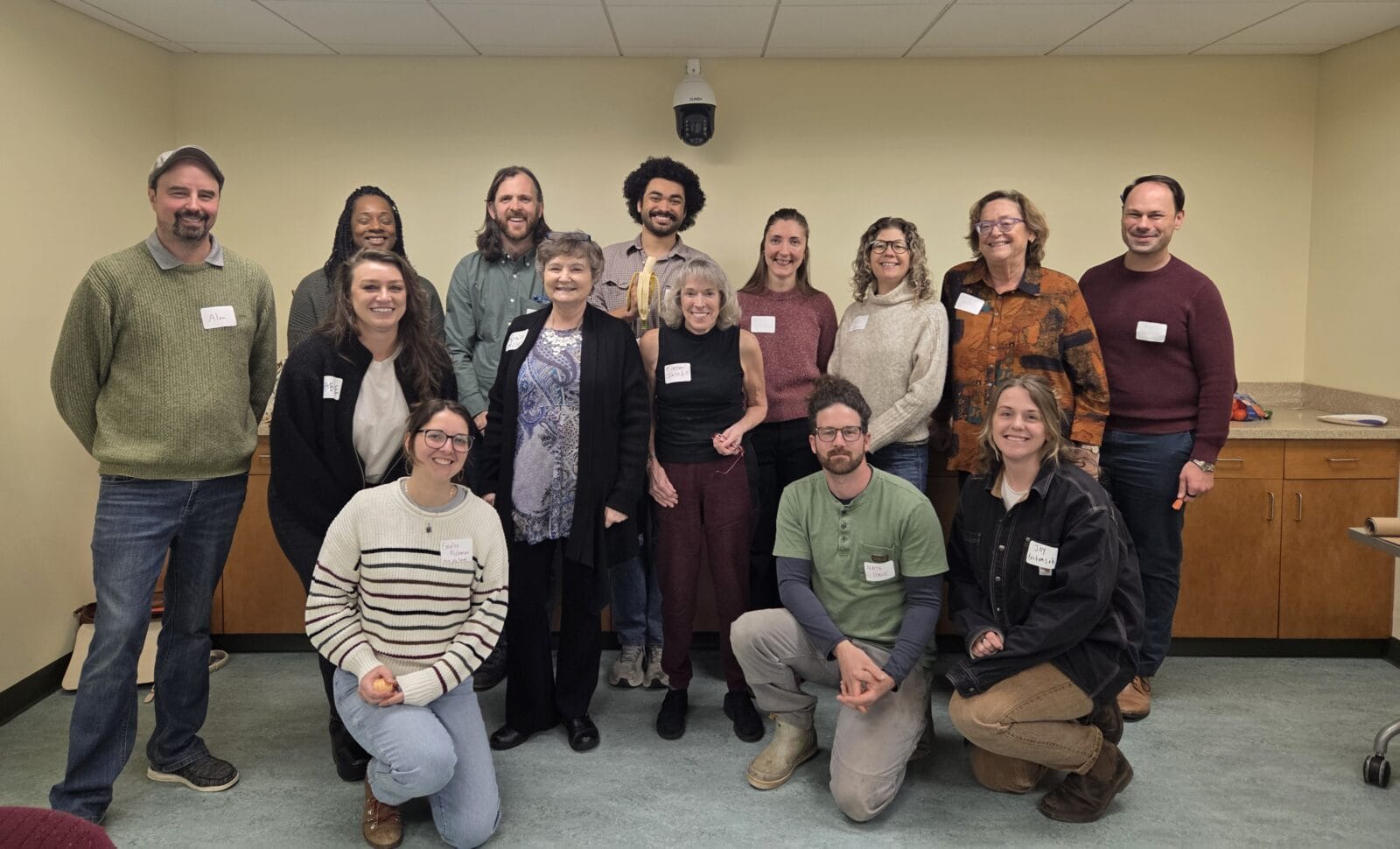
Thursday, March 5, 2026 – Green Umbrella has announced the members of the 2026 Greater Cincinnati Regional Food Policy Council. The Food Policy Council, a program of Green Umbrella, is a cross-sector collaborative of food system experts and advocates working together to advance an environmentally, socially, and economically resilient regional food system through policy and systems-level work. 

The Food Policy Council works to bring about policy-driven change. Council members bring their experiences and expertise to collaborate on advocacy and educational campaigns, reducing food waste, strengthening and preserving farmland, increasing local food procurement, and informing decision-makers. “This group has a very diverse understanding of the food industry, with expertise all across the food system,” says Rosa Baker, Green Umbrella’s Food Policy Council Manager. “I’m really excited for what we’ll accomplish this year.”

In previous years, the Food Policy Council advocated for and was a driving force in the updated standardized zoning codes in Cincinnati that allowed for the expansion of local urban gardens in 2019; provided education, advocacy, and technical support to Cincinnati Public Schools in their adoption and expansion of the Good Food Purchasing Program (GFPP); advised on the Green Cincinnati Plan and the Regional Sustainability Playbook; and advocated for a strong federal Farm Bill that supports food producers across the country.

The first convening of the new Food Policy Council met on March 2, where they focused on building an updated Food Policy Network regional map. The 2026 members are: 

  • Rosie Allen, Educator (Returning)
  • Gary Beatty, Inland Shrimp Company (Returning)
  • Jared Beckman, Chef
  • Sable Bender, WESTIL
  • Dominic Bley, Garden of Joy
  • Nick Bliven, FUEL NKU
  • Polly Campbell, Writer (Returning)
  • Rosa Christophel, HomeBase Cincinnati
  • Nicole Gunderman, Hamilton County Conservation District
  • Nate Hale, Agricultural Professional
  • Fran Knox-Kazimierczuk, Advocate (Returning)
  • Joy Kostansek, Ohio CDC Association (Returning)
  • Kimberly Jacobs, East Walnut Hills Farmers’ Market (Returning)
  • Michelle Merrett, Hamilton Urban Garden Systems (Returning)
  • Mark Mitchell, Xavier University (Returning)
  • Taylor Newman, Advocate
  • Rachel Powers, CORV Local Food Guide
  • Emalee Richman, Rich Life Farm (Returning)
  • Tony Staubach, Hamilton County ReSource (Returning)
  • Jacob “Possum” Strous, Community Garden Steward
  • R. Alan Wight, Educator (Returning)
  • Adrienne Wiley, Healing Center
  • Tracy Wilking, Advocate (Returning)

For the full bios of Food Policy Council members, visit the link here.

Filed Under: Green Umbrella News, Press Releases

Under Our Umbrella – Introducing Our Five-Year Strategic Plan

February 19, 2026 by Krystal Gallagher

Green Umbrella brings our region together to work on environmental issues that no one could tackle alone. We collaborate with governments, nonprofits, schools, businesses, and residents—helping these partners turn their ideas into action and working side by side to make our communities healthier, more resilient, and better prepared for what’s ahead.

To ensure that we do this work to the best of our ability, Green Umbrella embarked on a strategic planning process in 2025 to plot the course for our next chapter. Building on a strategic alignment process completed in 2023 with the Institute for Conservation Leadership, we worked with Skystone Partners alongside all our major stakeholders to create this plan, and with Wordsworth Communications to tell our story. We are pleased to share the outcomes of this hard work!

The Strategic Plan is designed to do three things:

  1. Strengthen how Green Umbrella operates
  2. Accelerate what Green Umbrella accomplishes collaboratively across the region
  3. Celebrate progress—no matter how small—in the moment

Our Commitment

Over the next five years, Green Umbrella will connect, educate, and equip our partners to accelerate environmental progress for everyone in our region while becoming a resilient organization that is well known as the go-to source for climate solutions and sustainability leadership. To achieve this, our plan is focused on five strategic priorities:

1. Policy Change

Advocate for policy solutions that move our region toward a more resilient, climate-ready future.

We Will: Activate Green Umbrella constituents to adopt and implement strategies from a regional climate action playbook, leading to significant reductions in pollution and resource consumption, improved resilience and preparedness, and equitable distribution of benefits.

2025 Fellows with Supervisors

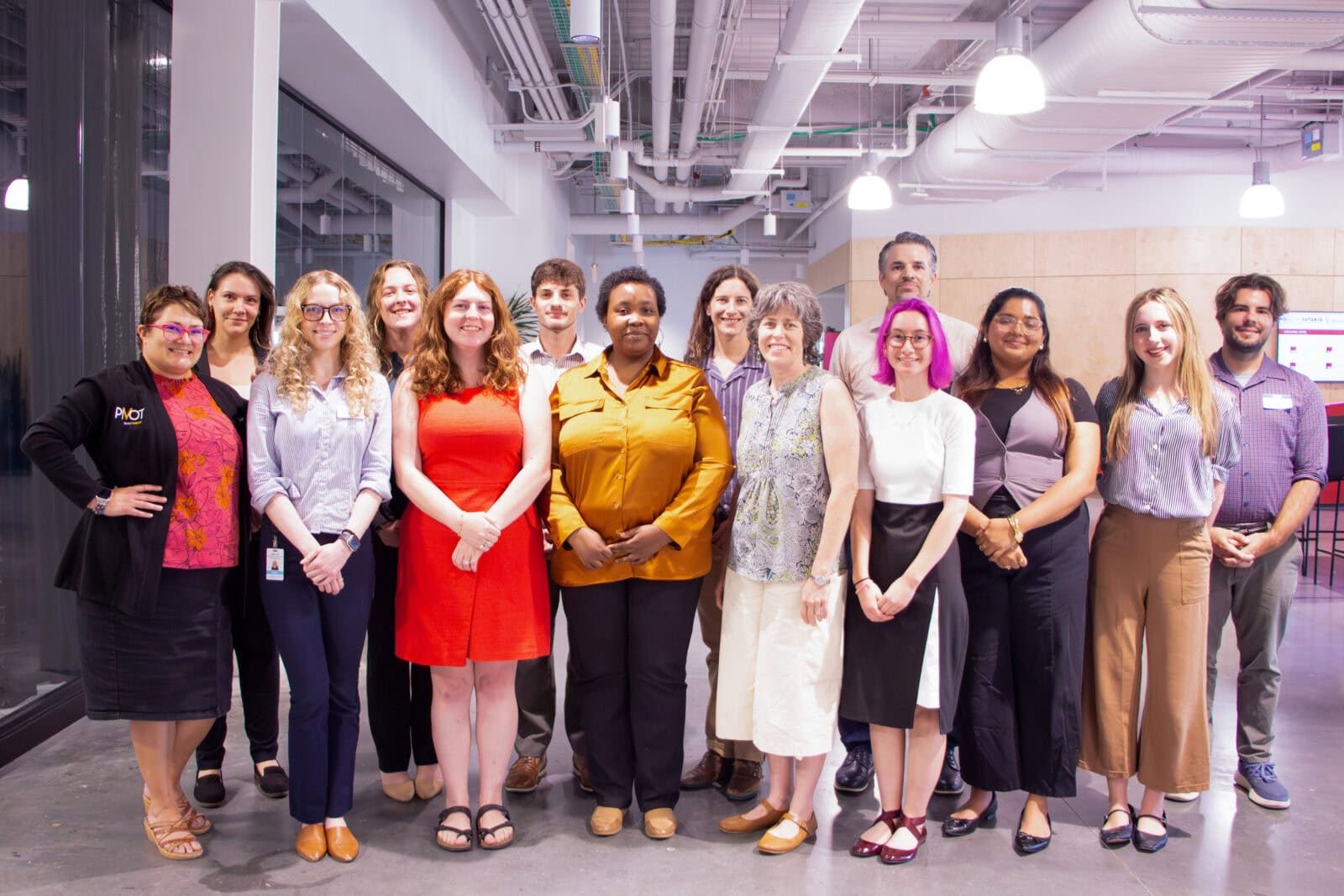
Example In Action: Since 2023, we have advanced sustainability while building the capacity, experience, and networks of local governments and emerging professionals through our Climate Action Fellowship. By pairing students and professionals with Green Umbrella local government members across Greater Cincinnati, we have helped foster 6 new sustainability committees, initiate 6 climate planning processes, and complete 28 community-based climate projects.

2. Collaborative Leadership

Support collaborative leadership that drives measurable, equitable action through a regional climate action playbook and our membership and convenings.

We Will: Cultivate and build ownership with new and current climate leaders in our region through training, technical resources, cohort programming, and collaborative teams.

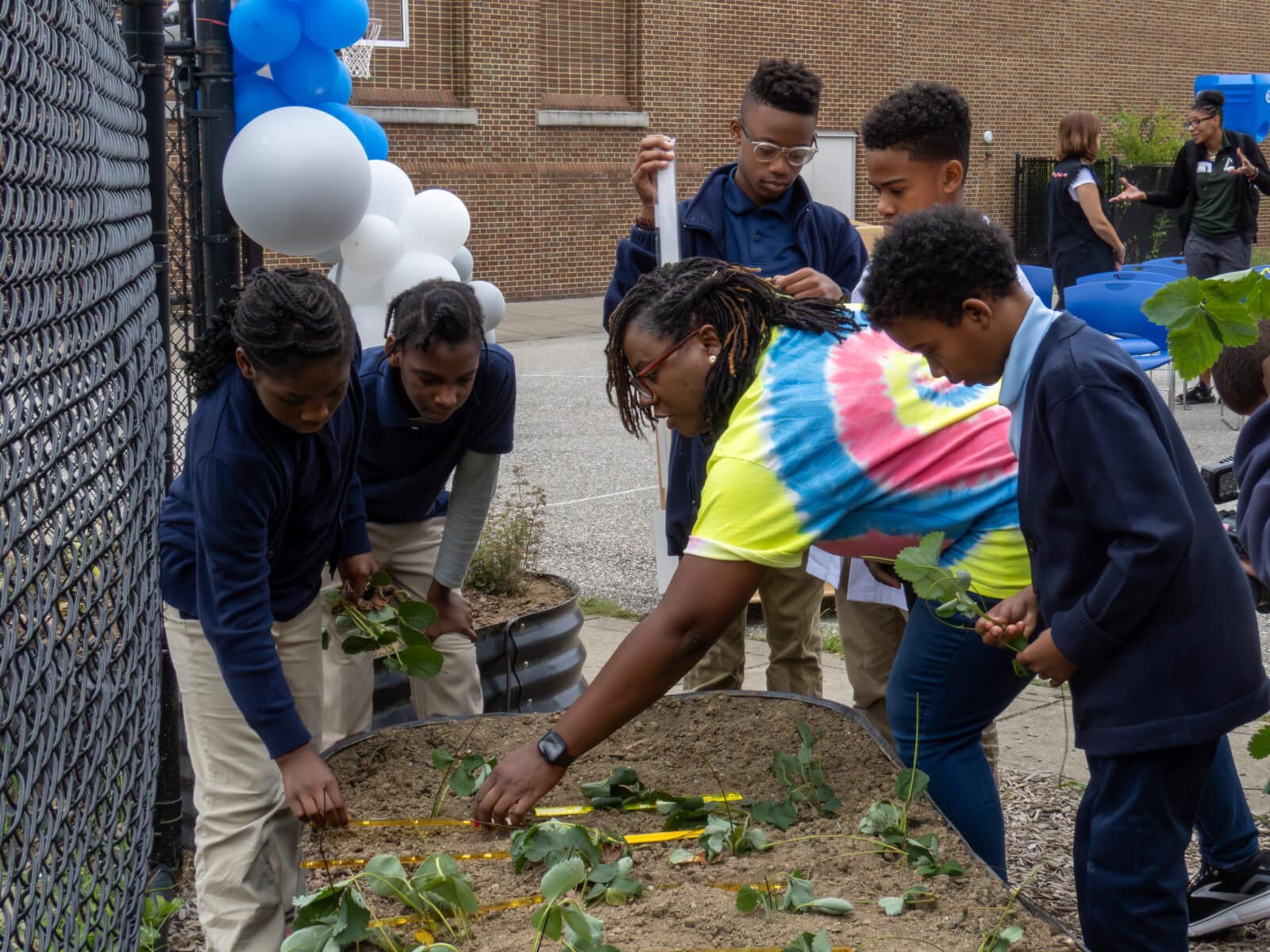
Green Schoolyard at Bond Hill Academy

Example In Action: With support from Green Umbrella’s Green Schoolyards Action Network, Cincinnati Public Schools (CPS) has undergone a remarkable transformation. In just five years, what started as an effort to increase access to green schoolyards has grown into a district-wide shift in how students learn, eat, and prepare for the future. Today, through collaboration with Green Umbrella and leaders on the Strategic Partnerships for Greener Schools Committee, CPS now has outdoor learning spaces in 60 of its 66 campuses, expanded green workforce programs across grade levels, student farms feeding cafeterias, and a local school wellness policy.

3. Strategic Communications

Use bold positioning and communications to educate, engage, and celebrate the people and partners creating change

We Will: Consistently deliver communications that educate stakeholders on regional climate priorities, equip partners with actionable insights, celebrate collective progress, and connect diverse audiences to shared solutions and opportunities for impact.

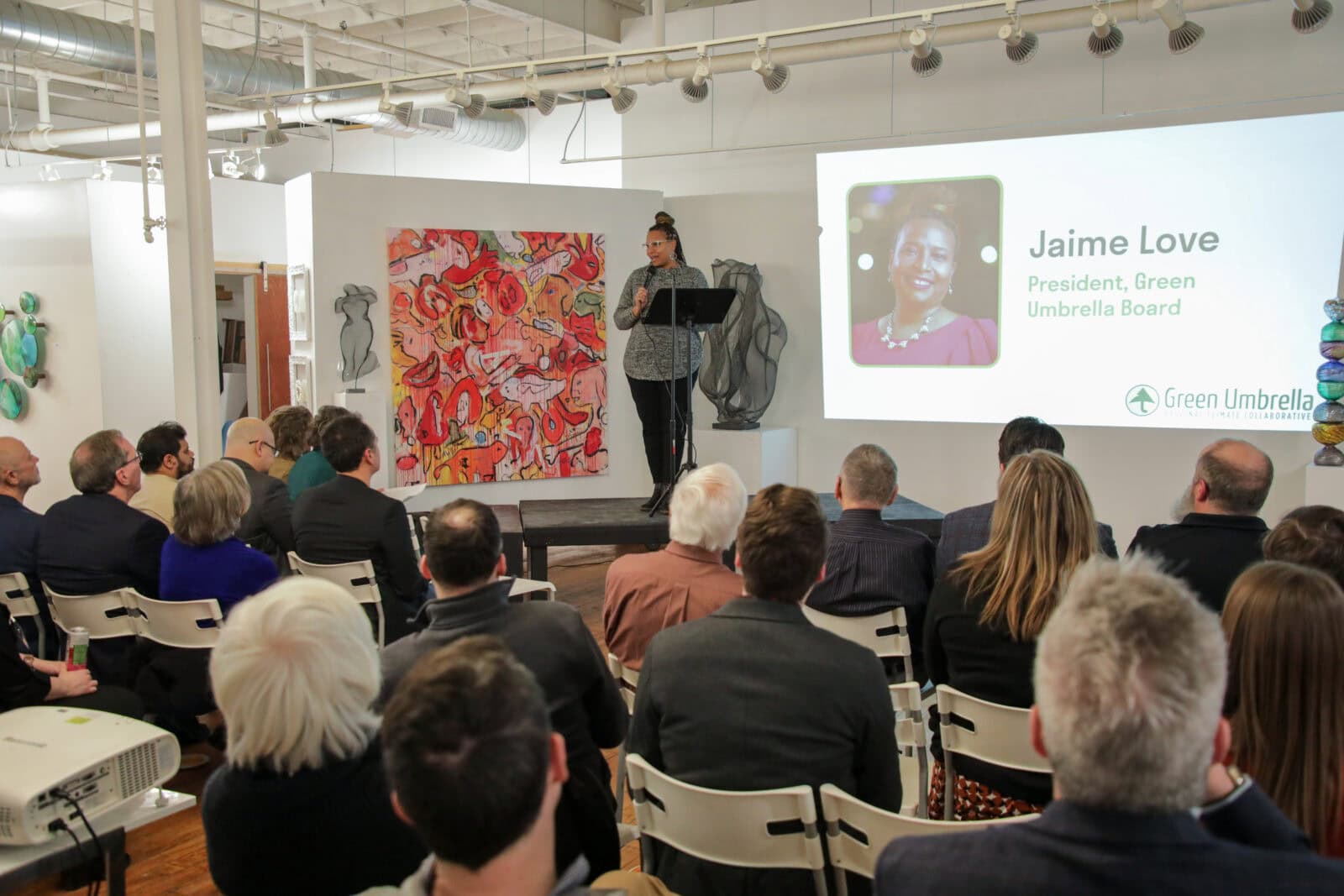
Green Umbrella President of Board,
Jaime Love

Example In Action: On February 10, we hosted our Annual Impact Celebration. Sustainability leaders, community partners, and supporters came together to not only look back on everything accomplished in 2025, but to look ahead to the coming year with confidence and optimism. At the event, we announced the strategic plan and celebrated both organizational and community leadership on climate across Greater Cincinnati. Read more about the event here.

4. Revenue Diversification

Strengthen financial resilience by diversifying income.

We Will: Diversify revenue streams to ensure that at least 75% of annual income comes from non-grant sources, while maintaining strong and effective grant funding strategies.

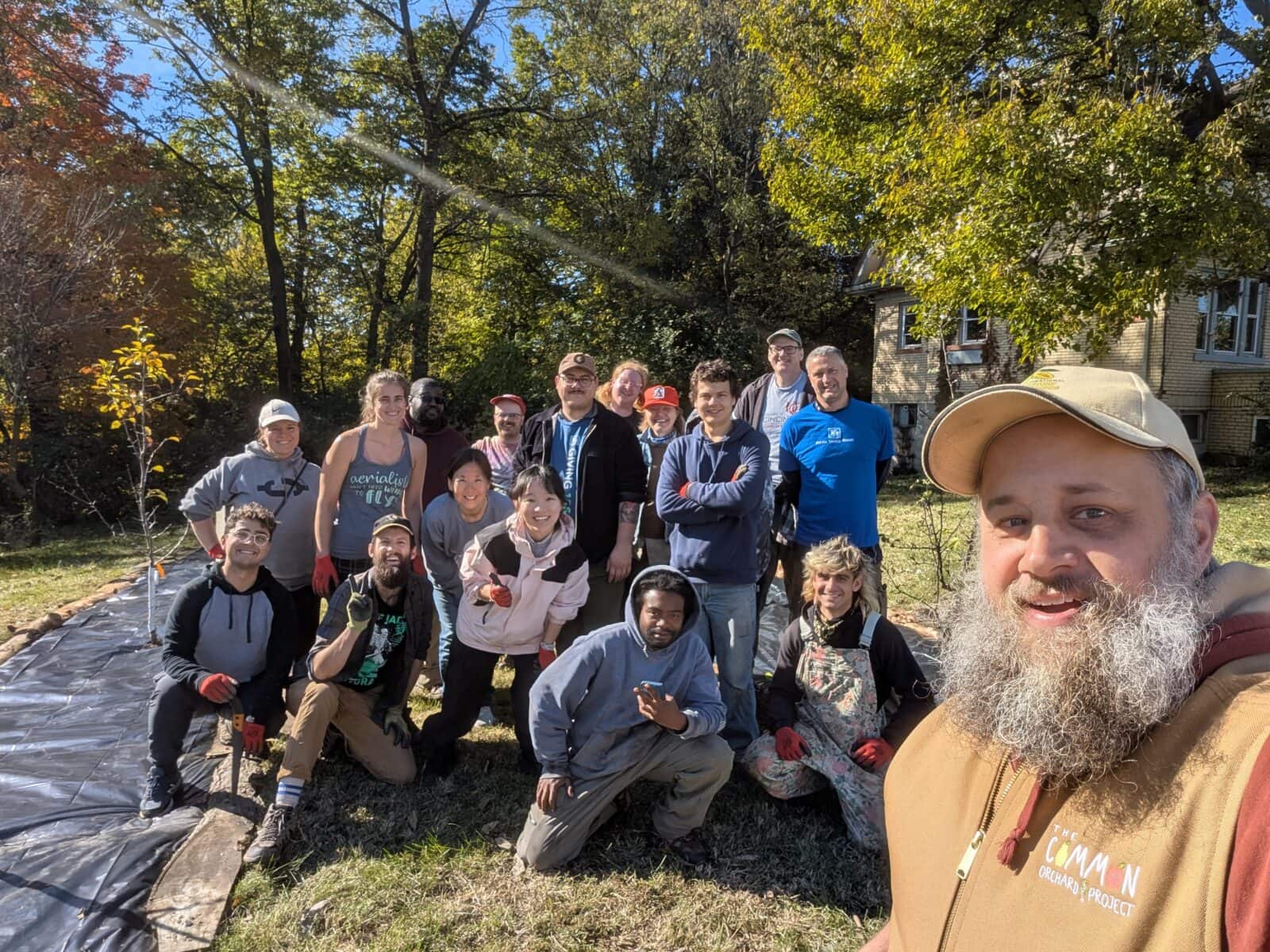
Common Orchard Project Director, Chris Smyth, with volunteers

Example In Action: We have been incredibly fortunate over the last 8 years to add staff capacity to support local environmental challenges, and much of that growth has been fueled by grants. But due to shifting priorities at the federal level with respect to climate action, we recognize that the uncertainty of grant funding—both from the public and private sectors—means we cannot be too reliant on them. In 2025, we hired our first Development Manager and worked with Skystone Partners to create a Development Assessment. With the right team and strategies in place, we are ready to take the next steps in 2026. Your support through membership, sponsorship, ticket purchases, and donations is helping us reach this diversification goal.

5. Capacity & Efficiency

Optimize our internal systems to enhance efficiency, clarity, and responsiveness.

We Will: Establish clear ownership and roles, align staff and stakeholder energy with mission delivery, and strengthen systems that promote responsiveness and flexibility.

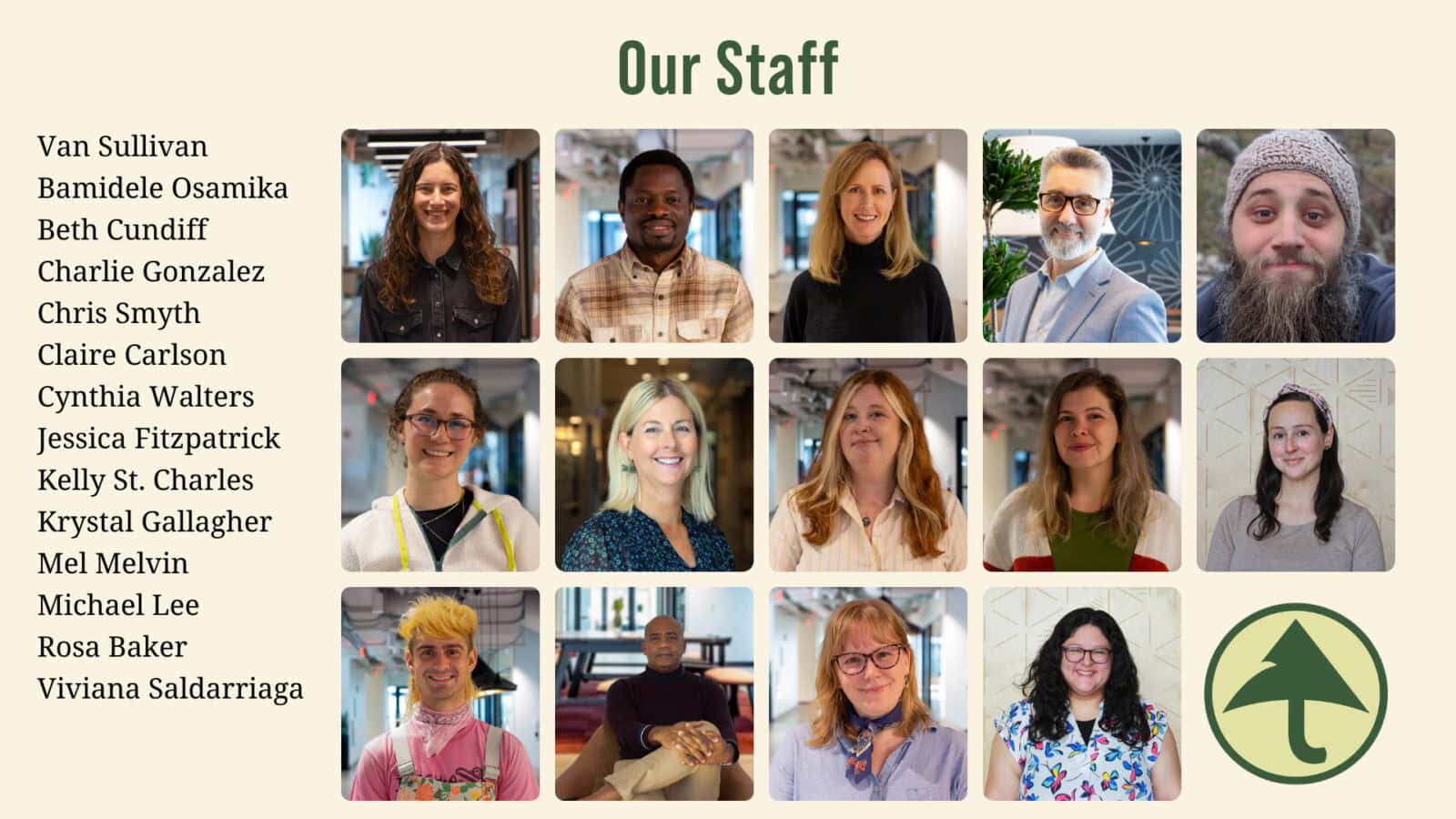
Example In Action: Our Current Team! We are fortunate to have passionate and dedicated staff who are committed to climate action and collective impact. Whether they’re hosting collaborative meetings, designing trainings to meet community needs, or working with partners to implement plans and projects, our leaders are committed to continuous improvement both internally and in our collaborations.

Green Umbrella Staff

Along the way, we will celebrate the wins that prove we’re building a community—and shaping a future—we want to live in. We are excited for the path ahead, but we know we can’t do this work alone; we need your engagement and support. Join us by:

– Participating in an upcoming event

– Having your organization join Green Umbrella as a member

– Donating to support the next chapter of Green Umbrella and help us create a more resilient, equitable, and thriving region

Your engagement and donations make a difference! Learn more about our impact here.

If you have questions, please connect with me directly at van@greenumbrella.org. I look forward to working with you in 2026!

Filed Under: Green Umbrella News

Under Our Umbrella: A Year of Collective Impact

February 11, 2026 by Kelly St Charles

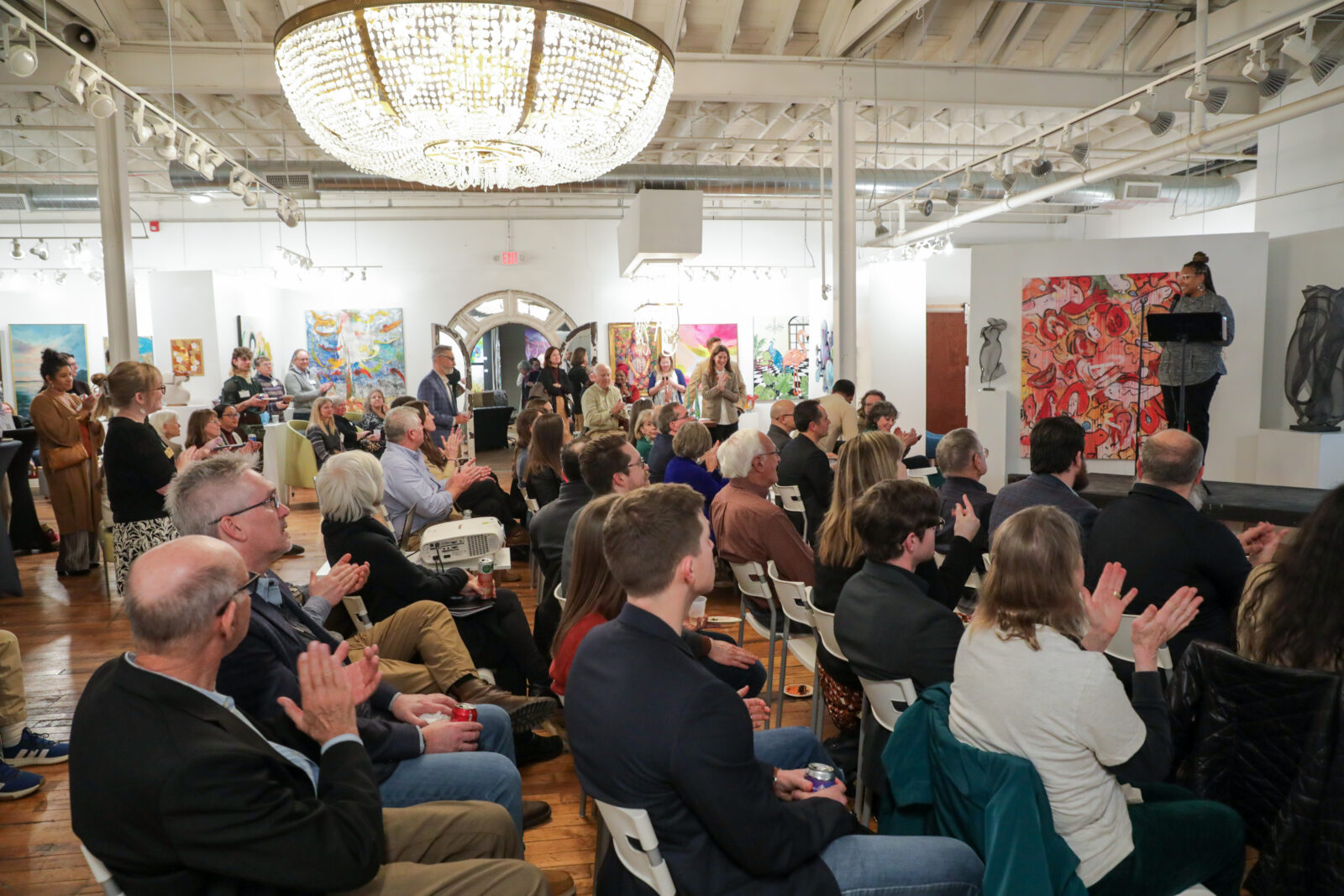
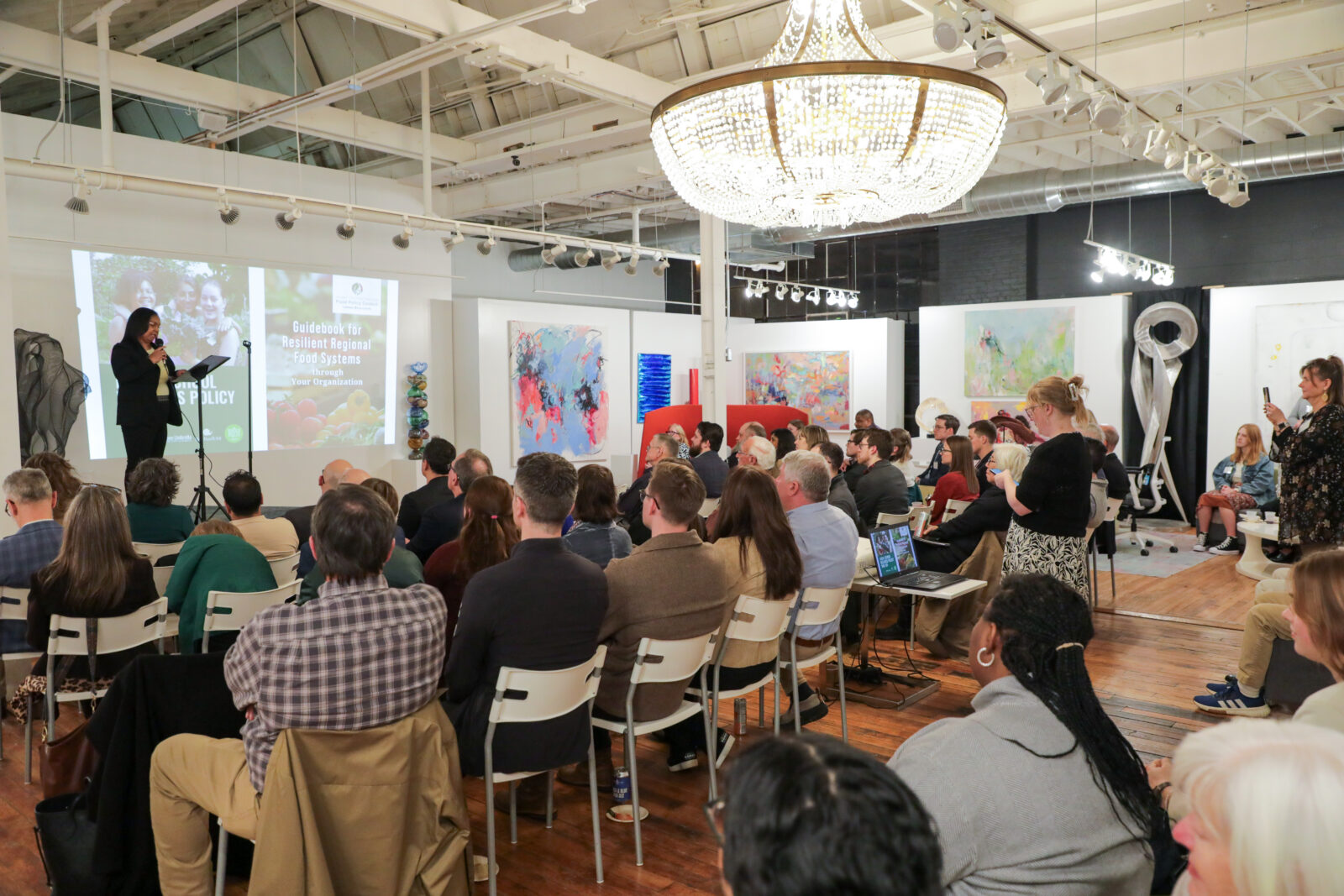
On February 10, 2026, sustainability leaders, community partners, and supporters came together for Green Umbrella’s Annual Impact Celebration. The evening was not just about looking back; it showed what can happen when a region unites to face environmental challenges.

As Board President Jaime Love welcomed attendees, the message was clear: “Green Umbrella is all about bringing our region together to work on environmental issues that no one could tackle alone. It’s important to celebrate the real progress our partners have made.”

2025: A Year of Measurable Impact

And progress there was! The numbers shared at the celebration showed how working together led to real environmental action in our region:

  • We united people and organizations from all sectors—governments, nonprofits, schools, businesses, and communities—to share solutions, coordinate efforts, and work for a healthier, more resilient region. Our network now includes 184 active members and continues to grow.
  • We supported our boots-on-the-ground community partners by hosting or co-hosting 52 trainings, helping 2,038 people better understand local environmental challenges and make informed decisions.
  • By providing tools, data, and coordination, we helped partners turn plans into results for the whole region. Five new communities joined our 25 Communities Project to get ready for climate change. Ninety-eight community climate projects were completed, and we trained over 190 new climate leaders to boost our region’s ability to act.
  • We also saw exciting progress in neighborhoods across our region: 160,000 pounds of food scraps were composted in Hamilton County, keeping them out of landfills; 190,026 pounds of methane were avoided through food waste diversion; 3,875 pounds of local produce were grown in community orchards; acres of greenspace protected rose to nearly 129,000; and 60 out of 66 Cincinnati Public Schools had green schoolyards features.
Cincinnati Public School Superintendent Shauna Murphy

Behind each statistic is a story of partnership. Hamilton County Commissioner Denise Driehaus shared countywide achievements through the 25 Communities Project and Climate Action Fellowships, including food-waste diversion, climate budgeting, and a forthcoming county-wide Sustainability Plan. Cincinnati Public Schools Superintendent Shauna Murphy reported on district-wide outdoor learning gains, expansion of workforce pathways, and progress toward serving student-grown food in cafeterias—transforming how our youngest residents experience environmental stewardship. Angie Burke from The Nature Conservancy highlighted how the Climate Action Fellowship is helping build the region’s green job talent pipeline. Jennifer Foster, Vice President of the Avondale Community Council, shared how “Ground Yourself in Greenspace: Avondale” is engaging residents through data and stewardship.

These achievements didn’t happen in isolation. They represent the power of Green Umbrella’s collaborative model—bringing together governments, nonprofits, schools, businesses, and community residents to turn ideas into action.

Honoring a Legacy of Leadership

A poignant moment of the evening came with the recognition of outgoing Executive Director Ryan Mooney-Bullock. Partners across the region acknowledged her transformative leadership and the indelible mark she’s leaving on Green Umbrella’s collaborative climate work.

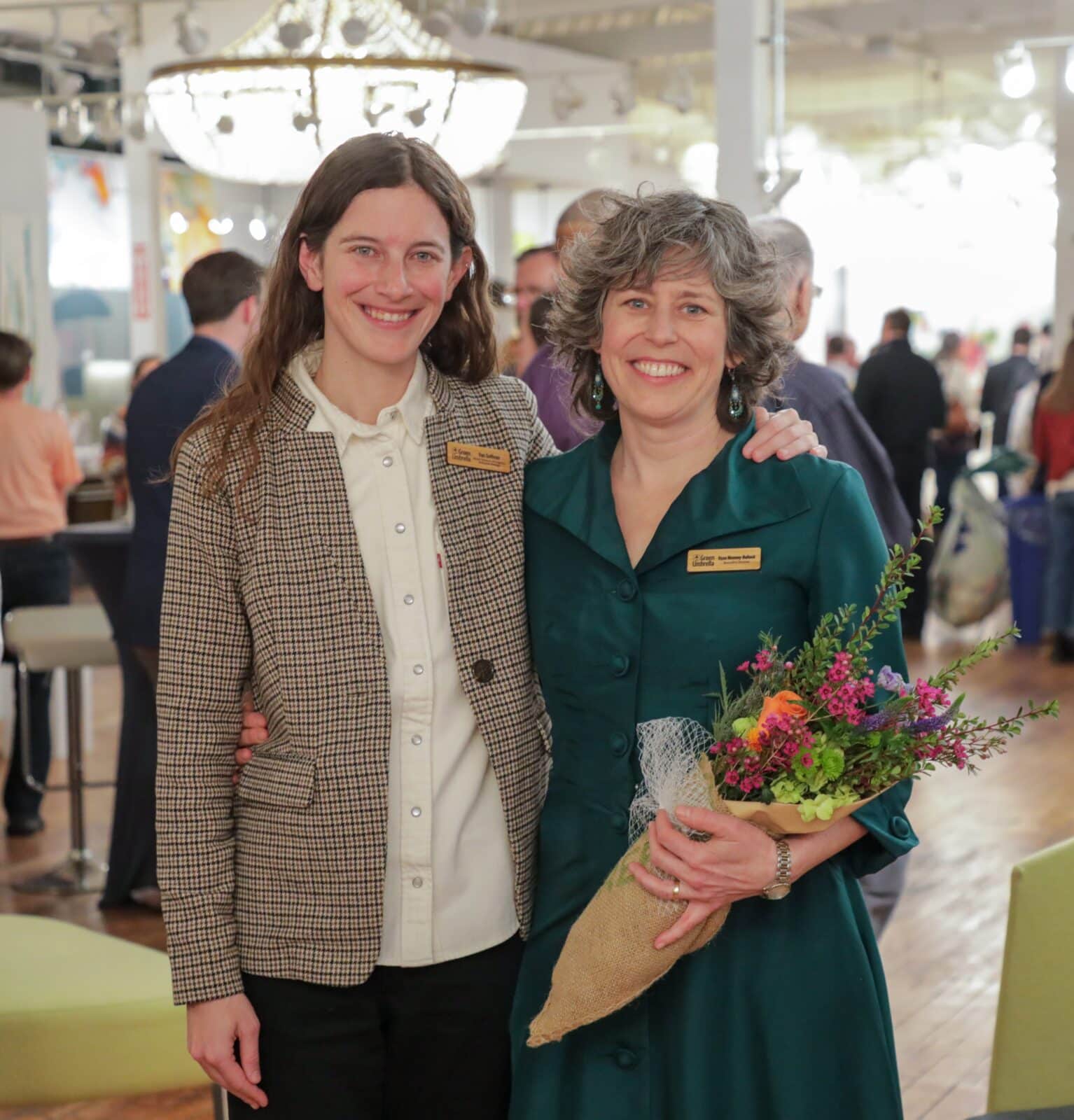
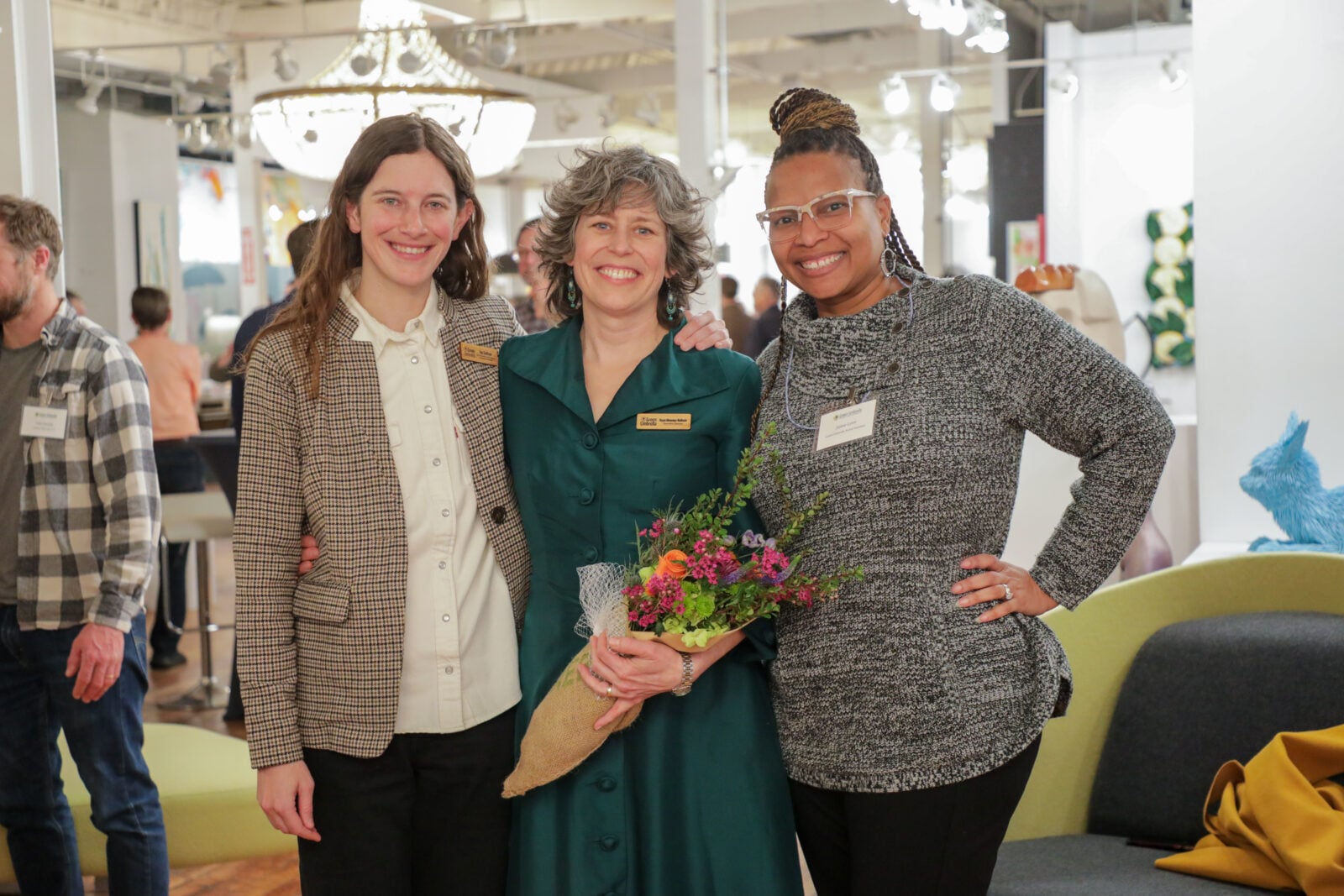
Van Sullivan presents Ryan Mooney-Bullock with flowers from the Green Umbrella staff

“Under Ryan’s leadership, Green Umbrella stands stronger than ever, rooted in a clear strategic vision, energized by deep community partnerships, and positioned to accelerate our region’s response to the environmental challenges ahead,” said interim executive director Van Sullivan. “Ryan leaves the organization in truly excellent shape, equipped to thrive in our next chapter.”
For Ryan, the work has always been about the collective. “It has been an honor and a privilege to work alongside so many passionate partners, community leaders, and staff who believe in a healthier, more resilient future for all of us,” she reflected. “We have built something truly special together, and I have full confidence that this important work will continue.”

That confidence is well-placed. Ryan’s legacy is not only in the programs and partnerships she established, but also in the strong foundation of collaboration she helped create. Today, Green Umbrella is a network of 184 active members across 10 counties, guided by a clear strategy, proven programs, and strong community trust. Our foundation is solid, our vision is clear, and our momentum is growing.

Looking Ahead: 2026 and Beyond

Green Umbrella is at a pivotal moment, and we are looking ahead with confidence and optimism. In 2026, we will focus even more on what works: collaboration, community-based solutions, and measurable action. Our plans reinforce our role as a regional convener that helps members reach their climate and sustainability goals. This year, we will strengthen collaboration, expand climate-readiness efforts, and create new ways for the community to get involved.

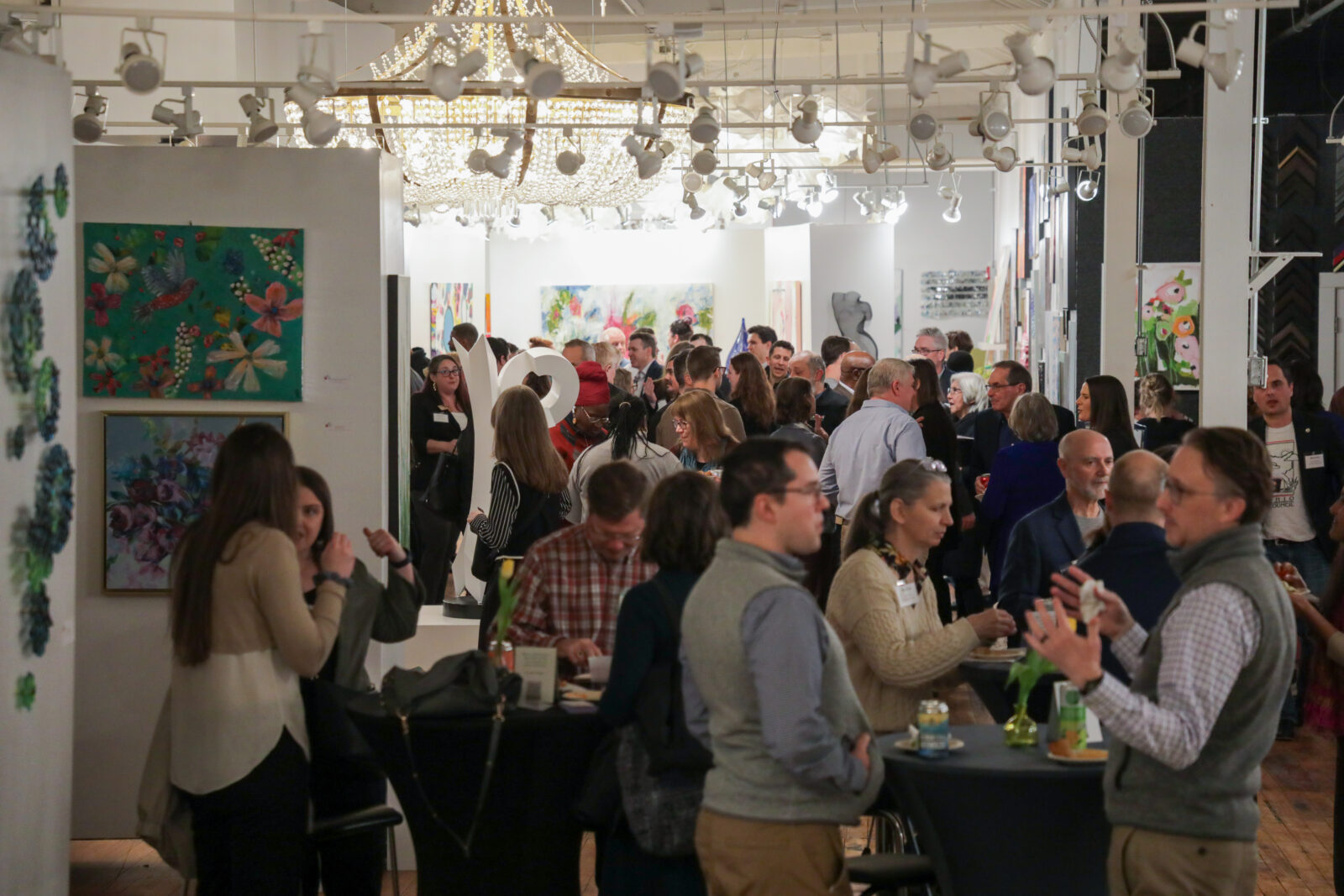
Guests mingle at the Impact Celebration in the beautiful ADC Fine Art space

For instance, we will keep focusing on policy change to help our region make progress for everyone. Later this year, we will release a regional playbook that gives local groups a list of solutions for sustainability, equity, and resilience. This playbook builds on the recent ThriveTogether emissions drawdown plan. We will help communities and organizations adopt policies and projects that cut emissions, improve health and equity, and boost environmental resilience.

All of this work is accomplished through local leaders and advocates, who are at the heart of our strategic plan. As the Regional Climate Collaborative for Greater Cincinnati, we help local decision-makers to work collaboratively across jurisdictions and sectors. Our member benefits, technical assistance, educational programming, and collaborative teams are how you will see this work in action.

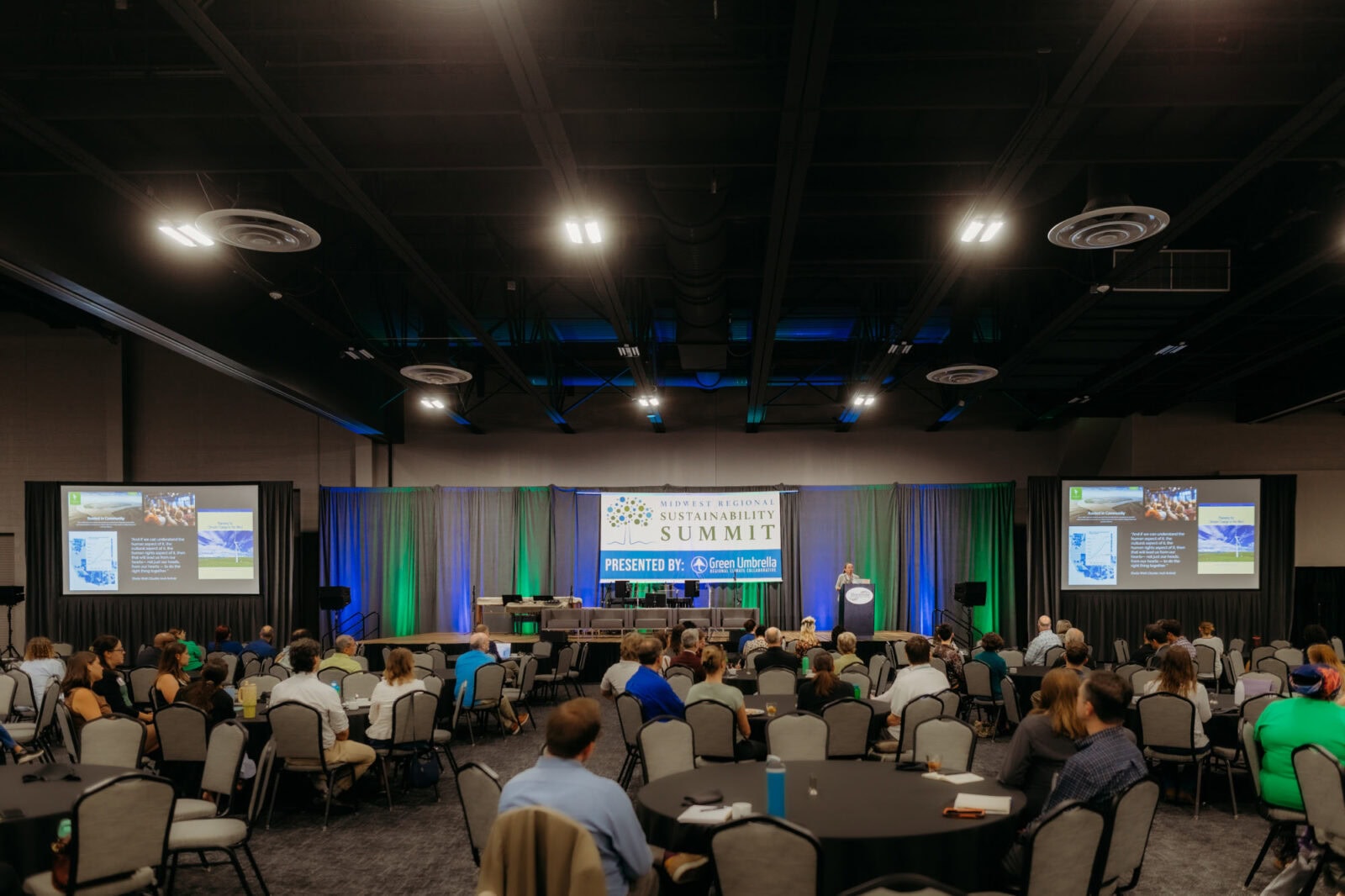
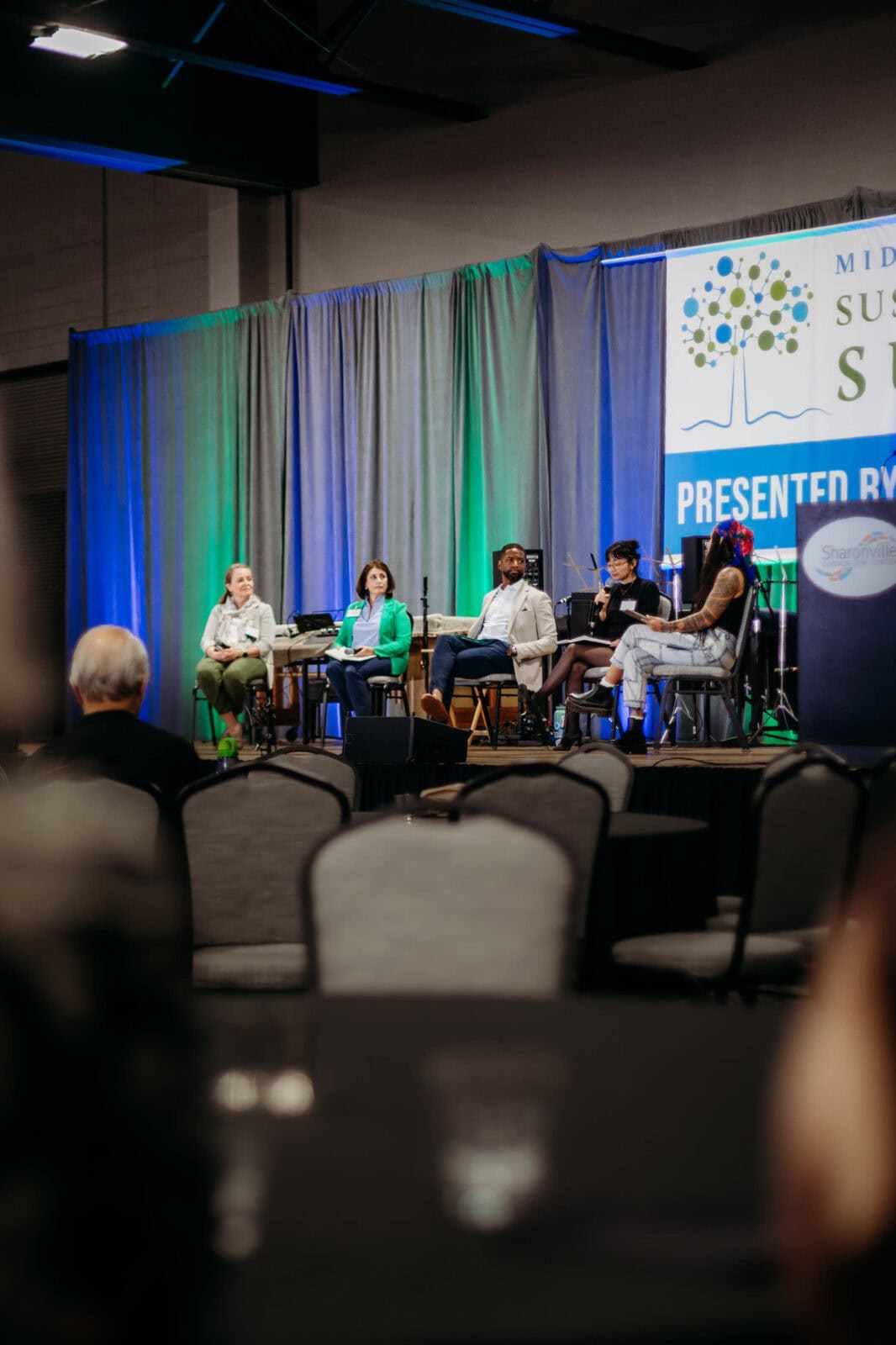
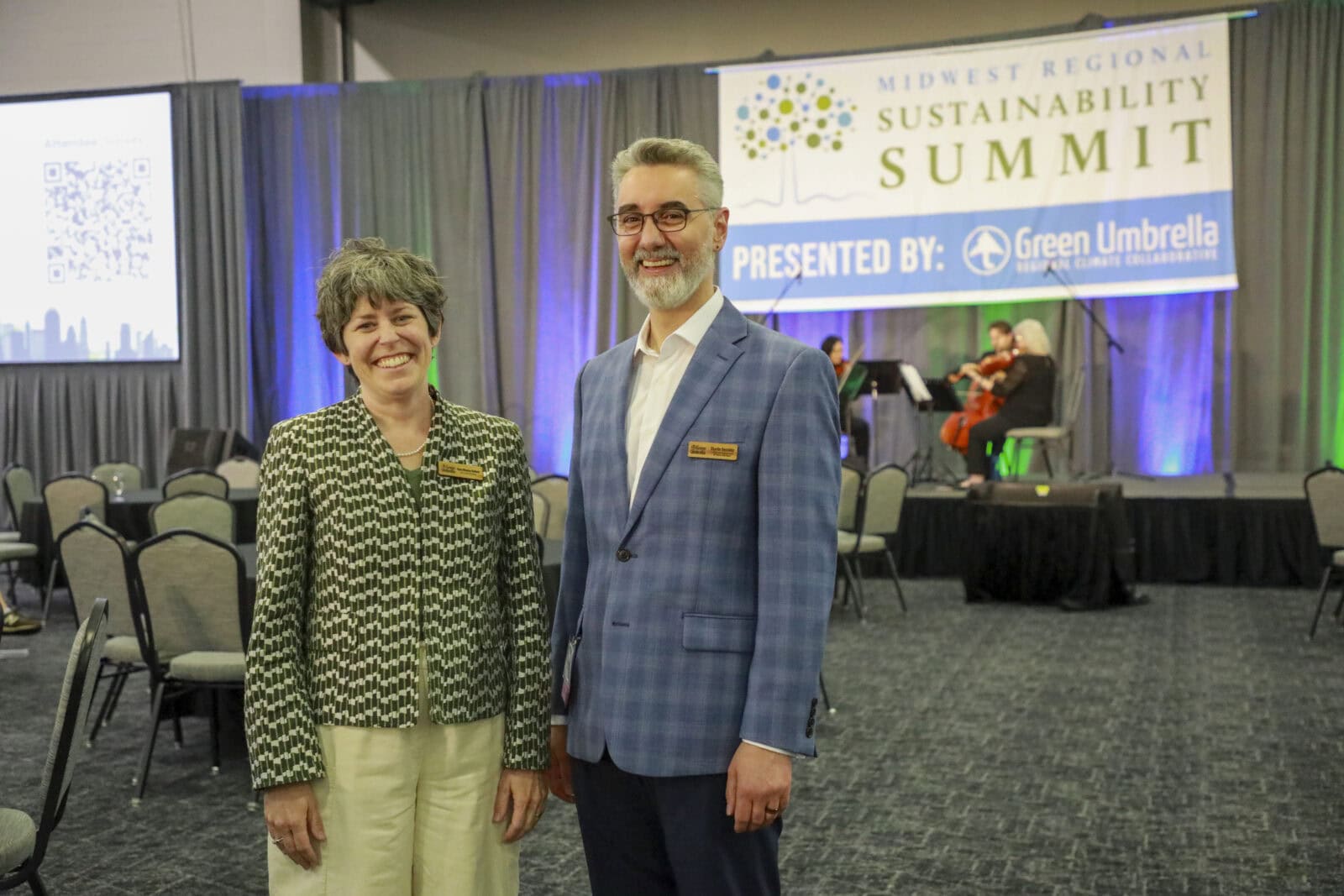
A highlight of 2026 will be the launch of Cincinnati Climate Week, taking place June 8-14, with the Climate Week Network. This new regional event will include in-person and virtual activities hosted by our partners, highlighting local climate solutions and building a stronger future together. Green Umbrella’s 13th annual Midwest Sustainability Summit will anchor the week (June 12), followed by the Green & Healthy Schools Symposium (June 13). These events will bring together hundreds of leaders and community members to connect, share, and learn about climate solutions in our Tri-state area.

To sustain this important work in the long term, we are finding new ways to fund our efforts. We have been incredibly fortunate over the last eight years to grow our staff, and much of that growth has been fueled by grants. But we recognize that the uncertainty of grant funding—both from the public and private sector—means we cannot be too reliant on them. Your support through membership, sponsorship, ticket purchases, and donations to our Leadership Legacy Campaign will help us get there.

A Movement Rooted in Partnership

Last night’s celebration was made possible through the generous support of Duke Energy, Great Parks, SOPEC, HighGrain Brewing, Rhinegeist Brewery, and Deeper Roots Coffee. Their partnership demonstrates the broad coalition of public, private, and nonprofit organizations working together through Green Umbrella to advance regional sustainability.

Guests peruse pieces from the ADC Fine Art silent auction

But the true strength of this movement isn’t found in any single sponsor, program, event or achievement. It’s in the collective commitment of everyone showing up—meeting after meeting, project after project, year after year—to build a healthier, more resilient region.

As Tanner Yess, Executive Director of Groundwork Ohio River Valley and a former Green Umbrella intern, put it: “We’re on a mission to save the world, right? We’re moving the needle because of shared values and collective impact. I’m thankful to have Green Umbrella as a foundation for our movement.”

That foundation, strengthened by our Green Umbrella team and many dedicated partners, is poised to carry us forward into an ambitious future. The work continues. The region is ready. And together, we’re building the climate-ready, equitable, thriving future our communities deserve.

Left to right: Van Sullivan, Ryan Mooney-Bullock, and Jaime Love

Filed Under: Events, Green News Updates, Green Umbrella News

After Eight Years, Ryan Mooney-Bullock Will Leave Green Umbrella

January 13, 2026 by Krystal Gallagher

The environmental leader has been named executive director of Gorman Heritage Farm.

CINCINNATI—Jan. 13, 2026—Green Umbrella, Greater Cincinnati’s regional climate collaborative, announced today that Ryan Mooney‑Bullock will conclude her tenure as executive director after more than eight years of leadership. Mooney‑Bullock has been named the next executive director of Gorman Heritage Farm. The Green Umbrella Board of Trustees has appointed Van Sullivan, senior director of programs and climate strategy, as interim executive director, effective Feb.14, 2026. 

Since assuming leadership of Green Umbrella in 2018, Mooney‑Bullock has helped strengthen its role as a regional collaborative focused on advancing sustainability across ten counties. In that time, the organization has quadrupled in size, added staff capacity in five areas of programming, and adopted a regional climate collaborative framework. The recently completed new five‑year strategic plan positions the organization for continued growth and impact. 

“Serving as executive director of Green Umbrella has been an incredible privilege, one that has allowed me to build a diverse network of colleagues and partners who I know will carry the work forward to amazing places,” said Mooney-Bullock. 

Since joining Green Umbrella in 2020, Sullivan has played a key role in shaping Green Umbrella’s climate policy and community programming and engagement efforts. They will work closely with Mooney‑Bullock to ensure a smooth leadership transition. The Green Umbrella board has formed a succession committee, led by board President Jaime Love, to oversee the search for Green Umbrella’s next permanent executive director.

“We are incredibly thankful for Ryan’s eight years of dedicated leadership and the collaborative culture she has helped build at Green Umbrella. It has not only been transformational for the organization but also for the broader Greater Cincinnati sustainability community,” Love said. “With an experienced interim leader, an engaged board, and a newly adopted five‑year strategic plan, we are confident Green Umbrella will continue advancing climate and sustainability across our region without missing a beat.”

Mooney‑Bullock will transition into the role of executive director of Gorman Heritage Farm, a nonprofit educational farm in Evendale dedicated to cultivating a healthy community through farm‑based education and experiences centered on food, sustainable agriculture and the natural world.

“We are thrilled to welcome Ryan’s collaborative spirit and strategic vision to Gorman Heritage Farm,” said Andy Mueller, chair of the Gorman Heritage Farm Board of Directors. “Her leadership at Green Umbrella has helped strengthen environmental efforts across the entire Greater Cincinnati region, and we deeply respect the impact she has made there. Her strong history in non-profit leadership, education, sustainability and people development are exactly what our Organization needs to continue the legacy of Dorothy, Jim and the extended Gorman Family.”

“After nearly a decade of working on policy and systems change at a regional scale, I’m excited to get back to my roots and focus on stewarding a specific place and community – Gorman Heritage Farm. I look forward to getting to be outdoors every day, raising awareness about and supporting a team of farmers, volunteers, and educators who help people build meaningful relationships with the natural world and their food,” Mooney-Bullock said.

Green Umbrella will celebrate Mooney‑Bullock’s tenure at its Annual Impact Celebration on Tuesday, Feb. 10, 2026, where the organization will also share highlights from its newly updated strategic plan and priorities for the year ahead.

“The organization is the strongest it has ever been and is poised for a period of expanded impact on issues affecting our region’s environment and quality of life,” said Love. “This is an exceptional opportunity for a rising leader to take Green Umbrella to its next stage of development for the benefit of all Greater Cincinnati.”

As Green Umbrella enters its first leadership transition in more than eight years, 2026 marks a moment of momentum and possibility. With a strong foundation in place, the organization invites the community, partners, members, and supporters to take the next step under the umbrella — to engage, participate, and invest in the work ahead. From hands-on programs and regional collaboration to learning, convening, and celebration, there are many ways to be part of Green Umbrella in the coming year. Whether you join as a member, participate in a program or event, or support through sponsorship or individual giving, every level of involvement helps carry forward solutions that benefit the entire region.

“I’m deeply grateful to the many partners and supporters who make Green Umbrella’s work possible,” Mooney‑Bullock added. “I look forward to continuing to work alongside this network as the leader of a  member organization.”

Filed Under: Green Umbrella News

Green Umbrella announces The Grassroots Collaboration Award recipients!

December 17, 2025 by Krystal Gallagher

Green Umbrella’s Climate Research Incubator (CRI), in partnership with the Community Engagement Core of the Center for Collaboration on Climate and Community for Health (C4H), announces the recipients of The Grassroots Collaboration Award. Made possible by funding from the National Institutes of Health (NIH), the award program is designed to support research that begins with community-level input on the health effects of climate change in vulnerable communities. Eligible applicants included previous or current CRI Researcher Cohorts and/or existing CRI Projects. The two projects selected were:

Understanding the Mental Health Needs of Those Experiencing Harm Due to Climate Change in an Economically Burdened, High-Risk Community
This project is being led by Nzingha Dalila, EdD, LPCC-S, LCDC-III, Clinical Counselor and Instructor of Psychiatry and Behavioral Neuroscience at the University of Cincinnati (UC), and Earnest J. Davis, Jr., Ph.D, President of the Mantle Center, Community Psychology Health Collaborative. The project will explore the emotional, psychological, and practical impacts of climate change on the neighborhood of Bond Hill. Working closely with Bond Hill residents, the project will focus on the lived experiences, emotional responses, and unmet needs of community members through the lens of climate change impacts related to events like heatwaves, flooding, pollution, and infrastructure disruption. Findings will be made available to inform climate behavioral health interventions, policies, and adaptation strategies that center the voices of those most affected and improve their ability to respond to individual and community stresses.

Ground Yourself in Green Space: Avondale
This project is being led by UC Assistant Professor,  Anca Matyiku, Ph.D.;  Aisha Tzillah, of the Avondale Development Corporation; NKU Assistant Professor,  Yingying Xie, Ph.D.; and Crystal Russell, Coordinator of Macklin Legacy Garden. In collaboration with numerous other community and academic partners, this project takes on the call to ground the Avondale community in green spaces through environmental data collection and workshops that connect residents to the ecology, biodiversity, and potential for well-being that green spaces support. Efforts will support understanding and knowledge among residents regarding their neighborhood’s environment and factors that affect their health. This increased awareness will empower residents to engage in community initiatives to nurture and expand greenspaces, and to shape policy toward healthier environments. Furthermore, the project will serve as a model for other grassroots collaborations across communities affected by environmental injustice. 

The grant aims to foster collaborations between academic and community partners in the Greater Cincinnati area to emphasize equitable collaboration, generate actionable data, and support vulnerable communities in the study of health impacts of climate change.

Through these awards, Green Umbrella’s CRI, and C4H aim to foster equitable collaboration, generate actionable data, and center and uplift the voices of community members, all with the goal of creating better health outcomes in some of Greater Cincinnati’s most vulnerable communities.

Filed Under: Green Umbrella News

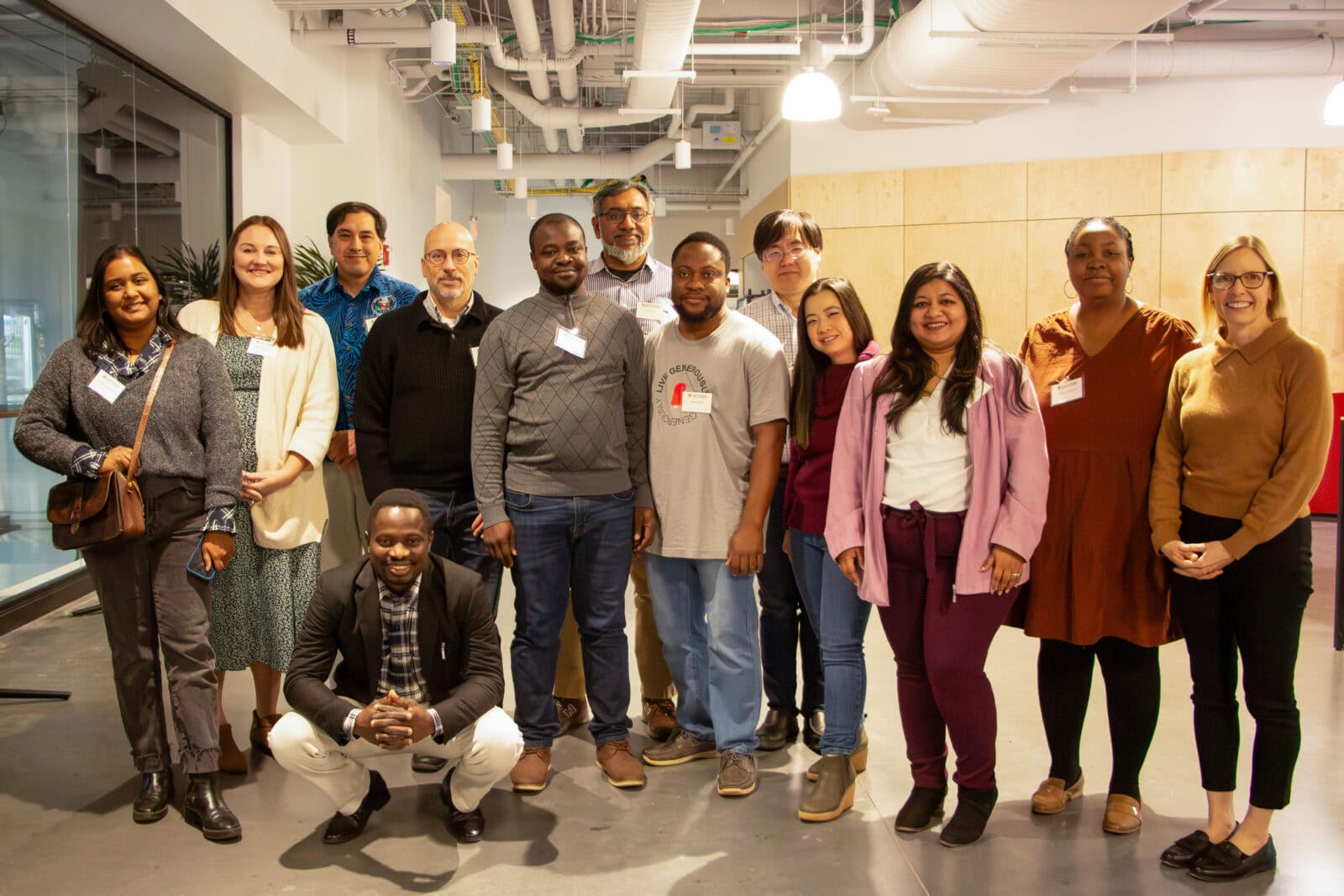
Meet the 2025-26 Climate Research Incubator Cohort

November 5, 2025 by Kelly St Charles

Contributors: Bamidele Osamika

Green Umbrella’s Climate Research Incubator is an annual cohort providing training to regional researchers related to climate and engagement. The program serves as a platform for fostering collaboration among scholars and researchers, community members, and government representatives across Greater Cincinnati. Learn more about the program at our website here and meet this year’s cohort scholars below.


Kristy Hopfensperger Climate Incubator Headshot

Dr. Kristy Hopfensperger
Co-leader, Climate Research Incubator

Dr. Hopfensperger is an ecosystem ecologist, and currently a Professor at Northern Kentucky University and serves as the Environmental Science Program Director. Her research is centered on relationships between community dynamics and ecosystem processes in response to human disturbances. Hopfensperger works with undergraduate students and community partners to conduct research on topics including water quality, green infrastructure, greenhouse gas flux and invasive species. At NKU, she works to guide students through the wonderful world of science by leading interactive classes, mentoring ecological research experiences, and demonstrating active community engagement. Kristy received her Ph.D. in environmental science from the University of Maryland.

Akeem A Bakare
Doctoral Candidate, University of Cincinnati

Akeem specializes in infectious disease epidemiology and antimicrobial research, with a focus on climate change impacts on infectious diseases and antimicrobial resistance. Akeem is interested in collaborations and community engagement.

Amanda Kporwofa
PhD Student, University of Cincinnati

Amanda focuses on gaming, environmental communication, and technology, with research exploring faith-based climate communication in Cincinnati churches and the role of environmental board games in promoting pro-environmental behavior. Amanda aims to develop a board game, such as one on air pollution, to test its effectiveness in influencing behavior and enhancing climate resilience. Through the Climate Research Incubator, Amanda aims to advance this research into a published paper while collaborating with community organizations to strengthen engagement and practical impact.

Anas Malik
Professor and Chair, Department of Political Science, Xavier University

Anas studies institutions and collective action interreligious contexts, particularly among Muslim and Catholic communities. His interests include community land trusts for environmental stewardship and affordable housing, civic strategies for accommodating climate refugees, and faith-based engagement in climate action, including certification and alternative finance mechanisms. Through the Climate Research incubator, Anas aims to connect with local residents, researchers, and practitioners to advance climate mitigation and adaptation initiatives and engage communities in these projects.

Fuseini Tia Iddrisu
PhD Student, University of Cincinnati

Fuseini focuses on science and environmental communication and natural resources management, with interests in flooding and water management, climate impacts on agriculture, extreme weather, climate literacy, Indigenous knowledge, and sustainable development. Fuseini aims to explore how Indigenous knowledge can be integrated into climate-health communication strategies to enhance community engagement and behavioral change. Through the Climate Research Incubator, Fuseini hopes to strengthen his skills in interdisciplinary collaboration, community engagement, research, and networking while developing actionable strategies for climate solutions.

Hem Sharma
Graduate Research Assistant, Indiana University

Hem focuses on soil science and climate resilience, with an emphasis on extension, outreach, and networking to connect research with communities and stakeholders.

John Reichard
Assistant Professor, University of Cincinnati

John’s background is in toxicology and pharmacology with expertise in geospatial analysis and remote sensing. John is faculty at the University of Cincinnati where he is engaged in AI-driven research focused on chemical risk of environmental contaminants, wildland fire susceptibility, and chemical plant fenceline communities. John is active with the Federation of American Scientists and seeking collaborators, idea workshops, and research connections.

Kaitlin Vollet Martin
Assistant Professor, Public Health Program Director, Thomas More University

Kaitlin’s research integrates environmental health, health equity, and child development, focusing on how environmental exposures – such as heavy metals, per- and polyfluoroalkyl substances (PFAS), and microplastics – affect vulnerable populations, including maternal, child, and elderly health. Kaitlin is particularly interested in climate change-driven events like flooding, air pollution, and the spread of vector-borne diseases, exploring their impacts on public health outcomes in the Cincinnati/Northern Kentucky region and developing community-engaged interventions. As an epidemiologist with expertise in study design and data analysis, Kaitlin aims to collaborate with diverse partners to advance local climate resilience and health equity initiatives through the Climate Research Incubator.

Lei Wang
Assistant Professor of Civil Engineering, University of Cincinnati

Lei focuses on risk and resilience related to flooding, climate change, and geo-hazards such as landslides and land subsidence, with expertise in flood protection infrastructure and nature-based solutions. Lei works includes risk assessment of levees along the Ohio River, rainfall-induced landslides in Kentucky, and projects on nature-based solutions for Lake Erie, including collaboration with the Kentucky Geological Survey. Lei aims to connect with collaborators and local communities through the Climate Research Incubator and to develop research projects addressing shared climate change challenges and resilient infrastructure solutions.

Michael Roman
Academic Advisor, University of Cincinnati

Michael’s research bridges public health and cultural anthropology, focusing on how climate change affects health, place, and mobility, particularly among Indigenous Pacific communities like Kiribati, and how these lessons can inform climate-induced migration planning. Michael aims to connect global insights with local action in Cincinnati, preparing the region to equitably welcome and support climate migrants through policies, public health strategies, and community engagement initiatives. He states, “Through long-standing relationships with Kiribati, U.S. Congressional offices, and Cincinnati city leadership, I seek to develop frameworks that integrate frontline experiences into proactive, inclusive, and resilient climate planning through the Climate Research Incubator.”
Omosolape Olakitan Owoseni
Professor, Federal University Oye-Ekiti, Nigeria/New immigrant

Omosolape Olakitan Owoseni is a Professor at the Federal University Oye-Ekiti, Nigeria, and a recent immigrant to the United States. Her research spans environmental psychology, the mental health impacts of environmental stressors, and the effects of noise pollution in communities. Through CRI, she is eager to collaborate with partners and community members to advance research and co-create solutions that support healthier, more resilient neighborhoods.

Oluwaseun Olubodun
Graduate Research and Teaching Assistant, Miami University

Oluwaseun focuses on water quality, environmental science, sustainability, and molecular biology, with interests in climate change and its health impacts. She is skilled in science communication, storytelling, data interpretation, and project management. Through CRI, she is interested in collaborating effectively to deliver sustainable, life-impacting projects.

Sharon Karunakaran
Assistant Professor of Pediatrics, Cincinnati Children’s Hospital

Sharon is a pediatric infectious diseases physician focused on infection prevention and control and its intersection with environmental sustainability. She is currently launching projects to reduce hospital waste, including reusable isolation gowns, disinfection of unused medical supplies, and reevaluating contact precautions for MRSA. She is interested in collaborating with partners knowledgeable in waste management and learning more about the fate of medical waste in Cincinnati.

Shobha Pai
Masters Student, University of Cincinnati

Shobha is a graduate student specializing in community resilience and its central role in climate engagement and research. Her interests span climate communication, public perception, eco-anxiety, behavioral change, climate justice, and climate migration. Through her work with Green Umbrella, she has built and sustained connections with more than 75 community partners and contributed to projects on equity and resilience in climate planning, community climate storytelling, and energy efficiency awareness. By participating in the Climate Research Incubator, Shobha seeks to collaborate with interdisciplinary researchers and local stakeholders to co-create actionable, community-centered interventions, educational tools, and storytelling platforms that advance both climate resilience and equity.

Stephanie Lam
Doctoral Candidate, Psychology Department and Center for Public Engagement with Science, University of Cincinnati

Stephanie specializes in arts-based, qualitative, and community-engaged research, with experience in program evaluation, emphasizing people-centered approaches to climate solutions. Stephanie focuses on supporting local communities – especially those often marginalized – in shaping climate futures and crafting practical, inclusive strategies for harm reduction and resilience. Stephanie aims to pursue a career in local environmental and climate initiatives that intentionally collaborate with community members to make the region safer and more climate-resilient through the Climate Research Incubator.

Todd Lu
Assistant Professor of Sociology, University of Cincinnati

Todd draws on prior research on labor unions’ environmental engagement and OSHA federal rulemaking on heat stress. He plans to connect with regional partners and attend the National Council for Occupational Safety and Health conference to build collaborations. New to UC and the tri-state area, Todd seeks interdisciplinary perspectives through the Climate Research Incubator. Presently, Todd is examining how state and civil society actors – including labor unions, worker centers, environmental organizations, and local communities – shape governance and policy implementation around heat stress protections affecting workers and residents. Through the Climate Research Incubator, Todd is interested in developing a community-engaged project on adaptation capacities to elevated temperatures and extreme heat, with attention to social inequalities and political processes.

Zeel Maheshwari
Associate Professor, Northern Kentucky University

Zeel researches sustainable energy solutions for rural communities, with expertise in renewable energy, power systems, AI, water conservation, and zero-energy systems. Through the Climate Research Incubator, Zeel hopes to collaborate with others to develop ideas that advance regional sustainable development.

Filed Under: Green Umbrella News

Green Umbrella’s Climate Research Incubator Connects Regional Scientists to Communities

August 30, 2024 by Nobi Kennedy

Contributors: Nobi Kennedy, Dr. Kristy Hopfensperger, Anna Parnigoni

The severity of issues caused by the climate crisis requires collaborative and often complex solutions. Research also typically happens across institutions in silos, causing gaps in knowledge and creating challenges related to cross-disciplinary initiatives. This is particularly true across the climate space, where research is happening at a rapid speed to address our rapidly changing environment. To address this issue locally, Green Umbrella partnered with Northern Kentucky University to launch the Climate Research Incubator in 2024, the first cross-disciplinary climate research initiative in our region. 

The Climate Research Incubator is a forum where academics and climate scientists can expand their work through equitable collaboration with community partners. The Incubator builds on the intersection of research and community to reimagine the role of research systems in collective action by connecting local and grassroots expertise to research and scholarly knowledge. The inaugural 2024 Incubator cohort included 12 researchers across 5 institutions, including the University of Cincinnati, Xavier University, and Cincinnati Children’s Hospital. Community partners included Groundwork Ohio River Valley, The Center for Closing the Health Gap, Avondale Community Council, the City of Covington, and more. 

Green Umbrella and NKU plan to offer Incubator programming annually to a select group of researchers and community partners. Continue reading to learn more about this program, our 2024 Cohort model, and how to get involved. 

The Incubator Program Plan

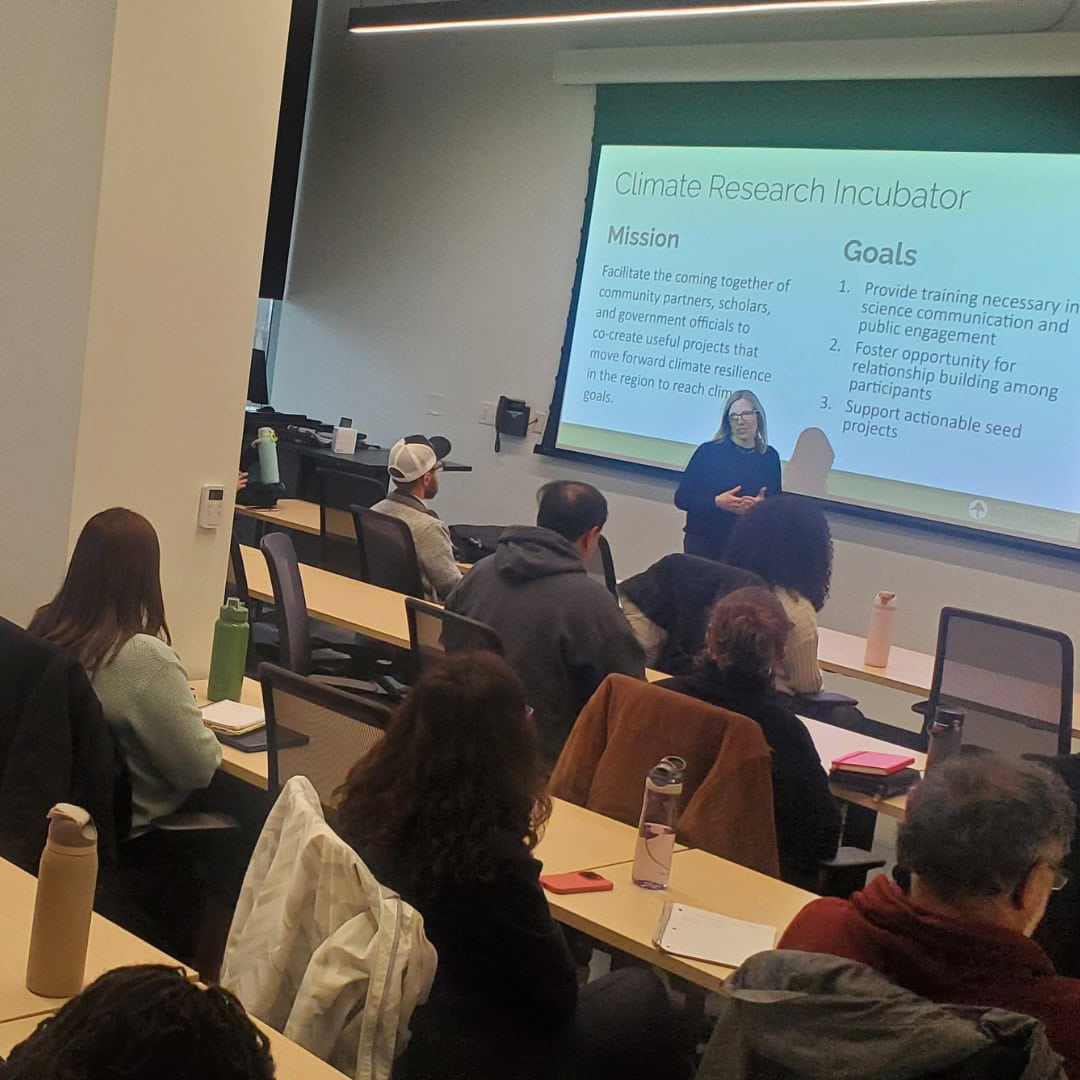
The Climate Research Incubator’s mission is straightforward yet ambitious: to bring together community partners, scholars, and local governments to co-create research projects, incubate those projects, and enhance climate resilience within our region. 

The primary objectives of the program include:

  1. Provide training necessary in science communication and public engagement 
  2. Foster opportunities for relationship-building among participants 
  3. Support actionable seed projects developed through the Incubator 

Cohorts meet multiple times between fall and summer. Trainings for participants are broken down into four main categories: a Fall Scholar Training Workshop Series, A Winter Symposium, Spring Ideas Cafe Sessions, and Summer Collaboration Workshops. 

Led by NKU Professor Kristy Hopfensperger, the Incubator trainings and workshops ask researchers to consider how their research and science can advance specific priorities related to climate justice. Together, participants explore how their research can better address climate concerns and how their research process can center underserved communities and avoid extractive and transactional relationship dynamics with those communities. This collaborative approach aims to ensure solutions are rooted in practical needs and deliver tangible benefits to communities. 

Our Impact: Success Stories from the 2024 Climate Research Incubator

The inaugural research cohort made significant strides through their work with the Incubator. The program engaged 12 scholars, 6 local governments, and 26 community partners throughout its duration. Major seed ideas emerged and project teams have continued moving this work forward since wrapping Incubator programming. Projects are at various stages of development and include: 

  • Food Systems: Food system modeling to mitigate supply chain disruptions due to climate change and educate on local and cultural foodways. 
  • Greenspace: Greenspace and flooding adaptations; food gardens in urban revitalization
  • Waste Reduction: Data collection and analysis on litter; building community incentives to manage waste and recycling 
  • Health & Community: Race-based trauma and the impact of climate change on mental health outcomes; solutions on greenspace access and neighborhood activation

Where Science Meets Community

A key factor of the Climate Research Incubator is connecting communities to research specialists and governments. The Incubator Symposium, which is held annually after scholar trainings in science communication and public engagement, brings cohort participants – scholars, community partners, and local governments – together to learn about community needs and interests. This type of cooperation is critical – when communities engage with researchers and local governments, they have the opportunity to study or solve problems with a specialist or policy-maker collaborating on the process. Researchers and government representatives can become champions of community ideas, and provide insight from a scientific or policy perspective. The Symposium creates this forum for collaboration and fosters these types of connections. 

Additional community benefits include accessing data and technical expertise, building relationships with scientific and technical experts, and informing/participating in scientific research. Researchers can incorporate local and traditional knowledge, improve research questions and understanding of research findings, design more equitable engagement and project management approaches, and support the participation of underrepresented groups in science and other disciplines. 

Moving Forward

Although the 2023-24 Incubator workshop activities have concluded, the momentum continues! Current 2023-2024 project teams maintain regular meetings, progressing toward their intended goals and advancing their seed projects. 

Recruitment for the 2024-25 scholar cohort has also begun (apply now – the deadline is Sept. 4!), with an annual meeting planned for early 2025. Readers are invited to share this opportunity with their networks, get involved in upcoming events, and be part of the solution. For more information and to stay updated, visit our webpage. 

If you are a scholar, community partner, or government representative and would like to be involved in the 2024-2025 Climate Research Incubator, contact Kristy Hopfensperger at hopfenspek1@nku.edu. 

About Our 2024-2025 Climate Fellow 

Dr. Kristy Hopfensperger helped design and lead the inaugural Incubator cohort and will continue to serve as Green Umbrella’s climate fellow for the 2024-2025 program. Dr. Hopfensperger is an environmental scientist, researcher, and professor. She is the Director of the Environmental Science Program at Northern Kentucky University; her research topics include the efficiency of green infrastructure, invasive species and their ecosystems, and ecosystem restoration and mitigation. Her work is truly collaborative – she is often involved in projects with community partners including the Green Umbrella and Groundwork Ohio River Valley’s Climate Safe Neighborhoods program and others with RISE, ReNewport, Databloom, and more.

Filed Under: Green Umbrella News

Green Umbrella Leads Research Team Awarded $1.1M for Energy Study of Affordable Housing Units

November 7, 2023 by Kelly St Charles

Green Umbrella is the lead investigator of a cohort of research institutions recently awarded a US Environmental Protection Agency grant to study how electrification and weatherization of homes affect energy consumption and indoor air quality for residents of affordable housing. 

The project will include the installation of energy-saving technologies, such as insulation, heat pumps and electric stoves, in approximately 50 affordable housing units in Over-the-Rhine. These technologies are expected to improve energy reliability, affordability, comfort and air quality for Over-the-Rhine Community Housing residents and help researchers and policymakers outline efficient ways to facilitate future energy transitions for high-energy burden communities. 

“The general goal of the project is to quantify the benefits of electrification and weatherization efforts in multifamily homes, both with respect to energy security and air quality,” David Konisky of Indiana University, a partnering research institution, said. “There is a big gap in energy efficiency work in rental units, especially affordable units. This project can help us understand the practical benefits of making energy efficiency improvements and identify potential challenges that need to be addressed.”
In addition to implementing technology improvements, the project is designed to be co-led by community members and involve residents in data collection and education opportunities. Residents will be compensated to engage in pre- and post-study analysis over the three-year grant period and will provide direct feedback to researchers and City staff. 

“The challenge of providing affordable housing has always been about more than providing affordable rents,” reflected Mary Burke Rivers, Executive Director of Over the Rhine Community Housing. “Access to truly affordable housing includes low energy costs and healthy and safe homes, and this project will provide us the opportunity to make meaningful energy upgrades, as well as understand the value of those improvements to our community members. We are grateful for this opportunity and for community members who will engage in and benefit from the process.”
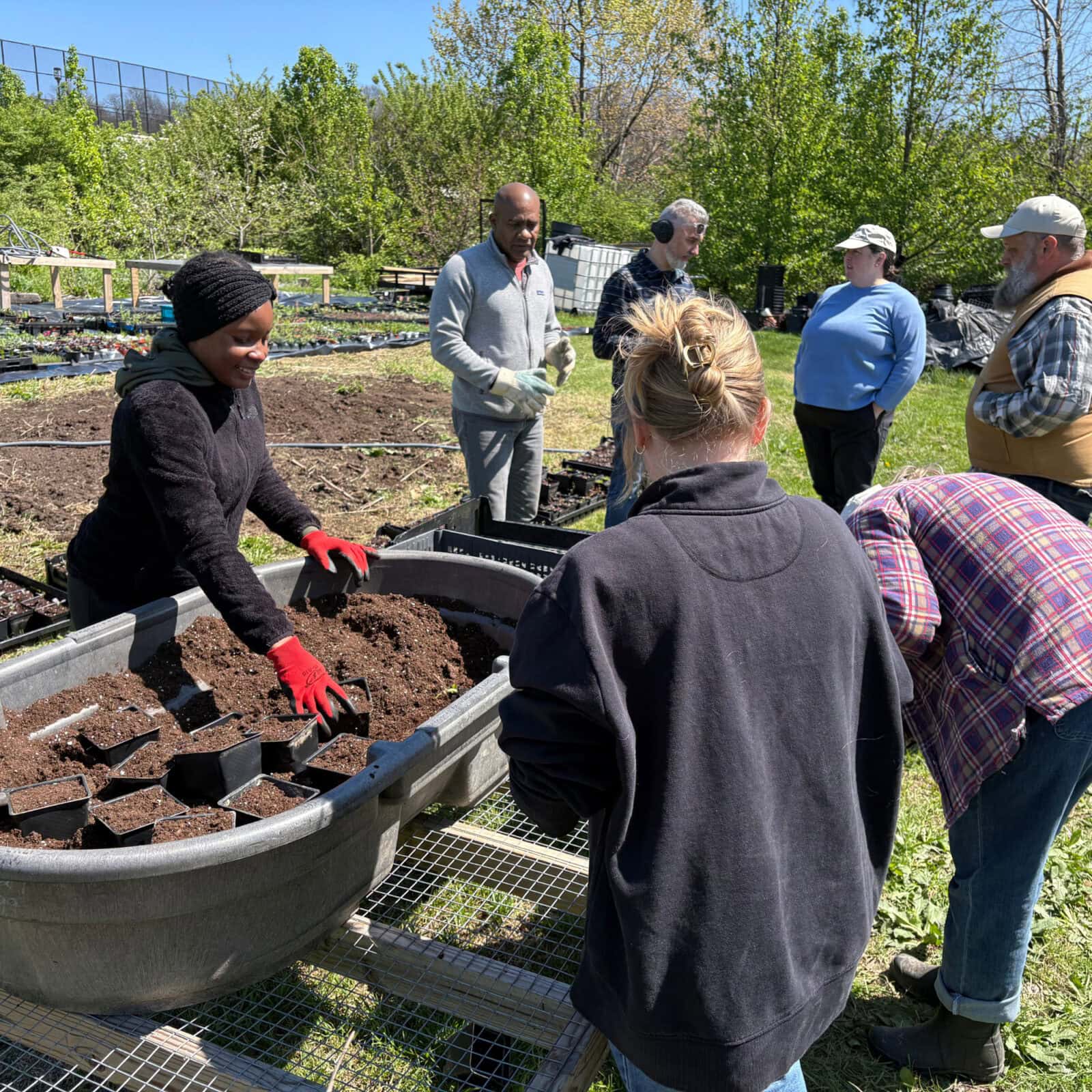
This project was developed in partnership with Over-the-Rhine Community Housing, the City of Cincinnati’s Office of Environment and Sustainability, Indiana University, Carnegie Mellon University, and the Kleinman Center for Energy Policy at the University of Pennsylvania. University partners will track and analyze data related to energy affordability and air quality benefits to influence future policy recommendations. 

“The high cost of energy overburdens one in four Cincinnati households making it even more difficult to make ends meet,” according to Oliver Kroner, Director of the City’s Office of Environment and Sustainability. “As we tackle this reality, the City is grateful to be able to scale this part of our efforts with this generous infusion of funding and partners. Special thanks to Duke Energy Ohio, the Carol Ann and Ralph V. Haile Jr. Foundation, and The Greater Cincinnati Foundation for seed funding this effort. This work will deliver real benefits to the people of Cincinnati and will shape strategy and policy development in coming years.”

The grant program funding the research project is a part of the EPA’s focus on ensuring just transitions in the energy economy and investing in communities that have been historically marginalized or suffered environmental injustices. 

“This project is a huge opportunity for Cincinnati and residents of Over-the-Rhine to lead energy efficiency transitions to support energy-burdened communities,” said Ryan Mooney-Bullock, Executive Director of Green Umbrella, “We’re excited to work with this talented team of researchers and policymakers to make a real difference for people living in these 75 units, and even more excited for what this means for the future of critical energy transformations in our city and region.” 

Filed Under: Green Umbrella News

Why Local Governments Love Green Umbrella

November 2, 2023 by Krystal Gallagher

Local governments across the region are benefiting from working with Green Umbrella to help them boost their capacity, secure funding, build community engagement, and implement key projects to make their communities more resilient, equitable, and thriving. 

With the abundance of ways to take action on sustainability, making decisions that create meaningful changes can be overwhelming and confusing. Green Umbrella is here to help local governments navigate what can feel like a maze of opportunities and take decisive action.

Here are just a few examples of this important work:

Kickstarting Sustainability Planning in City of Fairfield

In 2022, City of Fairfield began development of their first comprehensive, local, climate action plan. Green Umbrella helped the City translate their goals and resource needs into their contractor procurement process. Their forthcoming plan will address five topics: air quality and climate change; community health and safety; energy conservation and efficiency; going green; and water quality.

Engaging Residents in City of Norwood

Working closely with Norwood community leaders, the Climate Safe Neighborhoods Partnership (led by Green Umbrella and Groundwork Ohio River Valley) created a Climate Advisory Group to equitably engage underserved communities. The Group, composed of Norwood residents, works closely with city government staff and elected officials to ensure that community voice is translated to decision making opportunities. This type of equitable engagement can directly support the informing, design, and implementation of adaptation and mitigation projects, policies, and plans led by local governments.

As a partner in this work, Green Umbrella secured planning and design resources to help create the street tree plan and supported the strategy development for the local government’s solar investment. The new solar panels are expected to generate 29% of the electricity used at the Colerain Community Center, resulting in an estimated savings of $104,000 over the life of the panels. 

Acceleration in Colerain Township

Green Umbrella supported Colerain Township in the design and launch of a cross-sector community group called Team Up to Green Up – Colerain. Since launching, the group has worked collaboratively to create a community-wide waste pick-up program, engage with the Township’s street tree plan, and rally support for solar in Colerain. 

As a partner in this work, Green Umbrella secured planning and design resources to help create the street tree plan and supported the strategy development for the local government’s solar investment. The new solar panels are expected to generate 29% of the electricity used at the Colerain Community Center, resulting in an estimated savings of $104,000 over the life of the panels. 

Planning for the Future in Cincinnati

Green Umbrella has supported the City of Cincinnati on developing and implementing the Green Cincinnati Plan for nearly a decade, including sitting on the Plan’s steering committee, helping 20 schools start their green schoolyard journey, drawing down energy use in Cincinnati’s commercial buildings, updating the city’s urban agriculture zoning codes, and more.

These stories and many others are the tip of the iceberg of what’s possible when working with Green Umbrella. Just like we’ve done for Fairfield, Norwood, Colerain, and Cincinnati, we have experts that can help your community take whatever action is right for you – whether it’s the first or next step in your resilience journey.

Join us on Friday November 3, 2023 
Local Governments Member Benefits Webinar
You’ll have an opportunity to ask your most pressing questions and to hear what other local governments are doing to create more resilient, equitable, and thriving communities. 

Filed Under: Green Umbrella News

Green umbrella Logo
  • Careers

  • Contact

  • FAQs

stay connected

subscribe to our Newsletters
© 2026 Green Umbrella. All Rights Reserved.
Privacy Policy · Website by Wonderly.