Northern Kentucky Schools Participate in Farm to School Month Challenge
By Kelly Morton
Published October 28, 2024
Join us and act against climate change! Become a member today.

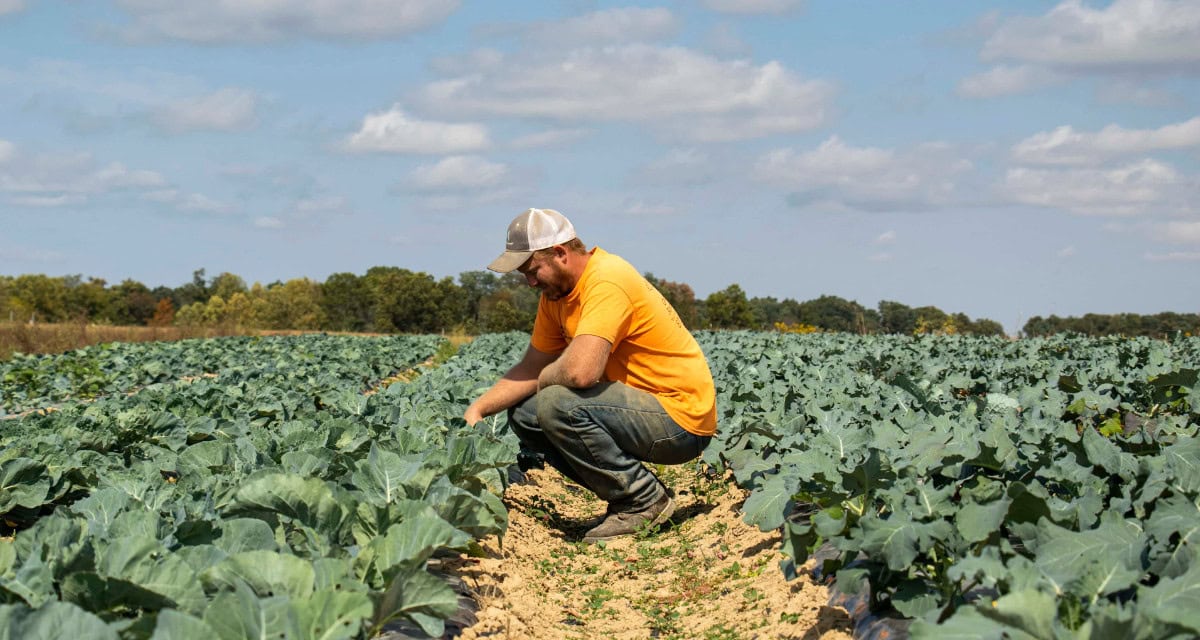
Cincinnati Public Schools (CPS) made a groundbreaking commitment to transform its food purchasing practices by adopting the Good Food Purchasing Policy (GFPP) nearly a decade ago. We’re deep-diving into the numbers through an analysis of the impacts of this decision.

Cincinnati Public Schools (CPS) made a groundbreaking commitment to transform its food purchasing practices by adopting the Good Food Purchasing Policy (GFPP) nearly a decade ago. We’re deep-diving into the numbers through an analysis of the impacts of this decision.
– Kristine Cahall-Dosch, Farm to School Consultant
CPS is the only institution in Ohio and only 1 of 13 in the US to have formally adopted GFPP. Local purchasing is one of the key values of the policy, which makes CPS fertile ground to evaluate a question that surfaced in a meeting of the Greater Cincinnati Regional Food Policy Council (GRCPC) Institutions Committee: “How does all this actually help our farmers?”
With that question we realized seeing direct, concrete impacts of institutional purchasing choices needed to be examined. And so, this case study to evaluate the economic impacts of CPS purchasing was born.

In 2017, the School Nutrition Program at CPS began its journey of conscious food purchasing by committing to the GFPP. The GCRFPC was a coalition member in a group of advocates who sought to bring GFPP to Cincinnati. The final say in adopting the program was the CPS school board and school nutrition staff with CPS Student Dining Services Director, Jessica Shelly, leading the charge to establish district wide change.
Adoption of this policy requires third party audits of participating organizations based on five core purchasing principles all couched within a context of equity, accountability, and transparency:
Put simply, CPS voluntarily enrolled in a program that would review and grade their efforts to purchase food that is produced locally, is environmentally friendly, considers the ethical treatment of employees and animals, meets certain nutritional standards, and comes from businesses that value transparency/equity. The results of this decision required the development of new supplier relationships, endless conversations about shifting needs, constant evaluation to improvement, and an enormous amount of reporting taken on by the CPS Manager of Nutrition, Lauren Marlow.
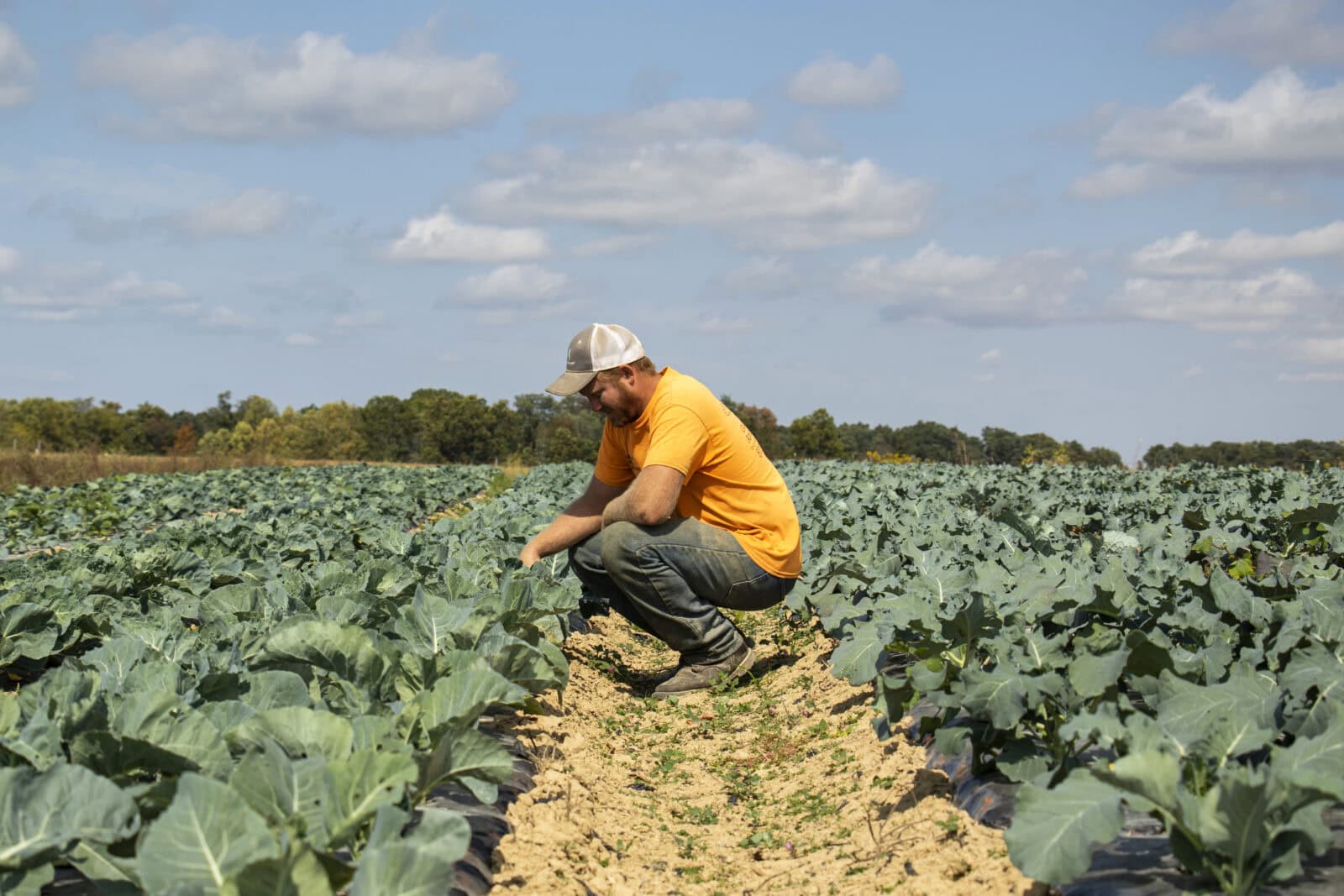
Public school nutrition programs receive funding from the Department of Defense Fresh Fruits and Vegetables Program and the USDA National School Lunch Program, composed of a formal contract distributor and micropurchasing of $10,000 or less. Sales represented in the case study span a four-year period of purchasing data from fall 2020 to fall 2024 of USDA funded procurement due to accessibility of detailed records.
What Chefs Want has been the awarded bid recipient of CPS food distribution for 5 years. As part of their contract, What Chefs Want works to secure growers who are not only within a 250 mile radius of CPS, but also meet other components of GFPP guidelines for ethical purchasing. They source from places like Lobenstein Farm, a small family operation 45 minutes away from Cincinnati; Kentucky Fresh Harvest, a sustainable greenhouse operation; and Riehm Produce Farm in Tiffin, Ohio, to name a few.
Both grains and dairy were self-reported in totals by CPS. Grains are purchased from Klosterman Bakery (4 miles from CPS central offices) and they use Indiana grown grains. Milk is purchased from Reiter Dairy (which sources from farms within 150 miles). Fresh fruits and vegetables, along with value-added products like salsa and yogurt through the What Chefs Want contract, were collected through a combination of line item purchasing reports that were distilled by Green Umbrella staff.
CPS purchased from 14 producers within 100 miles, which amounts to a drive from Cincinnati to Lexington or Columbus. Using the GCRFPC Greenhouse Gas Emissions Calculator, it’s estimated that purchases on local produce alone saved 46,079.44 tons CO₂-eq in energy, the equivalent of eliminating nearly 6 homes’ yearly energy use.
Nearly $34,000 has been spent with Certified Organic produce that goes straight to the school lunch line.
The case study shows over a 4-year period, CPS’ commitment to values-based purchasing has resulted in $6.9 million dollars spent with farmers and producers in the region.This $6.9 million, spent within a 250 mile radius of Cincinnati, had the potential to generate an additional $3.3 million activity in the Ohio, Kentucky, and Indiana economies.
CPS averages an 18% spend annually on local foods, but during the pandemic, that number spiked to 52% in “a real, honest-to-goodness community effort” to consciously support local businesses that lost sales due to Covid-19, according to CPS Student Dining Services Director Jessica Shelly.
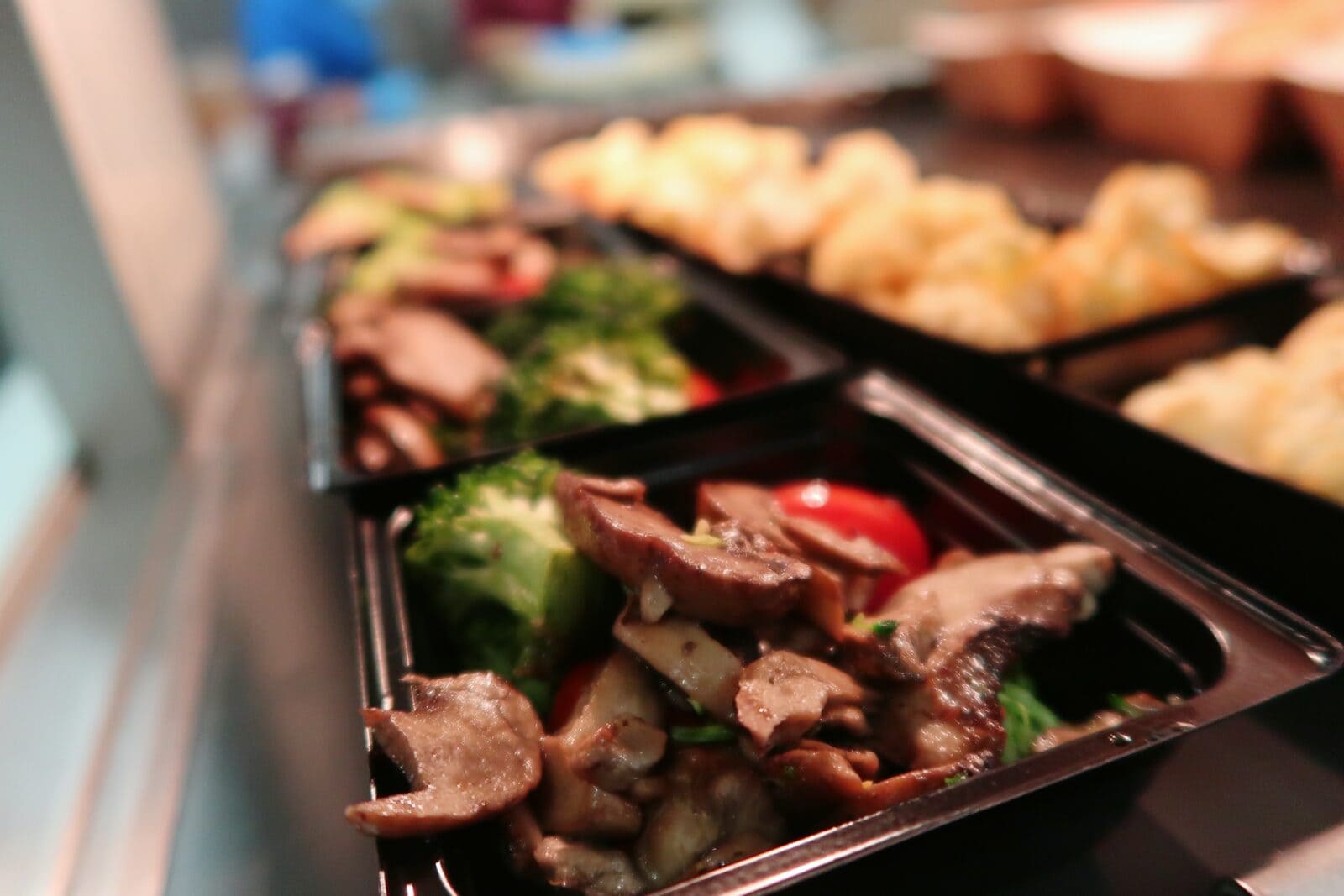
These impacts aren’t a result of mandates or requirements.
Adopting GFPP was a completely voluntary action on the part of CPS board members and nutrition staff with the support of a community coalition. They actively chose to become advocates through action for a values-based food system. Certainly, the additional audits and reporting requirements of GFPP aren’t easy, but CPS is investing in our local economy, community, and students’ nutrition. They are mindfully making decisions to use their budget in a way that benefits the larger community.
Consider how you can advocate for change within your organization(s). CPS has pioneered the way in the Cincinnati region and can be a great example to emulate. If you’re interested in learning more about how your organization can improve their purchasing practices, visit the GCRFPC website here.
https://goodfoodpurchasing.org/good-food-values/
https://news.d.umn.edu/articles/expert-alert-economic-impact-shopping-local
Green Umbrella members also have access to our members-only newsletters and e-blasts. Join today to receive these perks!

By Kelly Morton
Published October 28, 2024
By Rosa Baker
Published February 23, 2026
