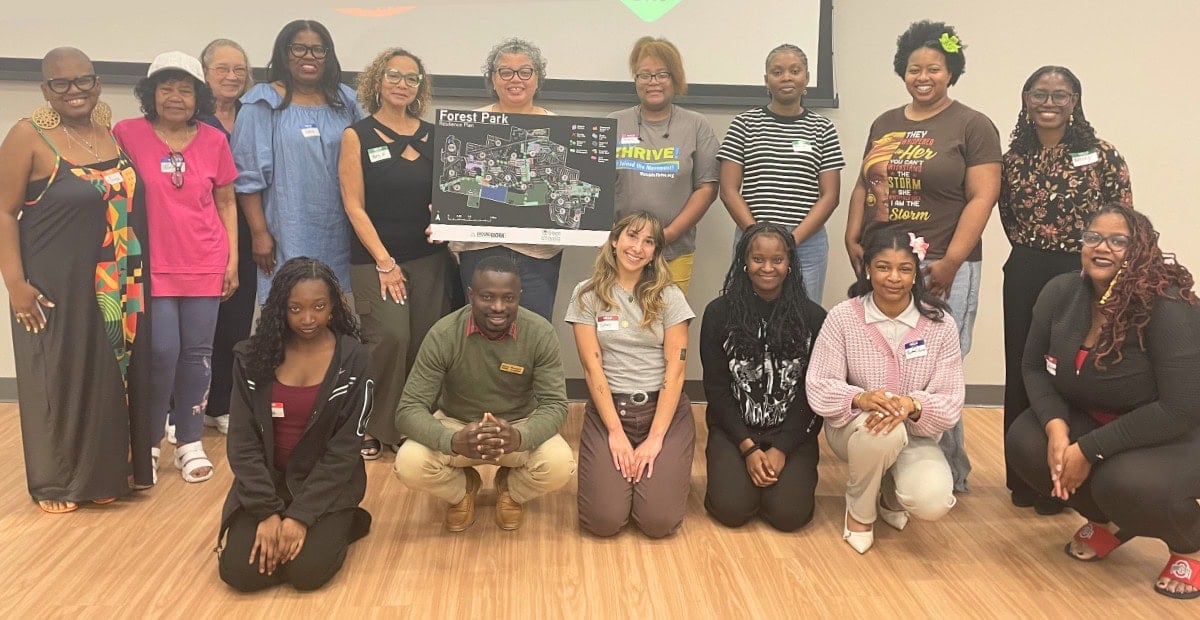
Forest Park Community Advisory Group Concludes 2026 Workshop Series
By Kelly Morton
Published May 11, 2026
Join us and act against climate change! Learn how you can get involved.

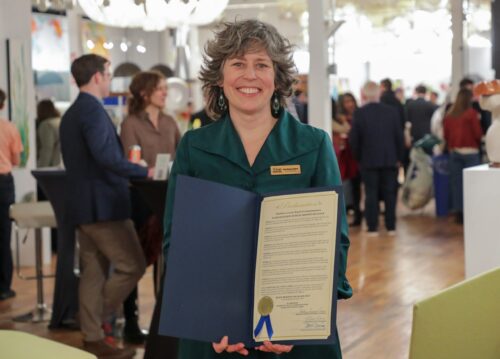
By Ryan Mooney-Bullock, Executive Director, August 2018 to February 2026

As I step into my final days at Green Umbrella, I’ve been reflecting on the extraordinary journey we’ve taken together under my leadership. These past eight and a half years have been filled with bold ideas, courageous action, and a shared belief that our region can become healthier and more resilient.
I joined the organization in 2017 as the communications and program manager. Since I stepped into the executive director position in 2018, we have quadrupled our staff from 4 to 16. That was an intentional move to build out staff capacity for each of our growing program areas in order to achieve sustainable long‑term impact. Growing programs meant that we also had to invest in the communications, fundraising, membership engagement, and events staff capacity to support the work across many issue areas. We reimagined our mission by shifting from the Regional Sustainability Alliance to the Regional Climate Collaborative, aligning our work with the urgency of the moment.
Local Governments
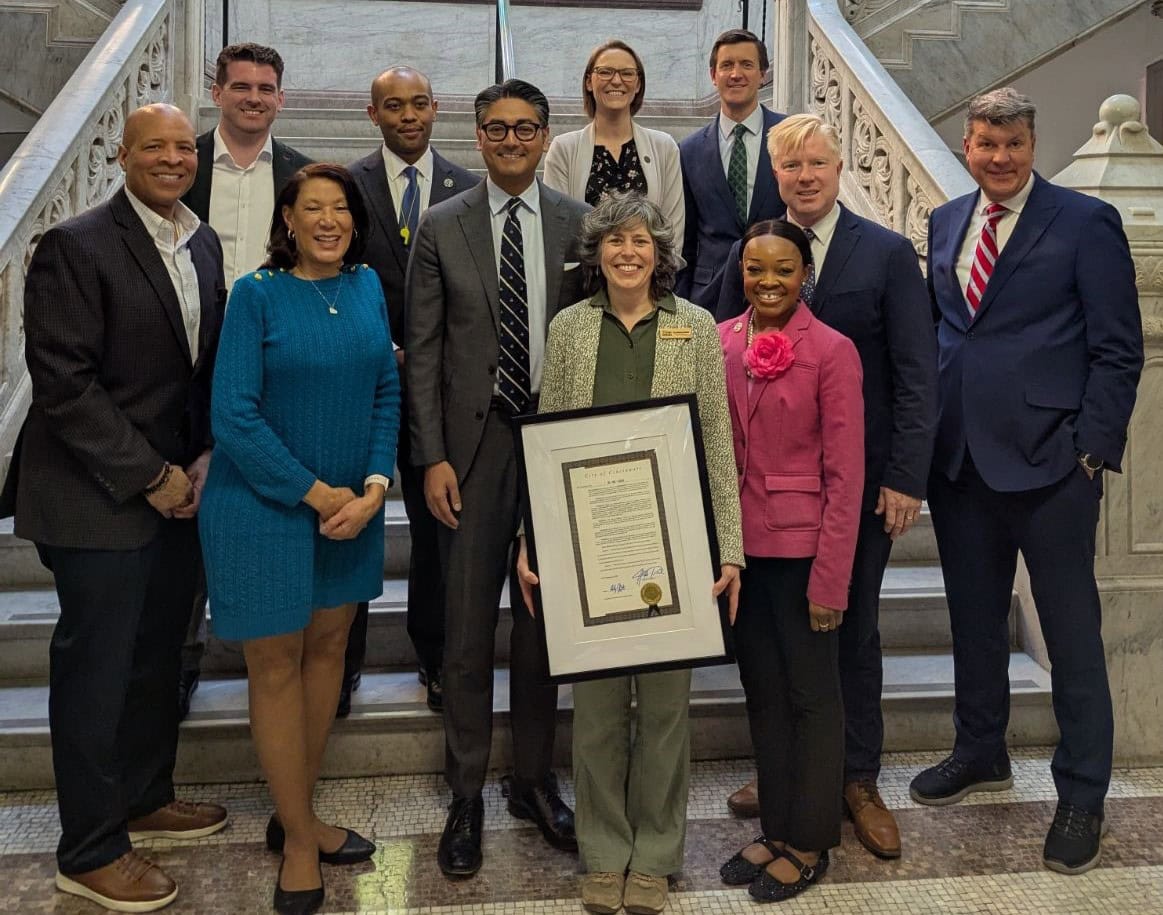
Picking up on work led by previous directors, we supported the City of Cincinnati through two iterations of the Green Cincinnati Plan, significantly increasing the focus on community engagement, equity, and justice as central pillars of the plan’s design, objectives and implementation. We used that expertise to support 6 additional sustainability plans now in development, including the first ever county-wide and regional plans. 17 local governments are now deeply engaged in conversations about sustainability and preparedness through our 25 Communities Project programming.
We championed the implementation of dozens of recommendations of the Green Cincinnati Plan, including the establishment of a 2030 District for Cincinnati. Green Umbrella launched the local 2030 District in 2018 and secured commitments to reduce emissions from the built environment from 54 building owners and managers. Since then, 30 million square feet of commercial buildings have been tracking their energy and water use. We have seen an average reduction of 14.5% in energy use and 20.5% in water use across participating buildings with a resulting reduction in climate warming emissions by millions of tons. We expanded this programming to the entire 10-county region and supported the development of energy benchmarking policy that is being considered by local governments.
Our Greenspace Alliance is working with local communities as they consider how greenspace concerns can be incorporated into their comprehensive planning process. The culmination of years of listening and collaboration, this effort marries advocacy, technical assistance, and meeting communities where they are. We anticipate this work will lead to landscape-scale greenspace planning and restoration in the coming decades. We’re in it for the long game.
Trails

We saw Tri-State Trails evolve from a fledgling initiative into a regional leader that now stands on its own. We launched the CROWN campaign and raised over $10M in private dollars to leverage $43M in public funding to build a 34 mile trail loop around Cincinnati, connecting neighborhoods and regional long distance trails. From 2018-2023, TST’s convening, technical support, and advocacy work led to over 100 additional miles of trails and bike lanes built across our region. I led the board through the process of supporting Tri-State Trails in becoming its own nonprofit organization, a move that felt risky at the time, but has led to clearer missions and messaging for both organizations. We now work hand in hand as peer organizations committed to expanding sustainable transportation options and access to recreation and opportunities.
Food
We championed zoning reforms that expanded urban agriculture and unlocked new opportunities for climate‑aligned land use. Many of the urban farming and composting projects that have popped up across the city of Cincinnati in recent years were not allowable under previous zoning codes – our advocacy helped get local food within reach in all 52 neighborhoods.
Thanks to USDA grants secured by Green Umbrella and partners, local food purchasing skyrocketed since 2017 with millions of dollars invested in our local farmers, processors, and distributors annually. The work we did supporting the coordination and expansion of local food hubs resulted in dramatic increases in sales of local food to institutional buyers from $21,500 (2017) to $735,000 (2020 – even with pandemic shutdowns). Those numbers have since skyrocketed as those hubs continue to expand availability of local food to large buyers. helping work towards our goal of a resilient regional food system. Cincinnati Public Schools has been the largest of those buyers, with its commitment to Good Food Purchasing (thanks to advocacy by Green Umbrella’s Food Policy Council). In 4 years (2020-2024) since the expansion project concluded they spent $6.8M on farms and vendors within a 250 mile radius, which prevented 46,000 tons of GHG emissions and supported 33 local food producers!
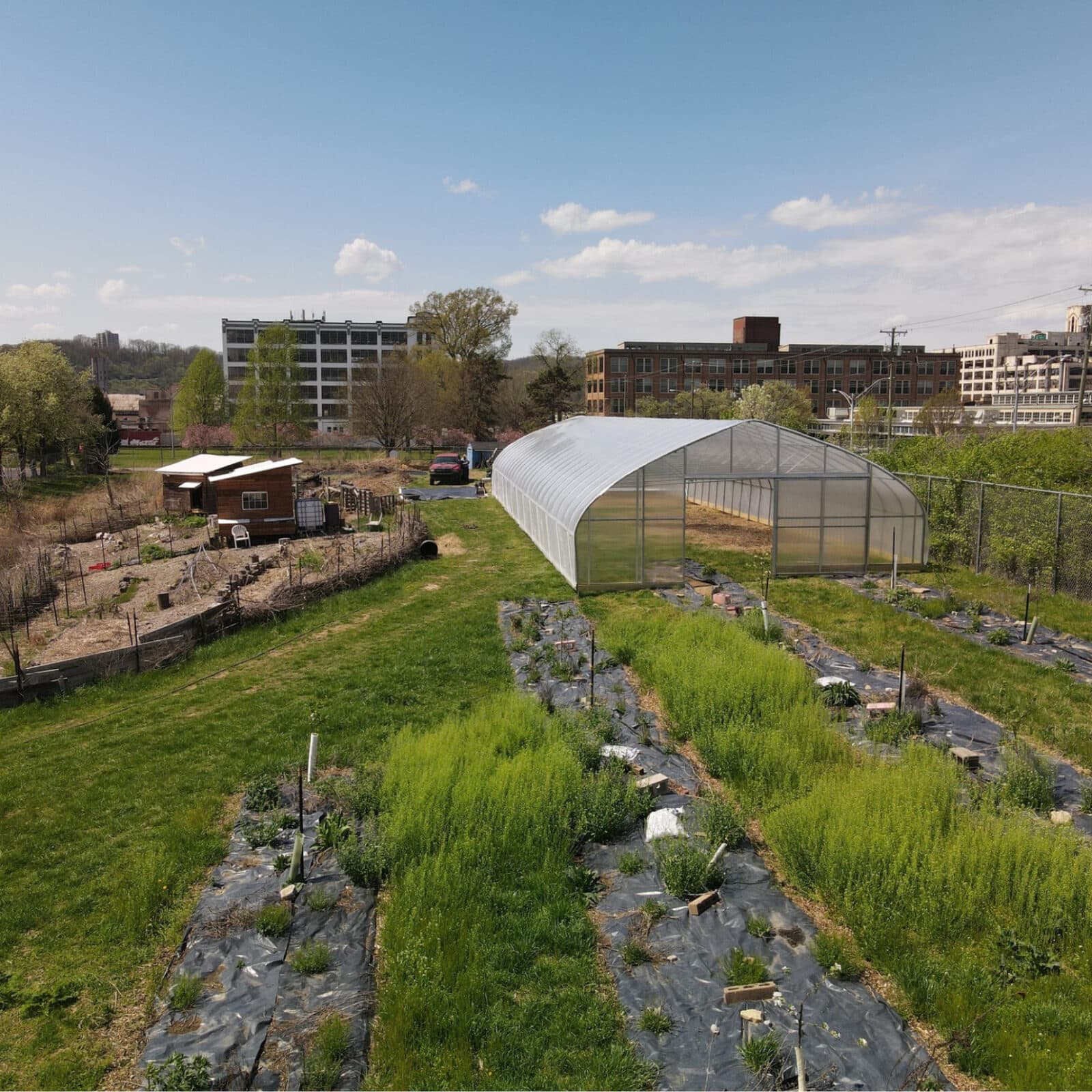
The Common Orchard Project became a program of Green Umbrella in 2020 to bring a start-up idea to scale. We now support 41 orchards and have planted 660 fruit trees and hundreds of berry brambles, herbs, flowers, and veggies on orchard sites. Once these fruit trees are mature we project they will produce 6,000 lbs of fresh fruit per year in communities that need it most, including on 12 school campuses.
We participated in multiple public campaigns designed to reduce residential food waste, and coordinated efforts to adopt food waste reduction measures in commercial kitchens. Over the past seven years, we have hosted 3 Wasted Food Summits and significantly raised awareness about the impacts of wasted food on food security, climate warming emissions, landfill capacity, and household budgets.
Thanks to our community-scale compost operation at the Camp Washing Urban Perennial Farm (managed by the Common Orchard Project) we are creating real options for composting food scraps in the city of Cincinnati and Hamilton County. So far 155 tons of food waste have been diverted into composting, keeping 16.7 tons of CO2 equivalents out of the atmosphere, and producing 398 cubic yards of compost that is being used to improve soil, crop yields, and tree health in local projects.
Green and Healthy Schools
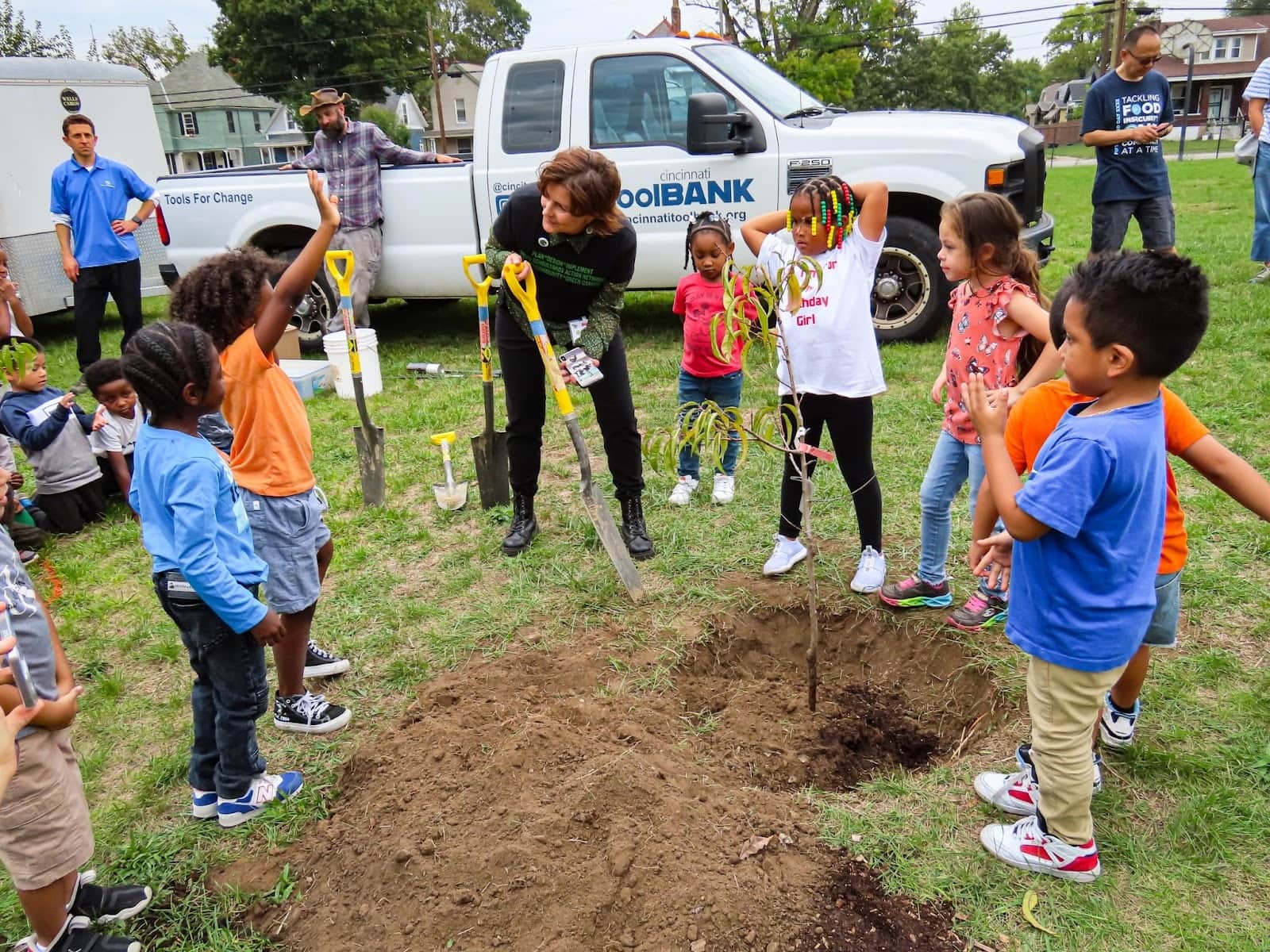
I had the privilege of helping launch our deep collaboration with Cincinnati Public Schools back in 2019, and am so proud of the progress we have made since then to get ALL students outside into nature as part of their school experience. What started as an effort to increase access to green schoolyards has grown into a district-wide shift in how students learn, eat, and prepare for the future.
Today, 60 of 66 CPS campuses have outdoor learning spaces – living classrooms that spark curiosity, deepen academic engagement, and support school community wellness. This is a dramatic increase from the 21 schools that could make this claim in 2021. These campuses are now supported by district-wide maintenance and curriculum plans to ensure these sites are maintained and used regularly by teachers, visiting educators, and afterschool programs.
CPS has expanded green workforce programs across more schools and grade levels, giving students hands-on skills for the growing green economy. The Agriculture Education Career Tech Pathway is now available to middle school students and a pilot is underway in elementary grades, to help create pipelines of students ready to pursue formal green career training in high school and graduate ready for jobs or further education in the green economy. The District made a commitment to electrifying its buildings and transportation fleet and is now creating its first sustainability plan.
Green Umbrella’s stellar Green and Healthy Schools Director Cynthia Walters is bringing her expertise to districts across the country through the Local Schools Policy Wellness Toolkit. This resource uses policy levers that all schools have to embed time outside, access to nature, nutrition education and more into how schools operate.
Cultivating Local Climate Leaders
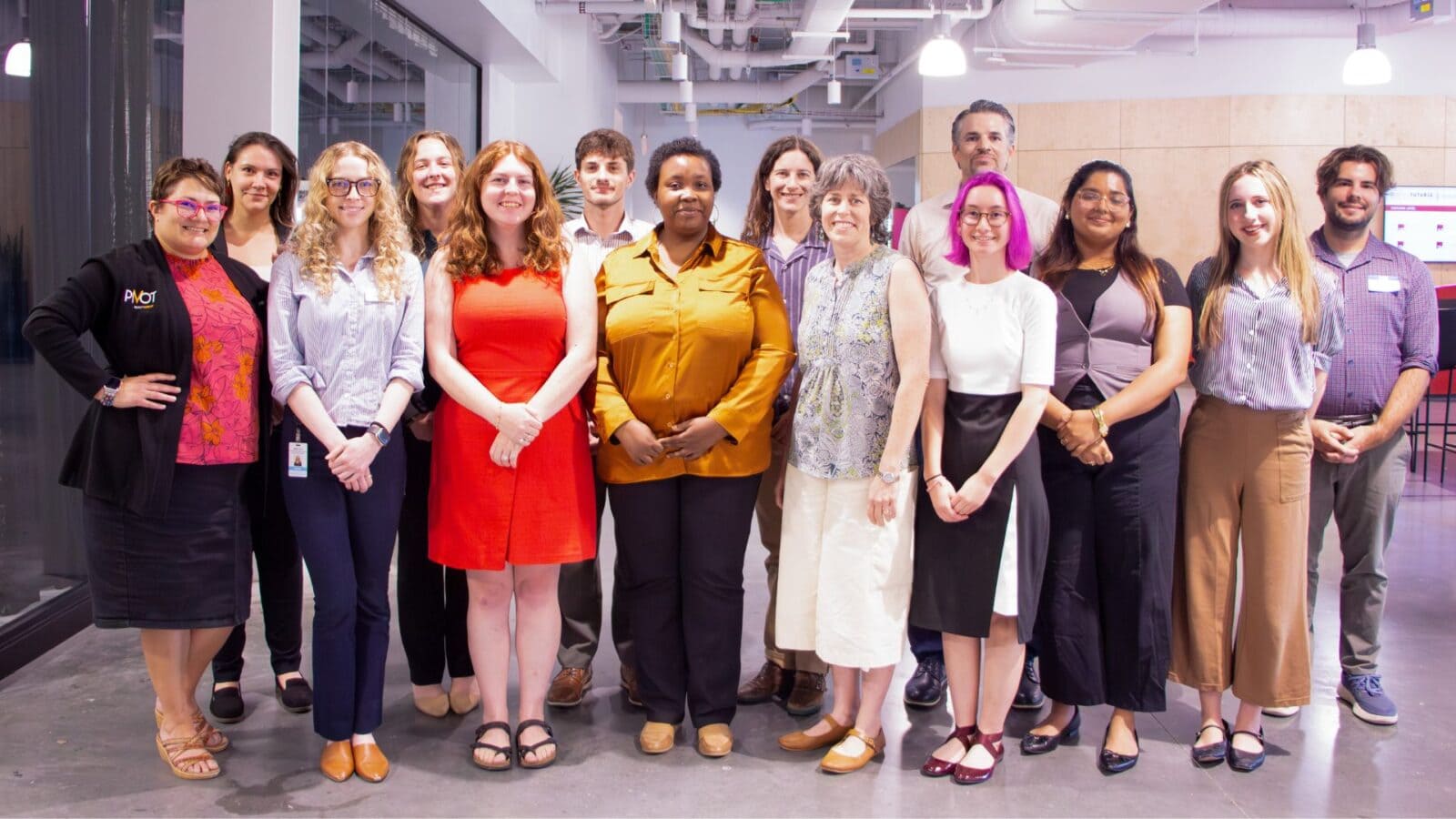
Climate leaders can take many forms – employees of businesses who form green teams or advocate for zero waste or emissions reductions targets, people of faith who share their passion for creation with their spiritual communities, residents who see the impacts of pollution and heat stress on their neighbors and show up to meetings to voice their concerns, researchers and scientists who dedicate their life’s work to solving environmental challenges, elected officials who make bold decisions, students who advocate for change at their schools. I am so proud that the movement we have built together over the last 8.5 years has led to so many more voices participating in the work and advocating for change in their communities. I’m going to share some final numbers with you, but they do not even scratch the surface when it comes to how our movement for local climate action has expanded who is showing up for these conversations in Greater Cincinnati.
The Work Continues
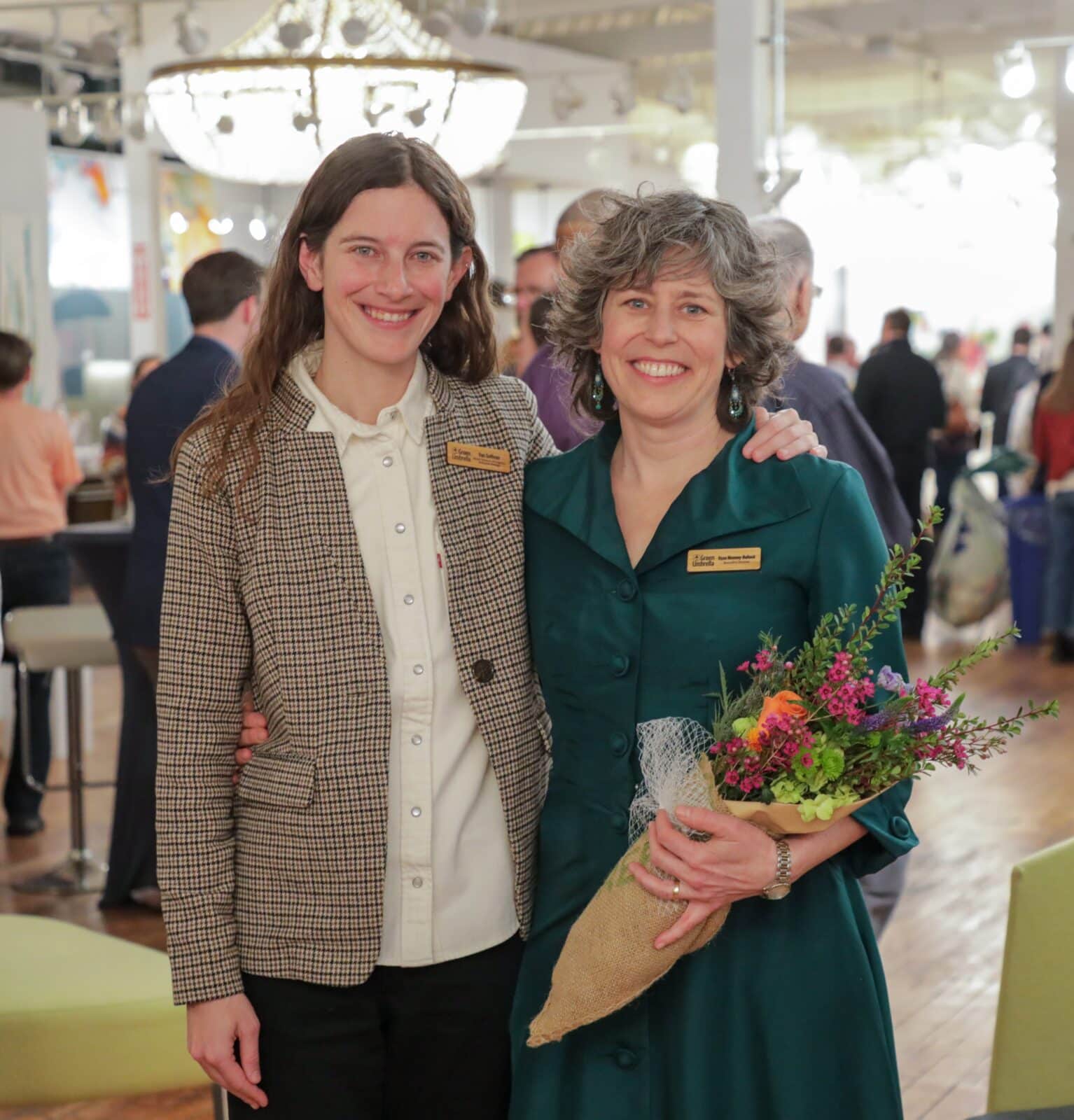
It has been an honor to work alongside so many passionate partners, community leaders, and staff who believe in a healthier, more resilient future for all of us and the natural world we are a part of. We have built something truly special together, and because it is collaborative I know will continue to evolve and improve. I am particularly thankful for the trust that the Green Umbrella trustees and members placed in me as I mapped out how our organization might grow to respond to needs and opportunities as they emerged. And for the dozens of staff and interns who have come in and out of Green Umbrella over the last 8 years and taught me how to lead through so many different types of circumstances. As I move into my new role at Gorman Heritage Farm, I am taking with me the conviction that showing up with love, kindness, mutual respect, and deep listening is the most significant contribution I can bring. I know that Van Sullivan, Green Umbrella’s interim executive director, will bring that with them every day and that the organization is in great hands. I will be cheering you on from my viewpoint as a member organization and collaborator in the work!
You can make a contribution to support the next chapter of Green Umbrella by donating to our Leadership Legacy Campaign by March 3, 2026!
Green Umbrella members also have access to our members-only newsletters and e-blasts. Join today to receive these perks!
By Kelly Morton
Published May 11, 2026