Greater Cincinnati Regional Green Schoolyards Summit: Join Us for the Inaugural Year!
By Kelly Morton
Published April 26, 2024
Join us and act against climate change! Become a member today.

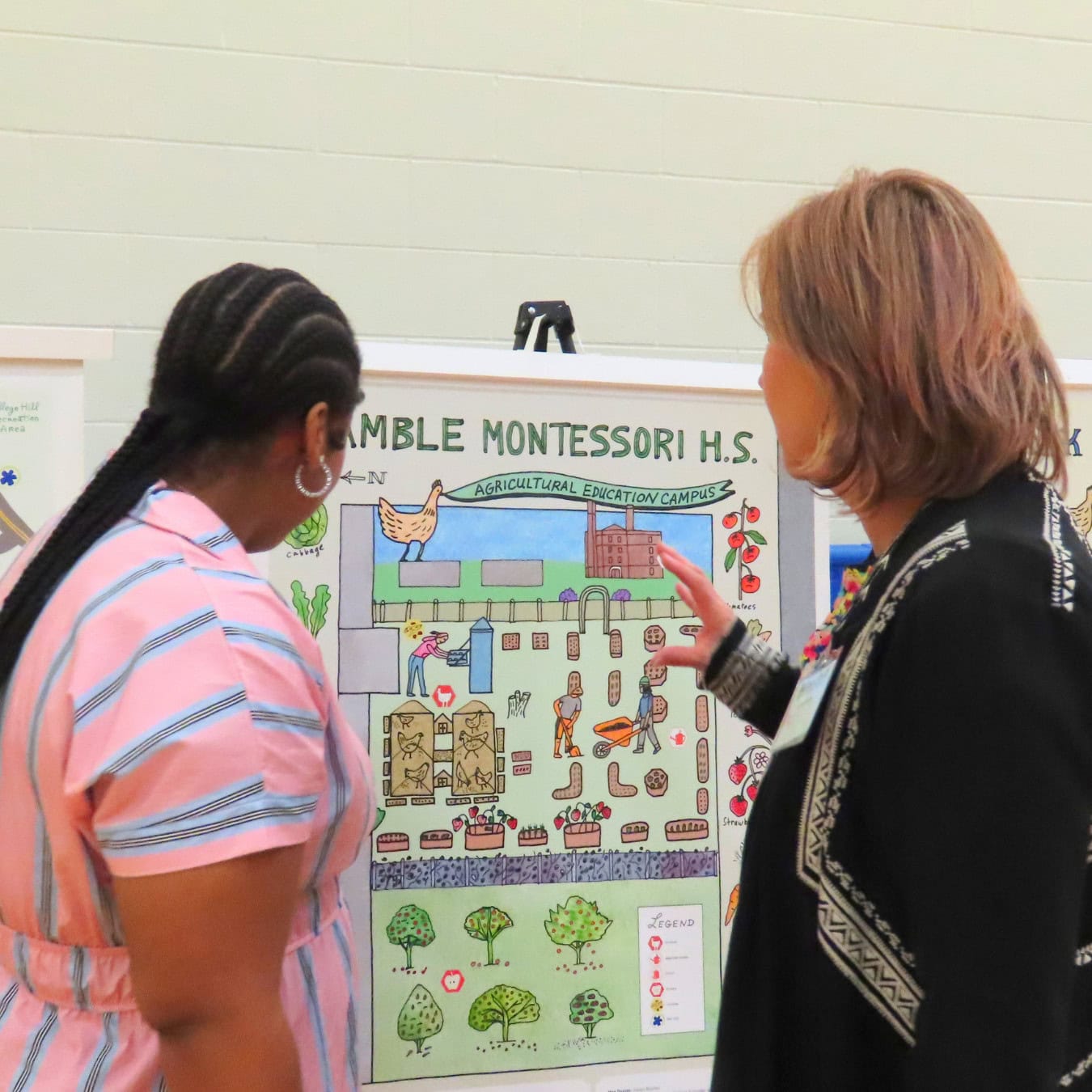
Did you attend the 2026 Green & Healthy Schools Symposium? Or do you want an idea of what the Symposium was like? Read some takeaways from the 2026 Green & Healthy Schools Symposium from Green Umbrella Climate Action Fellow, Amanda Kporwofa.

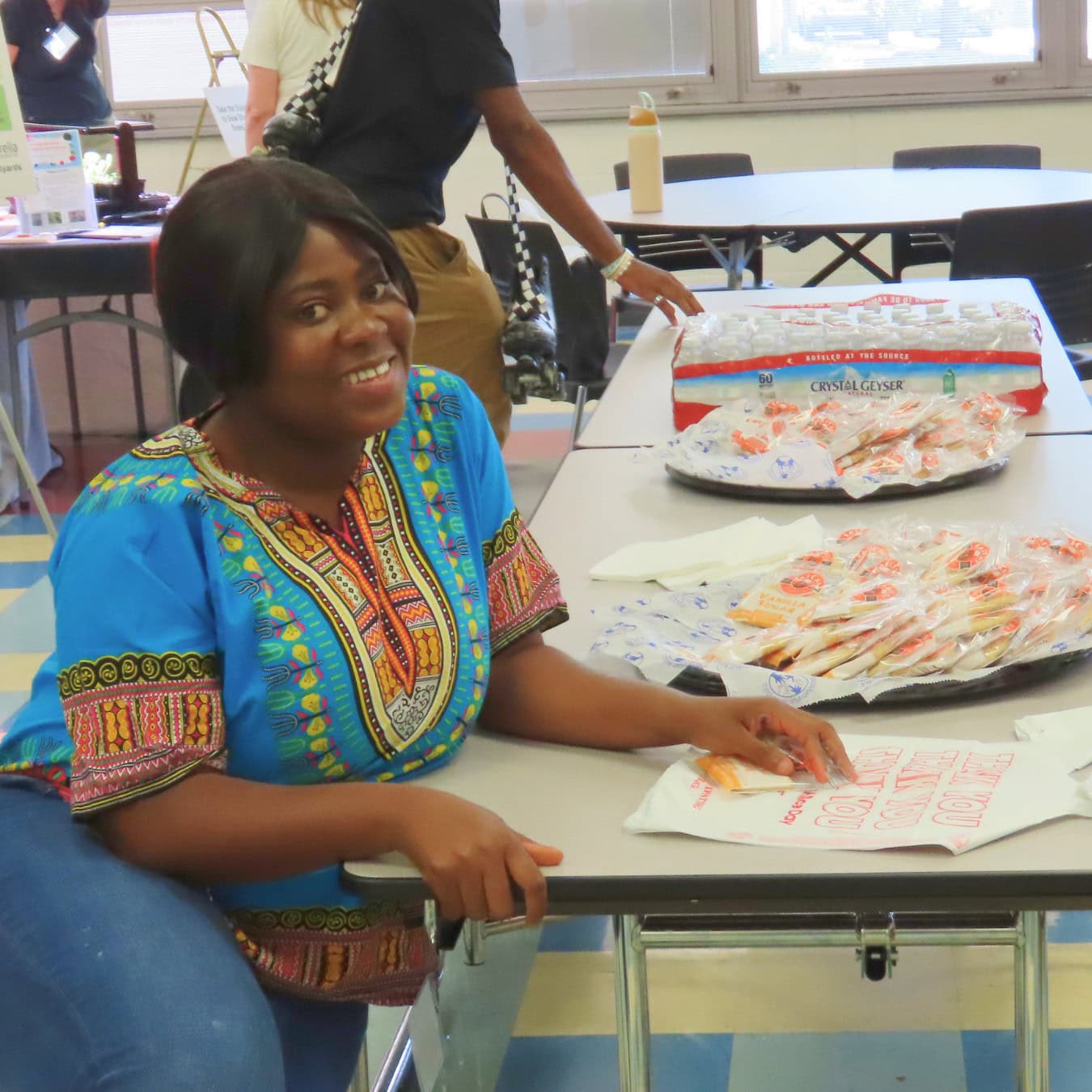
The Green & Healthy Schools Symposium on June 13, 2026 may have been on a single day, but some conversations are too valuable not to carry through the rest of the year and beyond. Grab a cup of coffee, settle in, and join me in revisiting some of the conversations that continue to inspire greener schools and healthier communities.
My name is Amanda Kporwofa. I am a Green Umbrella Climate Action Fellow for 2026, and I was selected for the Green & Healthy Schools program. I worked with the Green & Healthy Schools Director, Cynthia Walters, throughout the summer and helped with the Symposium at the beginning of my fellowship.
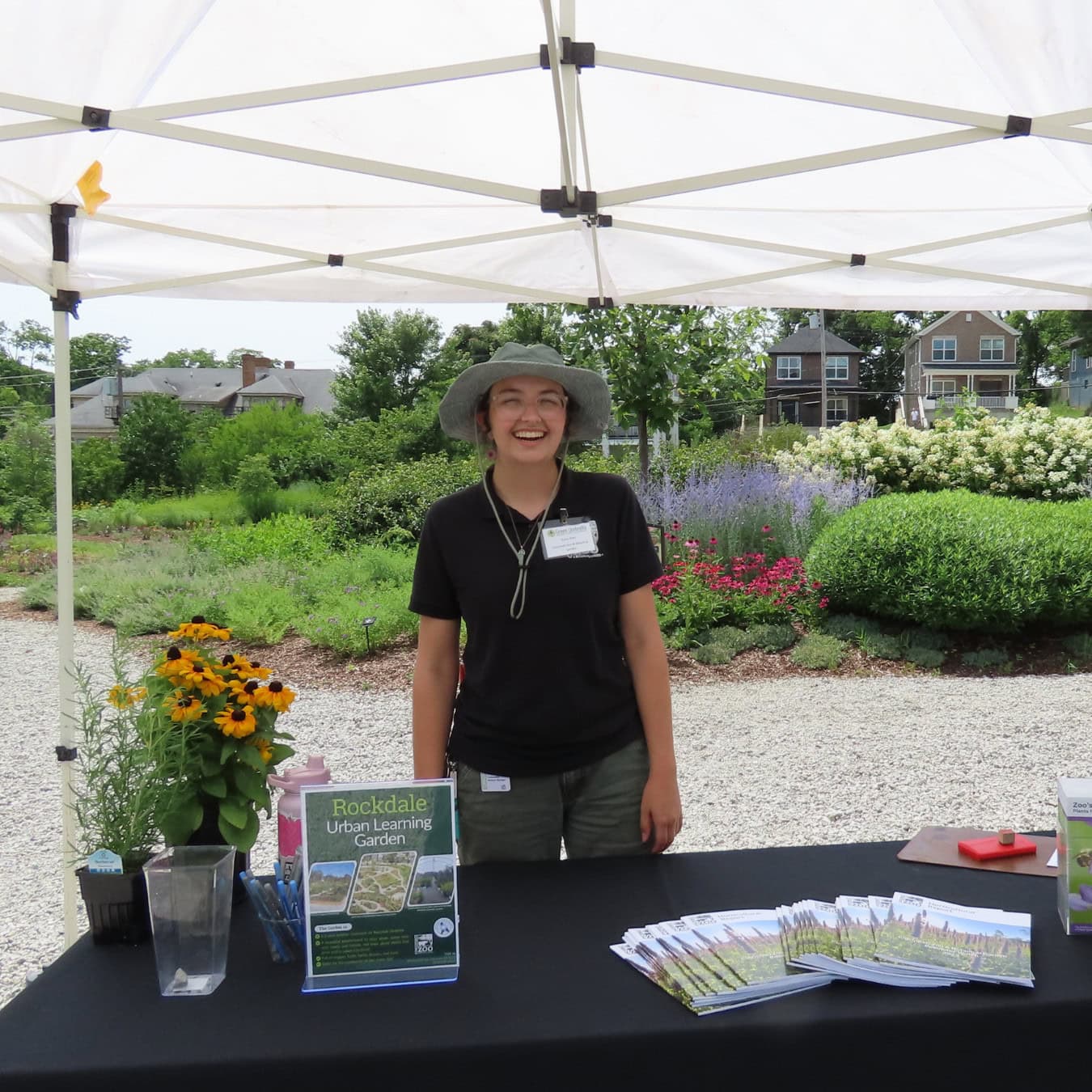
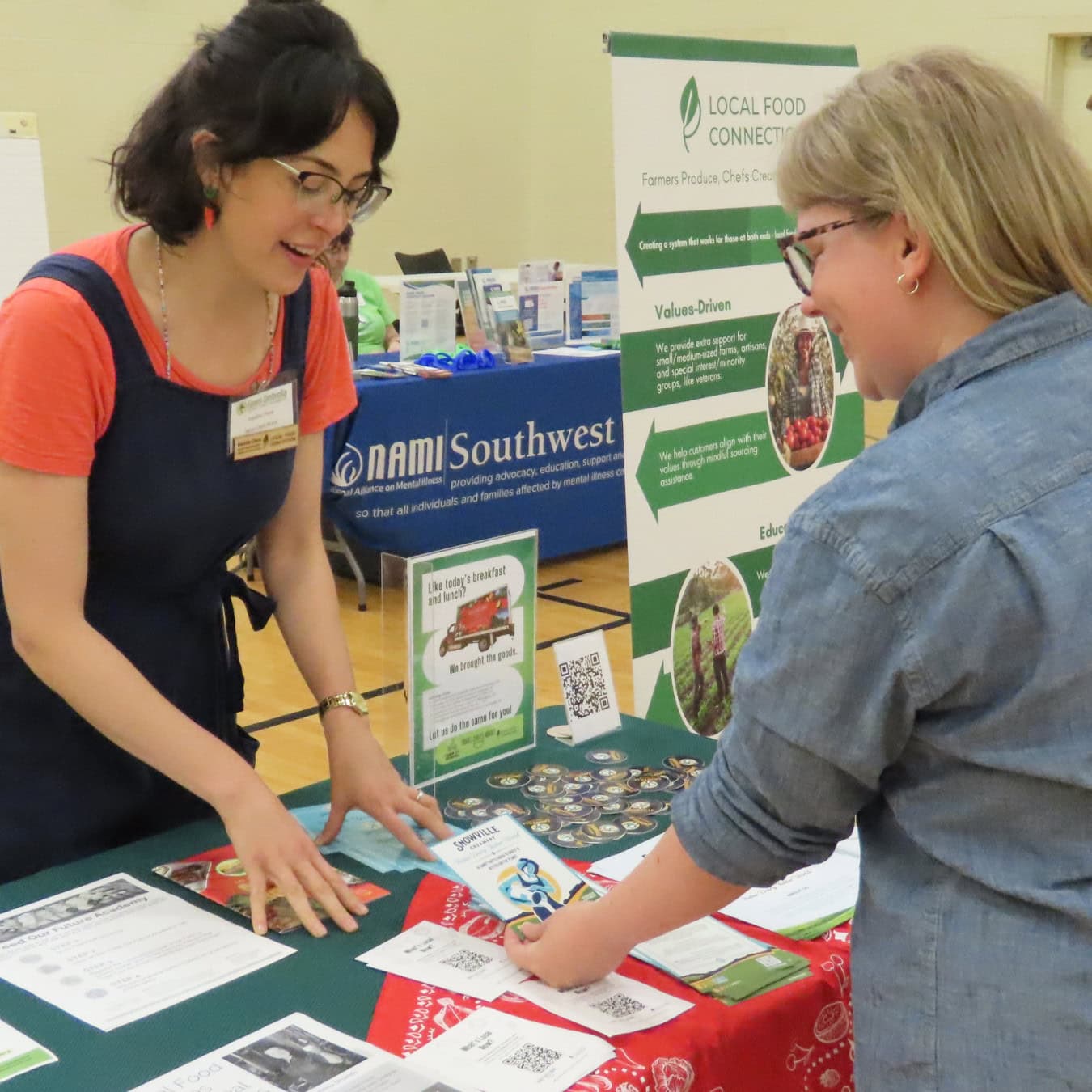
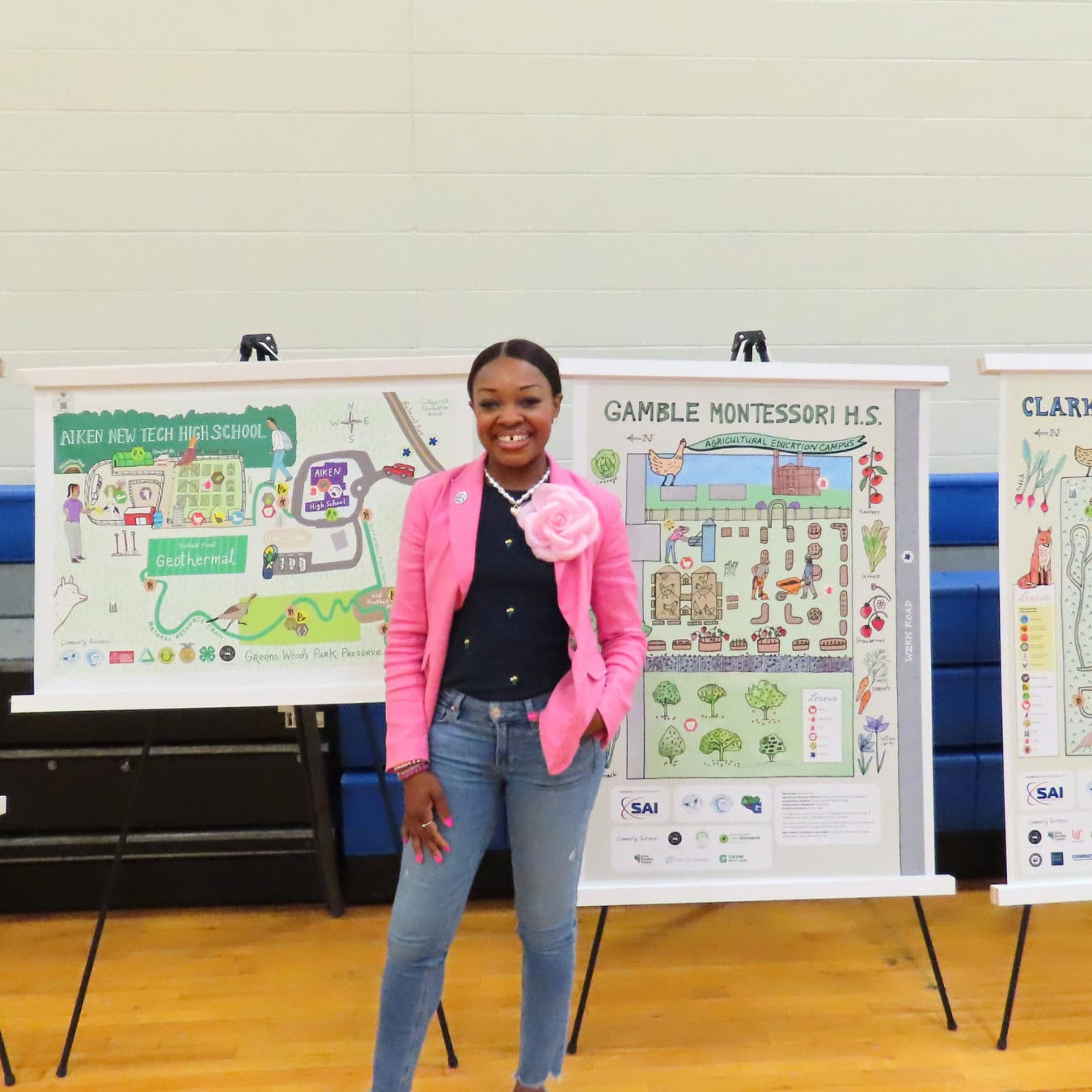
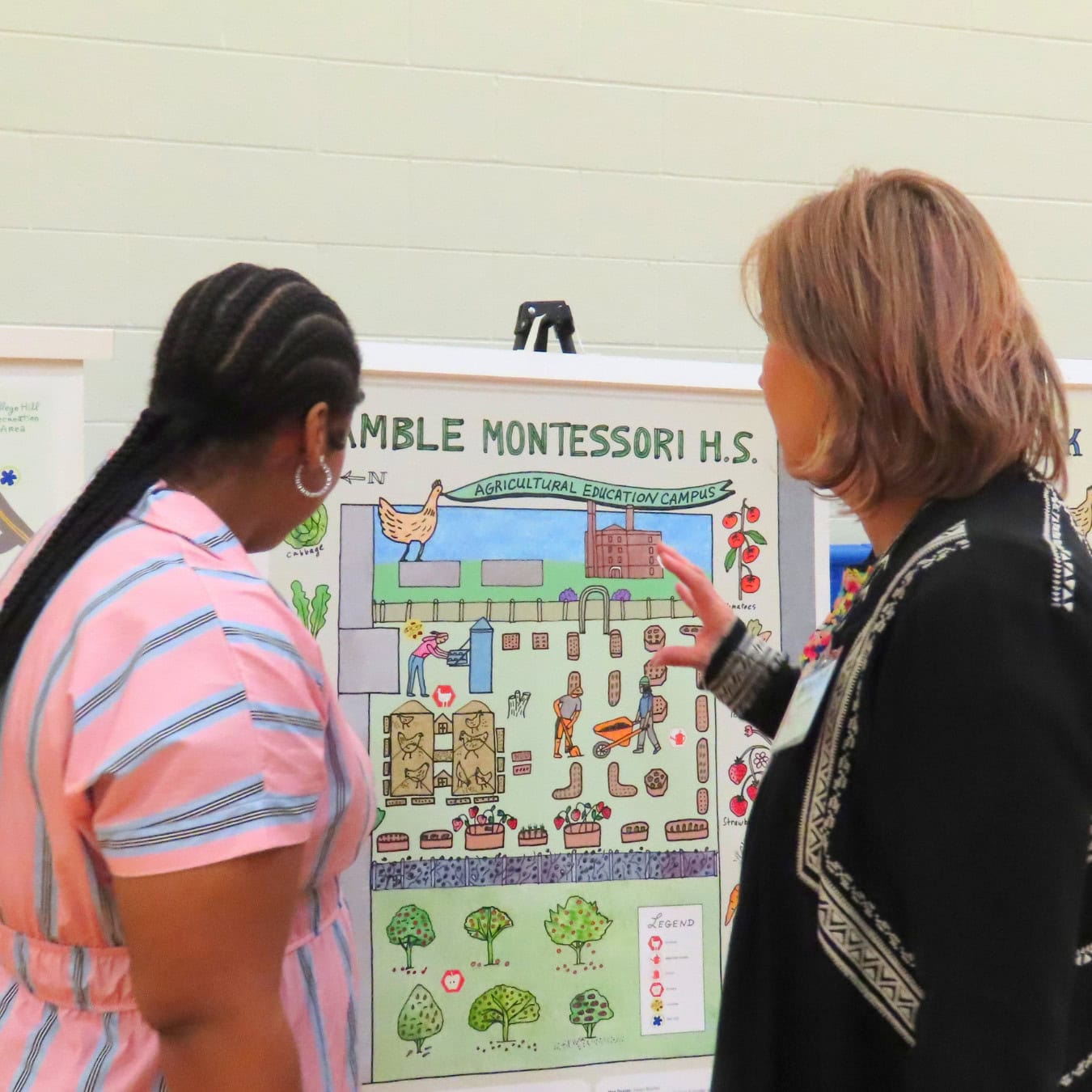
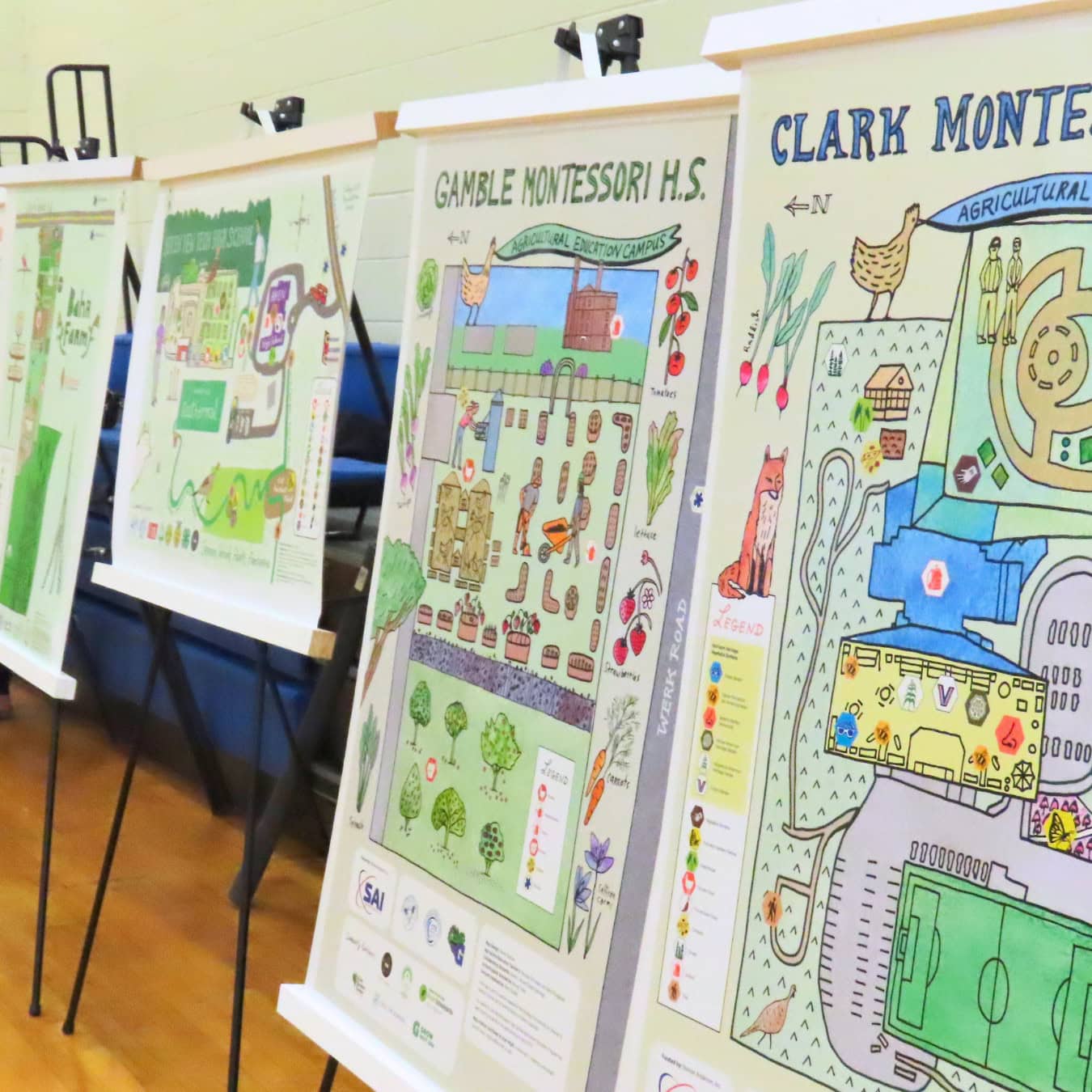
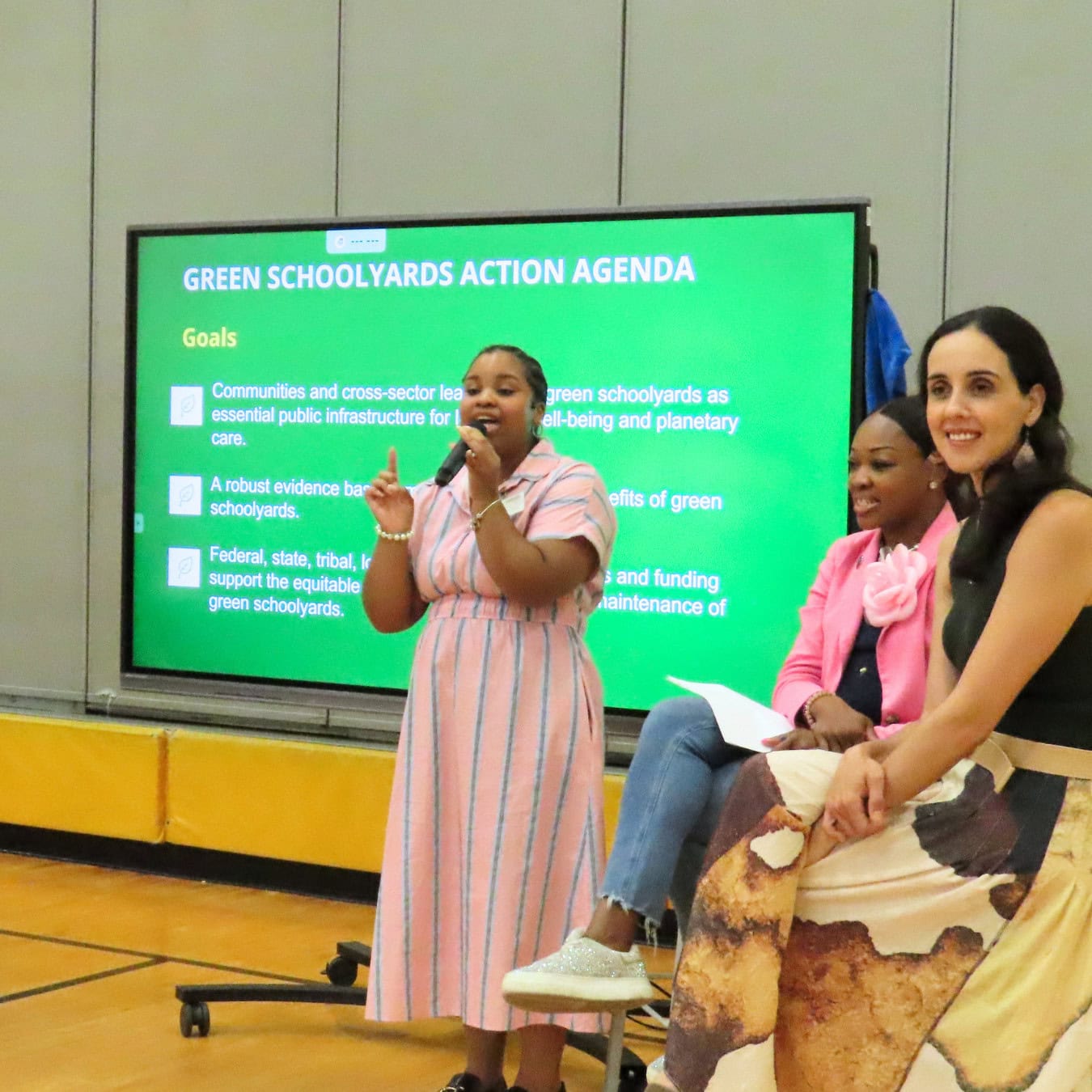
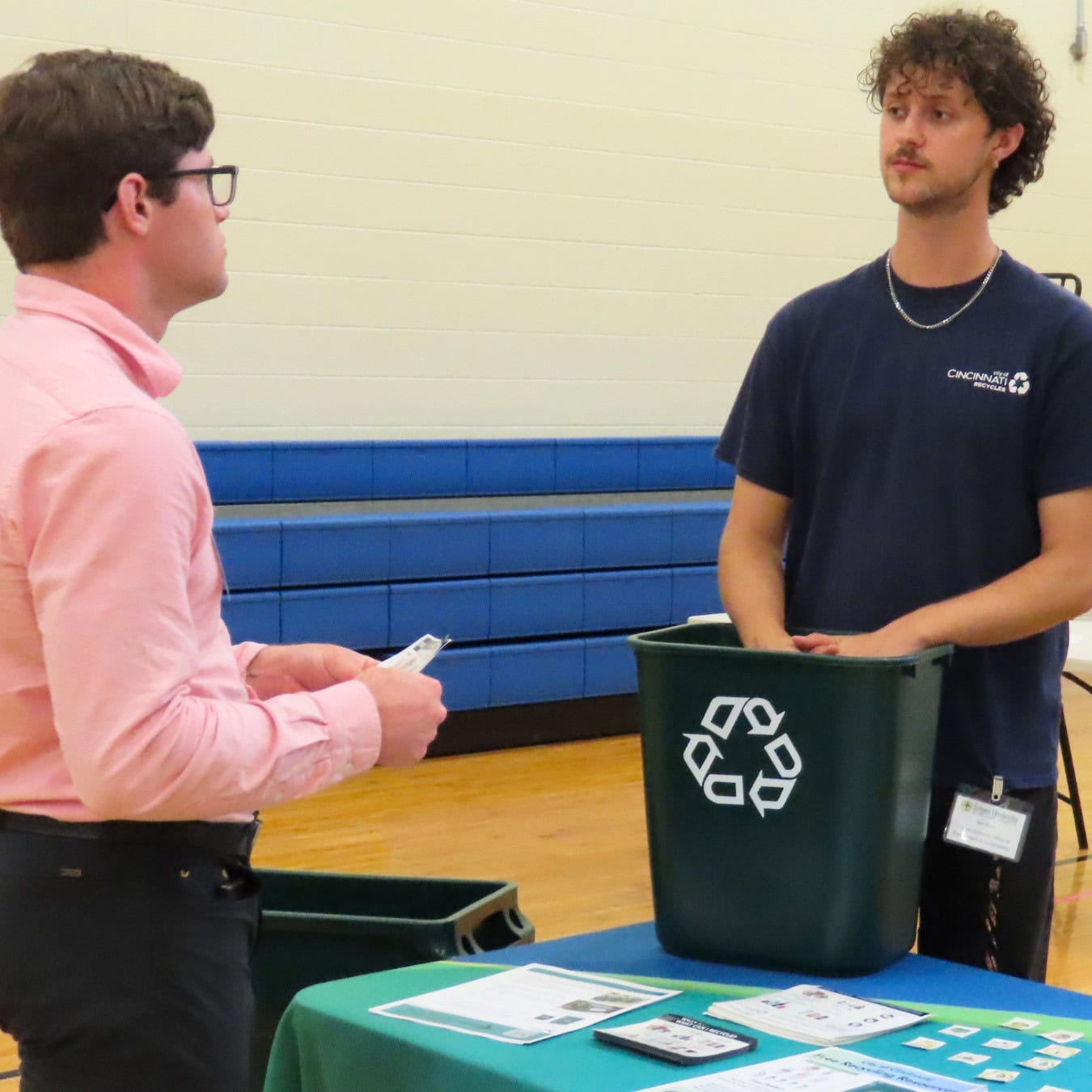
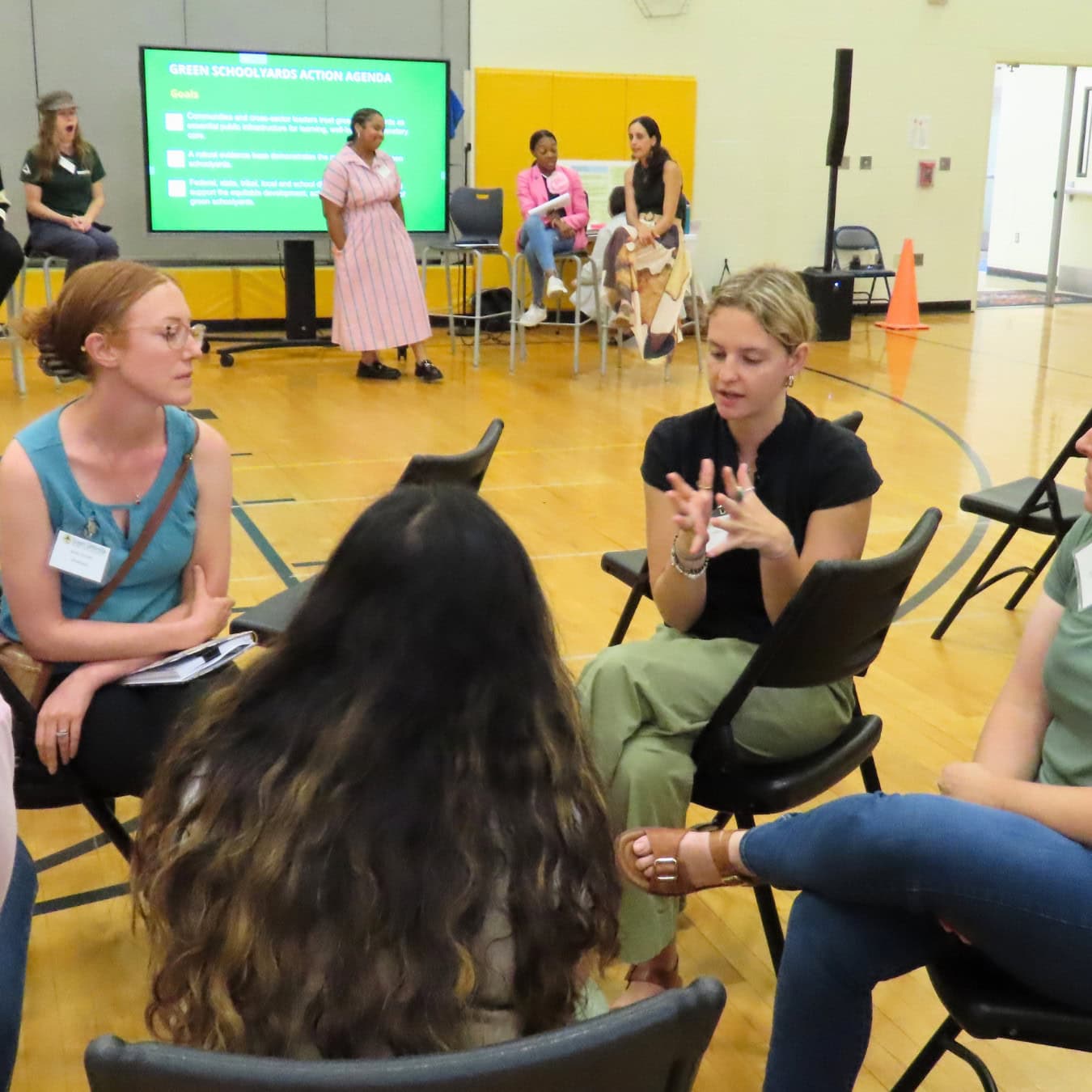
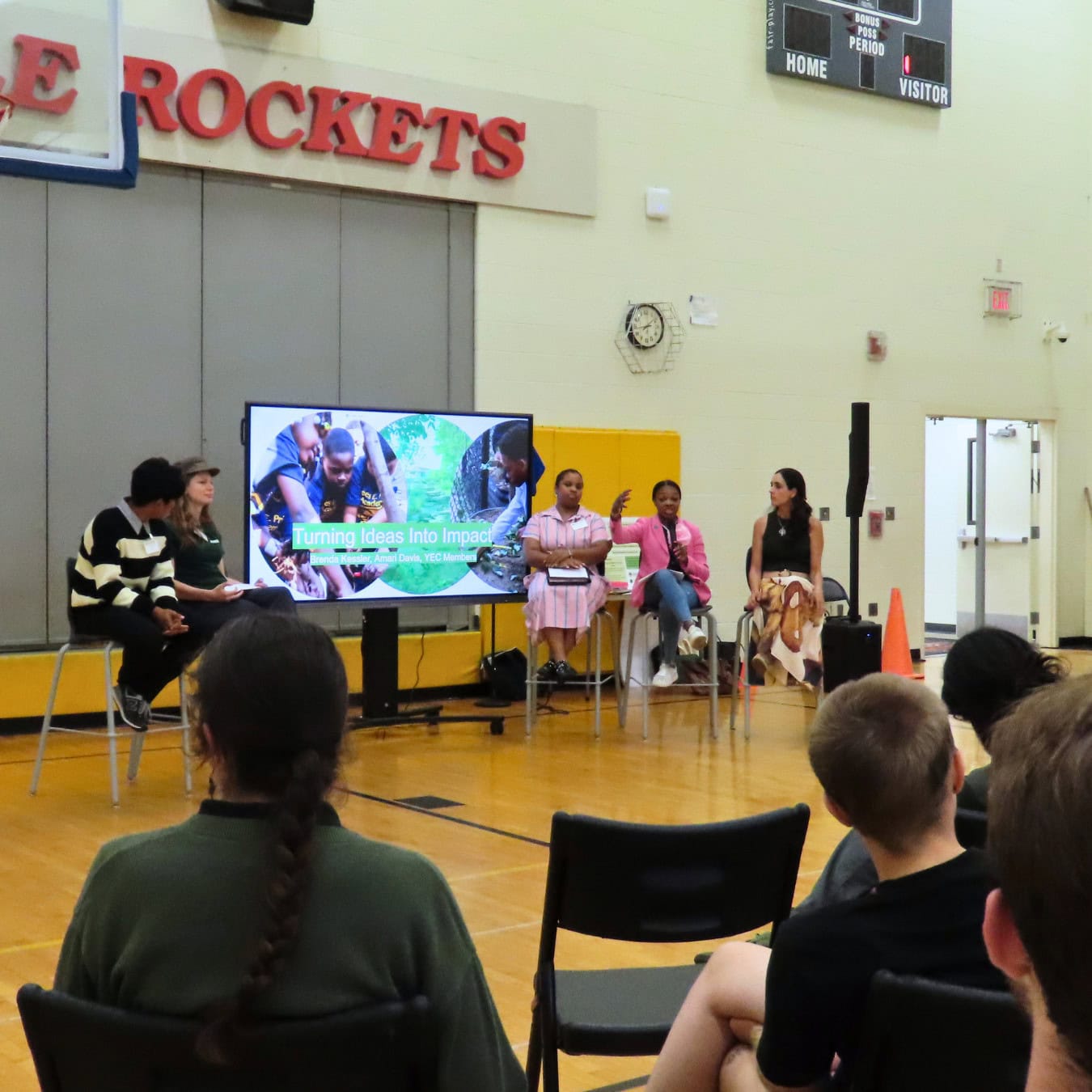
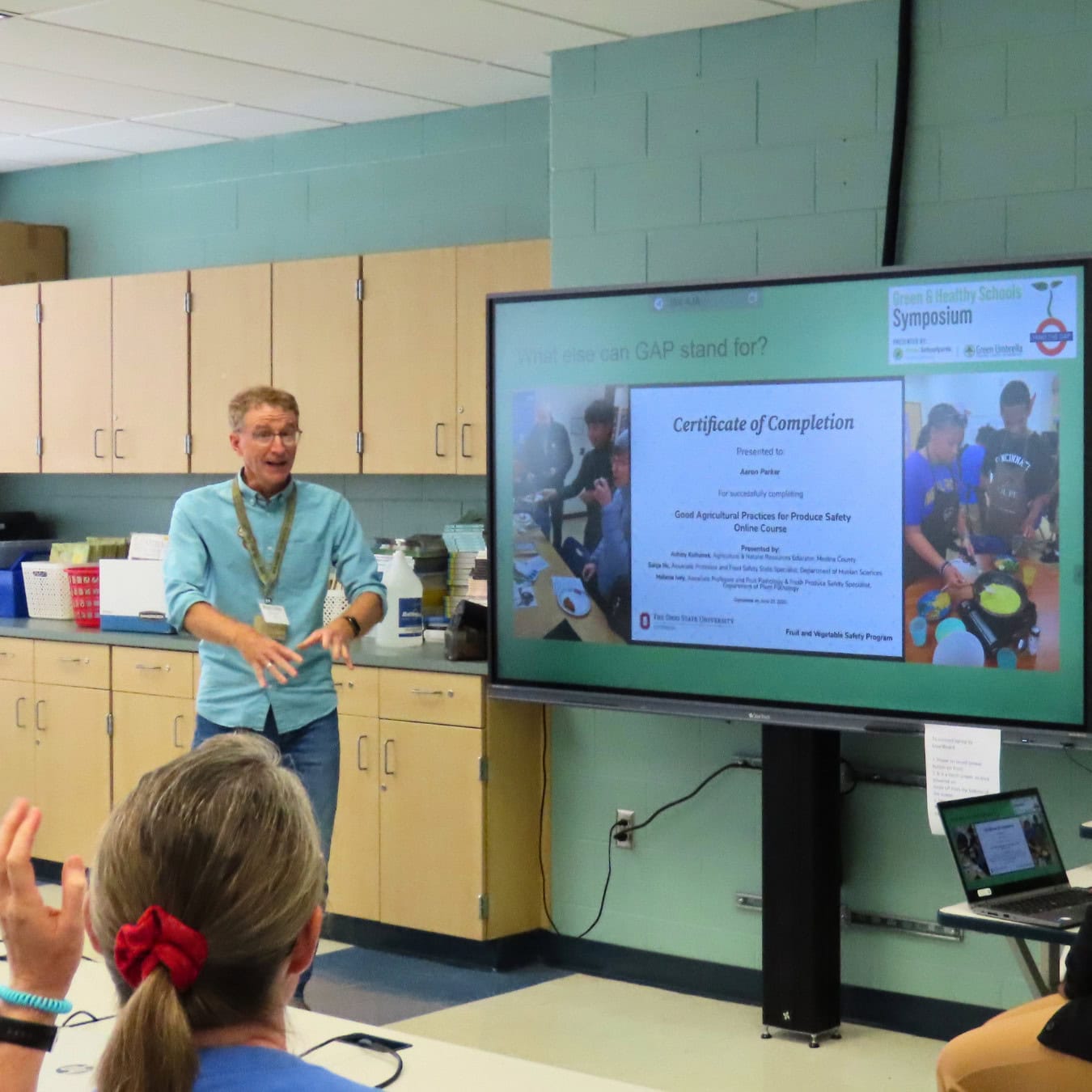
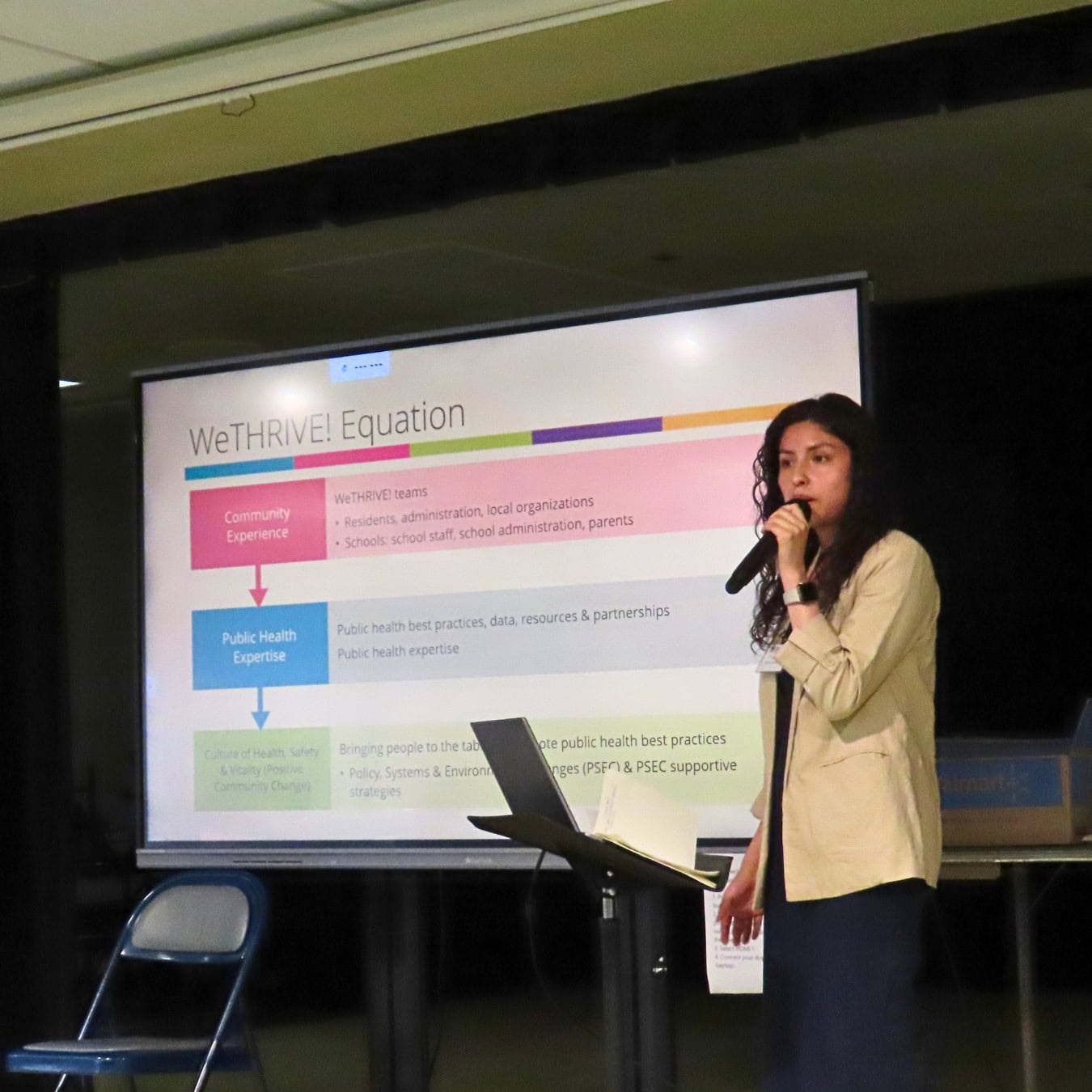
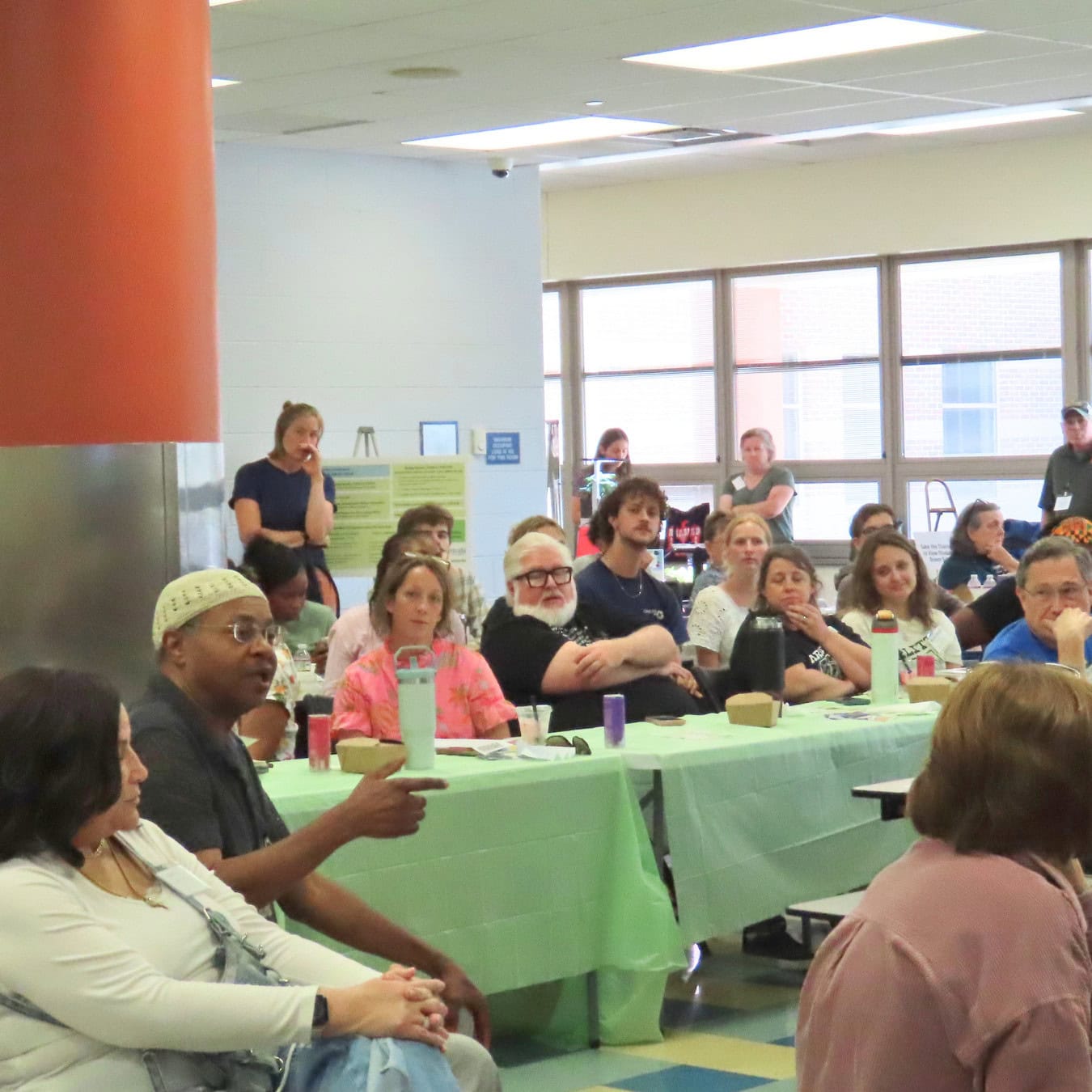
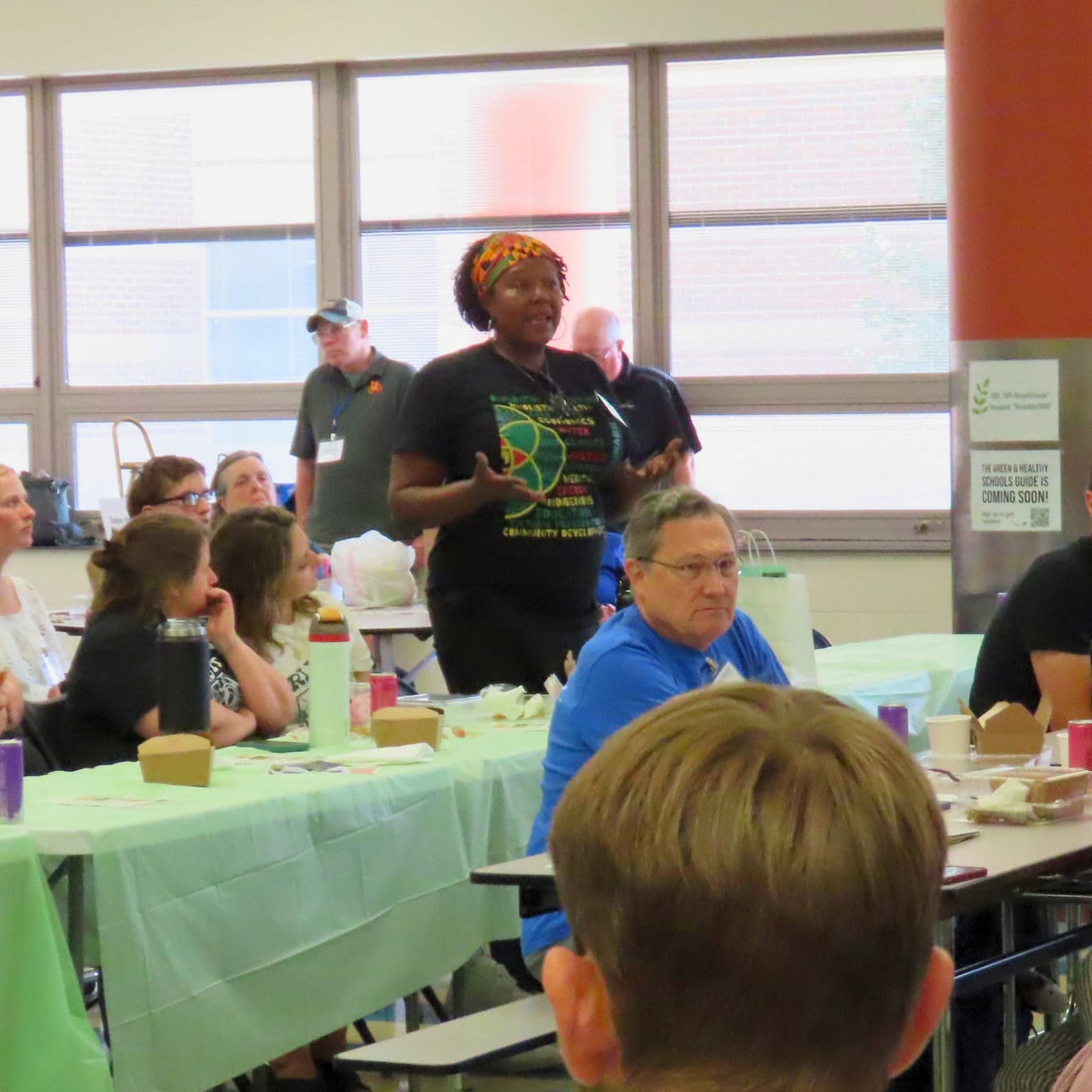
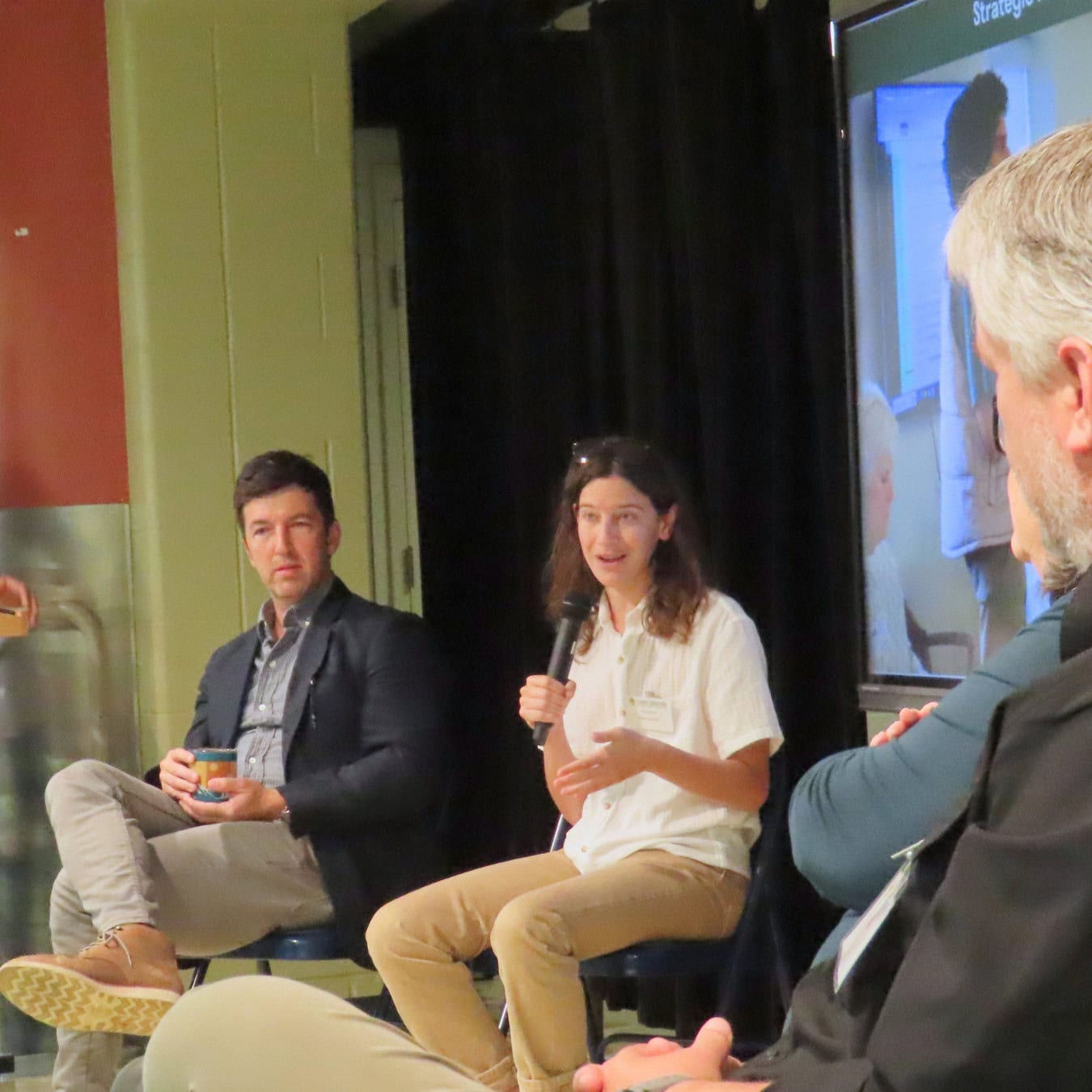
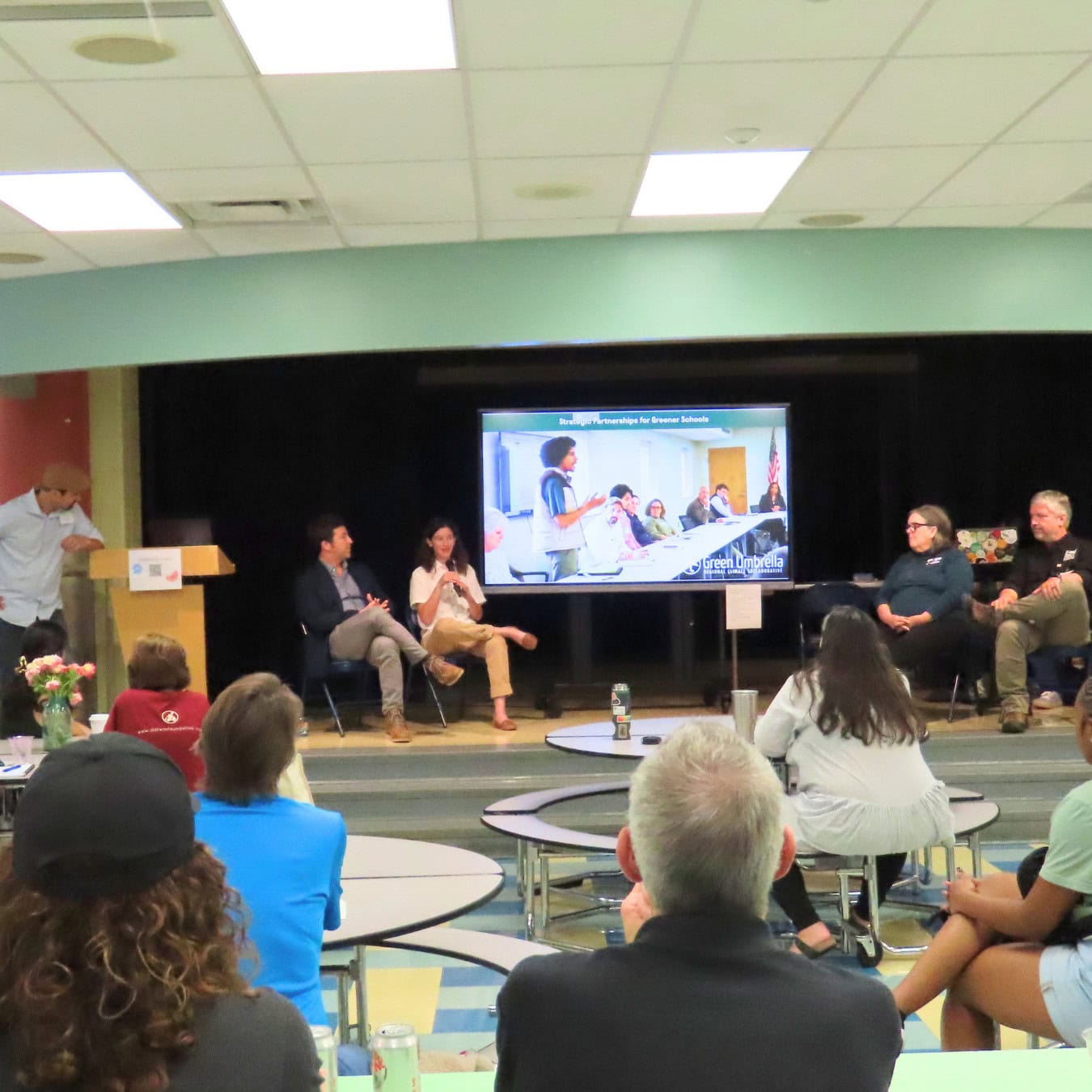
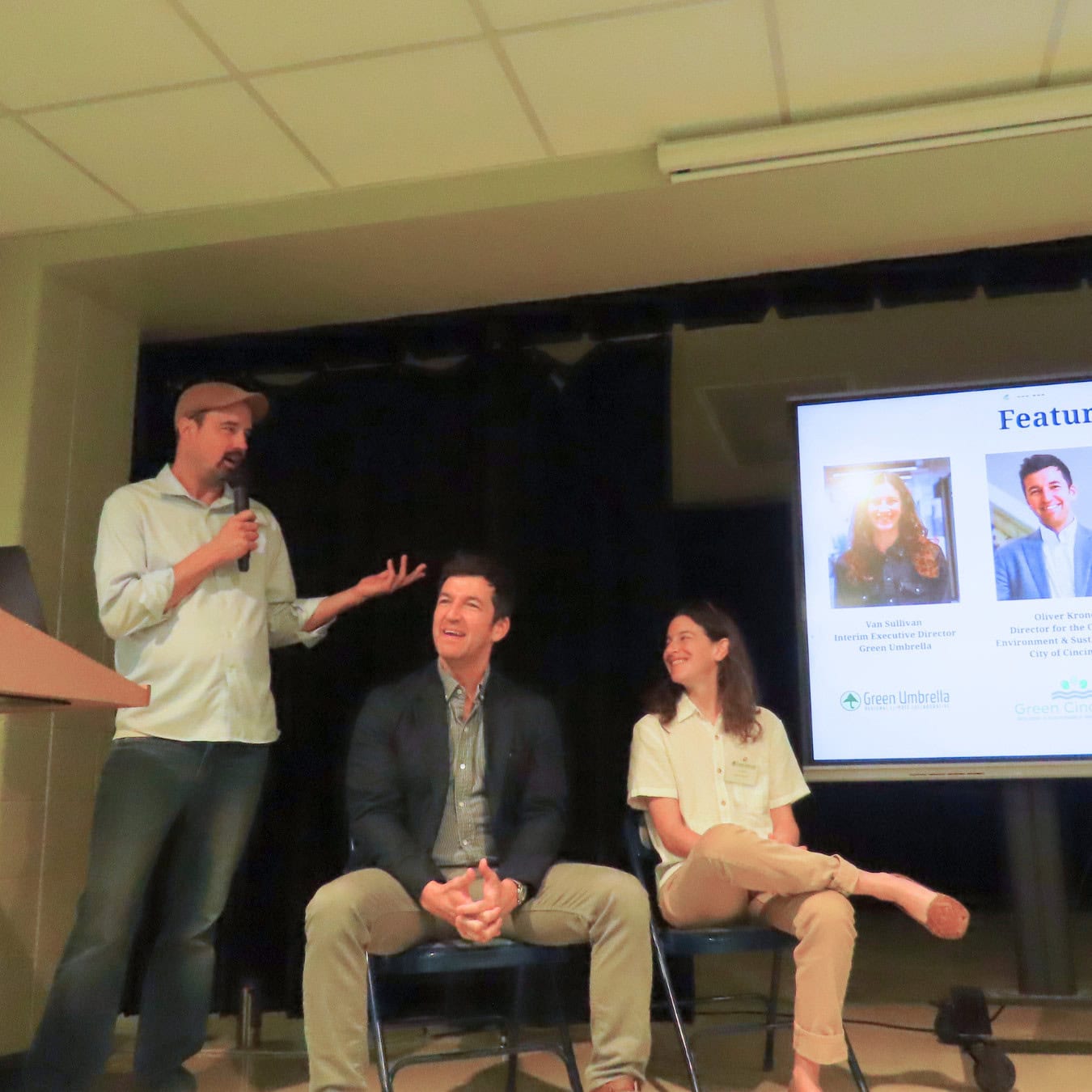
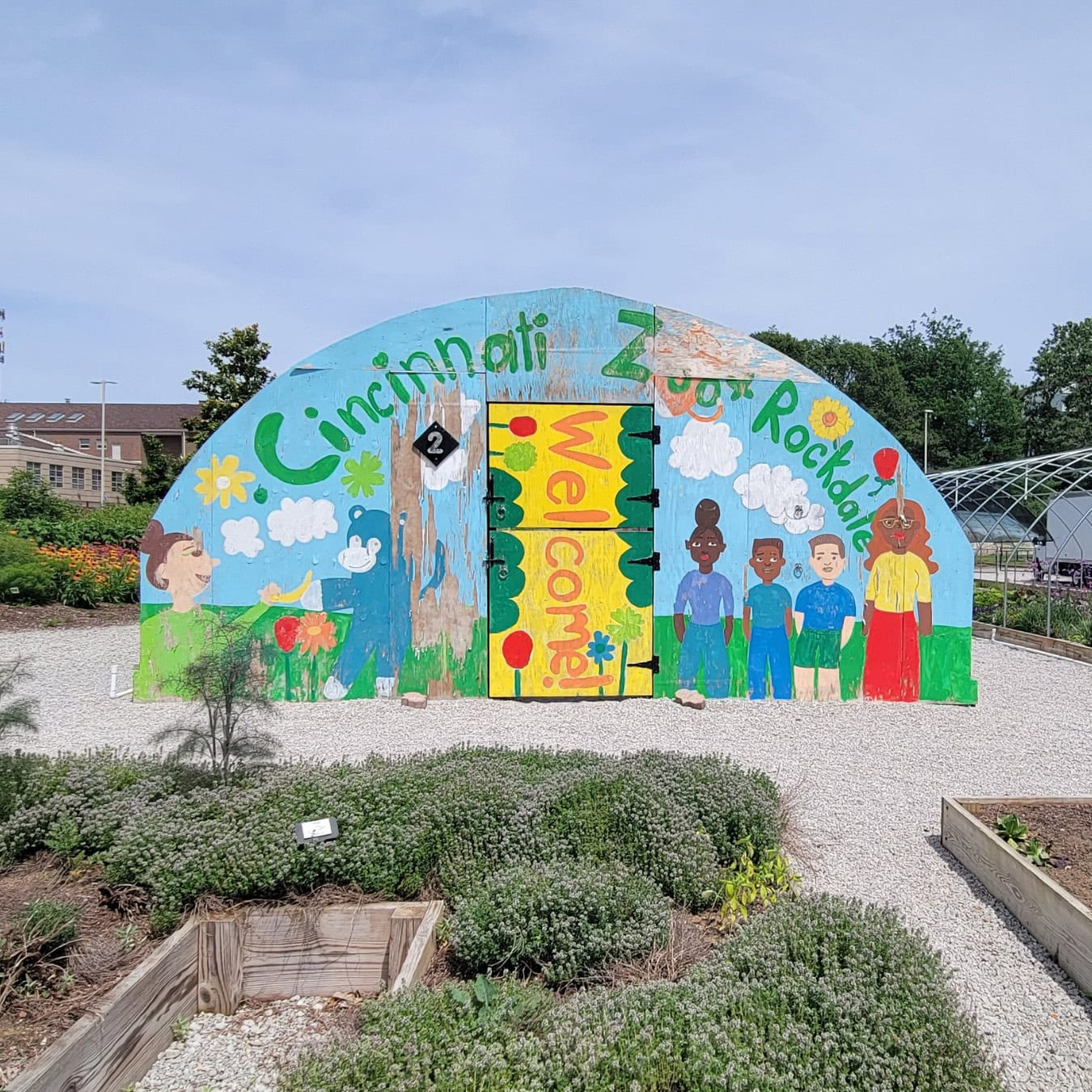
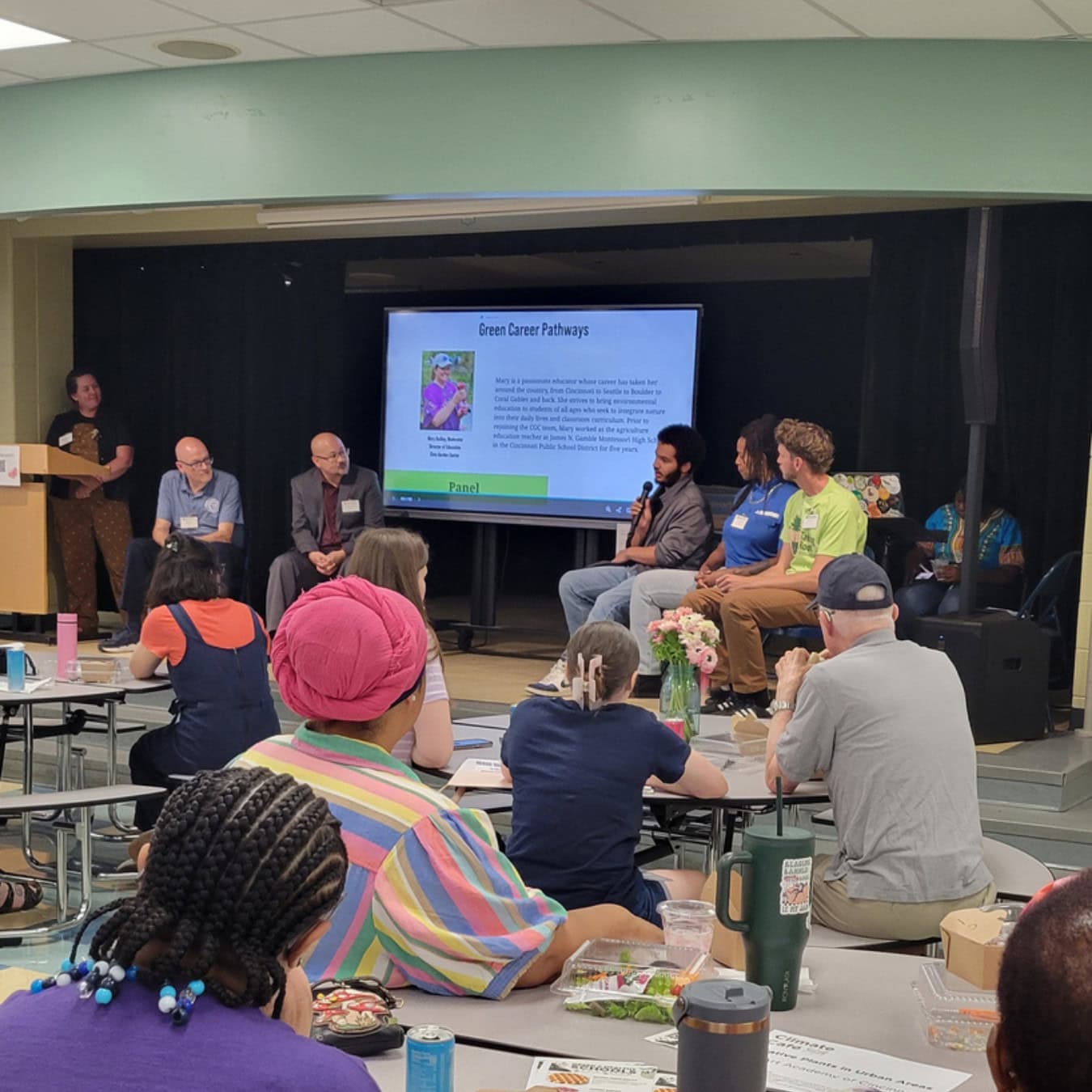
The Rockdale Academy & Learning Garden was the setting for the Symposium, an energizing event dedicated to district-wide green sustainability while fostering the well-being of communities across our region and beyond. The Symposium brought together visionary school district leaders, educators, students, school foodservice champions, and partner organizations to explore strategies for embedding and sustaining green schoolyards, green career pathways, and school community wellness throughout a school district. Presenters, including student leaders, conducted engaging sessions to spark collaboration and equip attendees with resources to accelerate action.
This blog is my way of capturing some of the most memorable lessons, ideas, and stories shared by the incredible speakers at the Green & Healthy Schools Symposium. From creating healthier schools to advancing sustainability and climate action, each session offered practical insights worth carrying forward. Here are some of the lessons I’m taking away from the Symposium.
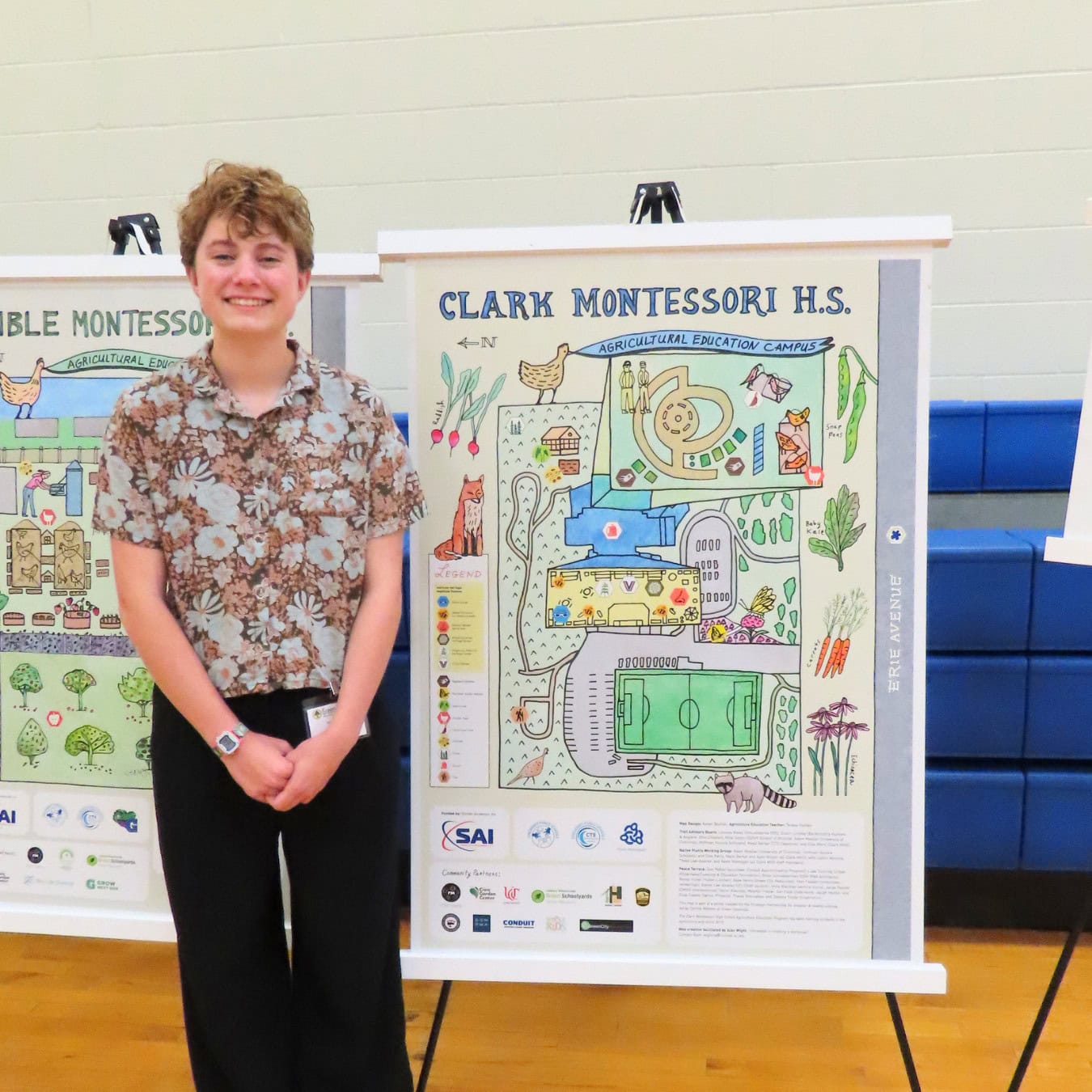
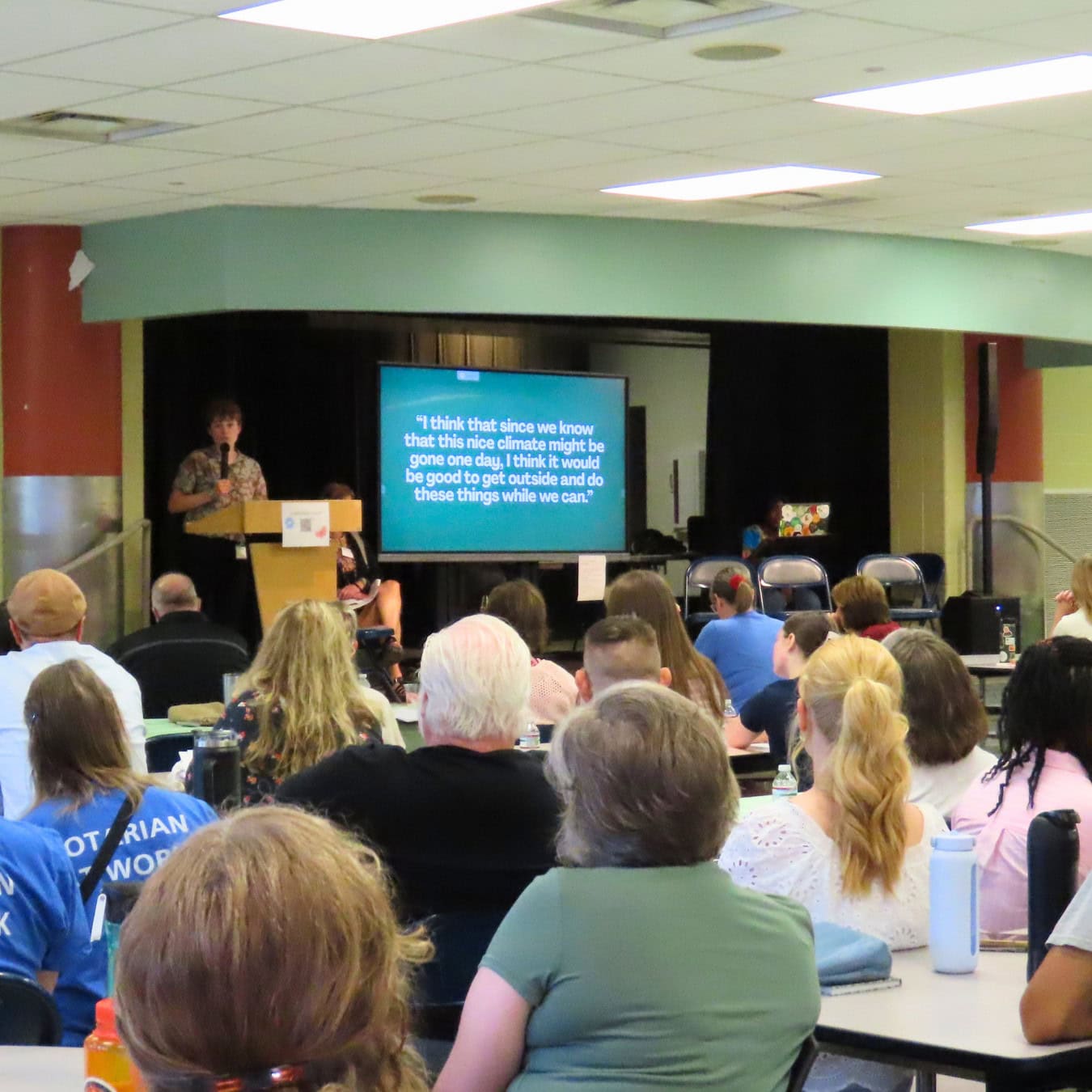
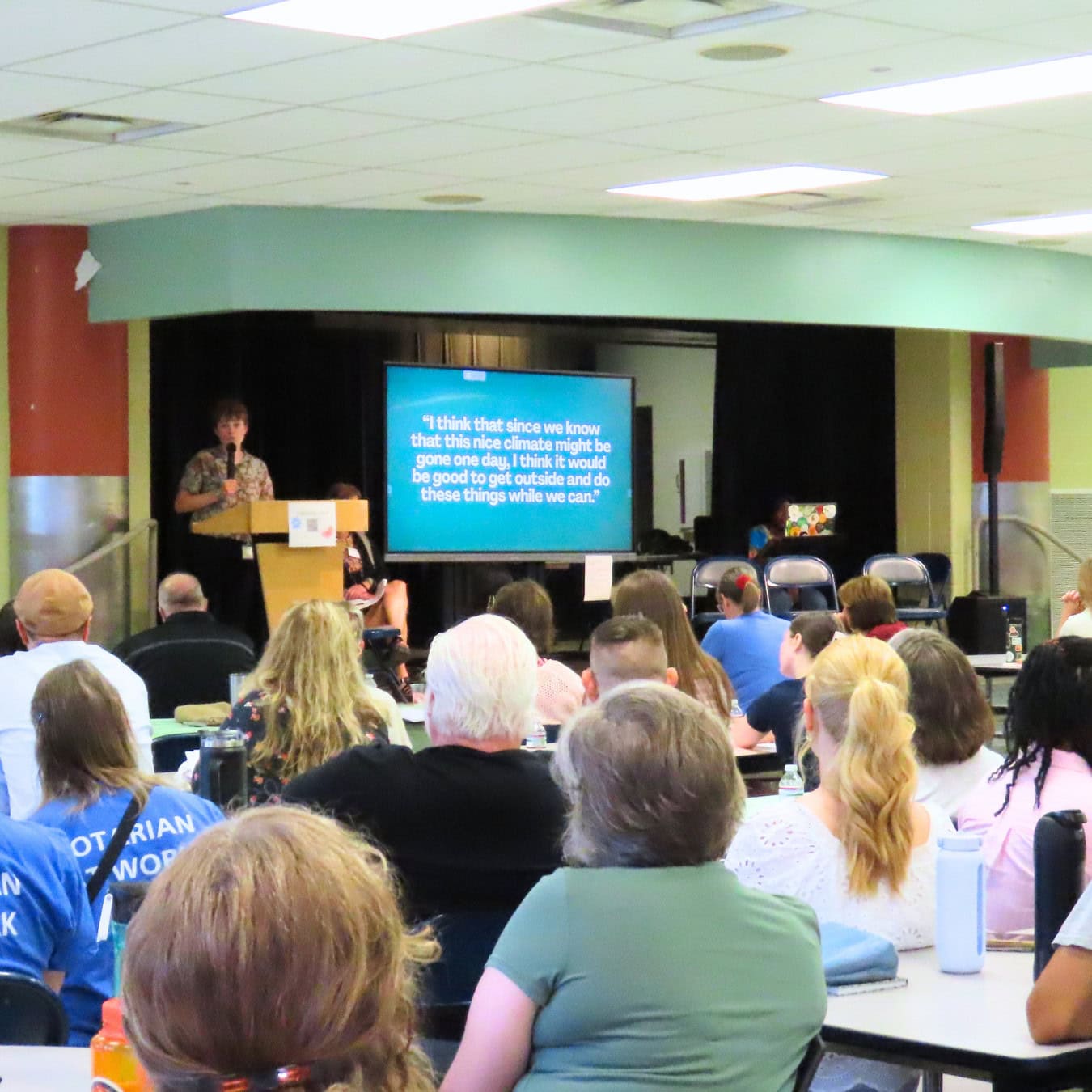
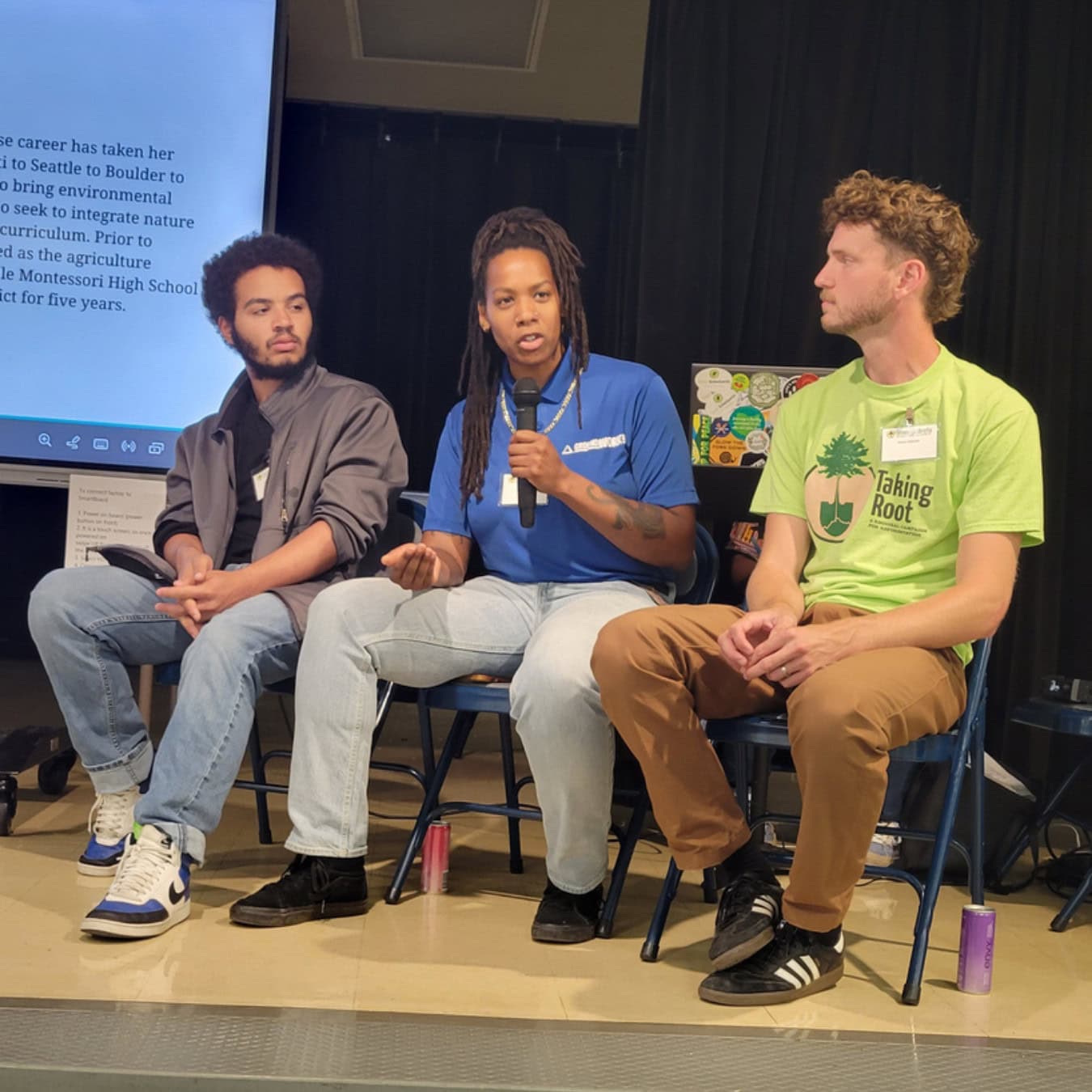
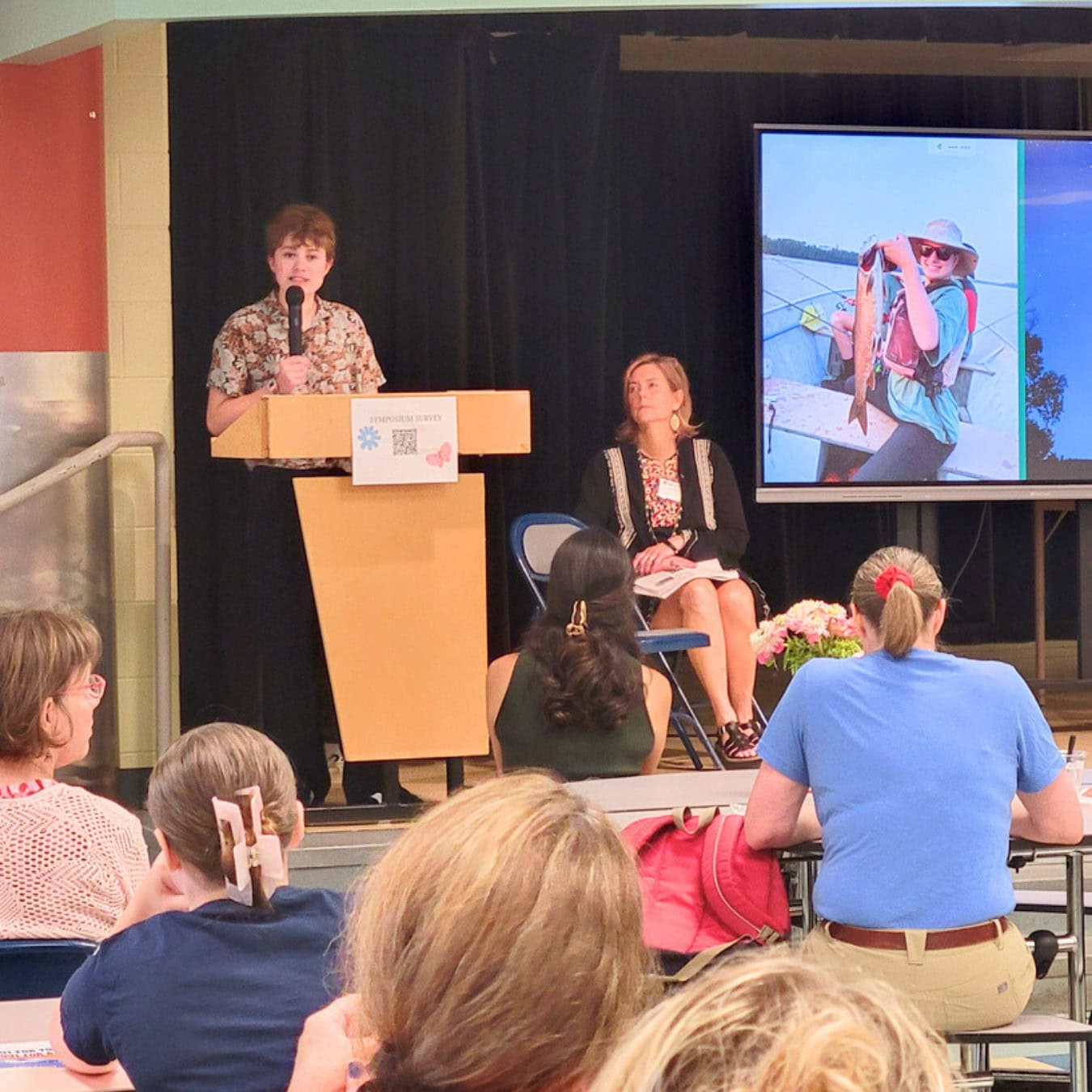
Sometimes the best classroom isn’t inside four walls – it’s outside. Madz Gerker is a recent graduate of Clark Montessori High School and an incoming Environmental Engineering student at the University of Cincinnati. They were selected as the Student Keynote speaker and they kicked off the Symposium by sharing how outdoor learning shaped their love for nature.
Madz shared that outdoor learning improves motivation, increases student engagement, boosts academic performance, reduces dropout rates, and helps close learning gaps. More importantly, it helps students build a lifelong connection with nature, which is an essential step toward creating future environmental stewards.
One quote from Madz stayed with me: “Since we know that this nice climate might be gone one day, it would be good to get outside and do these things while we can.” It’s a powerful message, especially coming from a young person who is seeing climate change in their lifetime.
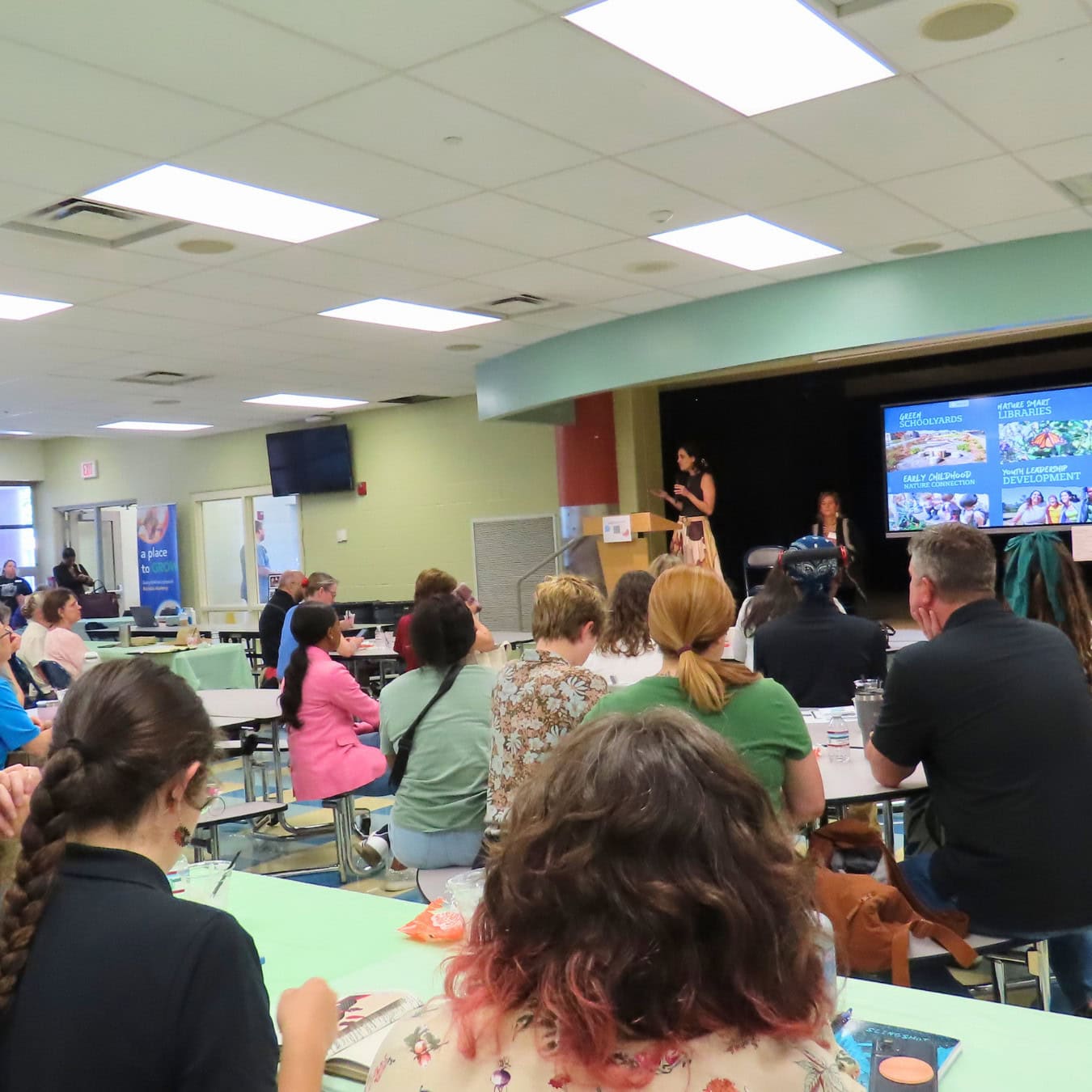
Building on Madz’s talk on the importance of outdoor learning, Brenda Kessler reminded us that nature-rich school environments do far more than beautify school grounds – they improve children’s lives overall. Drawing on research, she explained that access to nature supports cognitive development, improves academic performance, reduces stress and anxiety, strengthens social connections, enhances attention (especially for children with ADHD), and deepens children’s connection to the living world.
Her message was clear and impactful: when we invest in greener school environments, we are also investing in healthier, happier, and more successful children.
The next session laid out that preparing students for the green economy doesn’t begin after graduation. It starts in school, and not just when they’re older; earlier grades deserve and need a foundation for green career development.
Michael Turner and Kayla Lowe from Cincinnati Public Schools highlighted that CPS already has strong green career pathways in areas such as agriculture, environmental systems, animal science, horticulture, engineering, construction, STEM, and work-based learning. The opportunity now is to connect these existing programs into a seamless K–12 pathway that introduces students to green careers early and supports them through graduation.
One message stood out: partnership is the accelerator. While schools provide the foundation, community organizations and industry partners help students explore, experience, and pursue green careers through real-world learning opportunities.
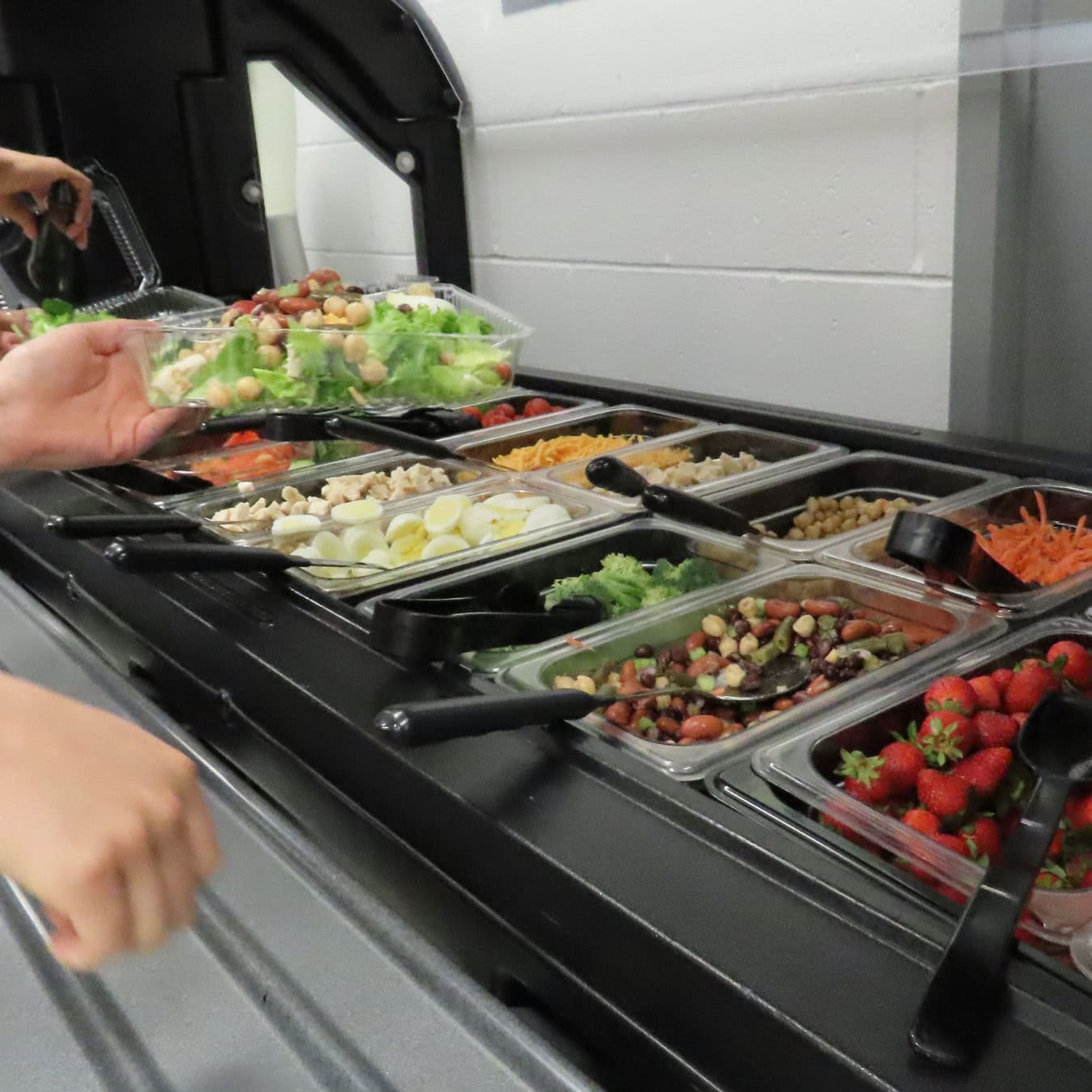
Another session that stood out for me focused on the power of Local School Wellness Policies to improve student health and well-being. The panel featured Stacey Bettis, Foodservice Director at Minerva Local Schools; Madz Gerker, Student Leader (and Symposium Student Keynote Speaker); and Cynthia Walters, Director of Green & Healthy Schools. Together, they emphasized that wellness doesn’t happen by chance – it requires collaboration.
Every school district participating in the federal school meals program is required to have a wellness policy that supports nutrition, physical activity, and health education. Yet these policies are often underused. The panelists talked about how a wellness policy is more than a requirement to be fulfilled and forgotten. It’s an opportunity to embed wellness throughout the district. When schools, students, families, and community partners work together, these policies can become powerful tools for creating healthier schools and healthier communities.
As I left the Green & Healthy Schools Symposium, one thing was clear to me: creating greener, healthier schools isn’t the responsibility of one teacher, one organization, or one program. It takes students, educators, policymakers, community partners, and all of us working together.
From outdoor learning to green career pathways and wellness policies, each speaker reminded us that the choices we make today shape the future of our children and our planet.
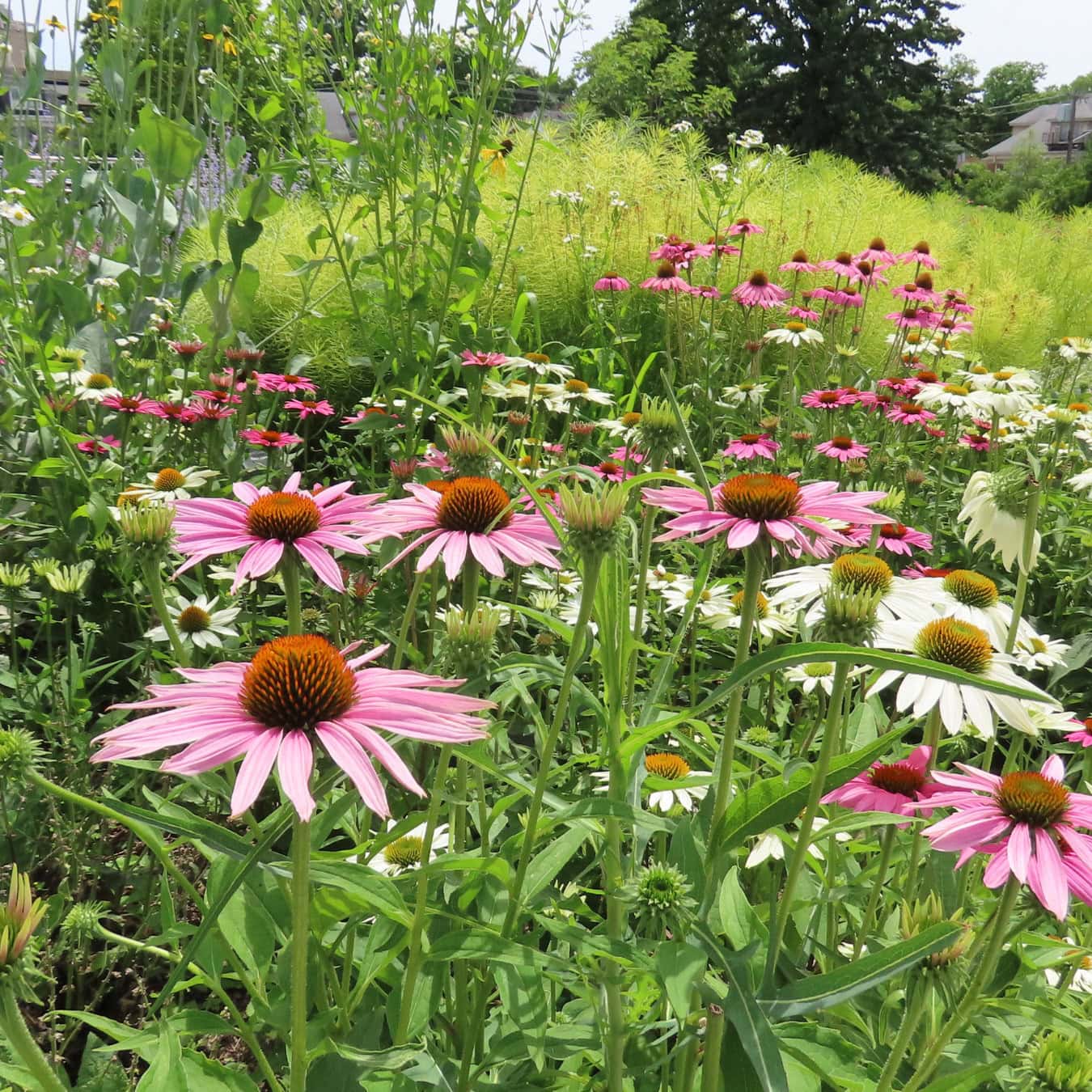
My hope is that this collection of lessons serves as a reminder that meaningful change often begins in our schools. Whether you’re an educator, parent, student, policymaker, or community member, there’s a role for you to play in creating learning environments where both children and nature can thrive.
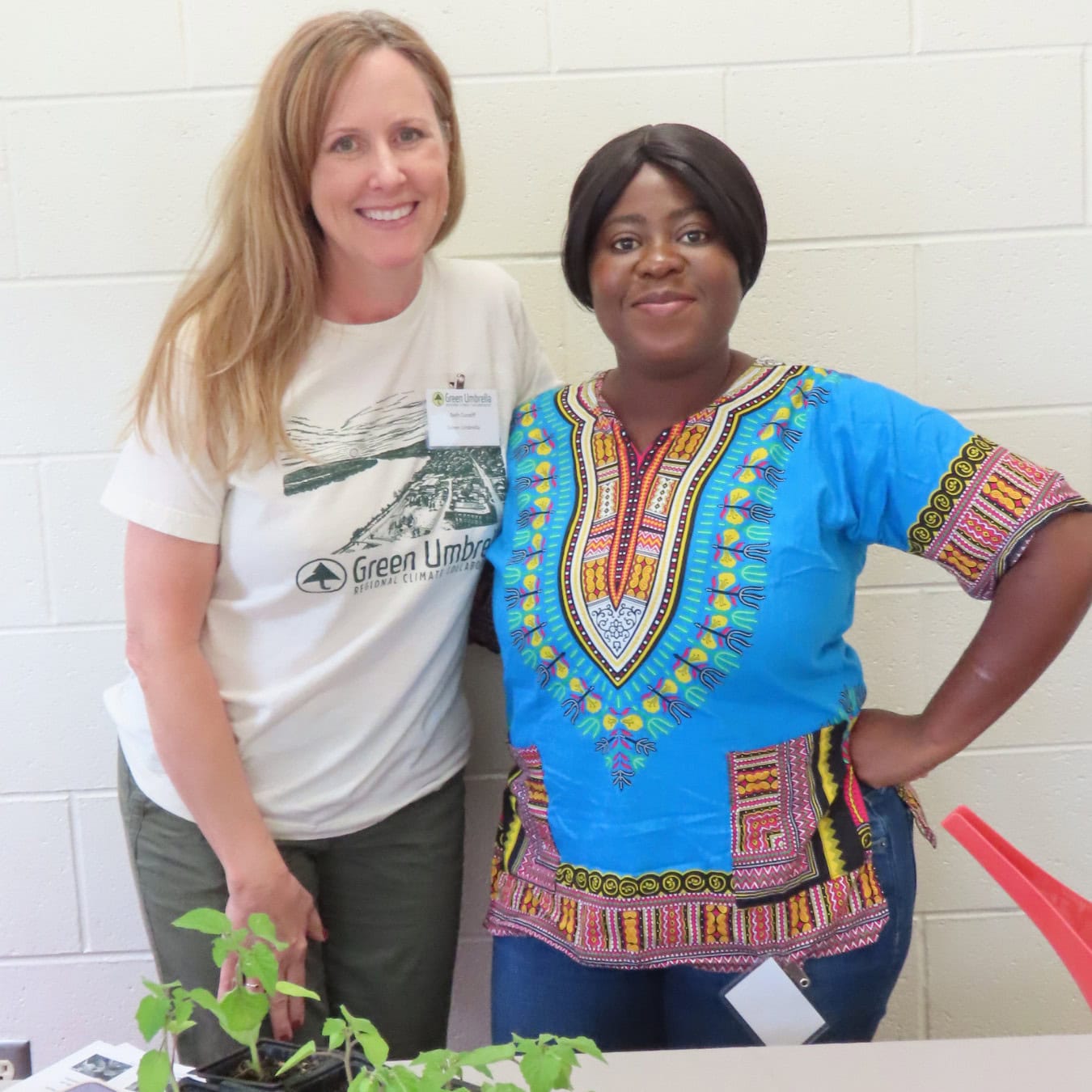
A heartfelt thank you to Green Umbrella for convening such an inspiring symposium, and especially to Cynthia Walters, Director of Green & Healthy Schools, for her leadership in bringing together educators, students, partners, and advocates who are transforming learning across our region.
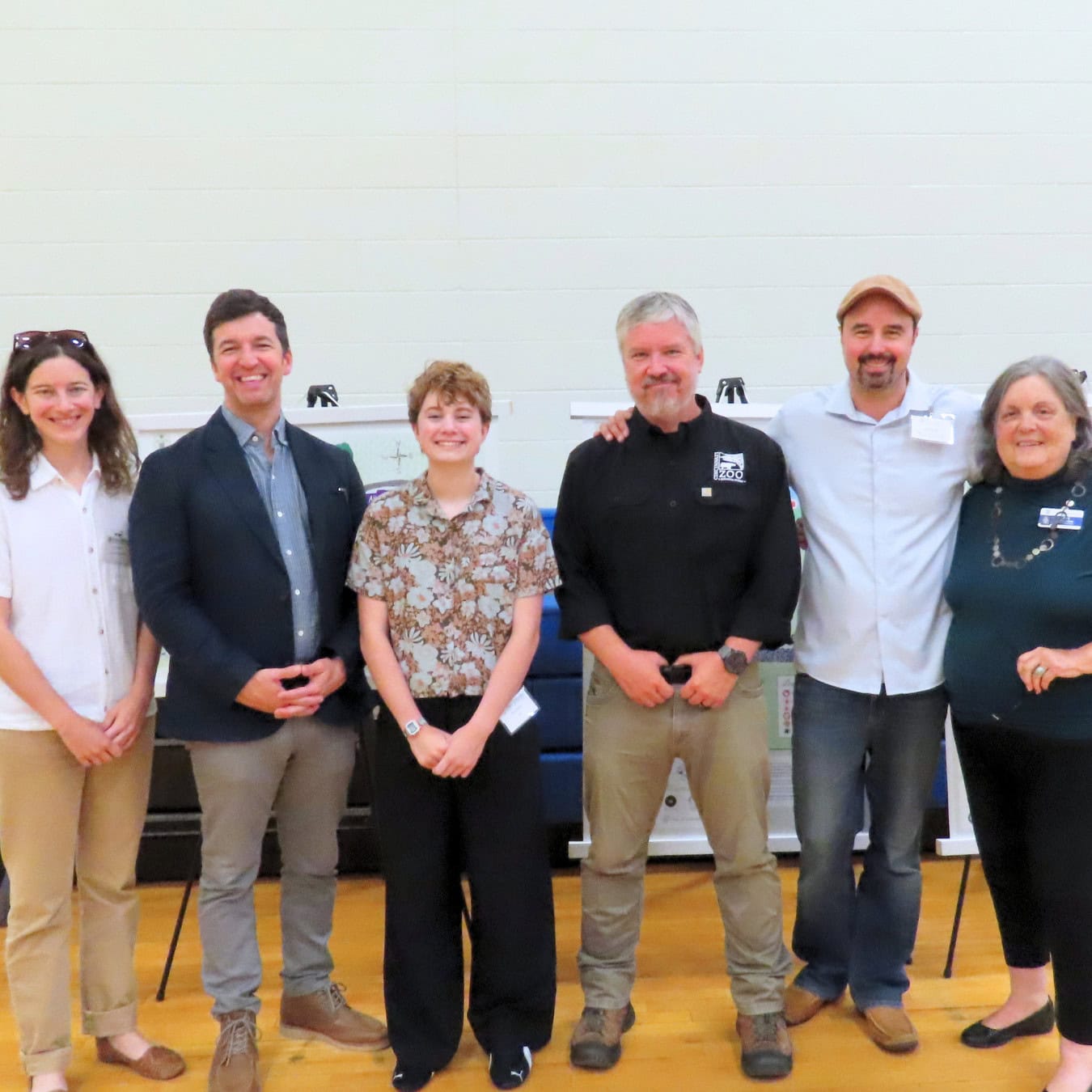
Thank you as well to all the speakers, exhibitors, participating schools, and community partners whose ideas, innovations, and experiences made the symposium so impactful. Your work is helping shape schools where students, people, and nature can all thrive.
Let’s keep learning, collaborating, and building greener, healthier schools together.
Amanda Kporwofa
2026 Green Umbrella Climate Action Fellow
Green & Healthy Schools
Green Umbrella members also have access to our members-only newsletters and e-blasts. Join today to receive these perks!

By Kelly Morton
Published April 26, 2024

By Kelly Morton
Published June 3, 2024