Meet the 2026 Climate Action Fellows
By Kelly Morton
Published June 23, 2026
Join us and act against climate change! Learn how you can get involved.

Climate change is not experienced equally across communities. Extreme heat, flooding, poor air quality, and limited access to green space can affect different neighborhoods in different ways. Yet the residents who experience these challenges firsthand are not always included in the decisions about how to address them. In Greater Cincinnati, the Climate Safe Neighborhoods (CSN)

Contributors: Kelsey Hawkins-Johnson, Bamidele Osamika, Molly Robertshaw, Kelly St. Charles
Climate change is not experienced equally across communities. Extreme heat, flooding, poor air quality, and limited access to green space can affect different neighborhoods in different ways. Yet the residents who experience these challenges firsthand are not always included in the decisions about how to address them.
In Greater Cincinnati, the Climate Safe Neighborhoods (CSN) Partnership is working to change that. CSN is a collaboration between Groundwork Ohio River Valley, Green Umbrella, and the City of Cincinnati to make resident voices the cornerstone of climate action in their communities.
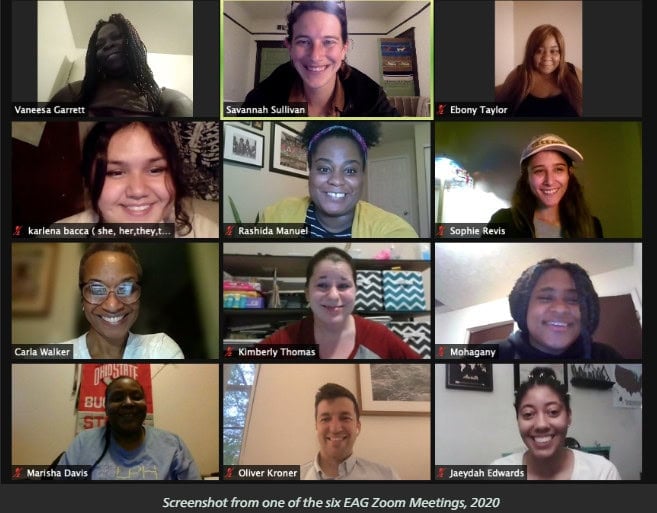
CSN began in Lower Price Hill in 2020, during the height of the COVID-19 pandemic. At a time when communities were navigating unprecedented challenges and in-person gatherings were limited, residents came together through virtual meetings to discuss the environmental challenges affecting their neighborhood and imagine a safer, healthier future.
Sure, we have data, but data only tells us part of the story. The CSN program invites residents to share their lived experience helping us uncover community strengths, identify climate risks, and build a common vision for action.” –Oliver Kroner, Director of the Office of Environment & Sustainability, City of Cincinnati
As a part of Groundwork USA’s Climate Safe Neighborhoods national initiative and the City of Cincinnati’s Green Cincinnati Plan equity planning, these early conversations laid the foundation for a community-centered approach to climate resilience – one that recognizes residents as experts in their own lived experiences. Rather than telling communities what they needed, the effort created space for residents to share their concerns, identify local priorities, and help shape solutions.
Those virtual meetings in Lower Price Hill have grown into a broader regional partnership, engaging Cincinnati neighborhoods including:
Expanding beyond city limits, other communities across the region have also joined the CSN collaboration: Forest Park and Norwood in Ohio and Dayton, Newport, and Covington in Kentucky.
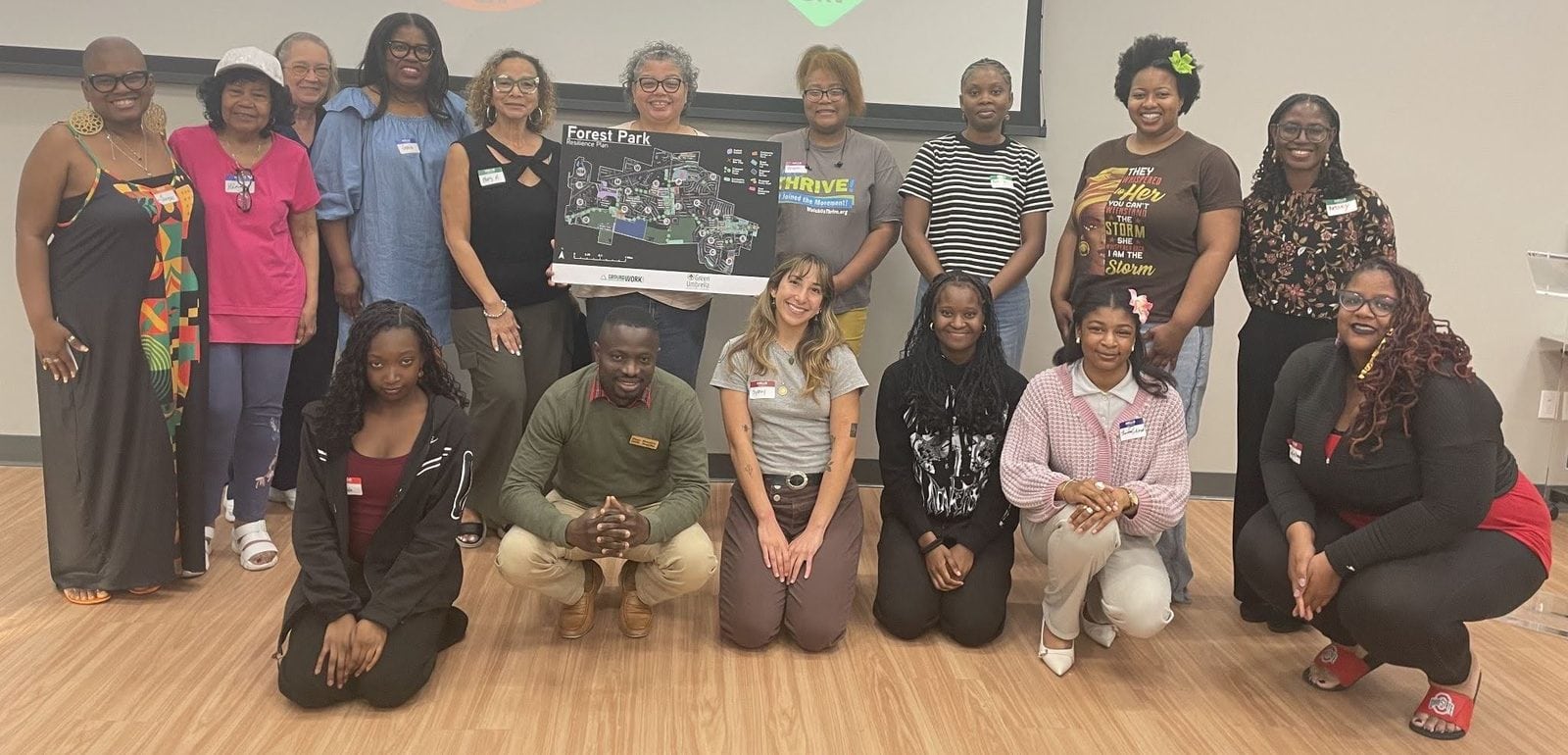
Since 2020, CSN has worked alongside residents, community organizations, and local government officials to ensure that neighborhood voices help shape climate planning, environmental improvements, and resilience strategies. Rather than bringing pre-determined solutions into communities, CSN creates opportunities for residents to identify priorities, build relationships, and help design solutions that reflect their lived experiences.
Through Community Advisory Groups (CAGs), leadership development, neighborhood action planning, and collaborative projects, CSN connects residents with the information, relationships, and resources needed to make their communities safer and more resilient.
At its heart, CSN is built on a simple idea: the people who know their neighborhoods best should have a meaningful role in shaping their future.
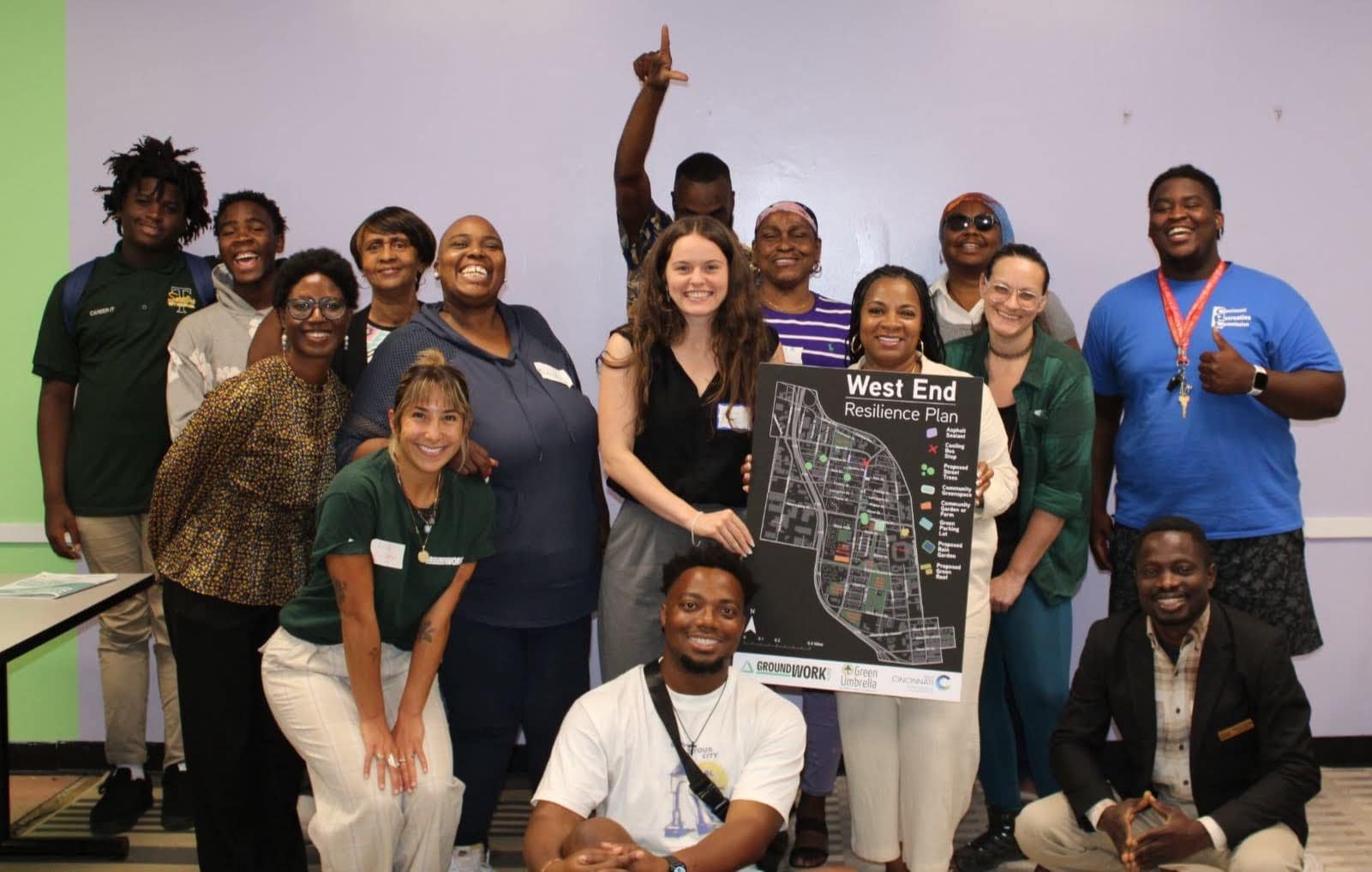
CSN has grown from neighborhood-level engagement into a broader regional effort that connects residents, community leaders, nonprofit organizations, and local government partners.
Since 2021, residents across Cincinnati neighborhoods have worked with CSN to develop Neighborhood Action Plans that reflect local priorities and include community resilience statements. These plans provide a foundation for identifying environmental challenges, setting neighborhood goals, and organizing around practical solutions.
CSN has also supported the City of Cincinnati’s Green Cincinnati Plan by leading an inclusive community engagement process. In the Summer 2022, CSN hosted a series of four community meetings that created space for residents to discuss equity, climate adaptation priorities and contribute to broader city planning on sustainability.
The work has expanded beyond city limits. In Northern Kentucky, CSN co-led three community-based workshops with local organizations and City representatives focused on neighborhood environmental data and action. In Southwestern Ohio, more than 40 residents across two cities participated in Community Advisory Group activities, including training, mapping exercises, developing climate resilience statements, and prioritizing potential neighborhood projects.
Across these activities, one lesson continues to emerge: meaningful engagement takes more than inviting residents to a meeting. It requires building trust, sharing information openly, creating opportunities for residents to influence decisions, and supporting them as they move from identifying problems to developing solutions.
As the work has expanded over the years, so has the importance of creating opportunities for residents to reconnect, share experiences, and learn from one another.
On September 23, 2026, Green Umbrella, Groundwork Ohio River Valley, and the City of Cincinnati Office of Environment & Sustainability came together with neighborhood leaders to co-organize the first-ever Climate Safe Neighborhoods Summit.
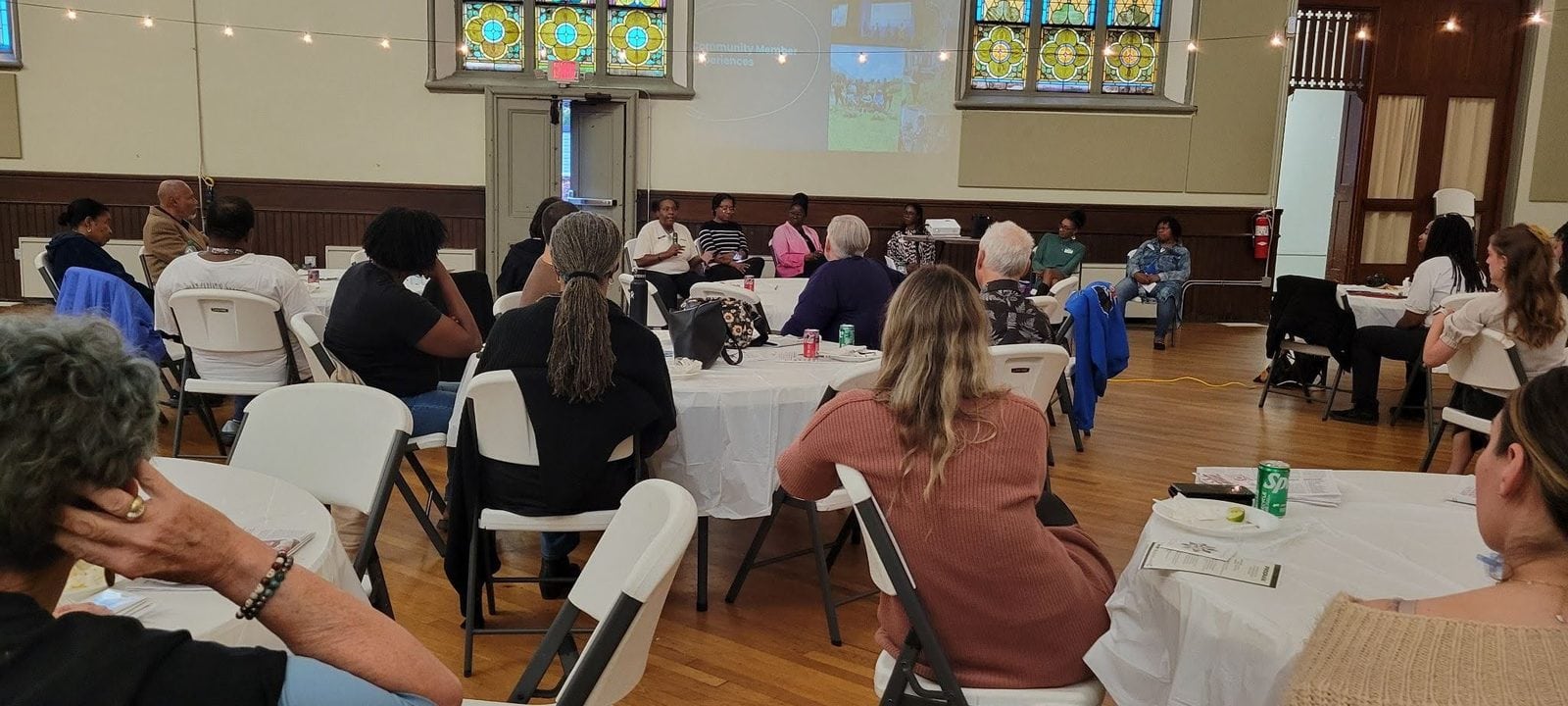
The Summit brought together community members and partners from Cincinnati CSN communities to recognize the work already underway, take stock of progress, strengthen relationships, and build momentum for the next phase of neighborhood climate action. The Summit highlighted opportunities to review adaptation suggestions and projects while identifying new projects through a mapping survey.
The Summit recognized success as the relationships between residents and partners, the confidence gained in advocating for their neighborhoods, and the necessary connections that help turn an idea into action.
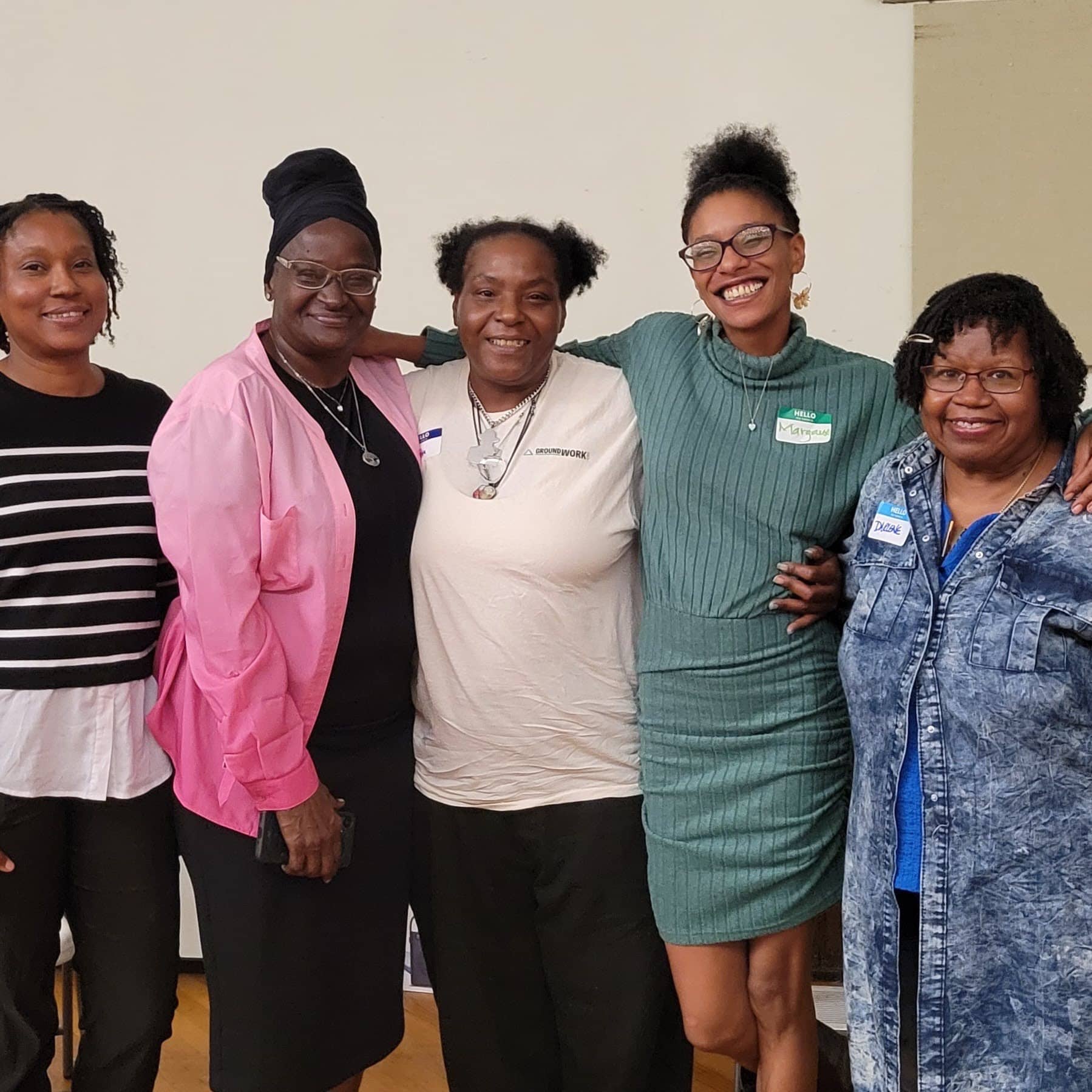
One of the Summit’s highlights was a panel featuring five community leaders whose experiences demonstrate the importance of local leadership in project development and success:
Their discussion explored how relationships, partnerships, and community connections can help move ideas forward. Panelists reflected on what first drew them to Climate Safe Neighborhoods, what has kept them involved, and how their participation has helped them address environmental challenges in their neighborhoods. One topic that came up again and again was curiosity around why things were the way they were. Jennifer Foster shared how her interest in air got her started. “I’ve always been curious about air quality,” she told the audience. “‘What is that smell? Why is that smell?’ Something in my spirit told me something wasn’t right in my neighborhood. And then [Climate Safe Neighborhoods] came. I started talking to Kelsey, I talked to doctors, and it was a knowledge-both-ways situation. We’re breathing what? PO5 what?? No wonder we’ve been breathing this hard. No wonder we have asthma and respiratory issues.”
The sharing of knowledge between CSN organizers and residents connected dots. Suddenly, the whys started to make sense.
“We see the national data, the state data, and you see – we ain’t got no trees. Oh … Trees give you oxygen. No wonder we can’t breathe.” –Marisha Davis, Lower Price Hill
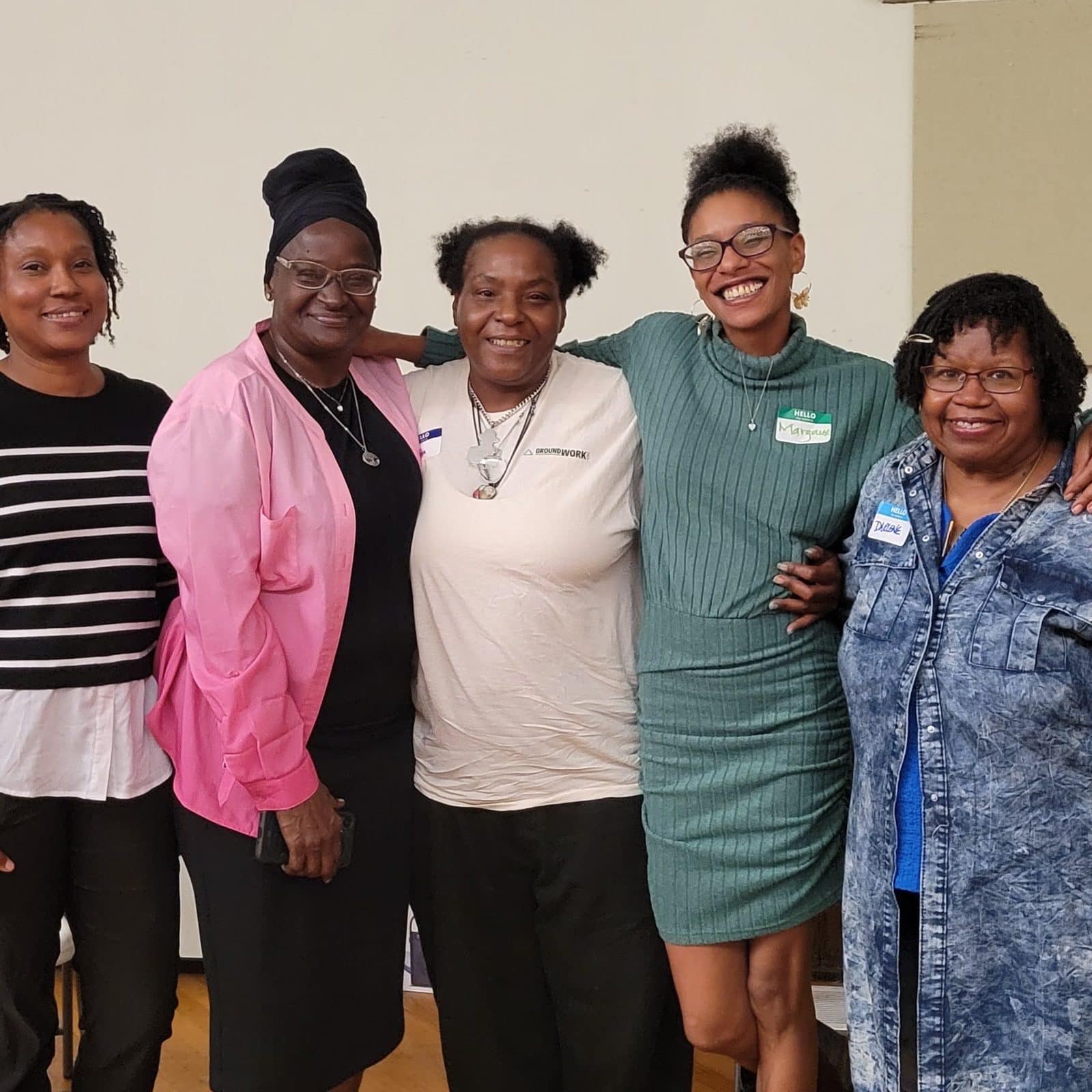
Once the dots were connected, panelists went even further, talking about how communities can work together to solve problems regardless of zip code. “North Fairmount has flooding issues,” said Darlene Capell. “It sits down in the valley. Some of these places look like swimming pools. And now Hyde Park just had those flooding issues. If we can partner with them, together we can put a lot of pressure on the City to do something.”
The conversation also created space to consider how community leadership develops over time. A resident may initially become involved because of a concern about flooding, heat, air quality, or neighborhood infrastructure. With opportunities to learn, connect with others, and participate in planning, that concern can grow into a shared vision and, eventually, a community-led project.
“Don’t overthink it. Just get involved, just do it.” –Diana Hodge, Avondale
These experiences reinforce the value of sustained engagement. When residents have access to the right support, they can draw on their collective knowledge to identify solutions that are grounded in local needs.
These efforts have also helped bring community priorities into regional planning conversations, like the ThriveTogether Regional Climate Action Playbook, through interactive workshops and discussions. CSN advocated for six neighborhood Action Plans developed through Community Advisory Groups to be incorporated into the Green Cincinnati Plan.
Through community conversations, resilience planning, resident leadership, and collaborative projects, CSN continues to turn local knowledge into meaningful climate action. “You need trust to make any changes,” said Margeaux Roberts. “In five years, I want to see independence, accountability … It’s not just one person, it’s not just one group. It’s everybody.”
Green Umbrella members also have access to our members-only newsletters and e-blasts. Join today to receive these perks!

By Nobi Kennedy
Published October 2, 2024