The View from the Summit: A Day at the Midwest Regional Sustainability Summit
By Kelly Morton
Published June 30, 2025
Join us and act against climate change! Become a member today.

Seemingly small changes occurring in our cities, counties, and townships have a bigger impact on our day-to-day lives than the swinging of the national political pendulum. You’ve heard of senators, house representatives, and mayors - get ready for county commissioners.

The excitement of national political pendulum swings are hard to resist. Positions of power within the federal government claim our attention while locally elected officials are overlooked or forgotten entirely. But seemingly small changes occurring in our cities, counties, and townships have a bigger impact on our day-to-day lives. You’ve heard of senators, house representatives, and mayors – get ready for county commissioners. Like many locally elected officials, county commissioners play an important (and often unrecognized) role in the daily lives of communities, including yours.
During my first “real world” job out of college, I had the opportunity to work with over 170 soil and water conservation district commissioners. Before that job, I didn’t understand the importance of locally elected officials. For me, national policies overshadowed changes happening in my own community – even though these local changes had a more tangible and visible impact on the lives in my neck of the woods. When I voted in local elections, I’d look at my ballot and think, “Who are the people running for this position?” and sometimes even “What does this position do again?” The county commissioner was one of those positions for me.
Now I know: a county commissioner is primarily responsible for administering county affairs. This means overseeing the county’s operations and acting as key policymakers. They supervise county departments, manage county finances, and partake in long-range planning, budget development, and financial oversight. These responsibilities also extend to general governmental administration, property tax assessment and collection, and maintenance of roads and bridges. Additionally, as the population grows, county commissioners increasingly address services such as planning, zoning, solid waste collection, and public utilities.
Want to raise chickens in your backyard? Talk to your county commissioner. Want more parks in your community? County commissioner again. Want your local road maintained? You guessed it, county commissioner.
The legal scope of their power comes from state laws. County commissioners are empowered to enact local ordinances and resolutions on various topics, including public health, parks, and land use zoning. They also have the authority to levy general and special taxes that fund government operations and services. They can approve and administer the annual county budget, which controls expenditures of money for all county purposes.
For me – the manager of Green Umbrella’s Greenspace Alliance, which unites stakeholders to conserve and expand our region’s natural spaces across the Tri-State region – one of the most important facets of the commissioner role is its influence on zoning ordinances. Zoning is essentially the law applied to land-use planning, ultimately deciding how land is developed and used. This deeply influences how a community will evolve.
Since county commissioners represent specific districts within their county, they can be viewed as liaisons between community members and the county government. Similar to a city council member, a county commissioner serves as a representative of their constituents and advocates for their interests in higher levels of government.
In a region where the population is continually growing, finding a balance between development and preservation of our natural systems and heritage is essential to a thriving and balanced region. That’s why what county commissioners do is so important for my work in conservation, and why it should be important to you.
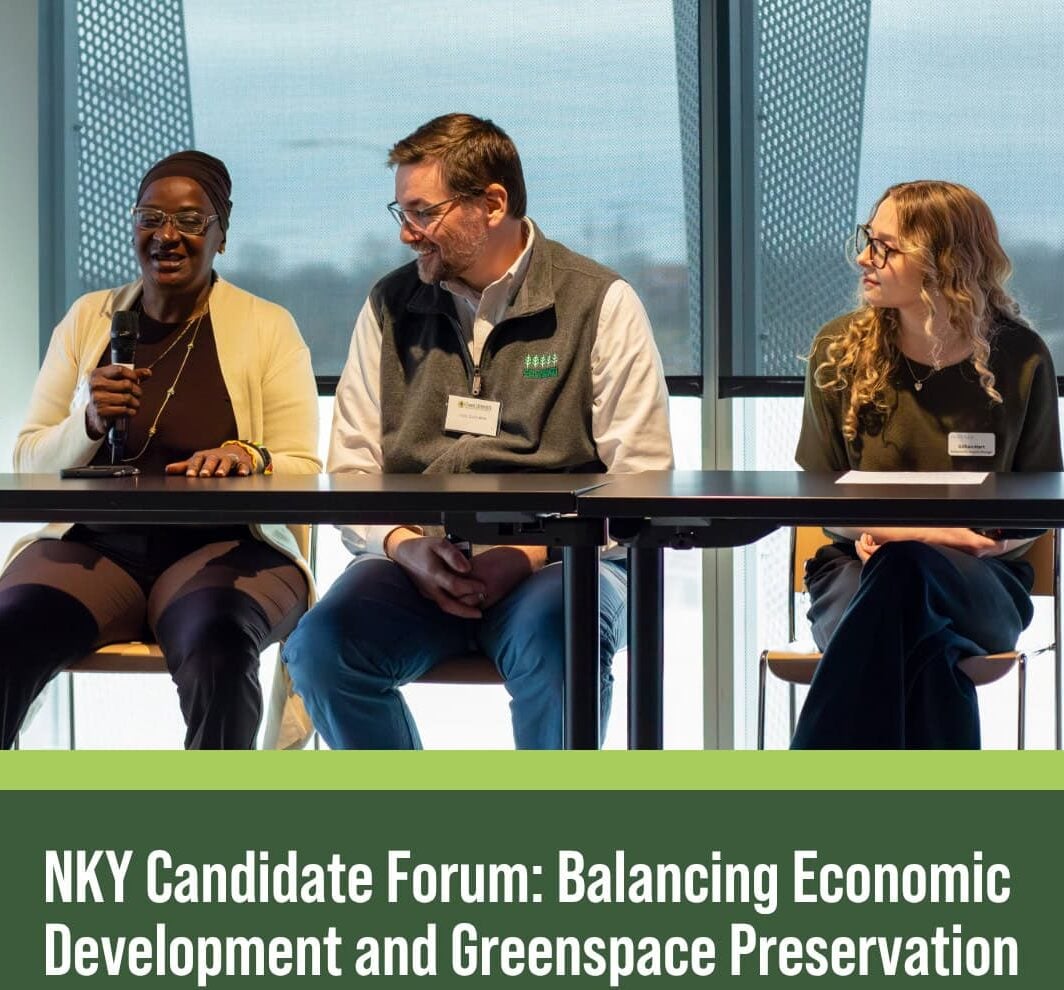
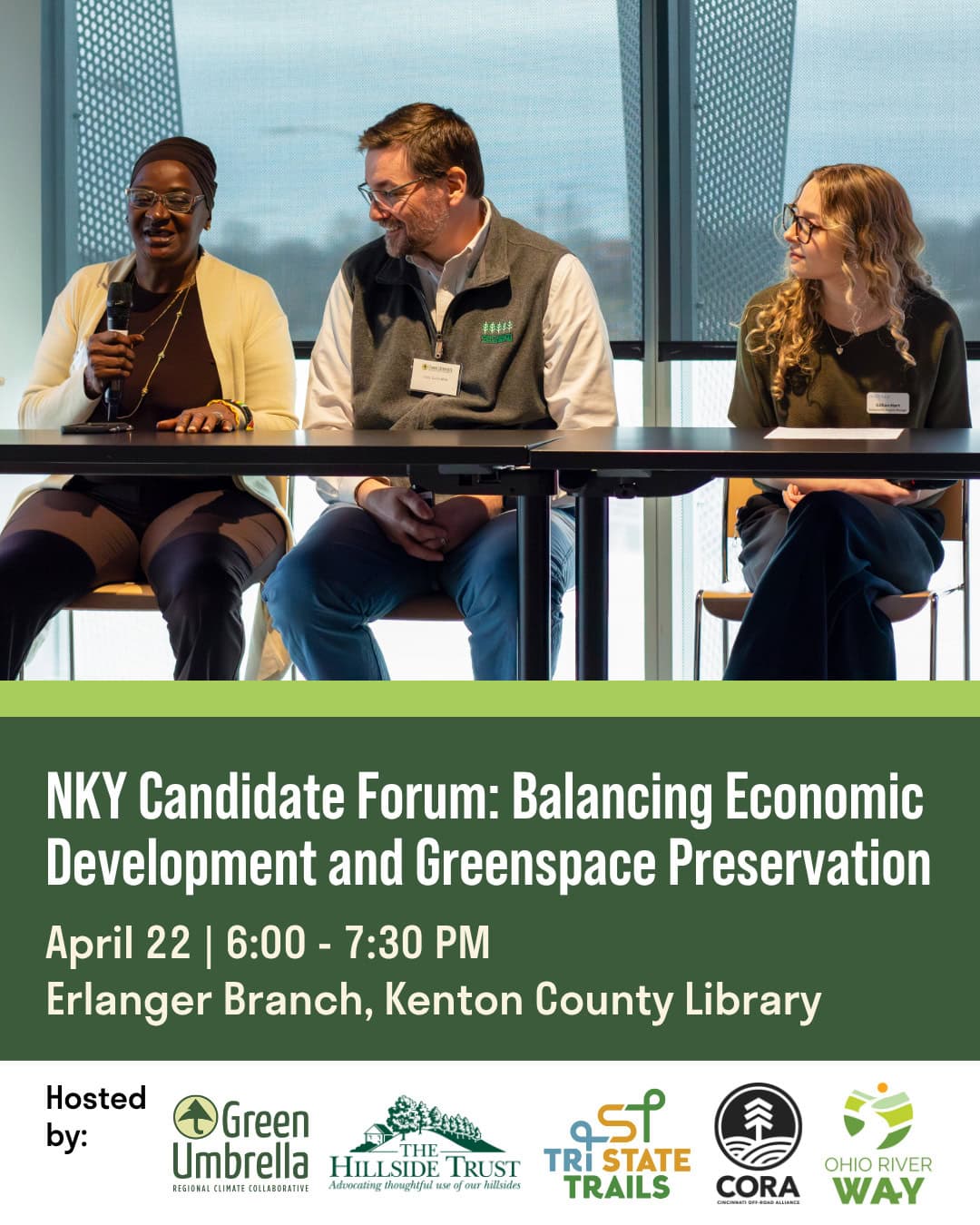
To shed light on this position and its importance within a county, Green Umbrella and regional partners hosted a NKY Candidate Forum: Balancing Economic Development and Greenspace Preservation on Wednesday, April 22, from 6-7:30 pm at the Erlanger Branch of the Kenton County Library. The forum featured candidates running for county commissioner seats in Boone, Kenton, and Campbell counties, providing them with the opportunity to answer questions on economic development and greenspace preservation. All candidates running for county commissioner positions in Boone, Kenton, and Campbell counties were invited to attend. You can read about the event at the websites of WVXU and LINK nky, both of which sent reporters to the event.
It’s time to start paying more attention to county commissioners. After all, there’re the ones you’ll have to talk to about backyard beehives and the dog park across the street.
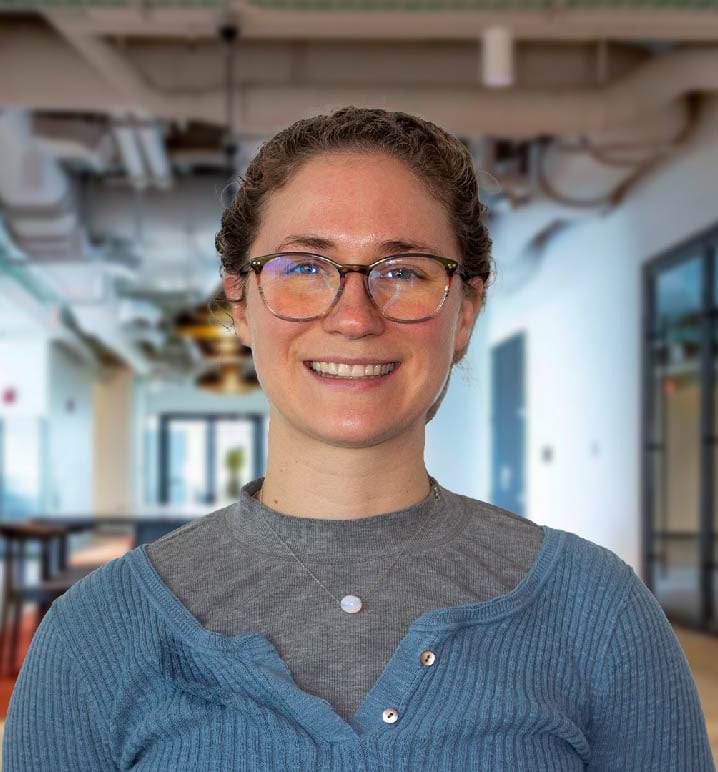
Claire Carlson is Green Umbrella’s Greenspace Alliance Manager. She is an environmental conservationist with over 7 years of experience in the field. From research on macroalgae as a tool for carbon sequestration in Florida to restoration work as an AmeriCorps member in fields and oak savannahs of Iowa, she’s always sought to enhance and protect the outdoor spaces that we love. Most recently she was the Northeast Iowa Watershed Planning Coordinator for Conservation Districts of Iowa where she led over 20 counties through a strategic 5-Year Soil and Water Resource Conservation Planning process.
Green Umbrella members also have access to our members-only newsletters and e-blasts. Join today to receive these perks!

By Kelly Morton
Published June 30, 2025

By Kelly Morton
Published September 23, 2025