Landen-Deerfield Park
By Claire Carlson
Published September 10, 2025
Join us and act against climate change! Become a member today.

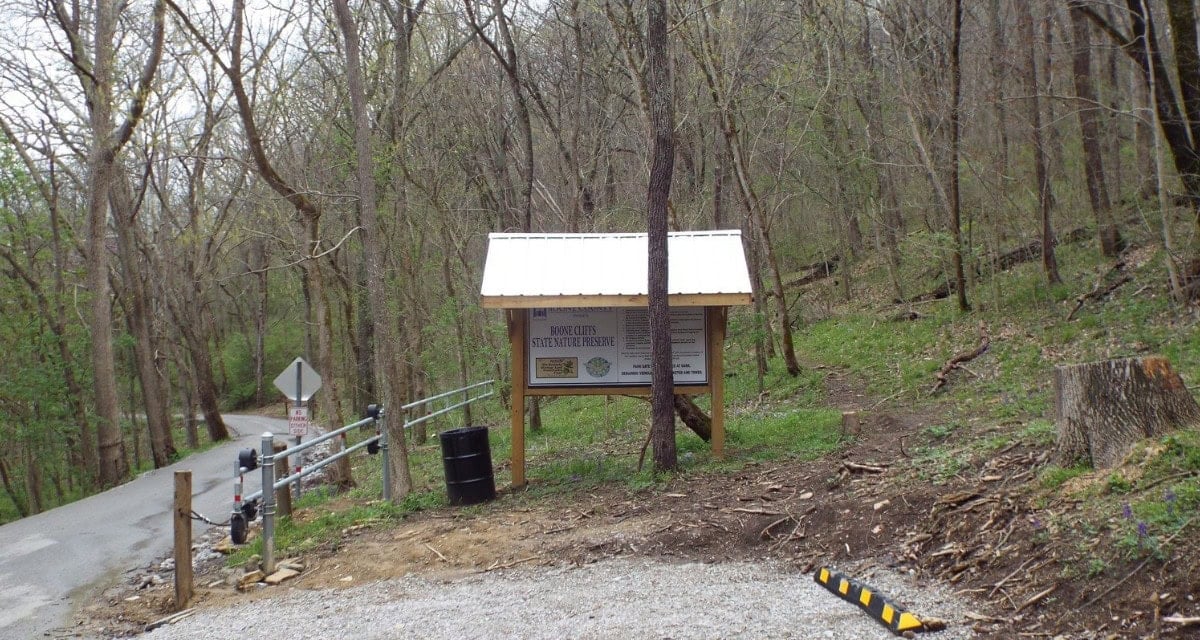
Forged by scouring ice and rushing water, Boone Cliffs is a memento of the past subdued by the present. Located in Burlington, Kentucky, the landscape offers a peek into the processes that shape our landscapes.

Forged by scouring ice and rushing water, Boone Cliffs is a memento of the past subdued by the present. Located in Burlington, Kentucky, the landscape offers a peek into the processes that shape our landscapes.
Join the Boone County Park District and Green Umbrella’s Greenspace Alliance for the Meet A Greenspace Hike at Boone Cliffs on Friday, December 5th, from 3:00-4:30 PM.
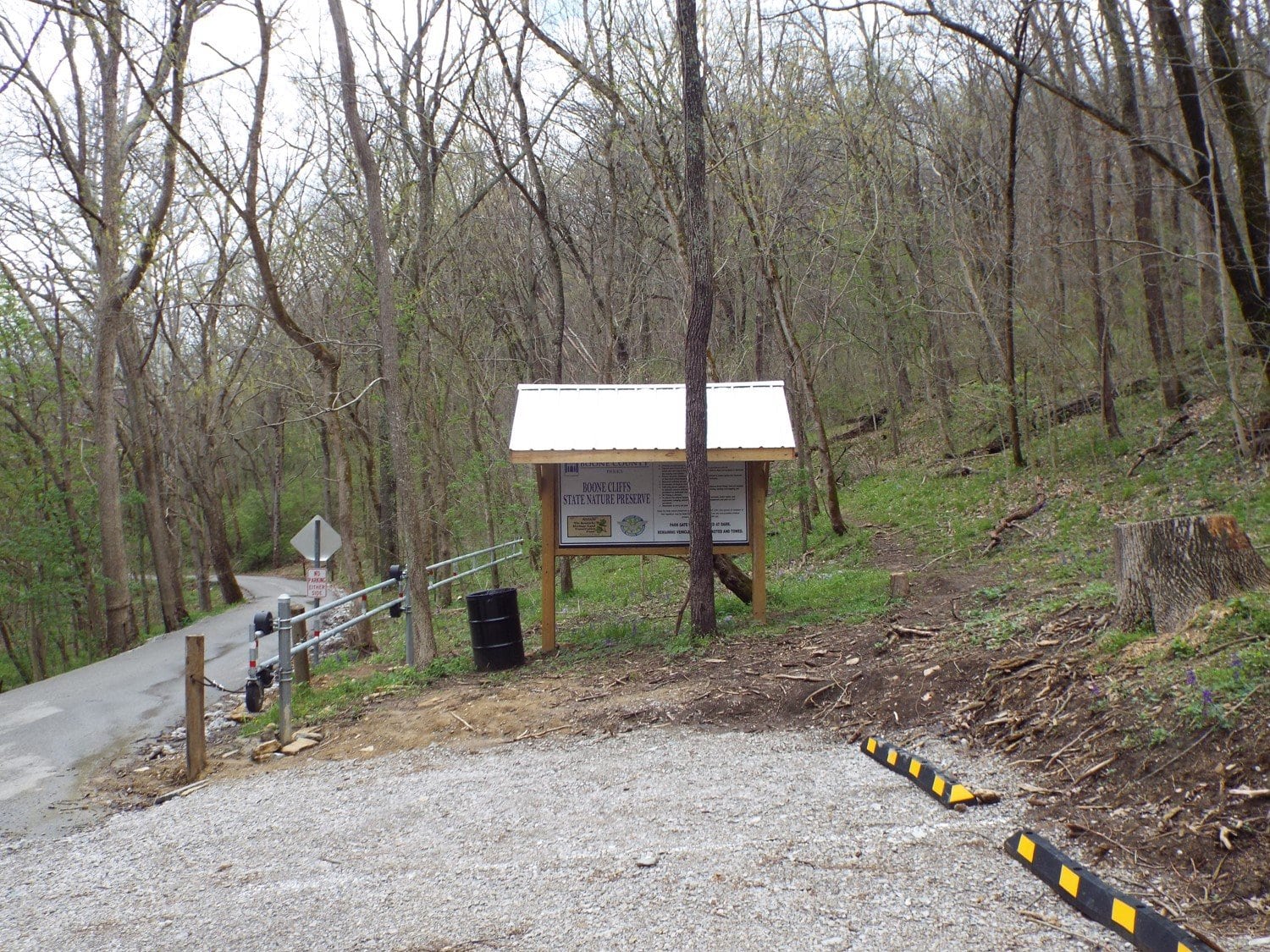
Covering 75 acres of Boone County, Kentucky, the Boone Cliffs State Nature Preserve is one of the most unique and natural areas in the region. The conglomerate cliffs that encircle the valley are the most notable feature of the preserve. Additionally, the trees, while likely selectively cut in the past, were never heavily logged or grazed, offering a prime example of a mature, mesic forest. This habitat type is characterized by its ability to provide a relatively constant moisture content during crucial growing periods. As a result, Boone Cliffs remains a prime example of a mature forest in the Greater Cincinnati Region.
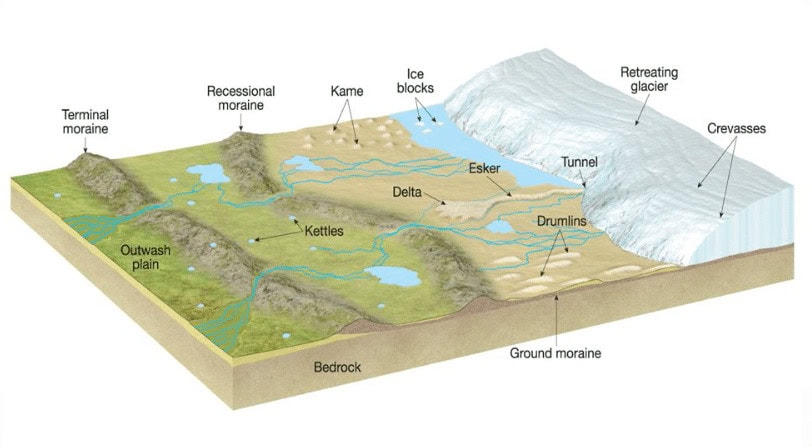
Boone Cliffs began to form some 700,000 years ago, when the Kansan ice sheet began to recede. During this period of thaw, the sediment and gravel accumulated by the glacier were deposited and left in what is now known as the Boone Cliffs State Nature Preserve. Over time, this deposit of loose rock solidified and cemented together under pressure; exposed to the modern eye by a small tributary that eroded the deposit’s surface and revealed the large conglomerate cliff faces we see today.
The rocks at Boone Cliffs are different than those of the surrounding region. They are igneous (rocks formed by magma) or metamorphic (rocks that have transformed due to heat or pressure) in nature. These igneous and metamorphic deposits in an area where sedimentary rocks are typical are known as glacial erratics – or rocks that have been deposited in a location different from the one in which they were formed.
Additionally, the Kansan ice sheet also contributed to the creation of the Ohio River! During the same time period that the igneous and metamorphic rocks were deposited in the region, the ice sheet also blocked the Teays River system. This pre-glacial river drained much of the Ohio River watershed, but followed a more northerly downstream course than our present one. As this happened, the river rerouted and formed the modern-day and westward-flowing Ohio River.

Join the Boone County Park District and Greenspace Alliance in exploring this geologic masterpiece! The hike will take place on Friday, December 5, from 3:00-4:30 PM at Boone Cliffs and will be guided by Boone County Parks Staff. Due to limited parking at the Boone Cliffs site, we will be meeting at the Middle Creek Park parking lot (5655 Burlington Pike, Burlington, KY 41005) from which we will carpool to the Cliffs with the Park District.
This hike is part of our monthly Meet a Greenspace Hiking series. We hope these hikes will provide those who join the time and space they need to reconnect with nature, themselves, and others. If you have any questions, contact Green Umbrella’s Greenspace Alliance Manager Claire Carlson at claire@greenumbrella.org.
Green Umbrella members also have access to our members-only newsletters and e-blasts. Join today to receive these perks!