Notables in Wellness: Cynthia Walters
By Green Umbrella
Published April 23, 2025
Join us and act against climate change! Become a member today.

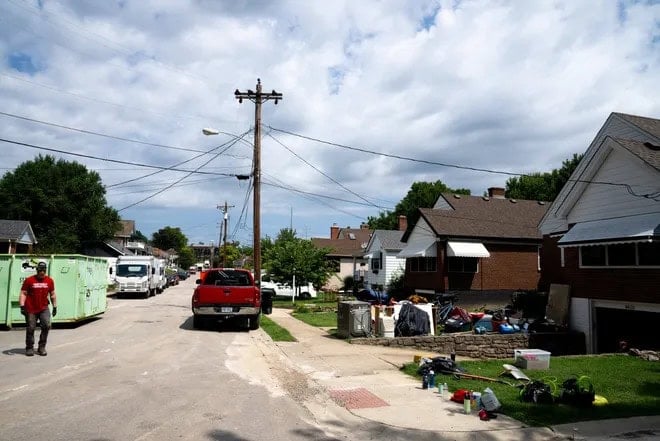
After a "1,000-year storm" deluged homes in Cincinnati's East End, Cincinnati-area leaders want to prepare for the next major flood as extreme weather events become more frequent.

Source: Cincinnati Enquirer
After a “1,000-year storm” deluged homes in Cincinnati’s East End, Cincinnati-area leaders want to prepare for the next major flood as extreme weather events become more frequent.
Exactly how they’ll prepare remains to be seen.
Cincinnati City Manager Sheryl Long called the July 17 storm, which caused serious flooding and one death, “a wake-up call.”
“Climate change is real,” Long said in a press conference July 23. “These extreme weather events are real. Our assets … they’re old. We have old infrastructure.”
So what can Greater Cincinnati do to make sure floods don’t regularly inundate basements, highways or businesses?

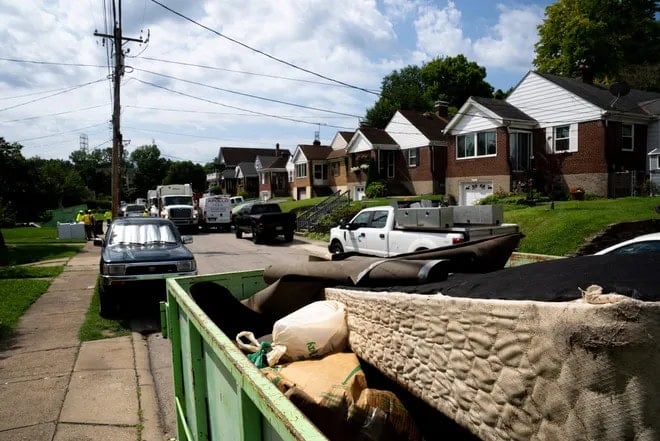
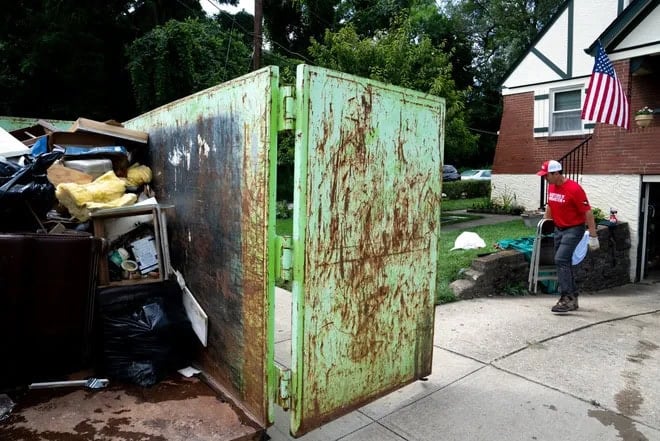
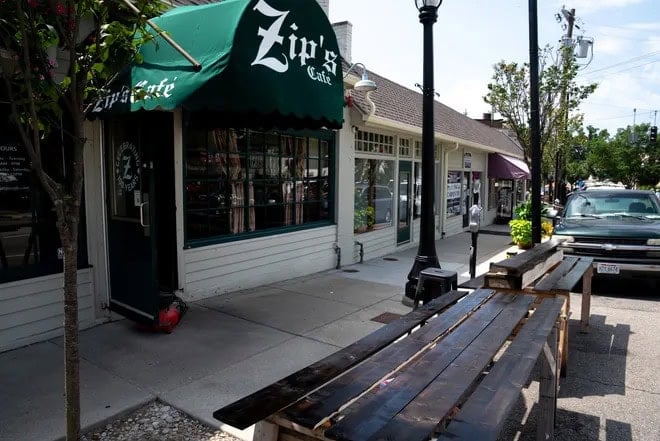

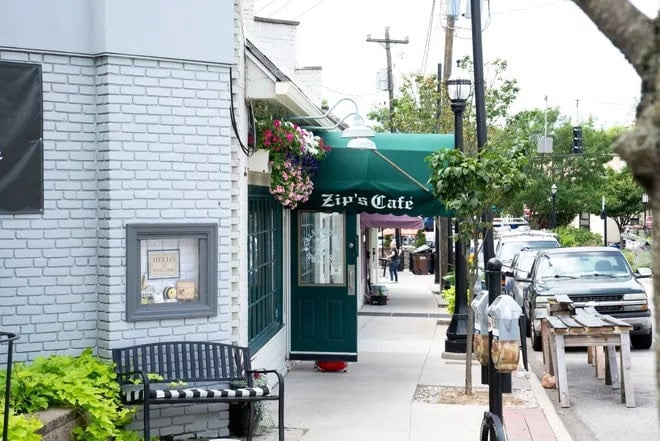
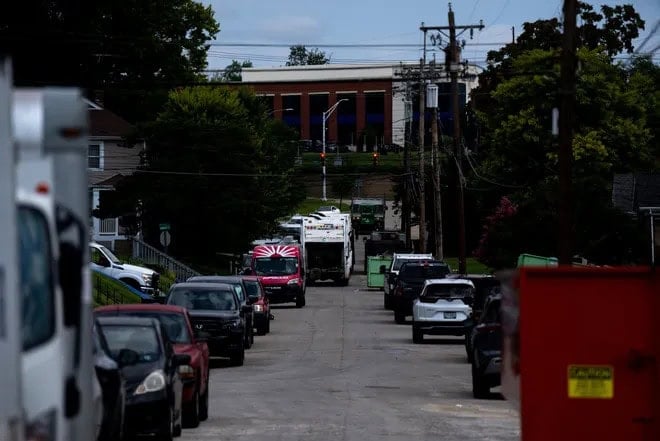
The region has to consider how to prepare for extreme storms instead of reacting after the fact, said Van Sullivan, director of Green Umbrella, a network of organizations that work with local governments in Ohio, Kentucky and Indiana to help communities deal with climate change.
“When you look at a map across the country of what are the regions that can expect to experience the most extreme rainfall changes in the coming decades, we’re at the top of the list,” Sullivan said.
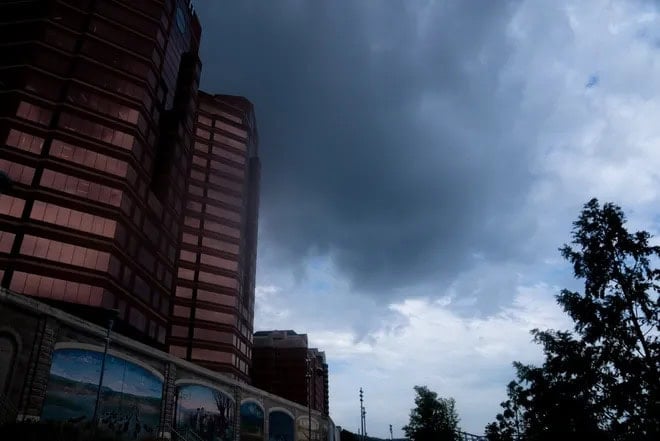
The July 17 storm flooded streets and businesses and caused at least 1,500 sewer backups. It is classified as a 1,000-year storm, though experts believe it could become much more common. Approximately 2 inches of rain fell in under an hour just four days later, flooding streets and businesses again.
Metropolitan Sewer District spokesperson Deb Leonard said in a statement to The Enquirer that intense rainfalls like the one on July 17 “far exceed the design capacity of any modern public sewer system.” That can lead to sewer overflows into local waterways and sewer backups into properties, Leonard said.
Leonard said when rain falls faster than it can enter storm inlets or the inlets aren’t available, water collects on streets before it even reaches the underground sewer network, which leads to the flooding that rushes through neighborhoods, homes and businesses.
Cincinnati’s antiquated combined sewer-storm system has complicated flooding. When it floods, stormwater mixes with sewage and causes an immediate hazard, Sullivan said.
If there is too much water for the capacity of the system, the combined storm sewer overflows mean that stormwater and raw sewage flow into basements and businesses, not to mention the region’s waterways, according to the city’s Green Cincinnati Plan, published in 2023.
The plan cited estimates that approximately 7.1 billion gallons of combined sewage overflow in a typical year are released into area waterways.
Replacing the city’s antiquated sewer system, which dates back to the 1890s, isn’t practical, Mayor Aftab Pureval said.
“It’s true that we have an old sewer system, and that we have a combined sewer system,” Pureval said. “The price tag to fix that would, you know, I’m projecting, but would likely be, if not billions, potentially trillions. So, it would be a huge capital expenditure.”
Pureval didn’t have any specific proposals for improving stormwater management. He said the money from the sale of the city’s railroad could help repair damage to the sewers, streets and floodgates.
“I think the top priority is reviewing our infrastructure and our sewer system, understanding that we can’t fix the whole system overnight,” he said.
Pureval said the city will review how to prepare for the likelihood of massive storms becoming more frequent.
Another contributing factor to flood damage is the Cincinnati region’s hardscapes, large areas with impervious surfaces like concrete and steel. Think parking lots and industrial buildings.
The Green Cincinnati Plan found that hardscapes “amplified the effects of extreme storms,” when runoff creates overland flooding and leads to sewer backups and overflows.
It’s not just about flooding. Officials wrote in the plan that storms and runoff pollute Cincinnati’s recreational and drinking water supplies, and increase hillside instability, which can mean more frequent landslides.
The city needs to find ways to make parking lots and paved surfaces absorb more water, said Mark Jeffreys, a Cincinnati city councilmember.
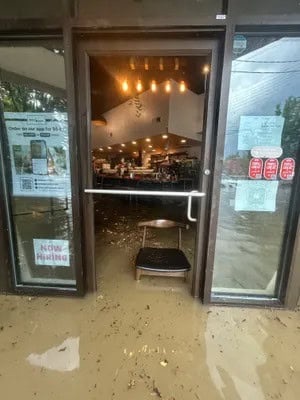
Jeffreys on July 21 traveled to Neko Sushi in Hyde Park to assess the damage from the July 17 storm when the skies opened up again. Within a half hour, several inches of rainwater pooled outside with a couple inches once again flooding into the restaurant. He saw a torrent of water streaming off the parking lot of a nearby school into the street.
“It was coming off there like a river. That was adding to the challenge,” Jeffreys said.
Jeffreys said the city needs to address the amount of impervious surfaces, such as that parking lot.
“Are there interventions, rain gardens, bioswales, making impervious surfaces pervious?” Jeffreys said.
Howard Miller, the environment division manager in the Cincinnati city manager’s office, said in an email to The Enquirer that Cincinnati can create a “sponge city,” meaning a city with nature-based projects that allow stormwater to infiltrate soil instead of entering the sewer system. Miller cited the rain garden in North Fairmount as one example.
MSD officials have proposed a new program aimed at encouraging property owners to make their land spongier, or at least pay higher costs. MSD Director Diana Christy presenting plans for the program to Hamilton County commissioners in April.
The sewer district has identified 510 properties of largely impervious surfaces such as railroad yards, schools and government buildings that contribute the most to runoff during heavy storms. Those property owners would need to pay an impervious surface surcharge based on the amount of water flowing off the property.
The district’s pilot program would be implemented in 2027, pending approval from the commissioners. County spokesperson Bridget Doherty said the commissioners will likely consider it in the fourth quarter of this year.
In the presented plan for the program, property owners would have five years to work with the sewer district to lessen runoff, but Commissioners Stephanie Summerow Dumas and Denise Driehaus said they would like to see that timeline truncated. If property owners don’t address runoff, they could be charged per one hundred cubic feet of excess water per month.
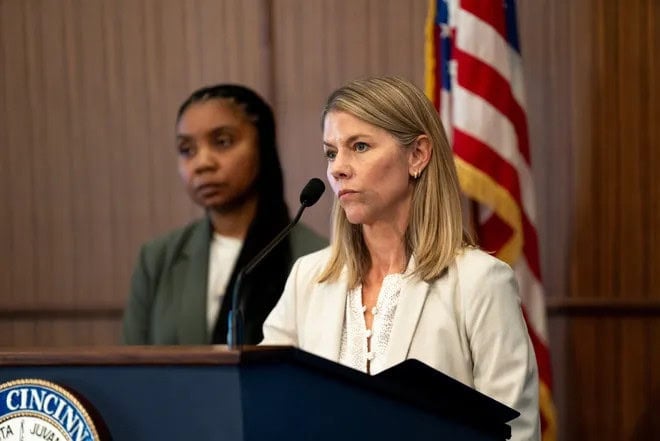
When it comes to more short-term solutions, Sullivan with Green Umbrella suggested local governments develop and distribute lists of local, state and federal contacts to the public to keep necessary services up and running.
She said communities can designate spaces as “resiliency hubs” for people to go to if their homes or businesses are damaged so they can be safe.
Sullivan said a community volunteer response program in neighborhoods can also help.
“Checking on your neighbor is one of the best ways to save lives in the wake of disaster,” she said.
Green Umbrella members also have access to our members-only newsletters and e-blasts. Join today to receive these perks!


