Under Our Umbrella: A Year of Collective Impact
By Kelly Morton
Published February 11, 2026
Join us and act against climate change! Become a member today.

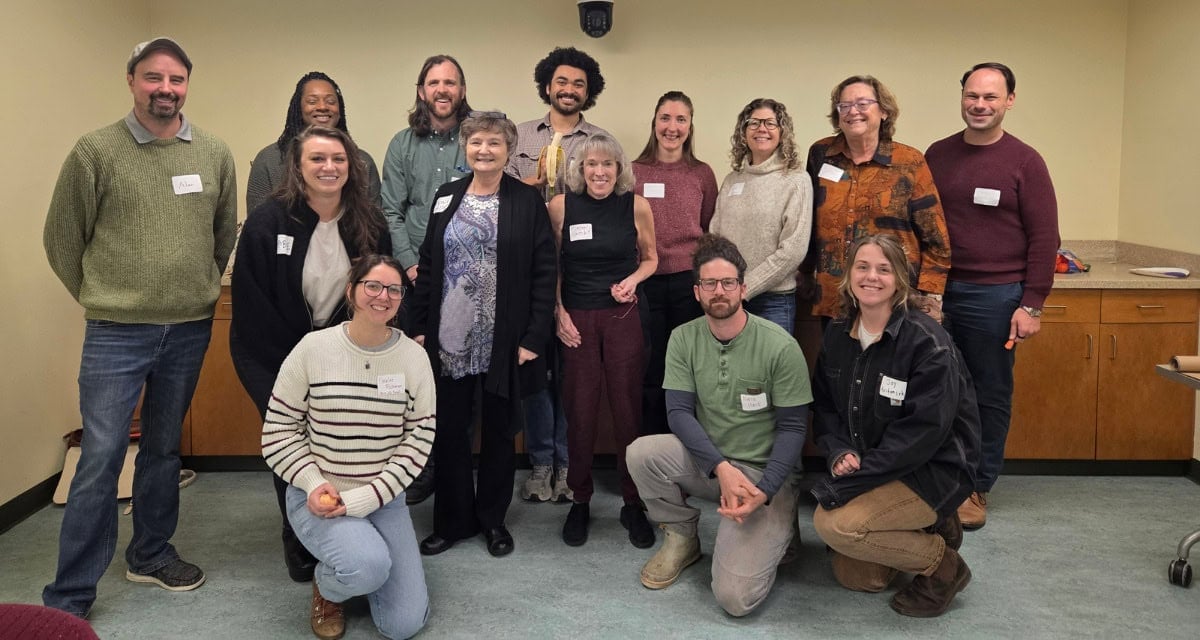
Green Umbrella’s Climate Research Incubator is an annual cohort providing training to regional researchers related to climate and engagement. Meet this year’s scholars!

Green Umbrella’s Climate Research Incubator is an annual cohort providing training to regional researchers related to climate and engagement. The program serves as a platform for fostering collaboration among scholars and researchers, community members, and government representatives across Greater Cincinnati. Learn more about the program at our website here and meet this year’s cohort scholars below.

Dr. Kristy Hopfensperger
Co-leader, Climate Research Incubator
Dr. Hopfensperger is an ecosystem ecologist, and currently a Professor at Northern Kentucky University and serves as the Environmental Science Program Director. Her research is centered on relationships between community dynamics and ecosystem processes in response to human disturbances. Hopfensperger works with undergraduate students and community partners to conduct research on topics including water quality, green infrastructure, greenhouse gas flux and invasive species. At NKU, she works to guide students through the wonderful world of science by leading interactive classes, mentoring ecological research experiences, and demonstrating active community engagement. Kristy received her Ph.D. in environmental science from the University of Maryland.
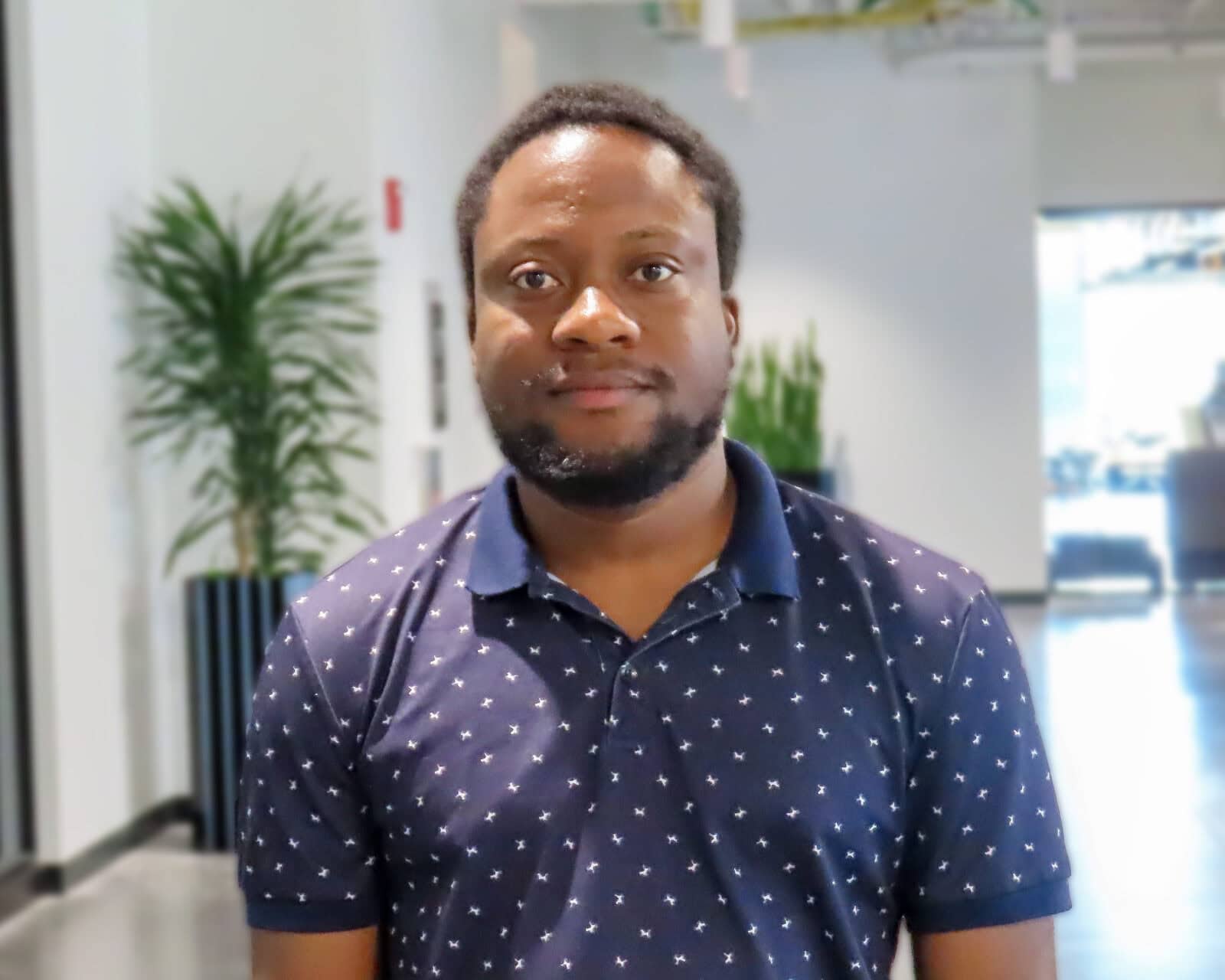
Akeem A Bakare
Doctoral Candidate, University of Cincinnati
Akeem specializes in infectious disease epidemiology and antimicrobial research, with a focus on climate change impacts on infectious diseases and antimicrobial resistance. Akeem is interested in collaborations and community engagement.

Amanda Kporwofa
PhD Student, University of Cincinnati
Amanda focuses on gaming, environmental communication, and technology, with research exploring faith-based climate communication in Cincinnati churches and the role of environmental board games in promoting pro-environmental behavior. Amanda aims to develop a board game, such as one on air pollution, to test its effectiveness in influencing behavior and enhancing climate resilience. Through the Climate Research Incubator, Amanda aims to advance this research into a published paper while collaborating with community organizations to strengthen engagement and practical impact.
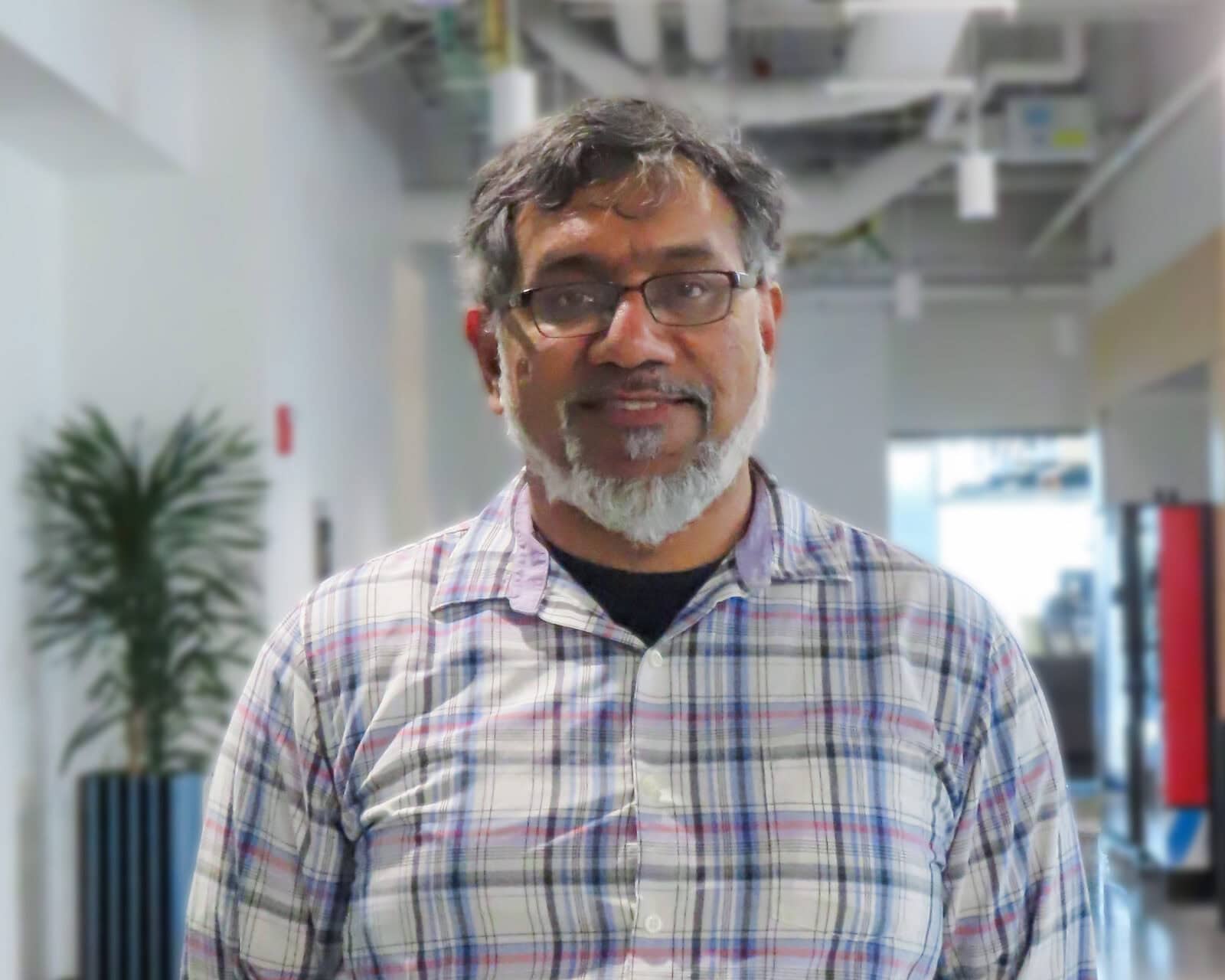
Anas Malik
Professor and Chair, Department of Political Science, Xavier University
Anas studies institutions and collective action interreligious contexts, particularly among Muslim and Catholic communities. His interests include community land trusts for environmental stewardship and affordable housing, civic strategies for accommodating climate refugees, and faith-based engagement in climate action, including certification and alternative finance mechanisms. Through the Climate Research incubator, Anas aims to connect with local residents, researchers, and practitioners to advance climate mitigation and adaptation initiatives and engage communities in these projects.
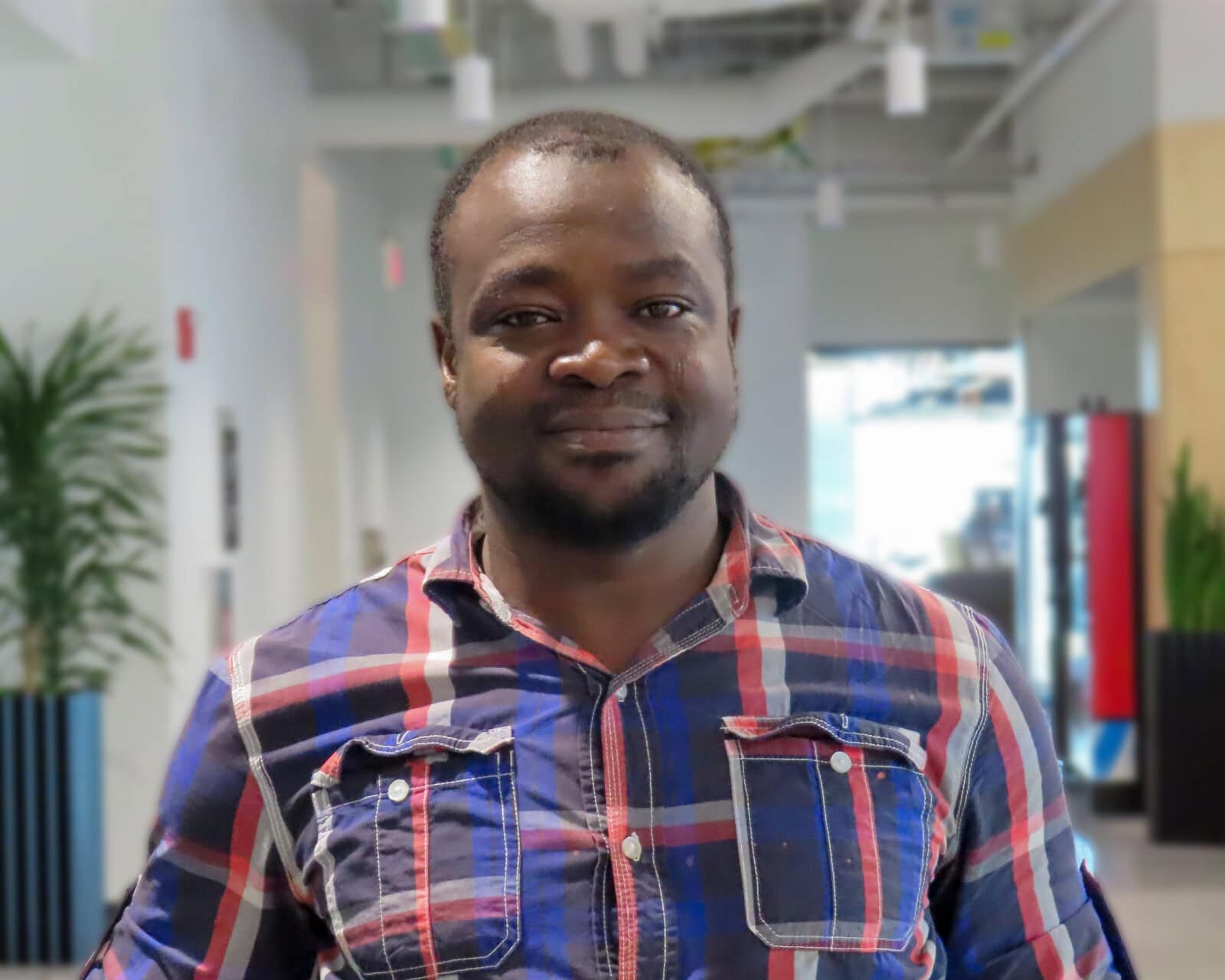
Fuseini Tia Iddrisu
PhD Student, University of Cincinnati
Fuseini focuses on science and environmental communication and natural resources management, with interests in flooding and water management, climate impacts on agriculture, extreme weather, climate literacy, Indigenous knowledge, and sustainable development. Fuseini aims to explore how Indigenous knowledge can be integrated into climate-health communication strategies to enhance community engagement and behavioral change. Through the Climate Research Incubator, Fuseini hopes to strengthen his skills in interdisciplinary collaboration, community engagement, research, and networking while developing actionable strategies for climate solutions.
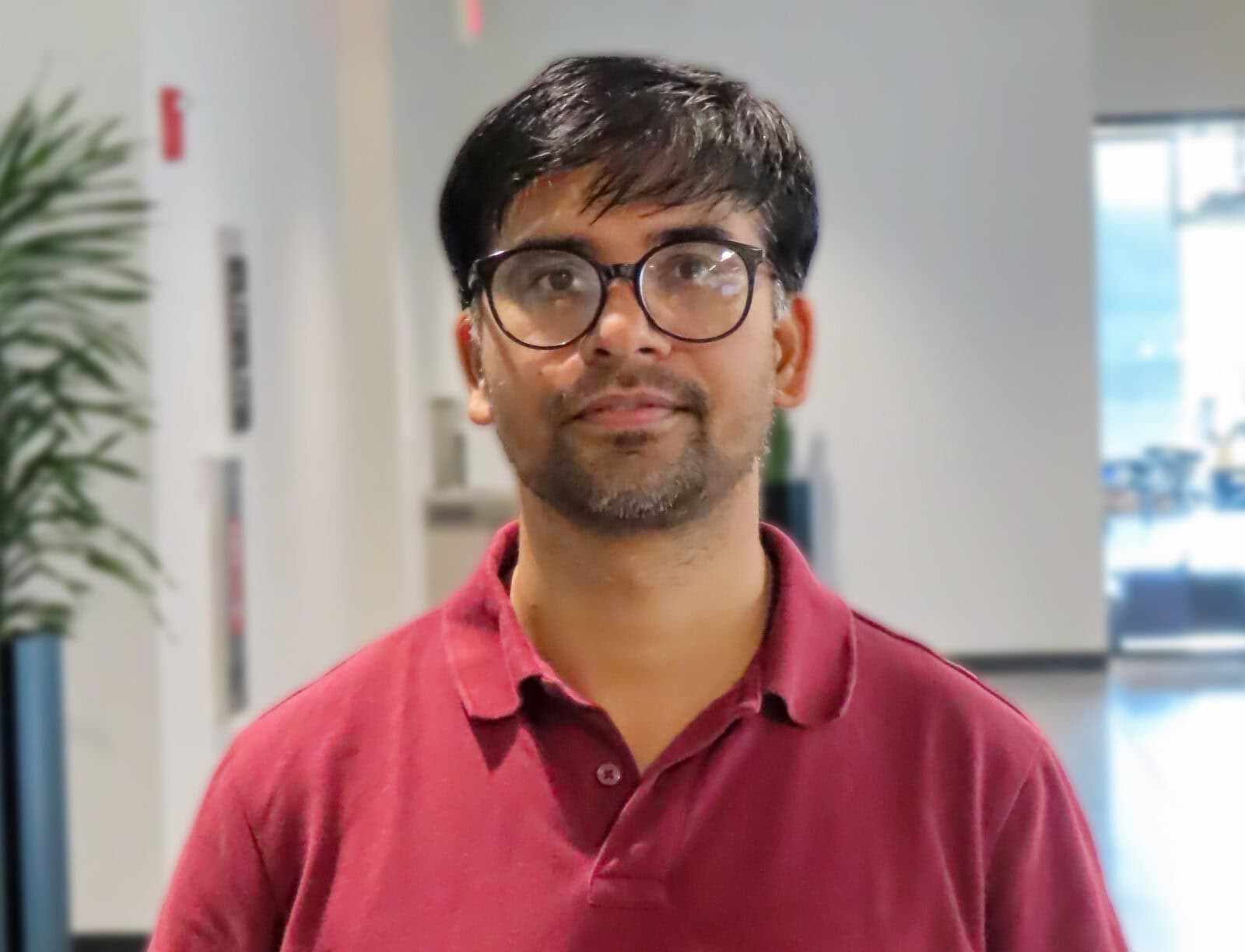
Hem Sharma
Graduate Research Assistant, Indiana University
Hem focuses on soil science and climate resilience, with an emphasis on extension, outreach, and networking to connect research with communities and stakeholders.
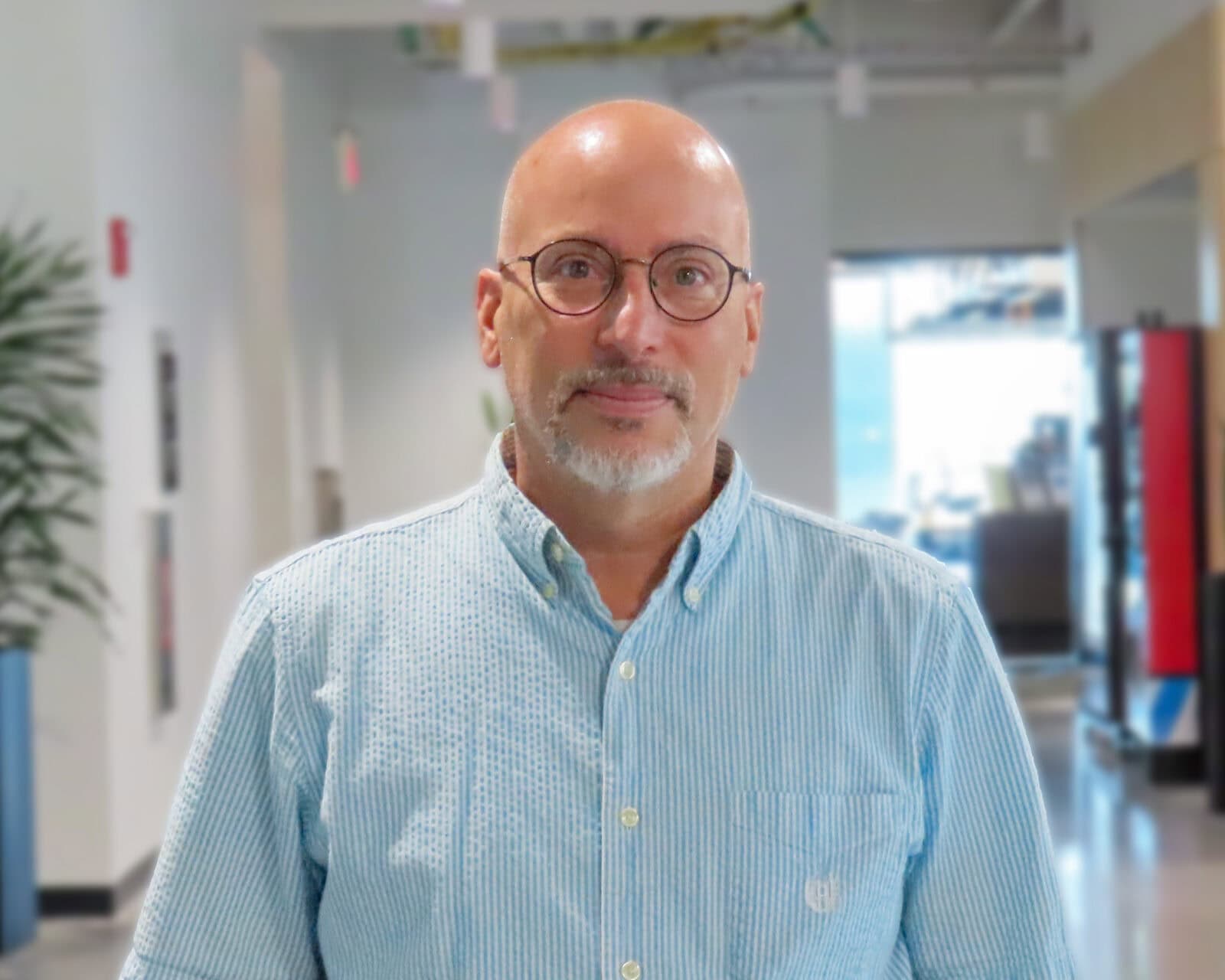
John Reichard
Assistant Professor, University of Cincinnati
John’s background is in toxicology and pharmacology with expertise in geospatial analysis and remote sensing. John is faculty at the University of Cincinnati where he is engaged in AI-driven research focused on chemical risk of environmental contaminants, wildland fire susceptibility, and chemical plant fenceline communities. John is active with the Federation of American Scientists and seeking collaborators, idea workshops, and research connections.

Kaitlin Vollet Martin
Assistant Professor, Public Health Program Director, Thomas More University
Kaitlin’s research integrates environmental health, health equity, and child development, focusing on how environmental exposures – such as heavy metals, per- and polyfluoroalkyl substances (PFAS), and microplastics – affect vulnerable populations, including maternal, child, and elderly health. Kaitlin is particularly interested in climate change-driven events like flooding, air pollution, and the spread of vector-borne diseases, exploring their impacts on public health outcomes in the Cincinnati/Northern Kentucky region and developing community-engaged interventions. As an epidemiologist with expertise in study design and data analysis, Kaitlin aims to collaborate with diverse partners to advance local climate resilience and health equity initiatives through the Climate Research Incubator.
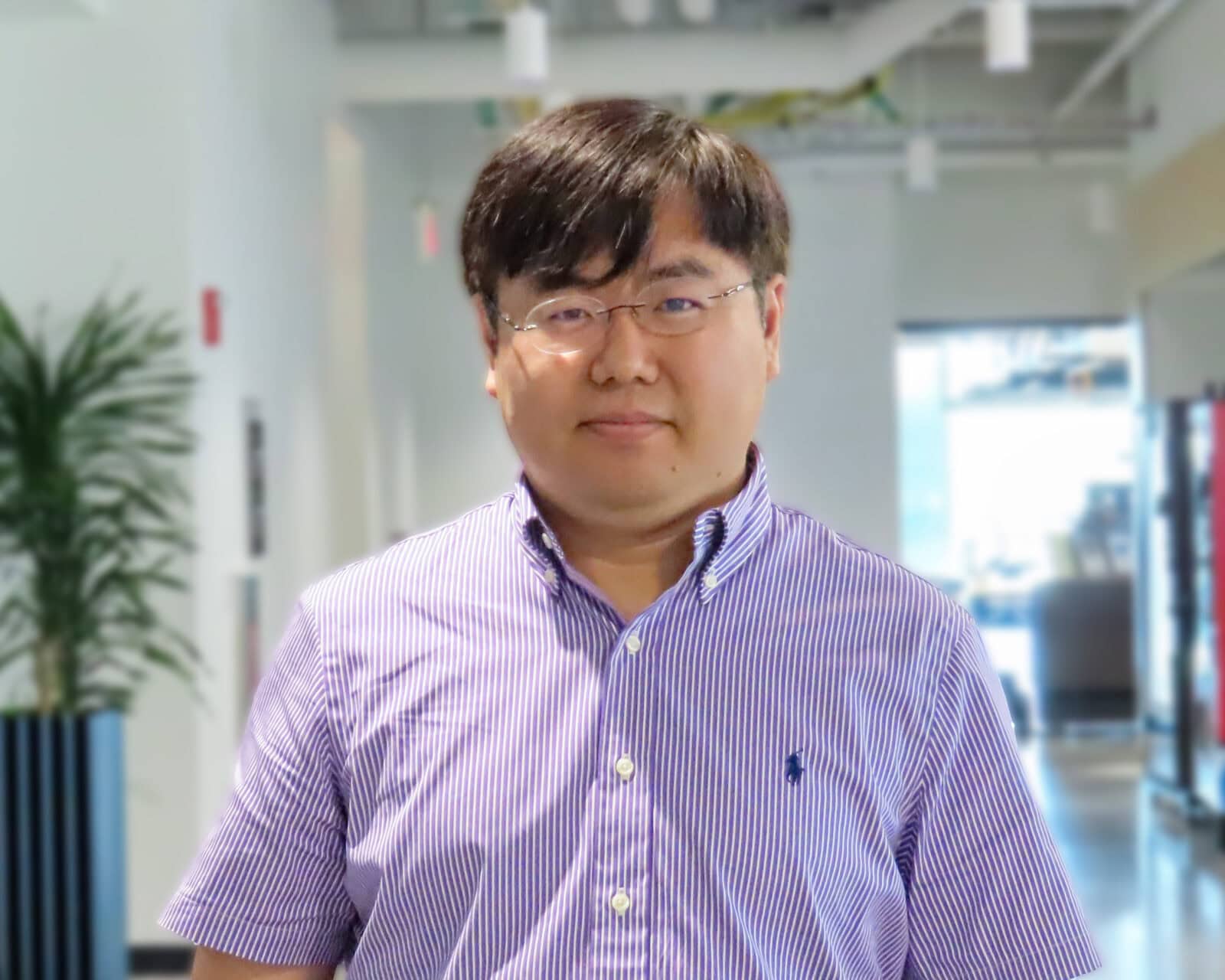
Lei Wang
Assistant Professor of Civil Engineering, University of Cincinnati
Lei focuses on risk and resilience related to flooding, climate change, and geo-hazards such as landslides and land subsidence, with expertise in flood protection infrastructure and nature-based solutions. Lei works includes risk assessment of levees along the Ohio River, rainfall-induced landslides in Kentucky, and projects on nature-based solutions for Lake Erie, including collaboration with the Kentucky Geological Survey. Lei aims to connect with collaborators and local communities through the Climate Research Incubator and to develop research projects addressing shared climate change challenges and resilient infrastructure solutions.
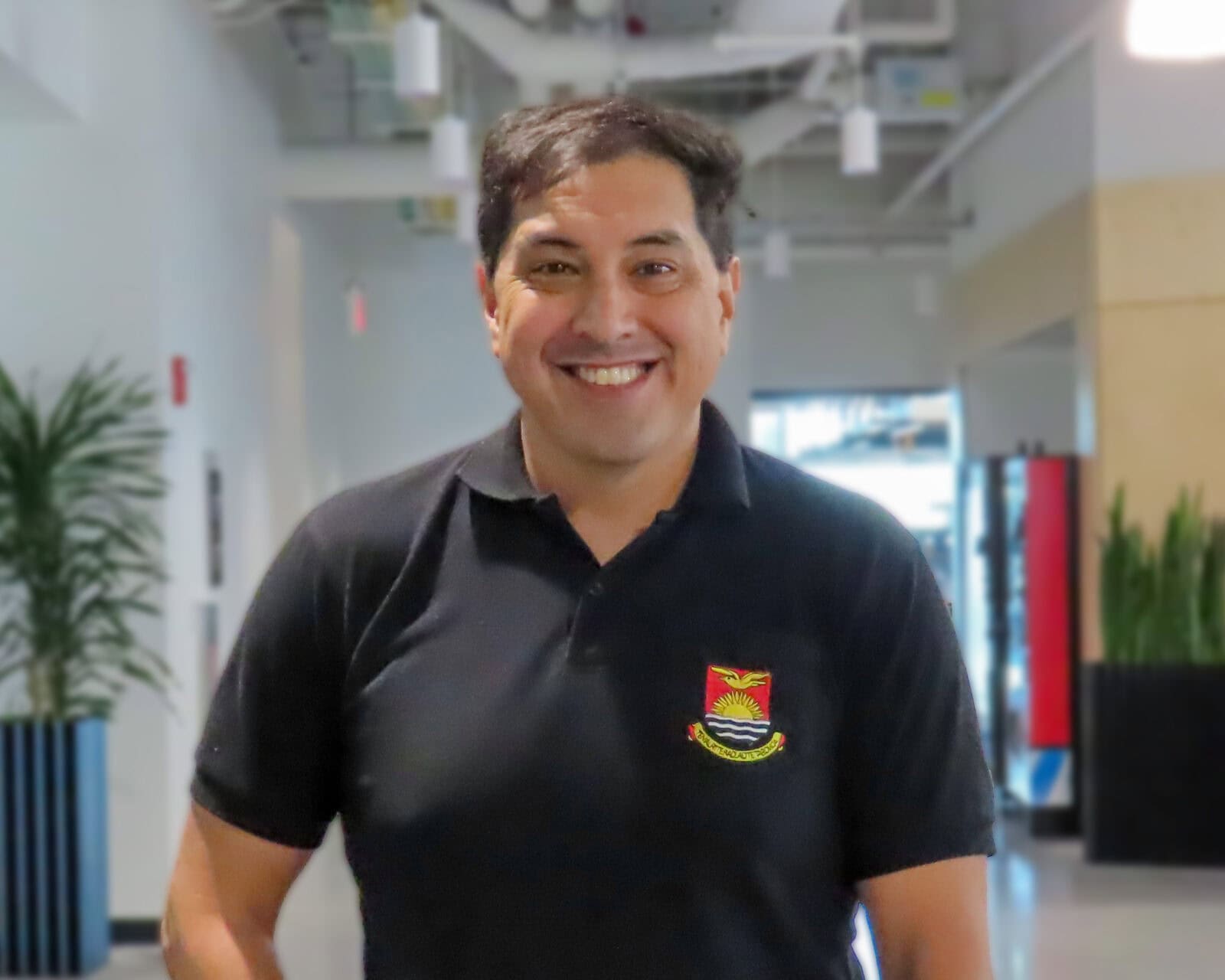
Michael Roman
Academic Advisor, University of Cincinnati
Michael’s research bridges public health and cultural anthropology, focusing on how climate change affects health, place, and mobility, particularly among Indigenous Pacific communities like Kiribati, and how these lessons can inform climate-induced migration planning. Michael aims to connect global insights with local action in Cincinnati, preparing the region to equitably welcome and support climate migrants through policies, public health strategies, and community engagement initiatives. He states, “Through long-standing relationships with Kiribati, U.S. Congressional offices, and Cincinnati city leadership, I seek to develop frameworks that integrate frontline experiences into proactive, inclusive, and resilient climate planning through the Climate Research Incubator.”
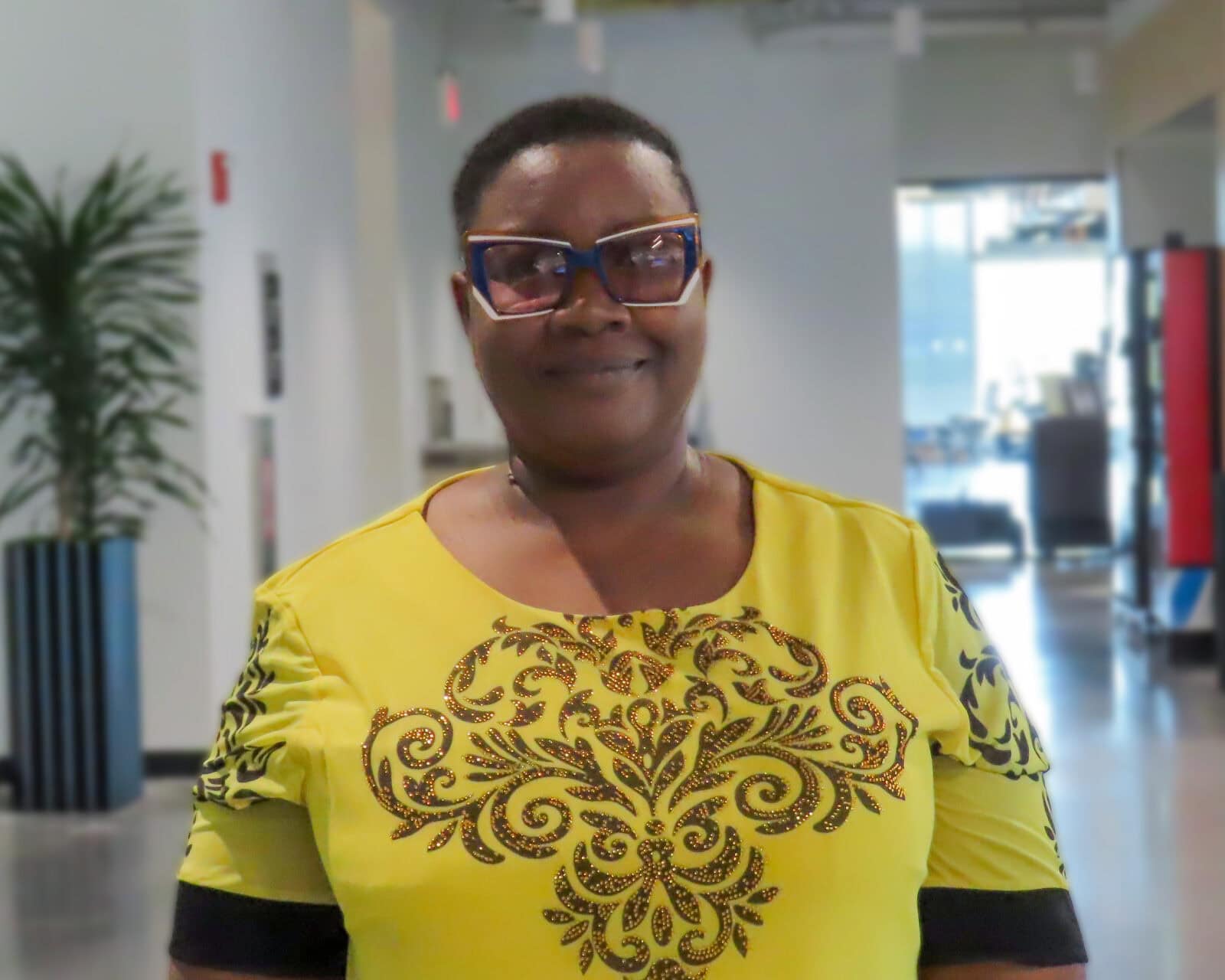
Omosolape Olakitan Owoseni
Professor, Federal University Oye-Ekiti, Nigeria/New immigrant
Omosolape Olakitan Owoseni is a Professor at the Federal University Oye-Ekiti, Nigeria, and a recent immigrant to the United States. Her research spans environmental psychology, the mental health impacts of environmental stressors, and the effects of noise pollution in communities. Through CRI, she is eager to collaborate with partners and community members to advance research and co-create solutions that support healthier, more resilient neighborhoods.
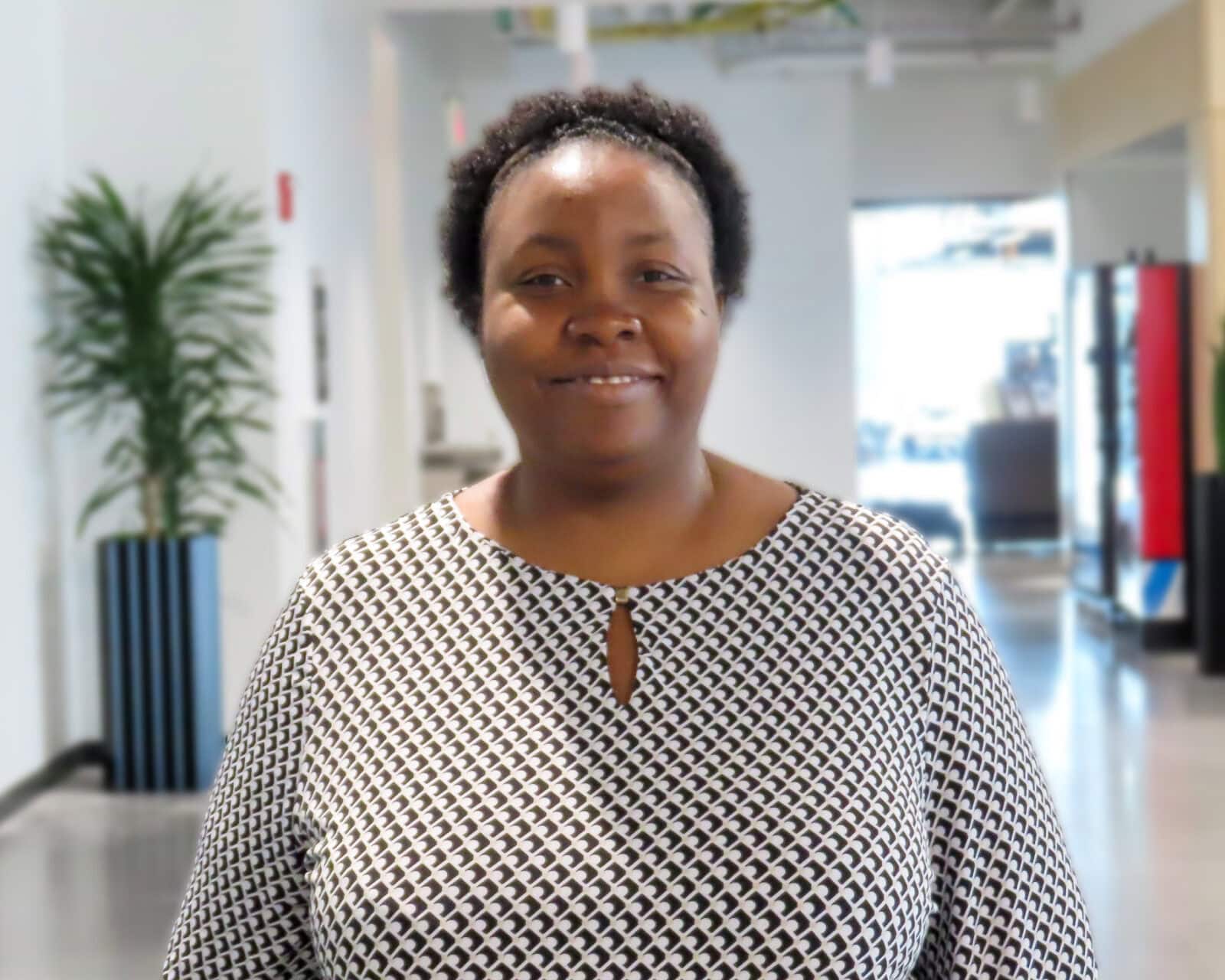
Oluwaseun Olubodun
Graduate Research and Teaching Assistant, Miami University
Oluwaseun focuses on water quality, environmental science, sustainability, and molecular biology, with interests in climate change and its health impacts. She is skilled in science communication, storytelling, data interpretation, and project management. Through CRI, she is interested in collaborating effectively to deliver sustainable, life-impacting projects.
Sharon Karunakaran
Assistant Professor of Pediatrics, Cincinnati Children’s Hospital
Sharon is a pediatric infectious diseases physician focused on infection prevention and control and its intersection with environmental sustainability. She is currently launching projects to reduce hospital waste, including reusable isolation gowns, disinfection of unused medical supplies, and reevaluating contact precautions for MRSA. She is interested in collaborating with partners knowledgeable in waste management and learning more about the fate of medical waste in Cincinnati.
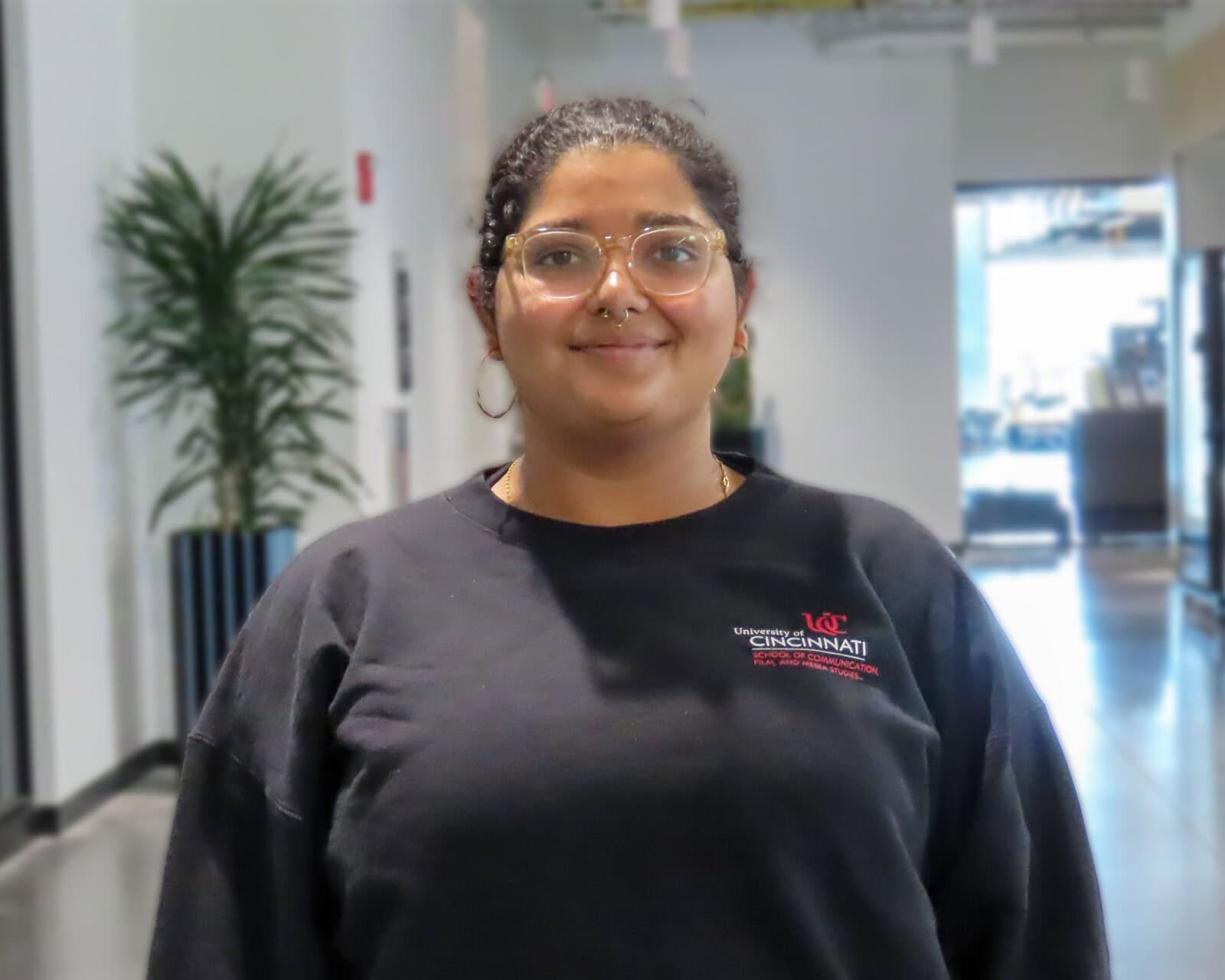
Shobha Pai
Masters Student, University of Cincinnati
Shobha is a graduate student specializing in community resilience and its central role in climate engagement and research. Her interests span climate communication, public perception, eco-anxiety, behavioral change, climate justice, and climate migration. Through her work with Green Umbrella, she has built and sustained connections with more than 75 community partners and contributed to projects on equity and resilience in climate planning, community climate storytelling, and energy efficiency awareness. By participating in the Climate Research Incubator, Shobha seeks to collaborate with interdisciplinary researchers and local stakeholders to co-create actionable, community-centered interventions, educational tools, and storytelling platforms that advance both climate resilience and equity.
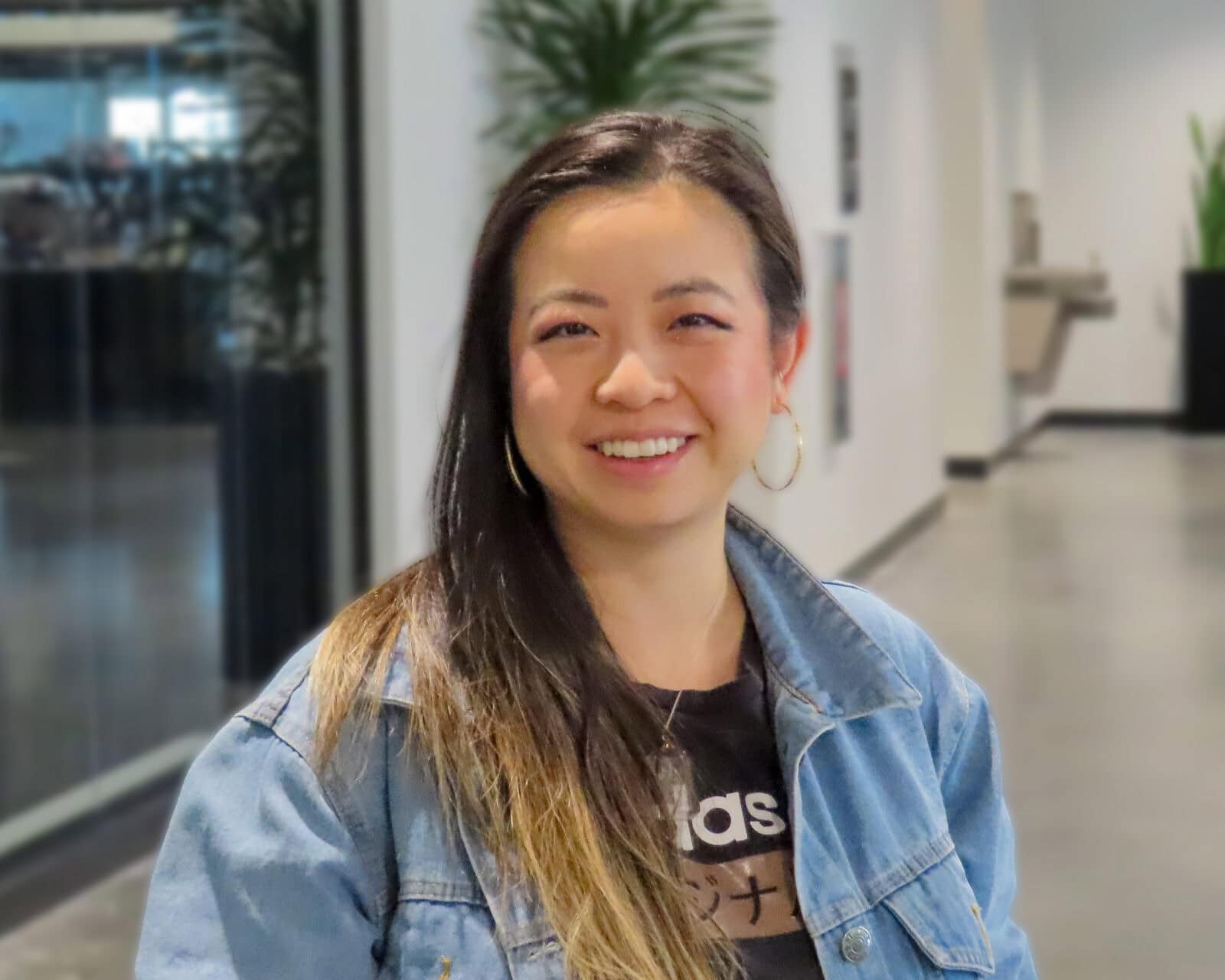
Stephanie Lam
Doctoral Candidate, Psychology Department and Center for Public Engagement with Science, University of Cincinnati
Stephanie specializes in arts-based, qualitative, and community-engaged research, with experience in program evaluation, emphasizing people-centered approaches to climate solutions. Stephanie focuses on supporting local communities – especially those often marginalized – in shaping climate futures and crafting practical, inclusive strategies for harm reduction and resilience. Stephanie aims to pursue a career in local environmental and climate initiatives that intentionally collaborate with community members to make the region safer and more climate-resilient through the Climate Research Incubator.
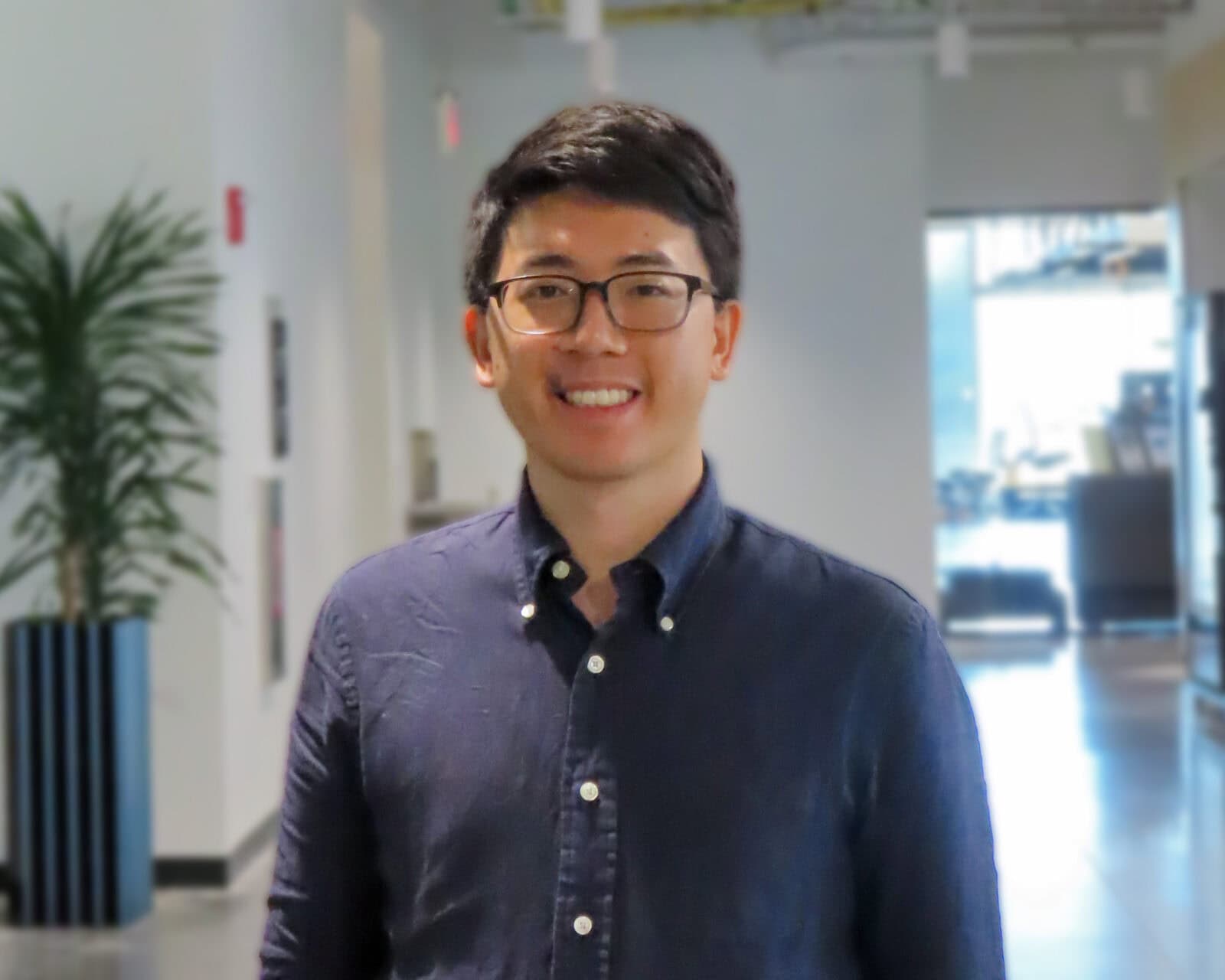
Todd Lu
Assistant Professor of Sociology, University of Cincinnati
Todd draws on prior research on labor unions’ environmental engagement and OSHA federal rulemaking on heat stress. He plans to connect with regional partners and attend the National Council for Occupational Safety and Health conference to build collaborations. New to UC and the tri-state area, Todd seeks interdisciplinary perspectives through the Climate Research Incubator. Presently, Todd is examining how state and civil society actors – including labor unions, worker centers, environmental organizations, and local communities – shape governance and policy implementation around heat stress protections affecting workers and residents. Through the Climate Research Incubator, Todd is interested in developing a community-engaged project on adaptation capacities to elevated temperatures and extreme heat, with attention to social inequalities and political processes.
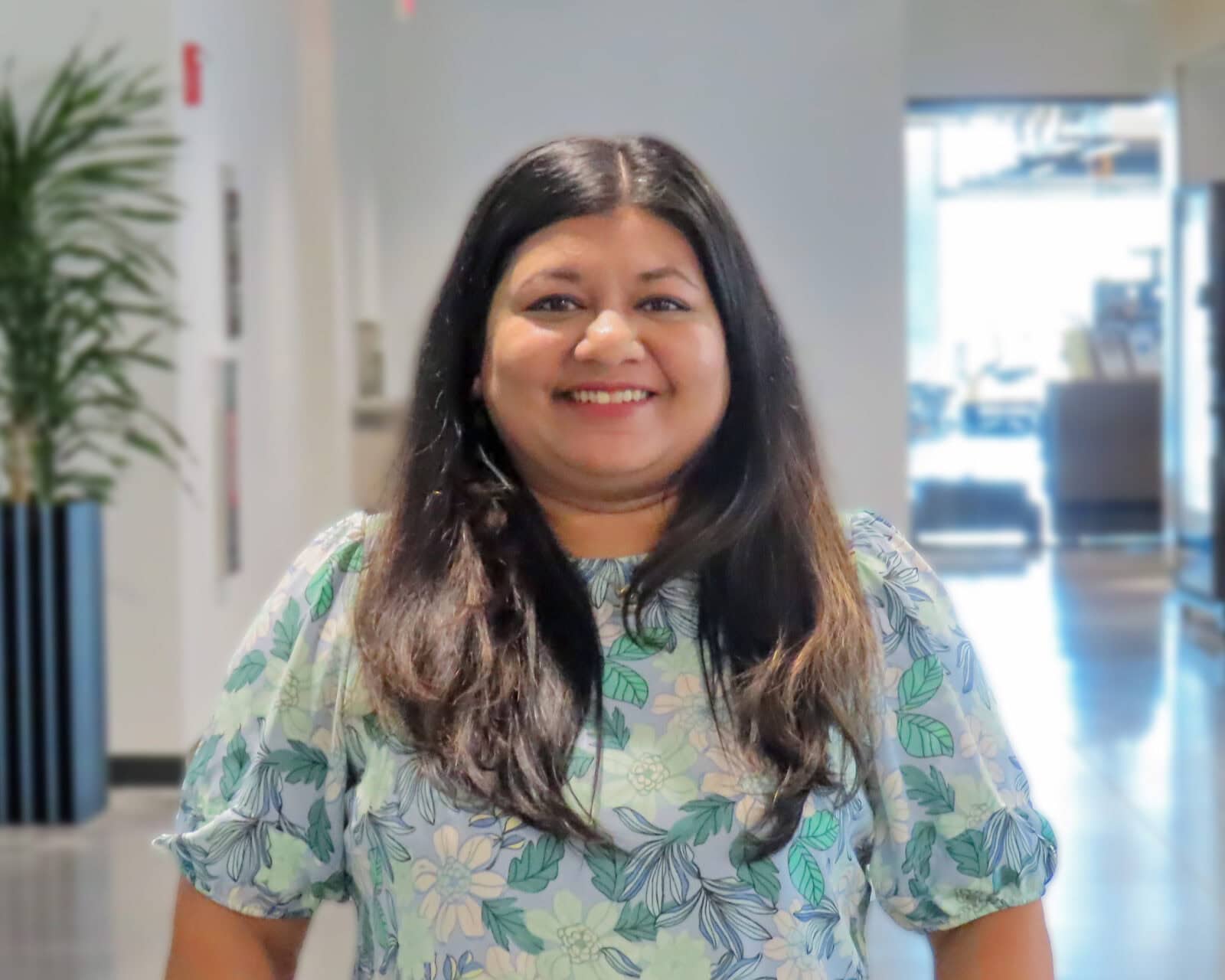
Zeel Maheshwari
Associate Professor, Northern Kentucky University
Zeel researches sustainable energy solutions for rural communities, with expertise in renewable energy, power systems, AI, water conservation, and zero-energy systems. Through the Climate Research Incubator, Zeel hopes to collaborate with others to develop ideas that advance regional sustainable development.
Green Umbrella members also have access to our members-only newsletters and e-blasts. Join today to receive these perks!
By Green Umbrella
Published March 12, 2026