Scientists in the Wild
By Claire Carlson
Published August 5, 2025
Join us and act against climate change! Become a member today.


Tucked away between I-275 and the Ohio River lies an environmentally significant feature called ‘the oxbow’. Initiated by the meandering of a stream, river, or creek, oxbows form as a portion of a meandering body of water separates itself from the main stem of the water body.

Contributors: Claire Carlson, Sara Brandts
Have you ever meandered through a meander? Now’s your chance!
Join the Oxbow Nature Conservancy and Green Umbrella’s Greenspace Alliance for our hike at the Oxbow on Friday, October 24 from 3:00-4:30 PM.
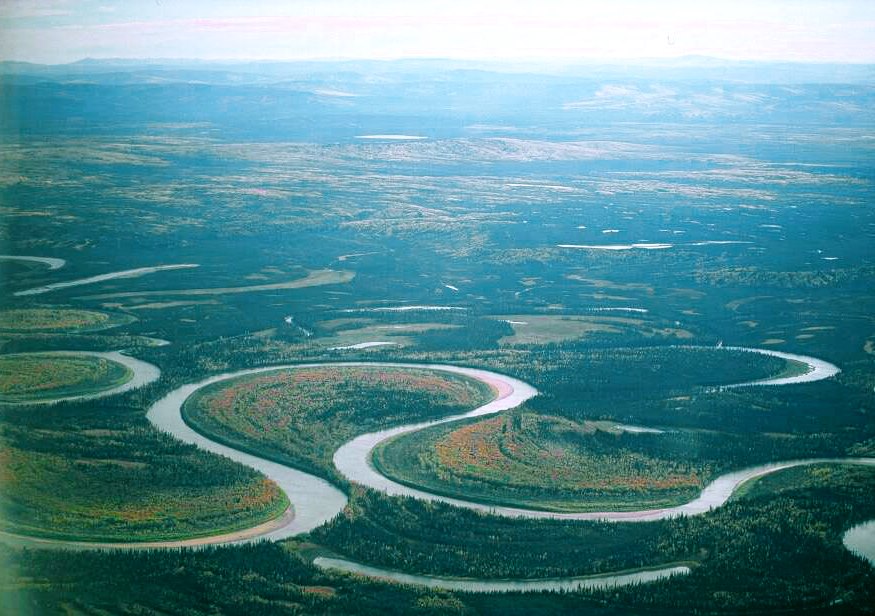
Tucked away between I-275 and the Ohio River lies an environmentally significant feature called ‘the oxbow’. Initiated by the meandering of a stream, river, or creek, oxbows form as a portion of a meandering body of water separates itself from the main stem of the water body. In this way, it is similar to tying a knot: after creating a loop with one end of the string over another and pulling both ends tight to form a knot, the once-straight string now features a bulge. Now, imagine that with a river, but the knot is cut off from the main stem of the stream. That is an oxbow: a separate water body that was once a part of a larger one.
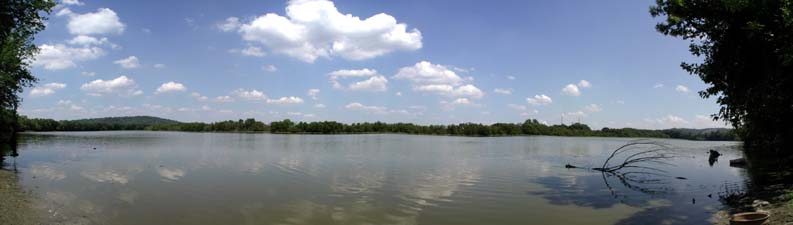
40 years ago, in 1985, plans for the development of a barge port along the Ohio River were announced. The proposed development was for a piece of land where an oxbow had formed years ago from the meandering waters of the Ohio River. Because of the area’s importance as habitat for both local creatures and migratory birds, a group of concerned citizens came together and began a letter-writing campaign in an effort to stop the development of the barge port. They sought to increase awareness about the importance of the wetland habitat and its role as an annual stopover site for thousands of birds.
The concerned citizens were successful and the barge port development was stopped. But the citizens realized that this challenge was only the beginning, and they would continue to face similar challenges from entities interested in developing the area. They formed a land trust called Oxbow Nature Conservancy and began fundraising to purchase the site and protect it in perpetuity. Their initial purchase consisted of 30 acres where development pressures were consistent and ever-present. That 30-acre purchase has now expanded to 1,600 acres of protected riparian (river) corridor along the Ohio River. The land that Oxbow owns is contiguous, meaning it is all in one place and not scattered – a rarity among land conservancies.
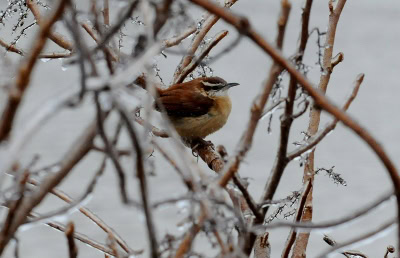
The land owned by the Oxbow Nature Conservancy is split into two sections, known as the east and west sides. The east side of the property is closed to the public and remains wild, allowing flora and fauna to grow and flourish uninterrupted by humans. At last count, 293 unique species of birds have been identified throughout the Oxbow, solidifying its significance as an important area for migratory birds.
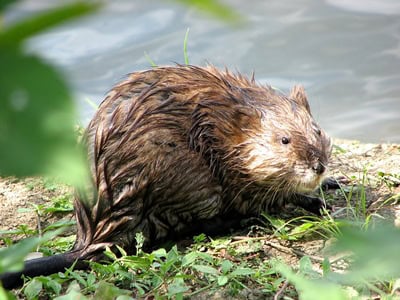
The west side of the property is open to the public and features Oxbow Lake, Osprey Lake, and Mercer Pond. At certain points of the year, it is completely inaccessible due to flooding of the Ohio River. While many may view an event like this as catastrophic, it is actually life-giving for the oxbow. As the river floods its banks, water washes over the landscape where the oxbow lies, bringing with it fish and other aquatic creatures that will restock the lakes and ponds dotted throughout the floodplain. In addition to bringing life, the waters also provide needed nutrients to the soil and kill invasive plants present in the area, ensuring that the landscape remains fertile for generations to come. Historically, this landscape has been a protective measure for the community of Lawrenceburg, providing a barrier against Mother Nature’s whims.
Due to the fertile and productive soil of this area, it has also historically been a prime place for farmland, dating back to when Native American tribes lived undisturbed throughout the landscape. Due to the presence of Native peoples, the Archeological Research Institute conducts excavations of sites throughout the oxbow in search of artifacts.

We hope you’ll join us for our upcoming hike with the Oxbow Nature Preserve! The hike will take place on Friday, October 24, from 3:00-4:30 PM, and will be guided by Oxbow staff and board members. We will meet in the upper parking lot area, which can be found in two ways:
If we are lucky enough, we may be able to catch the tail end of the monarch butterfly migration!
This hike is part of our monthly Meet a Greenspace Hiking series. We hope these hikes will provide those who join the time and space they need to reconnect with nature. If you have any questions, contact Green Umbrella’s Greenspace Alliance Manager, Claire Carlson, at claire@greenumbrella.org.
Green Umbrella members also have access to our members-only newsletters and e-blasts. Join today to receive these perks!


