Under Our Umbrella – Introducing Our Five-Year Strategic Plan
By Green Umbrella
Published February 19, 2026
Join us and act against climate change! Become a member today.

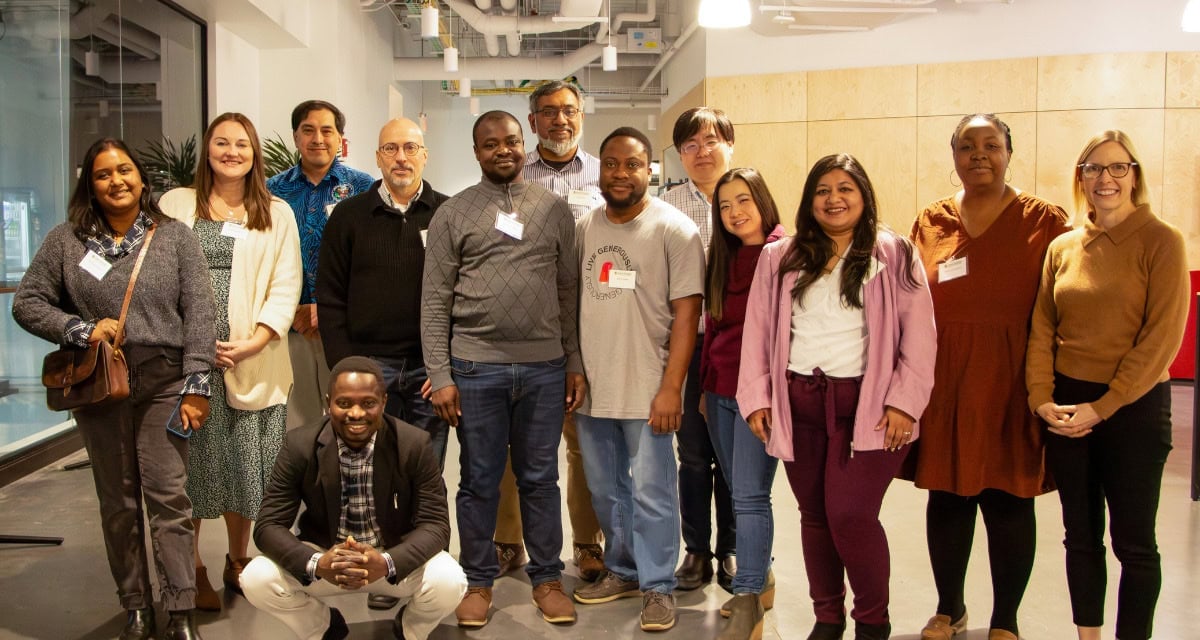
Green Umbrella’s Climate Research Incubator (CRI) trains regional researchers in climate science communication and community engagement.

This blogspot was written by Bamidele Osamika, Engagement and Evaluation Manager at Green Umbrella. For more information on opportunities to get involved, contact Bamidele Osamika at bamidele@greenumbrella.org.
Green Umbrella’s Climate Research Incubator (CRI) trains regional researchers in climate science communication and community engagement. The CRI serves as a collaborative platform where scholars, community partners, and government representatives work together to better understand and respond to climate challenges across Greater Cincinnati.
CRI focuses on:
The ideas developed and research provided also support the progress of the forthcoming Sustainable Playbook for Greater Cincinnati, created by Green Umbrella and partners.
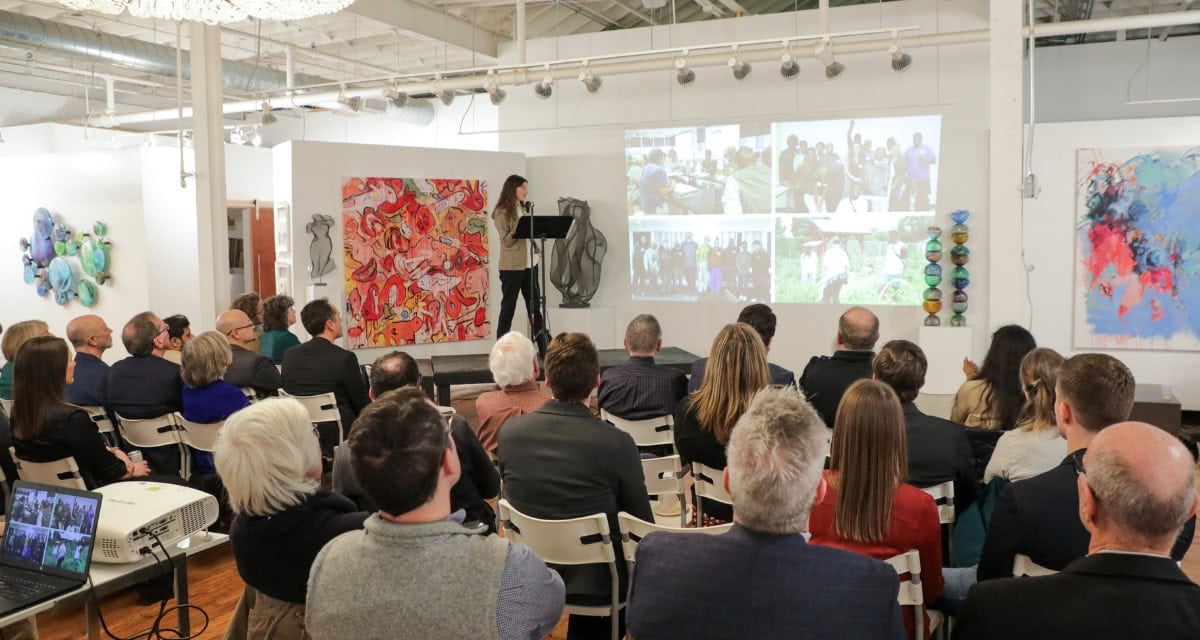
After the conclusion of the CRI for the year, the researchers and community partners host a public Climate Research Incubator Symposium where participants share their progress and seed projects.
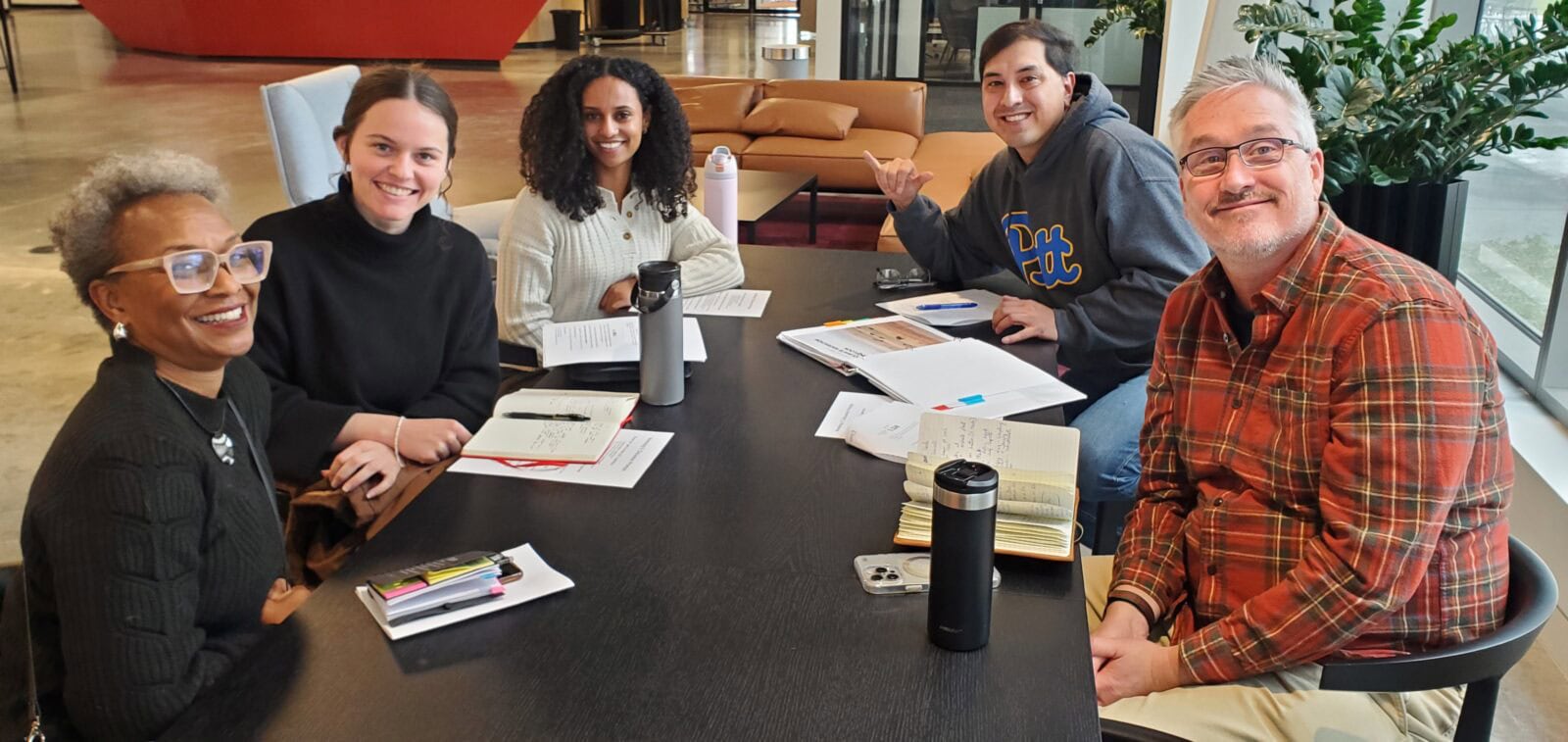
CRI launched in 2023 with 17 scholars across five regional institutions. Since its inception, CRI has trained over 40 scholars. Through its public symposium, ongoing programs, and regular engagements throughout the year, CRI has made a deep impact. It has connected over 300 residents, 50 community partners, and 20 government staff members. These relationships lead to lasting, community-driven projects.
From the very beginning, CRI set out to be more than a traditional research program. Through a carefully designed workshop series, scholars engage directly with frontline residents, community organizations, and government partners. They gain practical tools for translating research into action and building lasting partnerships that advance collective climate impact across the region.
In the fall of 2024, the 2024-2025 cohort kicked off with a series of training sessions. In one of their workshops, staff from the City of Cincinnati’s Office of Environment and Sustainability and the Ohio Environmental Council were invited to train scholars on communicating with government officials and staff.
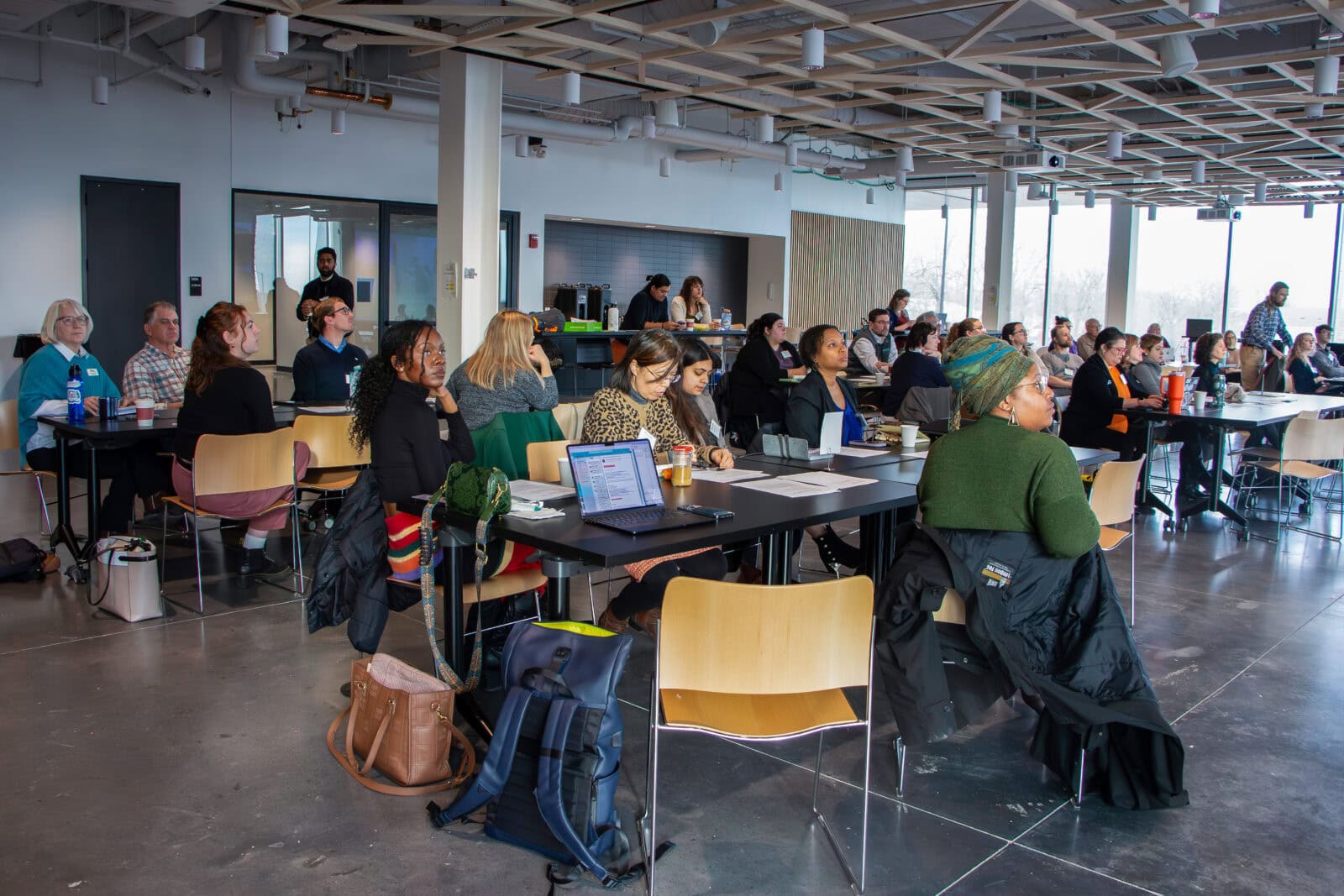
The CRI Symposium in January 2025 had over 50 attendees, including scholars, community partners, and government officials, to discuss and seed resilience projects. Between February and April, the scholars further engaged in a series of project working sessions. These sessions fostered meaningful collaboration, enabling the development of existing projects, the exchange of innovative ideas, and the cultivation of new professional networks. One of the projects seeded in the 2024-2025 CRI cohort was the development of a new sustainability challenge to drive collaboration around practical ideas for climate action.
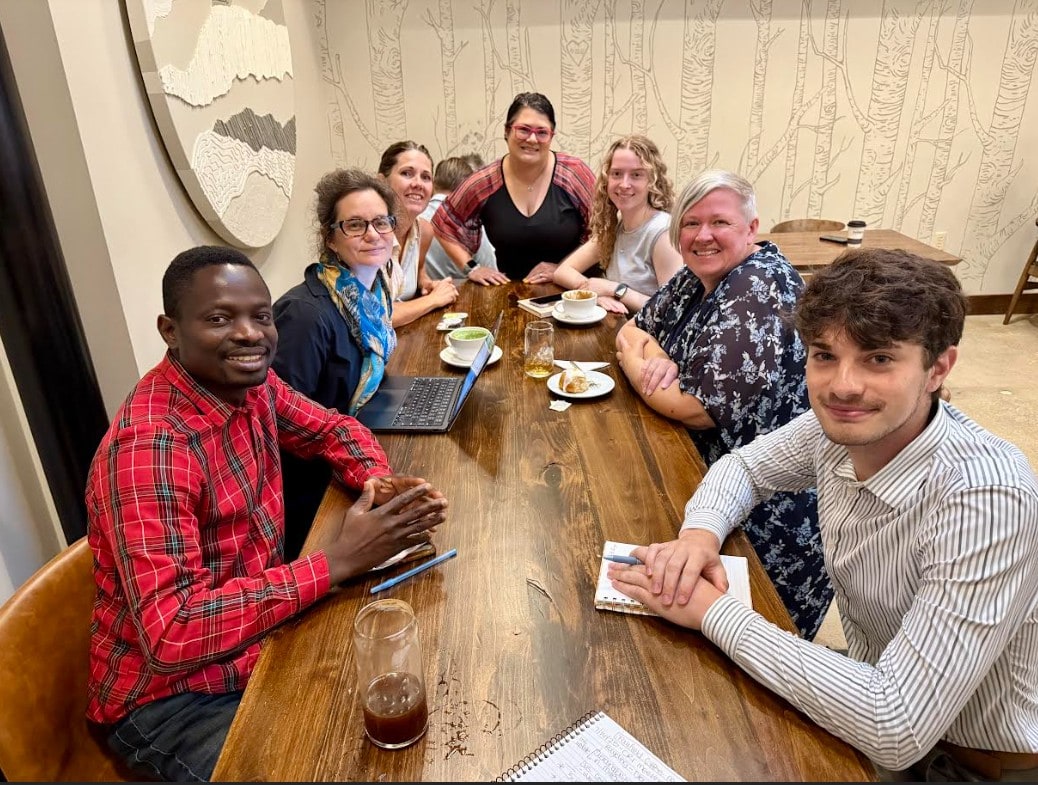
In September of 2025, the CRI cohort hosted the inaugural Sustainability Hackathon Challenge at the University of Cincinnati. The weekend-long challenge brought UC students together to brainstorm solutions for real-world sustainability issues. Judges from Green Umbrella,UC School of Environment and Sustainability, UC Office of Sustainability,City of Fairfield, City of Milford, Sustainability Central, Net Impact, and Bearcat Student Sustainability Council selected winning plans that addressed solutions to waste management, data tracking and reporting, and storytelling initiatives.
The CRI 2025–2026 cohort welcomed 16 scholars from eight different institutions, bringing diverse disciplines, perspectives, and lived experiences to the table. United by a shared commitment to climate action, the cohort began a fall journey focused on strengthening public engagement, science communication, and collaborative leadership core skills needed to drive meaningful, regionally grounded climate solutions.
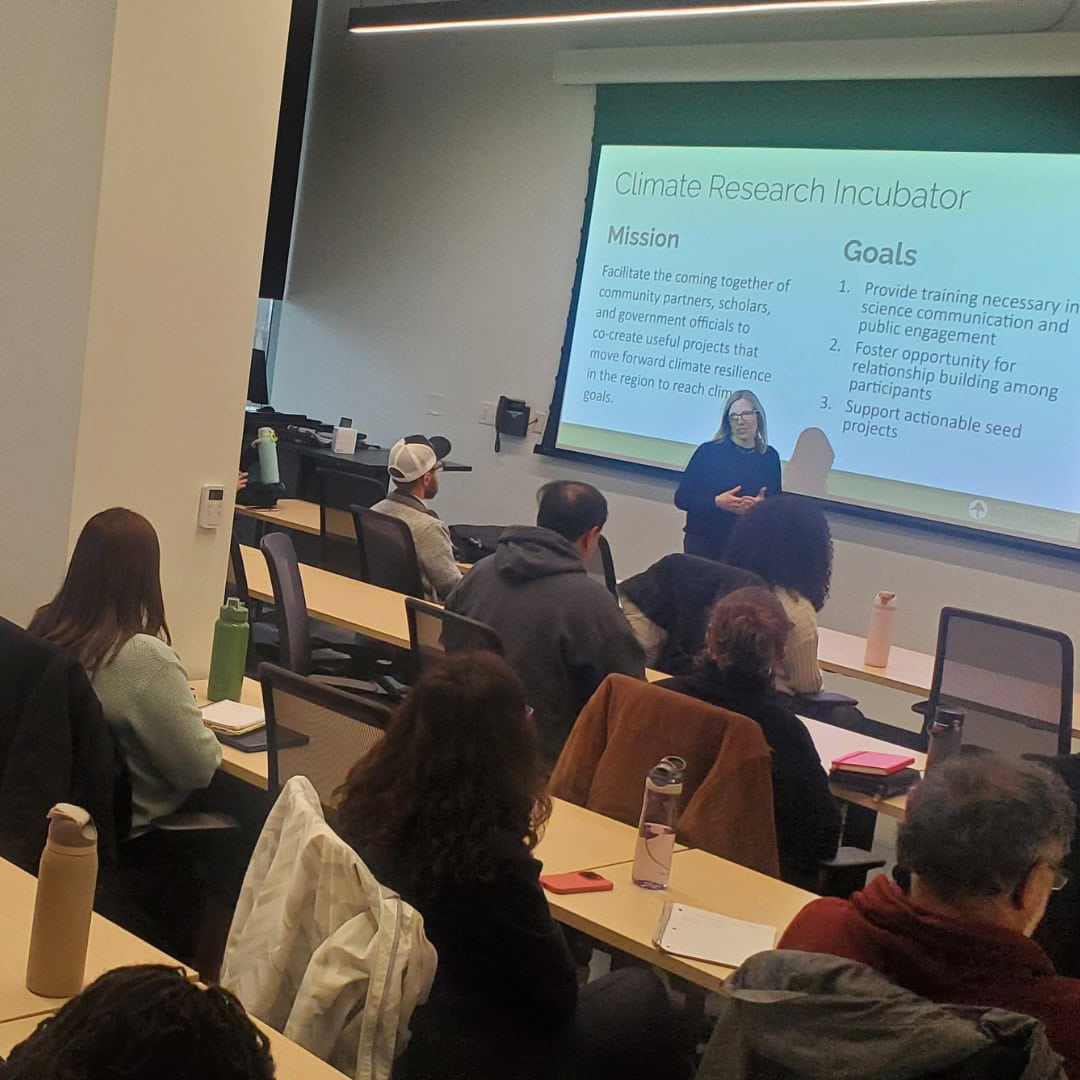
The first workshop laid the groundwork for the cohort’s journey. Led by Kristy Hopfensperger, Green Umbrella’s Science Fellow and Professor at Northern Kentucky University, in partnership with Bamidele Osamika of Green Umbrella, the session introduced scholars to the vision and goals of the CRI and its alignment with Green Umbrella’s mission of accelerating climate action in Greater Cincinnati.
Scholars shared why they joined the CRI program, setting a tone of openness and purpose. The session presented a better way to work with communities: by partnering with them, listening to resident expertise, and building solutions together. Discussion topics included forms of community engagement, the role of community science, and the value of participation in building trust, relationships, and long-term impact.
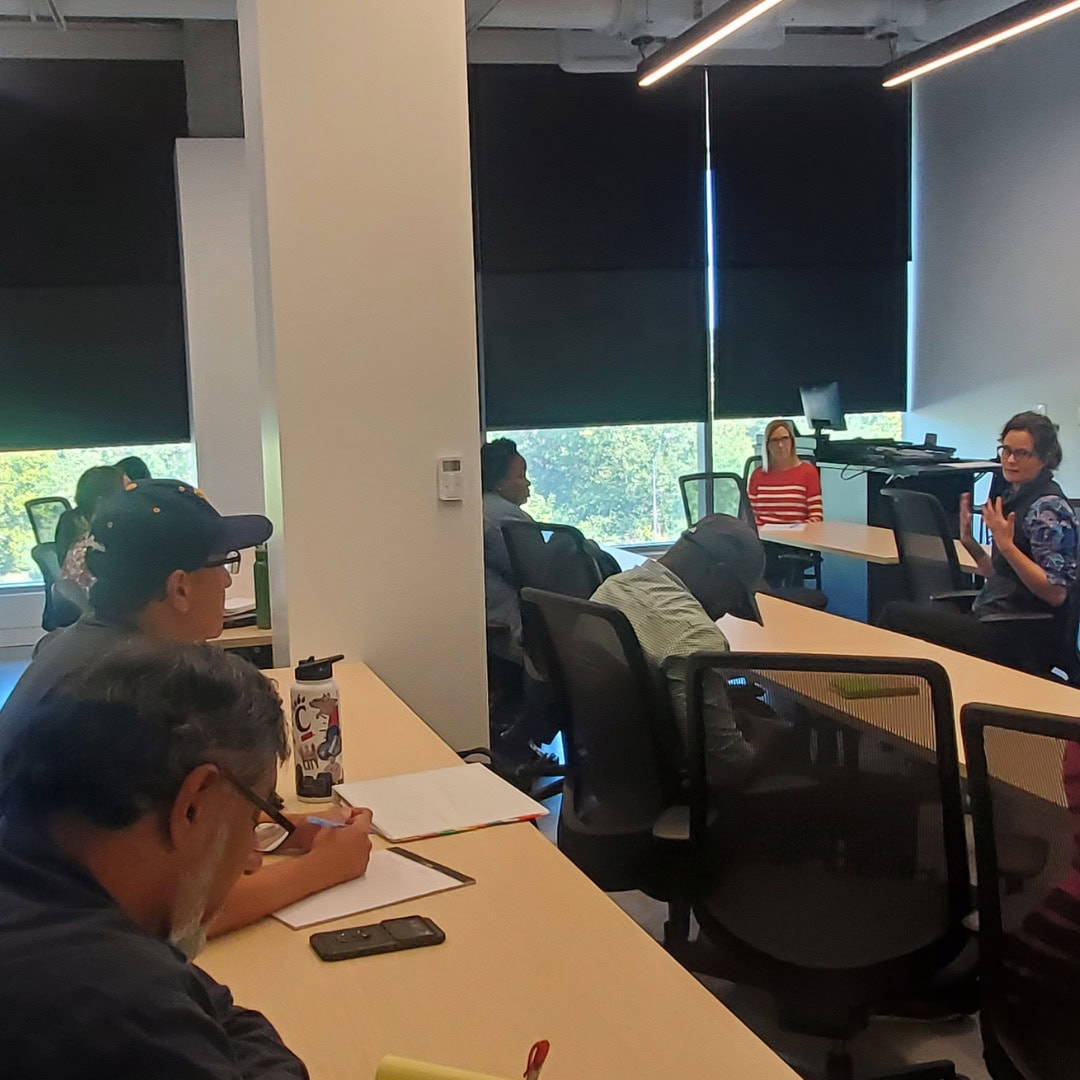
The second workshop focused on the art and responsibility of science communication. Led by CRI alumna Dr. Laura Zanotti, Professor and Director of the Environmental Studies Program at the University of Cincinnati, the session drew from her experiences working with CRI partners and community-based projects.
Dr. Zanotti shared lessons learned from sustained engagement with community partners, emphasizing the importance of listening, humility, and clarity. Scholars explored practical strategies for avoiding jargon, crafting accessible messages, and communicating science in ways that resonate beyond academic audiences. The workshop concluded with small-group discussions, where scholars began shaping project ideas and identifying shared interests.
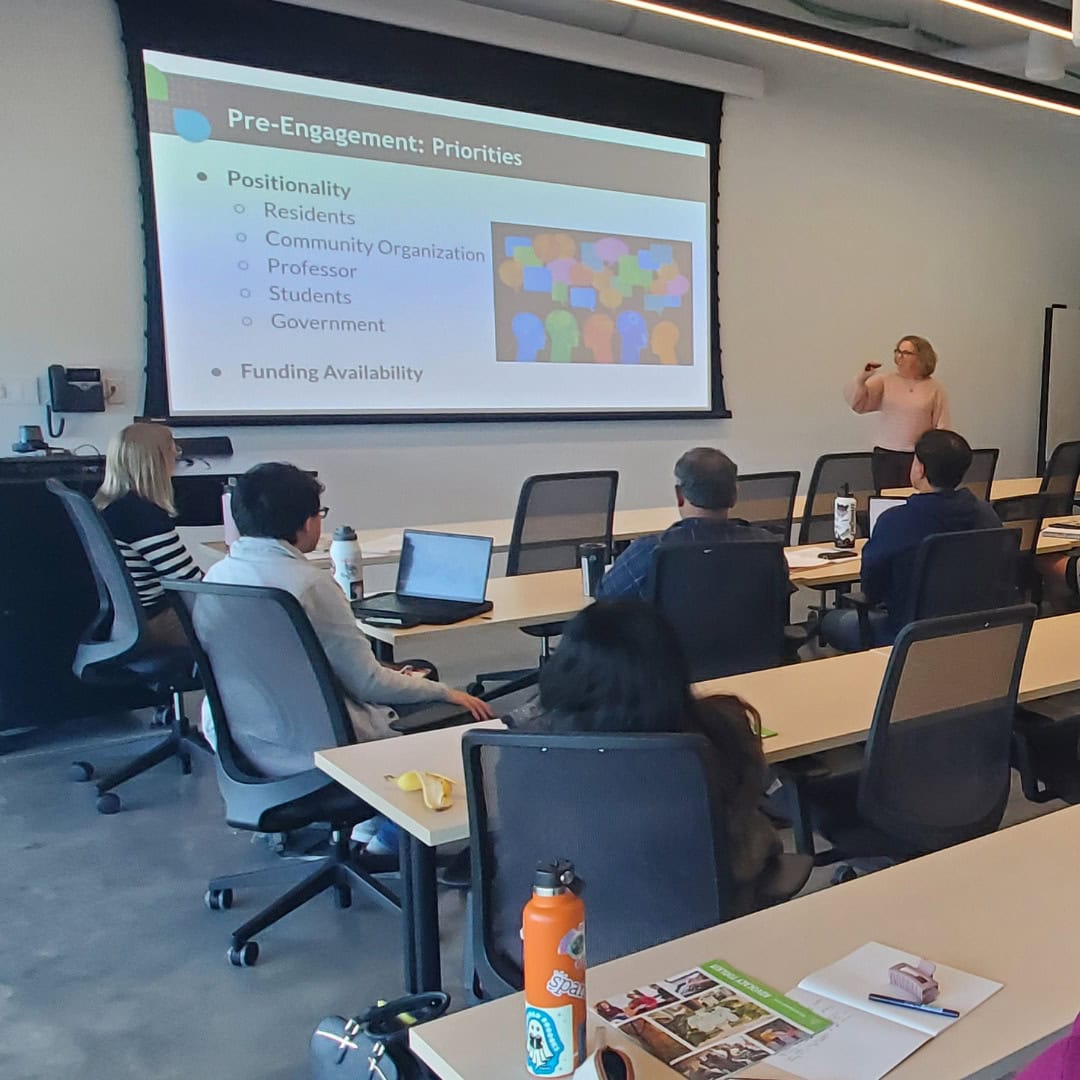
Effective climate action requires navigating public systems. In this workshop, scholars heard directly from government partners Molly Robertshaw (City of Cincinnati, Office of Environment & Sustainability) and Kylie Johnson (Ohio Environmental Council & OEC Action Fund), who offered insights into working productively with government institutions.
Johnson emphasized that personal and community stories are foundational to connecting with government decision-makers, while Robertshaw shared case studies demonstrating successful government–research collaborations. Together, they highlighted the importance of working with elected leadership, understanding institutional processes, and leveraging available resources to turn ideas into action.
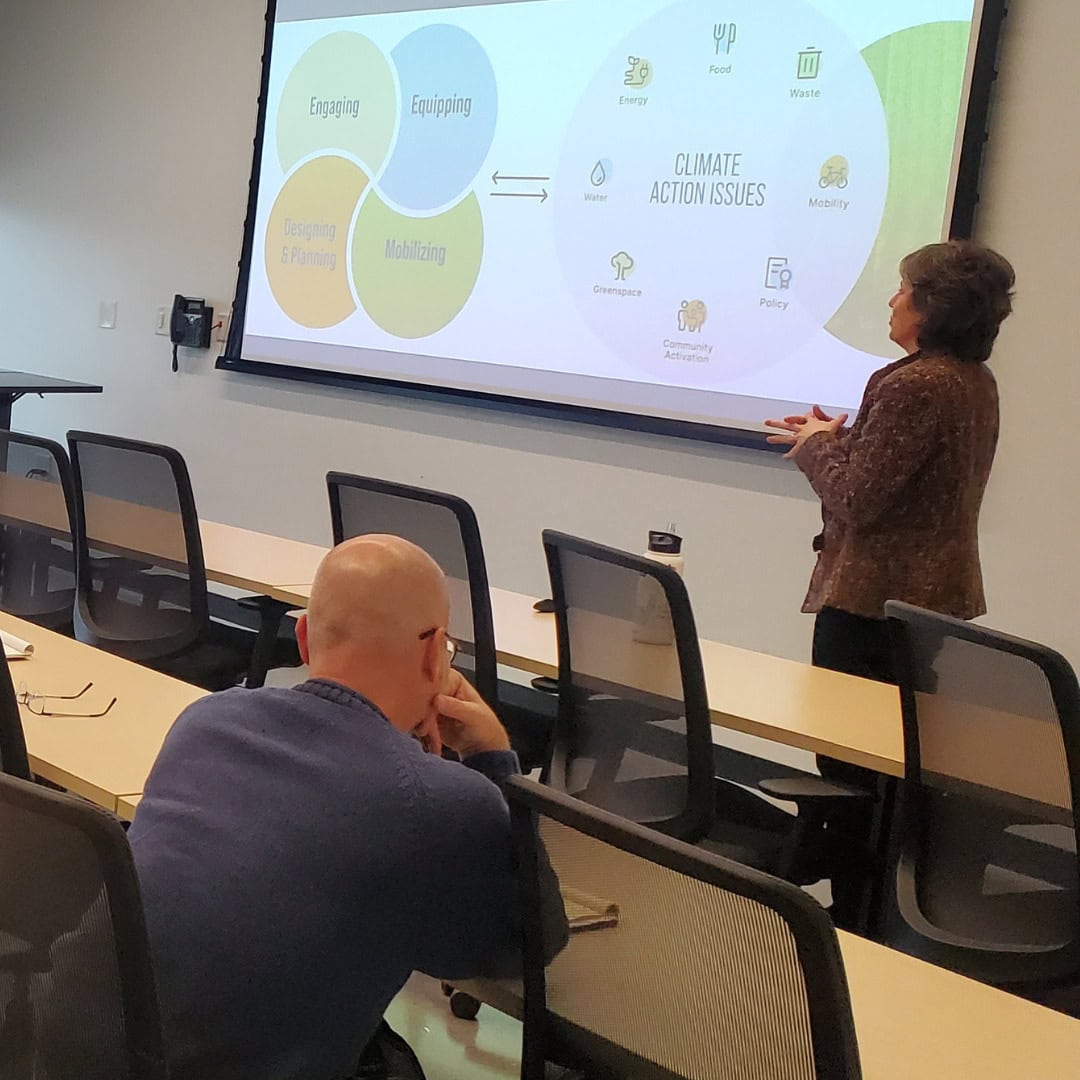
Collaboration took center stage in Workshop IV, led by Ryan Mooney-Bullock, Green Umbrella Executive Director. The session focused on effective project management, the principles of collective impact, and best practices for managing interdisciplinary teams.
Scholars explored how strong networks and regional connections can amplify individual efforts, helping research projects evolve into scalable, community-driven solutions. The discussion encouraged participants to think beyond silos and identify opportunities for partnership across sectors.
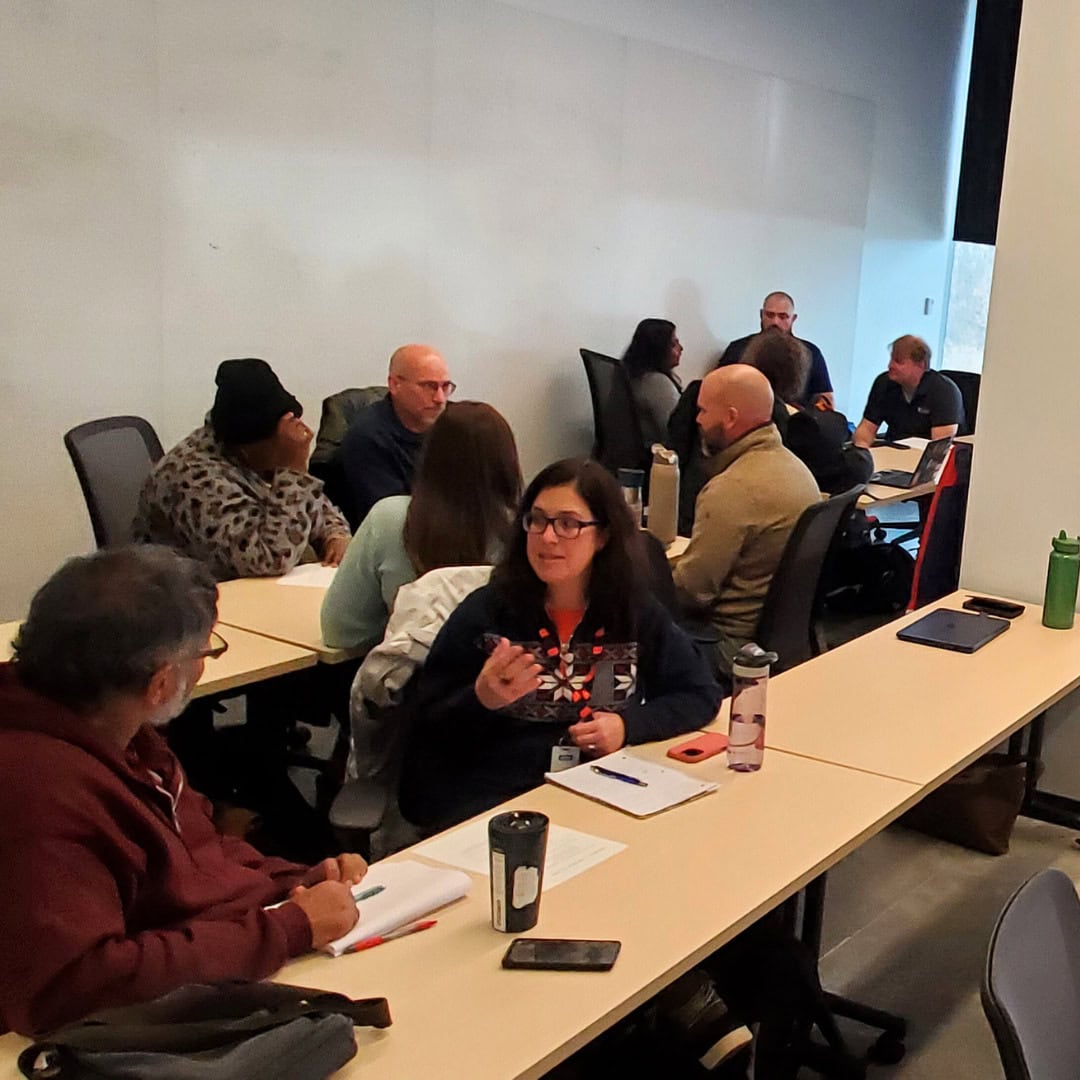
The final workshop of the fall brought community voices directly into the room. Representatives from OKI, City of Cincinnati, ORSANCO, Groundwork Ohio River Valley, Gorman Heritage Farm, Cincinnati MSD, Rumpke, and others joined the cohort to share priorities, challenges, and opportunities for collaboration.
This session reinforced a core CRI value: climate research is strongest when it is grounded in community realities. Scholars gained firsthand insight into how their work can support ongoing efforts and respond to real-world needs.
The fall 2025 program culminated in the Winter 2026 Annual Symposium on January 21, bringing together past and present scholars, community partners, and local government leaders of Green Umbrella’s CRI cohorts to co-develop climate resilience projects. In spring of 2026, scholars will transition into applied project work sessions, refining and advancing climate resilience ideas in close collaboration with community partners.
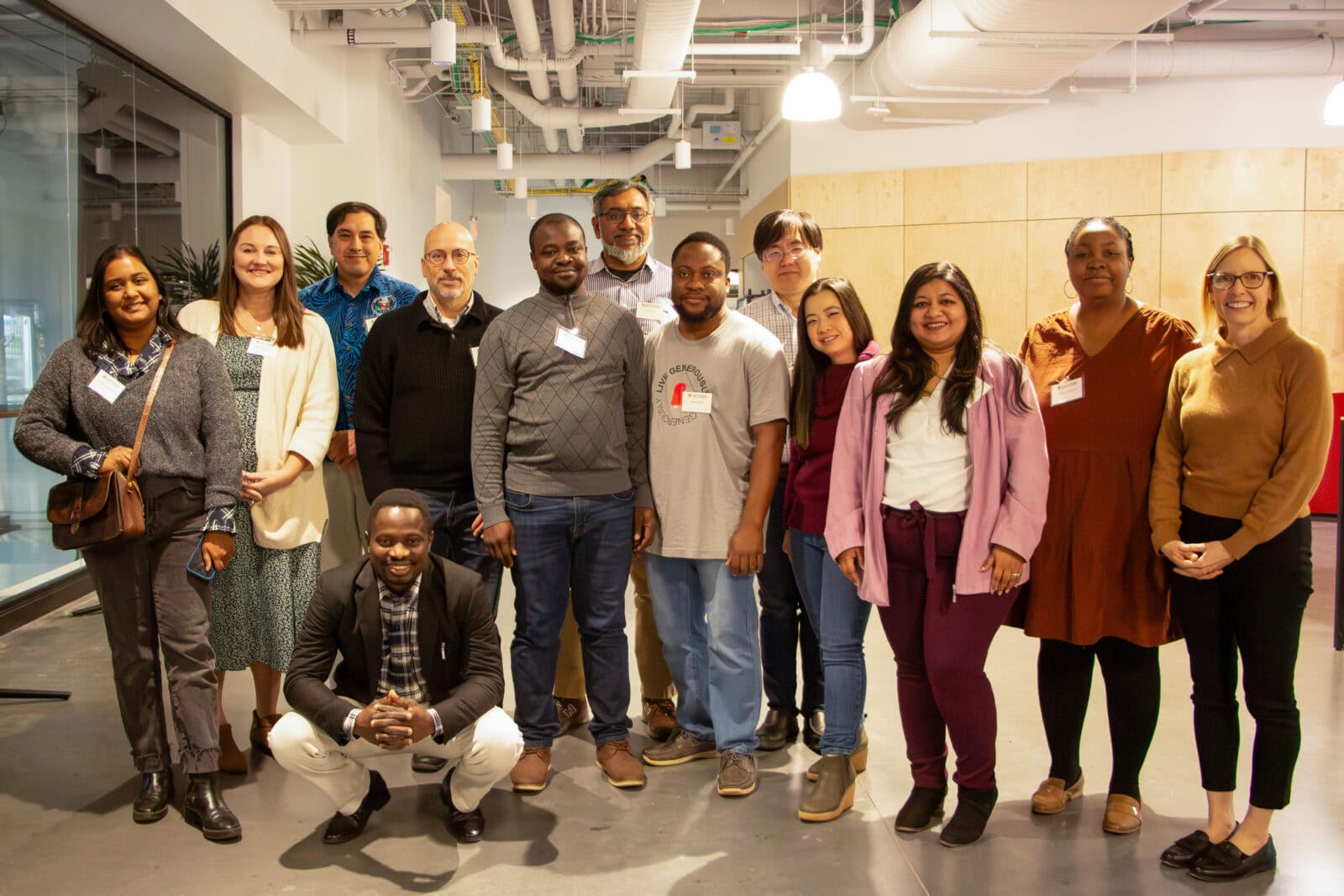
Green Umbrella’s Climate Research Incubator, in partnership with the Center for Collaboration on Climate and Community for Health (C4H), recently announced the recipients of the Grassroots Collaboration Award. Funded by the National Institutes of Health, this award supports research that focuses on community priorities, leads to real-world impact, and addresses the health impacts of climate change in neighborhoods that are most at risk. Two CRI projects are:
As the CRI 2025–2026 cohort moves forward, one thing is clear: this community of scholars is not just learning about climate solutions, they are actively building the relationships, skills, and shared vision needed to make them real.
Green Umbrella members also have access to our members-only newsletters and e-blasts. Join today to receive these perks!
By Green Umbrella
Published February 19, 2026


By Kelly Morton
Published November 7, 2023