If you are feeling a bit powerless these days and looking for ways to engage in the causes you care about, you have come to the right place! This newsletter is full of information about how to get involved in the Green Schoolyards Action Network, a community dedicated to expanding nature-based learning, exploration, and environmental education. |
|
|
|
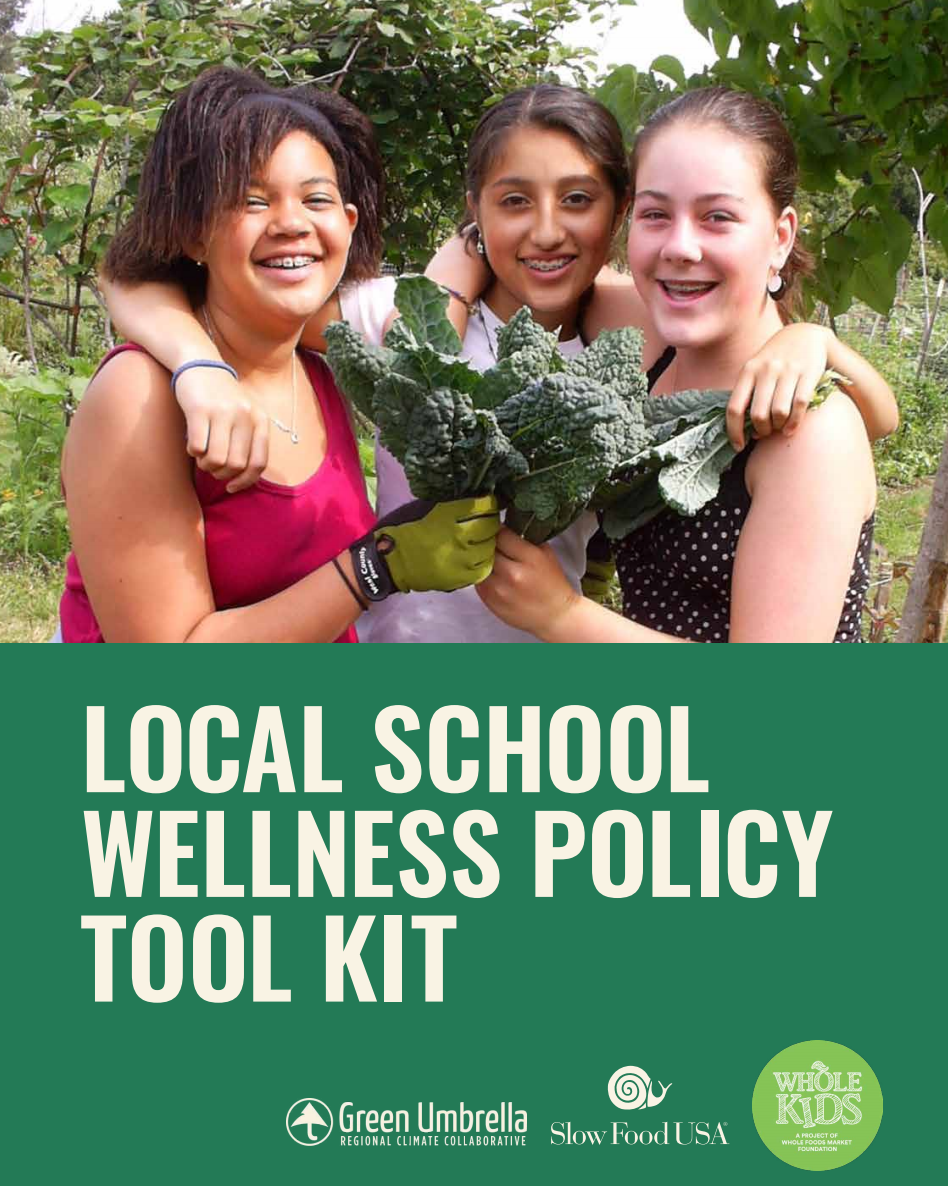
But first, I am thrilled to introduce the Local School Wellness Policy Tool Kit, a playbook for a school community and external stakeholders to engage in the district wellness policy process!
A Local School Wellness Policy exists in every school district across the nation that participates in the USDA National School Lunch and Breakfast programs. I developed the Local School Wellness Policy (LSWP) Tool Kit in partnership with Slow Food USA and Whole Kids. The LSWP Tool Kit elevates existing school district policy requirements and provides a roadmap for school districts to devise a customized wellness plan to reflect the current needs of the school community.
|
|
|
The LSWP Tool Kit is a powerful resource for school districts to use as a catalyst for increasing academic performance, improving attendance, and positively impacting graduation rates. It is a collaborative approach for equipping community members, partner organizations and municipalities with tools to build a wellness network with equitable distribution of infrastructure and resources at the helm. The work of the City of Cincinnati and Cincinnati Public Schools is featured in the LSWP Tool Kit, demonstrating how the alignment of city and school district policy drives the expansion of greenspace and nutritious food access.
If you’re interested in learning more about the Local School Wellness Policy Tool Kit, how to attend upcoming in-person workshops, or navigating the school district wellness process, please reach out to me. |
|
|
| In collaboration, Cynthia Walters Green Schoolyards Action Network Manager |
|
|
Strategic Partnerships for Greener Schools |
|
|
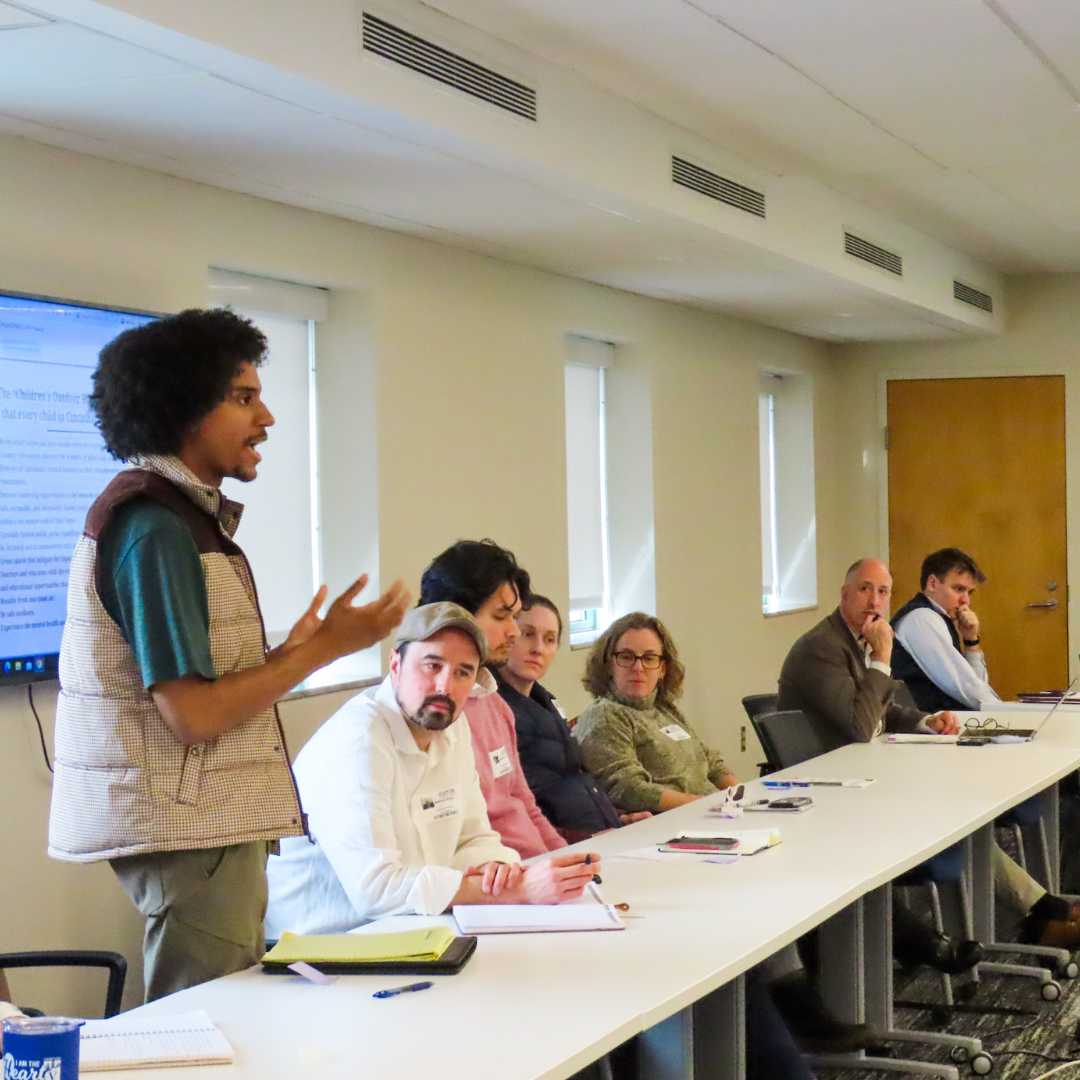
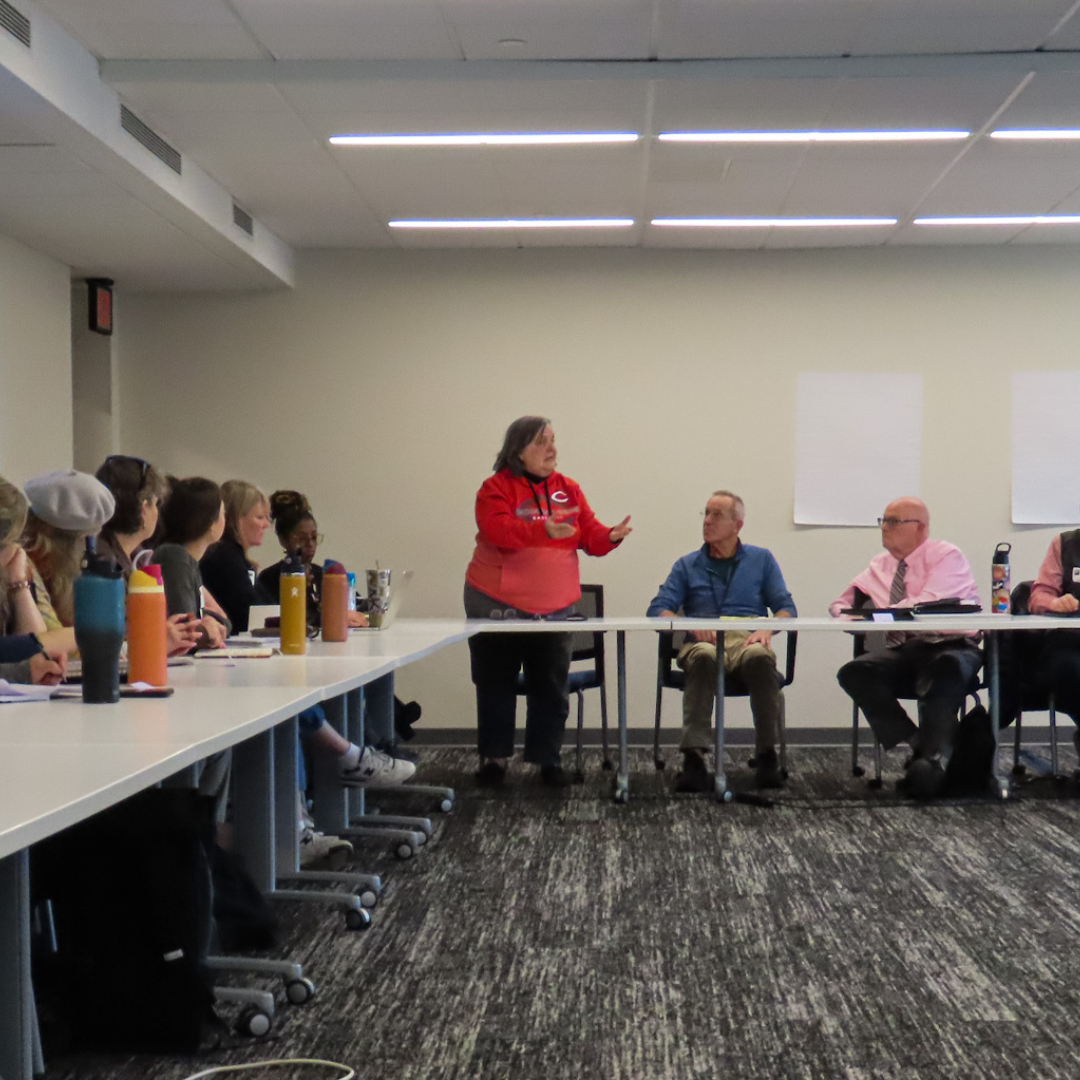
Earlier this month, key leadership from Cincinnati Public Schools, Council Member Meeka Owens’ Office, staff members from the City of Cincinnati Office of Environment & Sustainability, and over fifteen partner organizations met to discuss expanding greenspace on school campuses. This group, Strategic Partnerships for Greener Schools, focused on the following three goals: 1) develop a master plan for maintaining existing and new green infrastructure on CPS campuses, 2) establish a plan for installing outdoor learning spaces in the remaining schools by 2028 and 3) implement work-based learning and internships to help maintain these spaces.
|
| |
|
Expanding Agriculture Education Career Pathways for Students |
The Green Schoolyards Action Network is facilitating work with CPS, the City of Cincinnati, and partner organizations to expand the Agricultural & Environmental Systems Career Pathway and help graduating students join the green workforce. This collaborative work aims to increase the number of students entering the existing 9th-12th grade Career Pathway, add to the number of work-based learning and internship opportunities, and increase the number of students trained for green jobs.
|
|
|
Good Agricultural Practices (GAP): Connect School Gardens with Cafeterias |
A grant-funded food safety training program is underway at Aiken High School. The Good Agricultural Practices (GAP) for Schools pilot will allow students to safely sell what they grow to CPS Student Dining Services while earning credentials that will go toward graduation. This program not only focuses on increasing graduation rates for Agriculture Education students but enables them to directly enter the workforce upon graduation.
|
|
|
|
Since joining the Cincinnati Public Schools Board in 2008, Eve Bolton has been a champion in supporting nature-based learning opportunities for CPS students. Ms. Bolton has advocated for improving school campuses by the district using federal relief funding at over twenty sites to increase equitable access to nature for all students.
Ms. Bolton and her work with community members has been instrumental in identifying opportunities for students to connect with nature. During the Strategic Partnerships for Green Schools meeting earlier this month, Ms. Bolton announced the opening of the new pre-K-8 Montessori Lab School at the Bramble Nature Campus, with plans to include land and stream restoration projects. |
|
|
Thank you, Board Member Bolton, for all you do to connect students to the educational and health benefits of outdoor learning at CPS! |
|
|
| Volunteer to Clean Up Greenspaces on School Campuses |
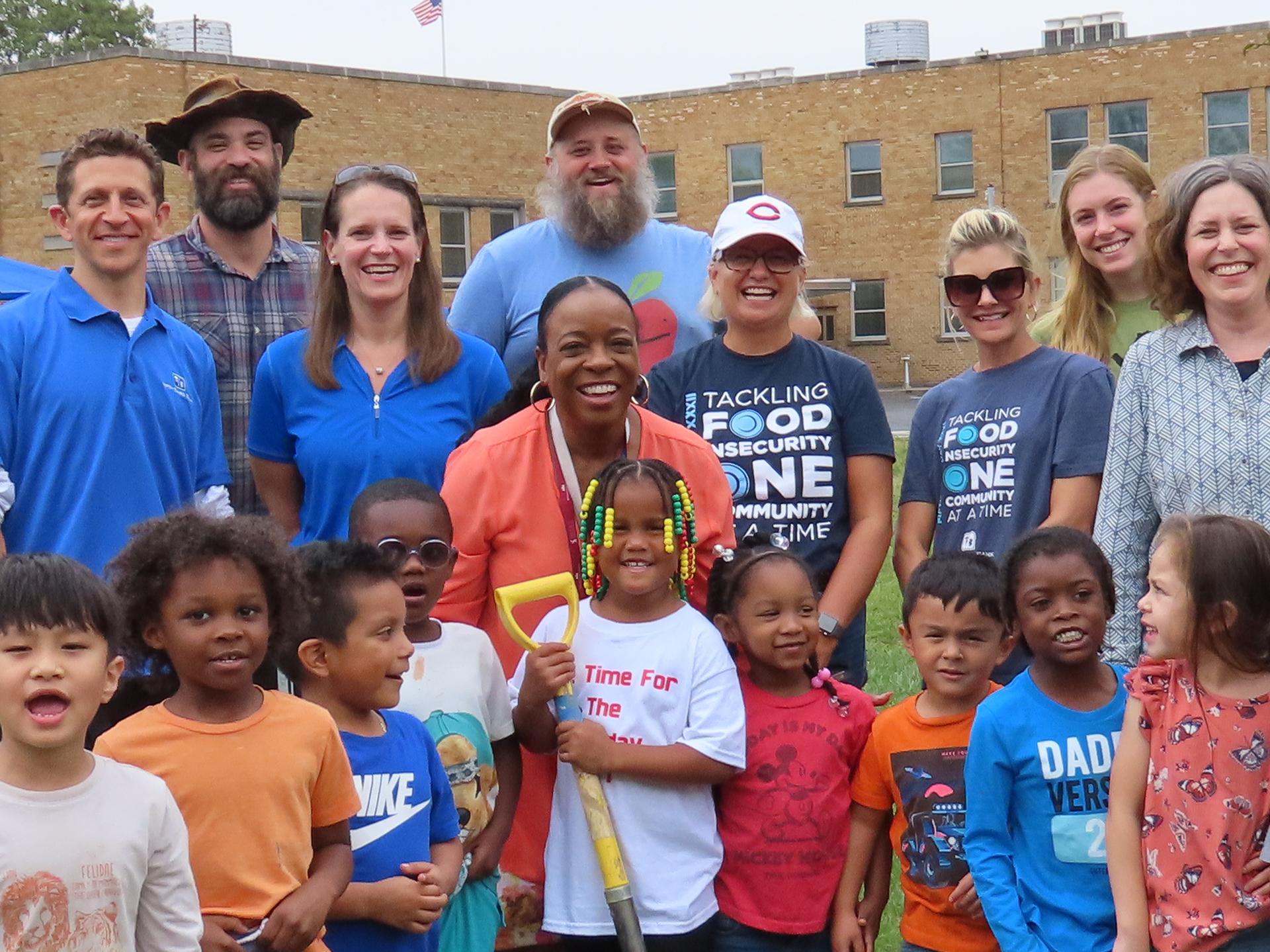
As spring approaches with new green schoolyards projects on the horizon, tending outdoor learning spaces is a high priority for schools! If your business, educational institution, or organization offers green workforce training, work-based learning, internships, co-ops, or corporate volunteer opportunities, reach out to Cynthia to be matched with a school. |
|
|
Best Practices & Lessons Learned |
|
|
Planning for Posterity: Keep Your Outdoor Learning Space for Years to Come |
|
|
When installing or developing an outdoor learning space, an important thing to consider is long-term maintenance of that space. In some schools, only a few (sometimes only one!) staff members are dedicated to outdoor learning. If these staff members move on from their school, the programs are at risk of declining and the outdoor space itself can deteriorate. This looks like dead or dying trees and gardens; overgrown paths and foliage; and broken, unsafe equipment that makes the space unusable and/or inaccessible.
|
| Click on the image to enlarge |
|
|
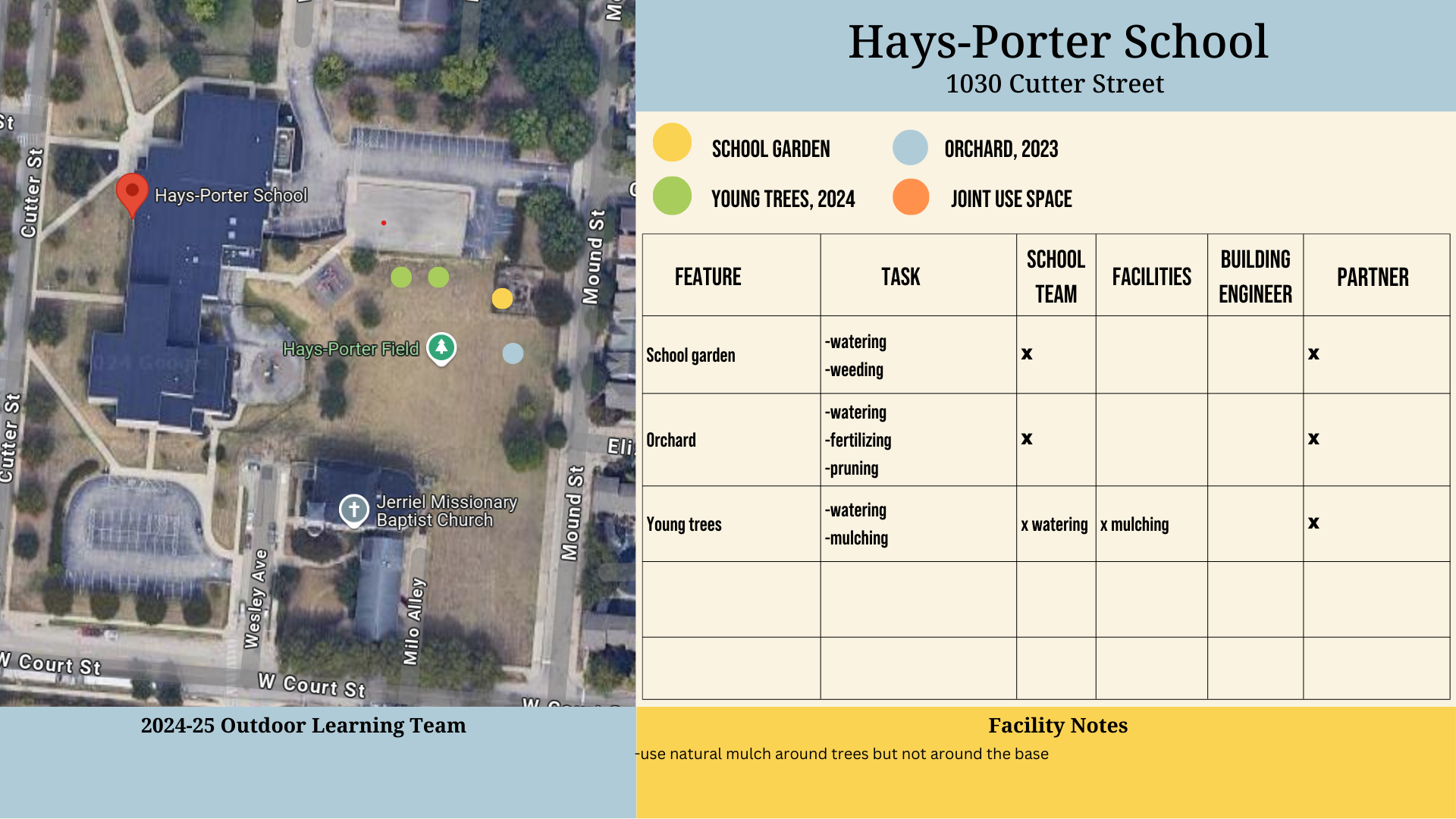
We recommend creating a greenspace maintenance plan that spreads responsibility across the entire school community, lessening the work for everyone. This means including the school team, facilities & maintenance, students, volunteers, and partner organizations. The image shown here is an example of the greenspace maintenance plan for the gardens and orchard at Hays-Porter School. It identifies focus areas, tasks, and the responsible party for each.
Whether you’re a school planning your new outdoor space, or a partner organization helping to install or update new features, you can work with your school district’s Facilities & Maintenance Department to map out focus areas, identify responsible parties, and assign tasks. Once a plan is put in place, the system remains regardless of personnel changes, and the hard work you put into creating the outdoor learning space won’t disappear when you leave the school campus, but endure for students to enjoy for years to come.
Need help with your outdoor learning maintenance plan? Contact Green Schoolyards Action Network Manager Cynthia Walters with your questions. |
|
|
Green Umbrella leads cross-sector collaboration to accelerate climate action
across Greater Cincinnati. |
| |
|
|