A Message from the Director: |
|
|
Greetings orchard enthusiasts! What a year of growth and harvest 2025 has been. |
Looking back, I'm struck by how we've grown, invested, and secured our footing for 2026. We grew more food than ever before across our orchard network, while simultaneously putting in place the systems that should help us more fully support all the gaps in management we couldn't get to this year. | | |
|
I appreciate the rapid descent into winter; there's no ignoring the 15° nights and early snows. It's forcing us to stop and sit with all of the end-of-year closeouts. There is always more to do, and all of the remainders are now looking forward to next year's agenda.
This year delivered on the promise I sensed back in late winter, that this year would be our "Leap" year. We brought Mel on as farm manager at Camp Washington, transforming our capacity to welcome volunteers and manage operations. Our compost program has expanded significantly with the support of Hamilton County. Most importantly, for the first time, we got to see our best techniques on full display as six orchards from 2021 started producing pears, peaches, and even some apples. The amazing thing about fruit trees is that while you have some off years - drought, a really wet spring, late frosts, all the ups and downs - as the trees start to hit their stride around 7 years old, you really start to see the magnitude of how much fruit they can grow, and it only gets better each year after.
As we move through this dormant season, we're preparing for what comes next. The foundation we've built is strong. The systems are in place. Stewards are growing in confidence and ability. And those 2021 orchards? They're just getting started. This is what rebuilding the commons looks like when patience meets intention. |
|
|
| Look up at the sky, get out in the sun, Chris Smyth Common Orchard Project Director |
|
|
2025 By the Numbers: A Year of Growth and Harvest |
This "Leap" year delivered on its promise. Here's what rebuilding the commons looks like in practice: |
-
40+ community orchards across Greater Cincinnati and Northern Kentucky
- 600+ fruit trees planted and maintained since 2017
- Multiple new orchards installed in 2025
- Significantly more orchards now producing fruit than at the start of the year
|
| |
|
-
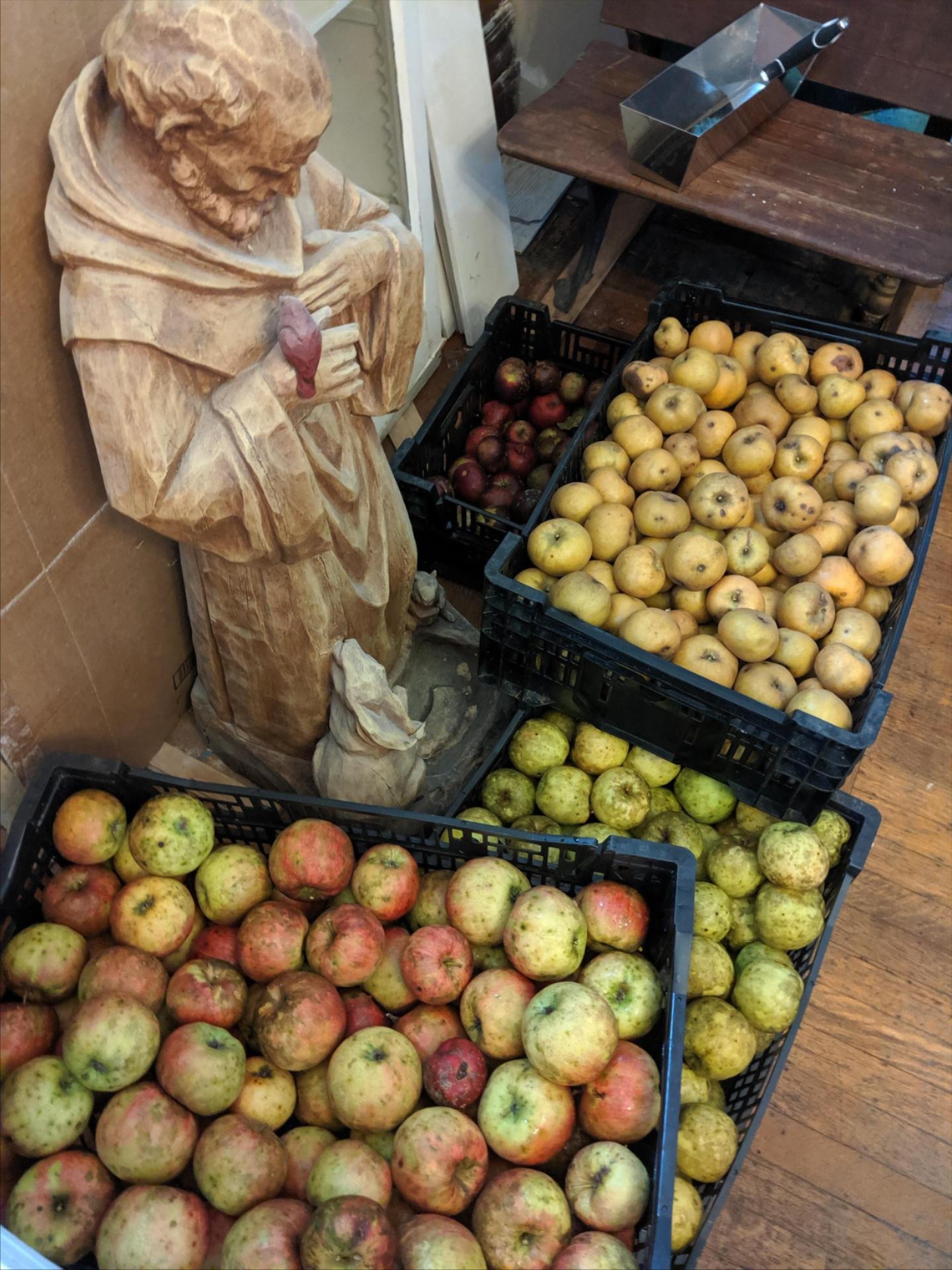
3,875 pounds of fruit estimated to be grown across orchard network
- First year of significant production from 2021 plantings—pears, peaches, and apples!
- Schiff Avenue Orchard alone has produced thousands of pounds since 2017
|
-
Approximately 113,896 tons of CO2 sequestered between tree carbon storage and composting program
- 100,000 pounds of food waste diverted from landfills
- 3x that volume in wood chips diverted from landfills
|
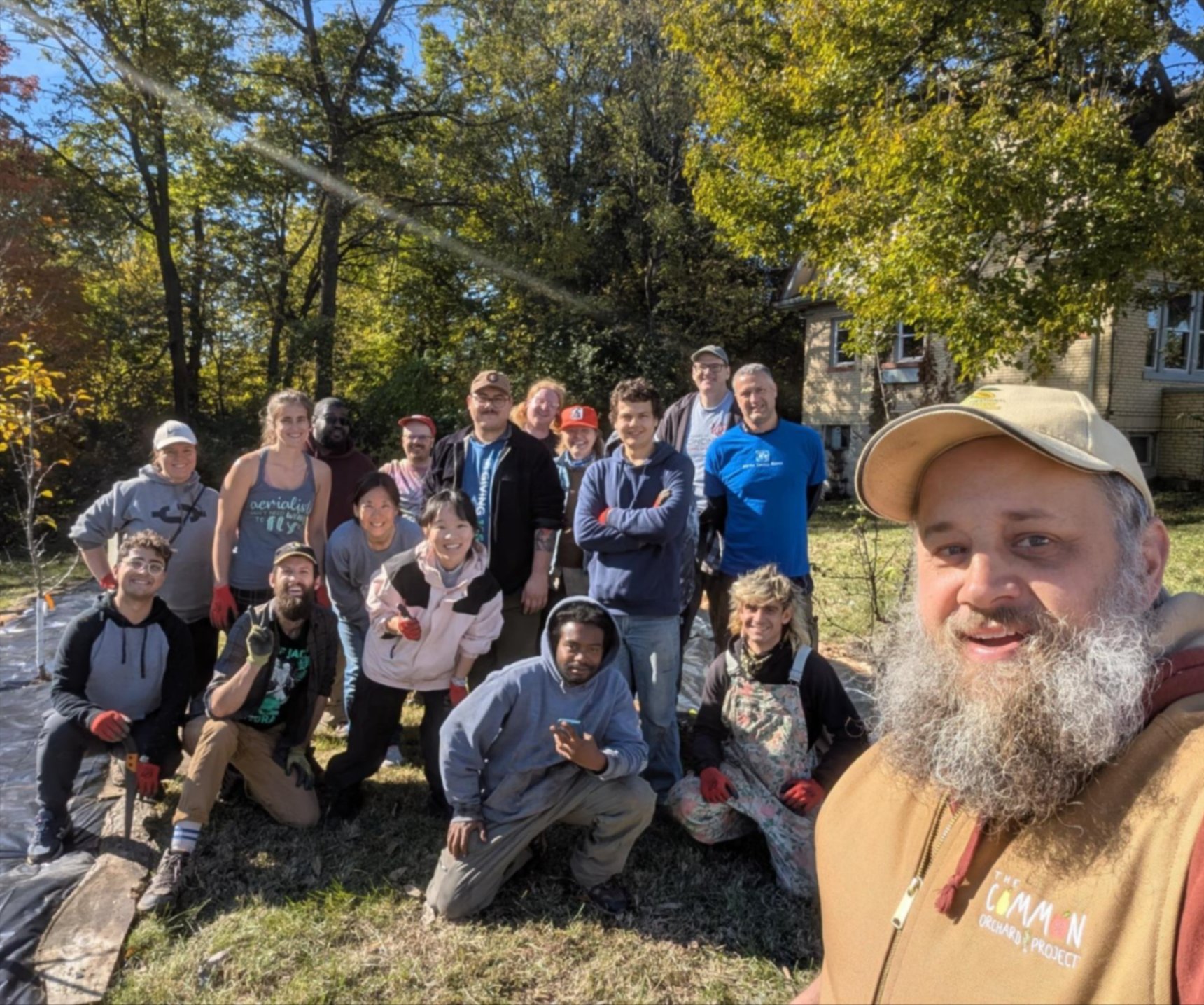
- 45+ stewards caring for sites across the region
- 250 volunteer hours leveraged this year
- Multiple steward training sessions and workshops held
- Orchard Stewards Summit brought network together
|
Every number represents real food grown, real carbon captured, real soil built, real connections made. The commons don't rebuild themselves—it takes years of patient work, and 2025 showed us what that looks like when it starts to bear fruit. |
|
|
Featured Orchard/Steward Stories |
Schiff Avenue Orchard: Coming Full Circle |
|
|
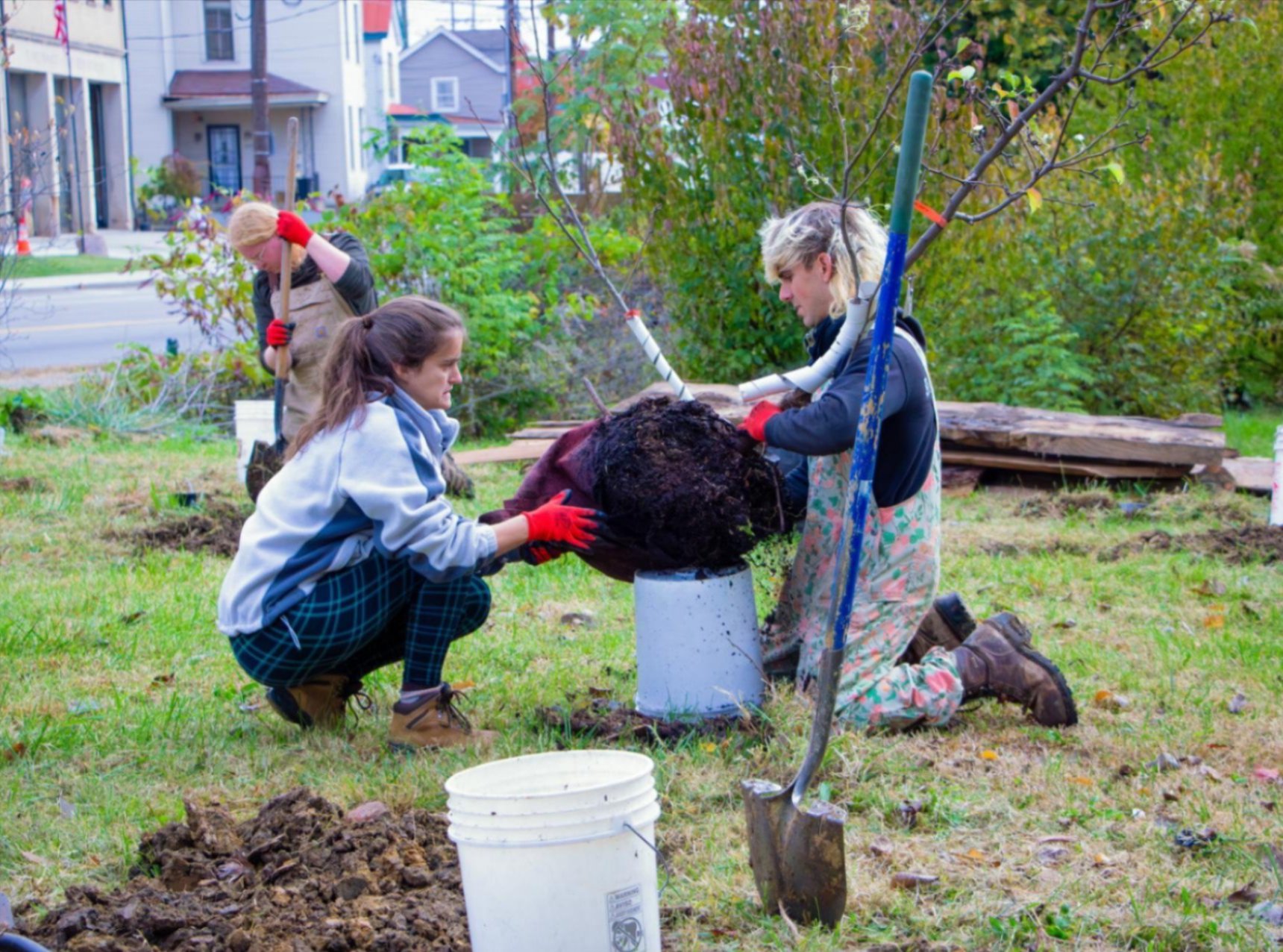
It was a delight to join volunteers from Fifth Third and Accenture, alongside neighbors and community members, to expand our first orchard planting with a fresh palette of 10 new trees.
We've learned so much since this original planting in 2017, and it's deeply satisfying to bring all those lessons back to where it all began. The orchard is being updated with new genetics and diversified varieties—pawpaws and jujubes joining the original apples and pears —and we finally had the chance to fill in berry bushes after a fire engine flipped into the site 2 years ago. |
| |
|
There's something special about returning to your oldest site with the most current version of everything you've learned. Better planting techniques, improved soil amendments, smarter spacing, more resilient varieties — all the accumulated wisdom from dozens of installations now benefiting the orchard that started this whole journey. We were even able to improve some of the original plantings while we were there, giving those 2017 trees the care and attention they deserved but didn't always get in those early, learning years.
This space has seen so many ups and downs, but it has produced thousands of pounds of fruit for the community and is destined to grow even more in the coming years. That's the beauty of perennial agriculture—you get to see your mistakes, learn from them, and make them right. And when you come back years later, the trees are still there, ready to benefit from everything you've learned. |
|
|
The Winter Pruning Blitz Returns! |
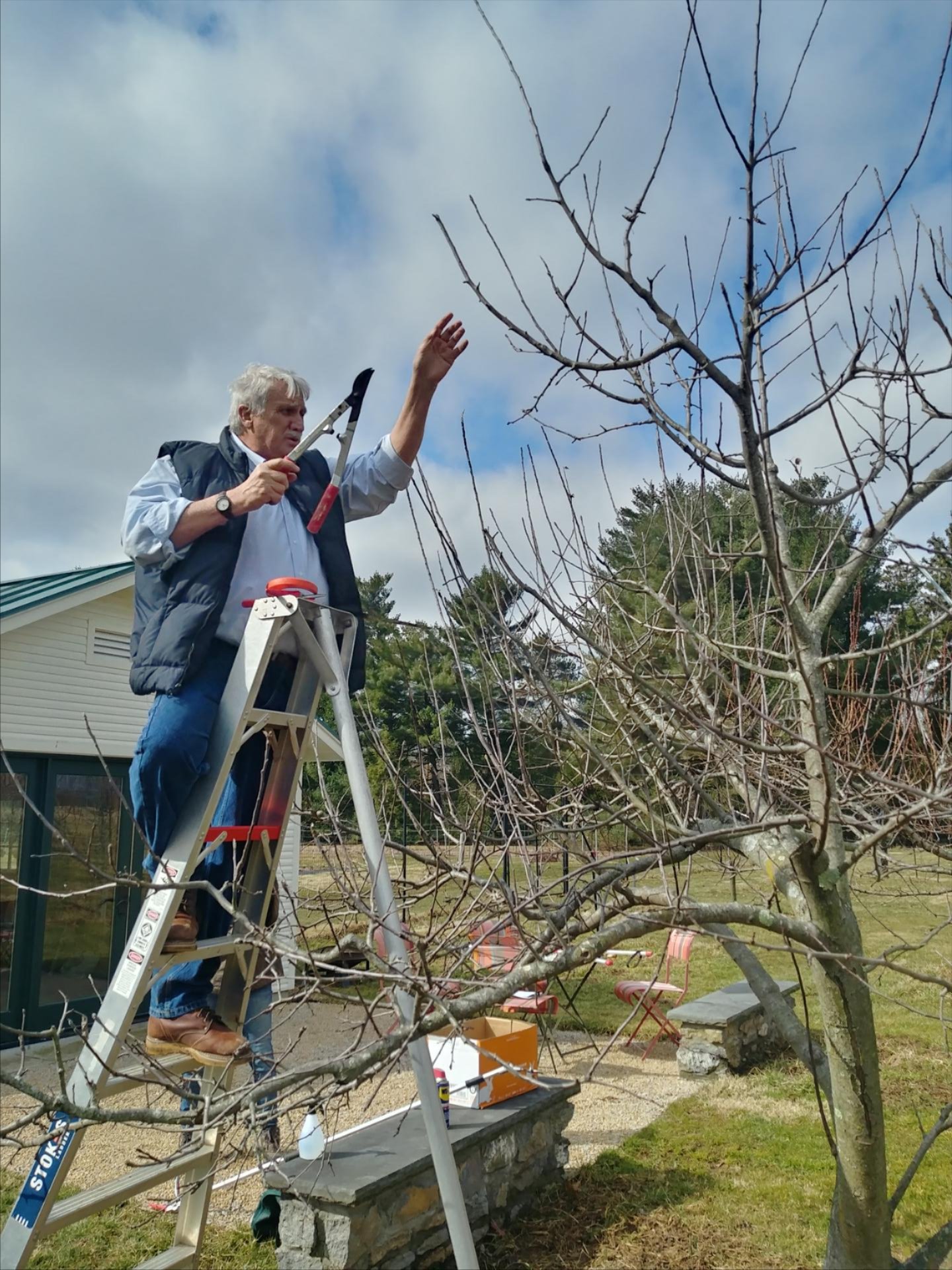
After taking 2025 off, we're bringing back our collaborative Winter Pruning Blitz on Saturday, February 21, 2026!
Join us starting at 10:00 AM at Melrose Orchard (2647 Melrose Ave, 45206) for a demonstration, then split into crews to visit multiple orchards throughout the day. This is perfect for anyone interested in learning fruit tree care, meeting fellow orchard enthusiasts, and potentially joining our stewardship program. All tools and safety equipment are provided. No experience necessary—just bring your enthusiasm and dress for the weather! |
| |
|
Fruit Tree Grafting Workshop |
Friday, March 21, 2026 | 1:00 - 3:30 PM
Learn this ancient practice to cultivate your own fruit trees. If you have a favorite variety you can't find for sale, or a beloved tree you want to clone, this is your opportunity! Cost: $50 |
|
|
Ways to Support the Work in 2026 |
Purchase Compost!
Support our circular economy! High-quality compost available for $10 per cubic foot bag. Visit commonorchard.com/compost for orders. Bulk pricing available for larger projects. Make a Donation!
Your financial support helps us plant more trees, train more stewards, produce more compost, and grow more food for our community. Every contribution makes a difference. DONATE HERE and add “Common Orchard” to the Comment Line.
Sponsor an Orchard!
Know a local business that wants to invest in community food systems? We're looking for corporate sponsors to adopt orchards in their neighborhoods. Sponsorships help cover maintenance, signage, educational programming, and long-term care. Contact us to discuss partnership opportunities that align with your business values and community presence. |
|
|
Bush Cherries: Compact Powerhouses for Community Orchards |
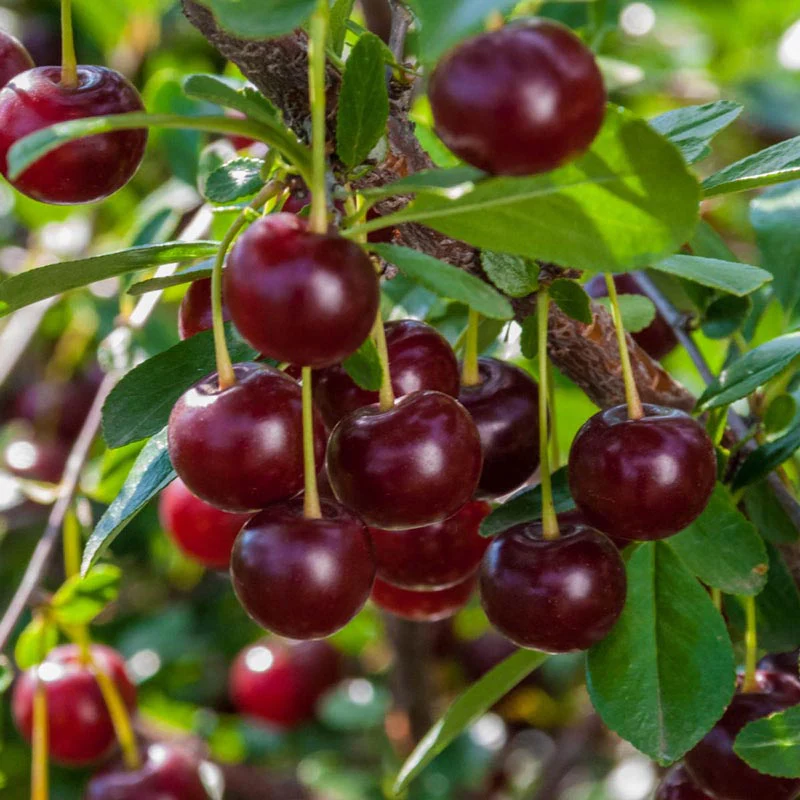
We planted a number of bush cherries in West End this year, and we're excited about this relatively new addition to our orchard toolkit. While they're expensive to purchase, we're working on propagating our own for future plantings. |
|
|
Bush cherries are a game-changer for community orchards. Developed at the University of Saskatchewan through decades of breeding work, these compact shrubs combine the best of multiple cherry species. The result? Dark red, almost black fruit with a flavor that bridges sweet and tart cherries—think cherry lemonade. The deep pigmentation throughout the fruit indicates high levels of anthocyanins, putting them in the "superfruit" category for nutritional value. |
| |
|
Why We Love Them for Community Orchards:
|
- Compact size: 6-8 feet tall means easy picking without ladders
- Extreme hardiness: Hardy to Zone 2 (minus 40°F)
- Quick production: First fruit at 3 years, full production by year 5
- Heavy yields: 20-30 pounds per plant at maturity (2-3 ice cream buckets!)
- Self-pollinating: Though cross-pollination increases yields
- Versatile fruit: Excellent fresh eating, pies, jams, juice, drying, and wine
- Disease resistant: Fewer pest and disease issues than traditional cherries
|
Best Varieties - The Romance Series: |
-
Carmine Jewel: The highest producer and first to ripen (late July)
- Romeo: Slightly sweeter flavor, ripens mid-August
- Juliet: Sweet flavor, moderate production, ripens late August
- Crimson Passion: Blooms early, grows tallest (10 feet)
- Cupid & Valentine: Not yet widely available to home gardeners
|
Plant in full sun with well-drained soil. Space 6 feet apart. While self-pollinating, planting multiple varieties increases fruit set and extends harvest from late July through early September. Prune in late winter to maintain shape and vigor. Harvest as late as possible for maximum sweetness—cool, wet weather produces less sweet fruit.
The upfront cost is high, but the combination of productivity, easy maintenance, and compact size makes bush cherries an excellent long-term investment for community food production. |
|
| Get in touch with the Common Orchard Project |
|
|
The Common Orchard Project Is Sponsored By: |
|
|
Green Umbrella leads cross-sector collaboration to accelerate climate action across Greater Cincinnati. |
| |
|
|